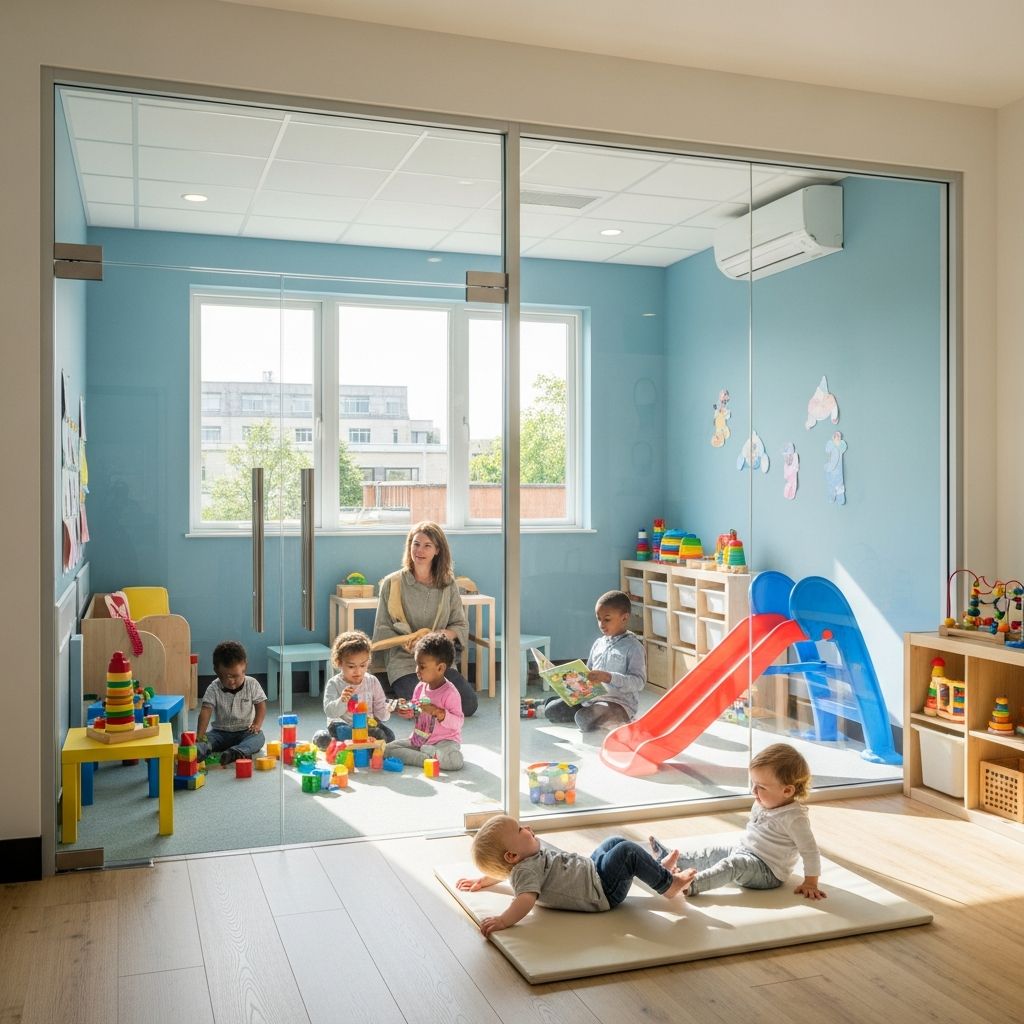
Innovative workspaces tailored for women have increasingly incorporated childcare solutions to address the unique challenges faced by professional mothers. These facilities aimed to create environments where career ambitions and parenting responsibilities could coexist seamlessly, offering drop-off care alongside productive work areas.
The Emergence of Family-Friendly Professional Spaces
The concept of co-working spaces exclusively for women gained traction in the mid-2010s, responding to demands for inclusive yet targeted professional communities. Founders recognized that traditional offices often overlooked family needs, prompting the addition of child-centric amenities. This shift marked a pivotal moment in workplace design, prioritizing flexibility for parents.
Early adopters focused on urban centers where high costs and long commutes amplified parenting stresses. By embedding play areas and supervised care within co-working hubs, these spaces reduced logistical burdens, allowing mothers to focus on tasks without constant worry about childcare arrangements. Such integrations not only boosted productivity but also fostered networking among like-minded professionals.
- Targeted demographics: Primarily women in creative, tech, and entrepreneurial fields.
- Core amenities: Quiet work zones, meeting rooms, and lactation areas alongside kid zones.
- Operational model: Membership-based access with tiered pricing for added services.
Spotlight on Pioneering Childcare Integrations
One standout example launched dedicated children’s areas within flagship locations, featuring certified caregivers and age-appropriate activities. Available to members, these services catered to infants and young children, with strict time limits to ensure availability. Parents appreciated the on-site convenience, as it eliminated travel between work and care sites.
Programs included structured sessions in arts, physical activities, and music, promoting child development while parents networked nearby. Additional workshops addressed parental concerns like sleep routines and family dynamics, creating holistic support systems. Fees were structured modestly, making them accessible add-ons to base memberships starting around $185 monthly.
| Feature | Details | Age Range | Duration Limits |
|---|---|---|---|
| Drop-off Care | Certified babysitters | 6 months – 6 years | Max 2 hours/session |
| Enrichment Classes | Art, movement, music | 6 months – 6 years | Varies by class |
| Parent Workshops | Sleep training, relationships | All parents | 1-2 hours |
| Cost Structure | $25 care, $28 classes | N/A | Per session |
Expansion plans hinted at broader rollout, with intentions for additional sites in major cities, signaling growing demand for such hybrids.
Benefits for Working Mothers and Families
Integrating childcare into co-working environments yielded multifaceted advantages. Mothers reported heightened focus during work blocks, knowing their children were safely engaged nearby. This proximity minimized separation anxiety for both parties and enabled quick check-ins, enhancing emotional well-being.
From a professional standpoint, these spaces facilitated serendipitous connections—conversations in lounges often led to collaborations. For children, exposure to stimulating environments supported early learning, with caregivers trained in developmental milestones. Economically, bundled services proved cost-effective compared to standalone daycare, especially for part-time users.
Broader societal impacts included challenging stereotypes about motherhood and career compatibility. Participants felt validated in their dual roles, contributing to a cultural shift toward inclusive workplaces. Studies on work-life balance underscore how such setups reduce burnout rates among parents.
Operational Challenges and Sustainability Issues
Despite initial enthusiasm, maintaining these programs presented hurdles. High staffing costs for certified providers strained budgets, particularly as memberships fluctuated. Pandemic disruptions exacerbated issues, with closures and safety protocols limiting capacity. Economic pressures, including inflation and remote work trends, further complicated viability.
By 2022, several prominent networks shuttered all sites abruptly, citing insufficient active users post-reopening. This affected thousands of members, highlighting the fragility of niche models reliant on dense urban foot traffic. Employees faced sudden job losses, underscoring labor market vulnerabilities in hospitality-adjacent services.
Lessons from Past Models for Future Designs
The closure of key players offers valuable insights for next-generation spaces. Diversifying revenue—through corporate partnerships or hybrid virtual offerings—could enhance resilience. Flexible scaling, like pop-up care events, might suit variable demand without fixed overheads.
Emphasis on inclusivity expanded beyond gender, incorporating diverse family structures. Tech integrations, such as app-based booking and live feeds, improved user trust and efficiency. Policymakers note potential for subsidies to bolster such initiatives, drawing from government reports on childcare shortages.
Current Landscape: Alternatives and Evolutions
Post-closure, working parents have pivoted to versatile options. General co-working giants now offer occasional childcare partnerships, while boutique studios specialize in mother-child co-spaces. Community centers and employer-sponsored programs fill gaps, often at lower costs.
Emerging trends include nomadic play-work pods in flexible offices and virtual parenting networks complementing physical sites. Data from industry analyses predict growth in hybrid models, blending remote tools with occasional in-person care.
- Corporate on-site daycares: Growing in tech hubs.
- Neighborhood micro-childcares: Licensed home-based solutions.
- App-facilitated sharing economies: Peer-to-peer care matching.
Expert Perspectives on Work-Parent Balance
Professionals in urban planning and family policy advocate for systemic changes. Reports from organizations like the OECD highlight global childcare deficits impacting female workforce participation. Innovations must prioritize affordability and quality to scale effectively.
Surveys of former users reveal sustained demand, with many seeking revivals or clones. This feedback fuels startups experimenting with sustainable twists, such as nonprofit hybrids or franchise models.
Frequently Asked Questions
What ages were typically served in these co-working childcare programs?
Programs generally accommodated children from 6 months to 6 years, focusing on toddlers and preschoolers.
Did parents need to stay on-site during drop-off hours?
Yes, policies required parents to remain in the building for quick access and safety.
Why did many of these spaces close?
Economic challenges post-pandemic, including low membership recovery and high operational costs, led to permanent shutdowns.
Are there modern equivalents available today?
Yes, various co-working chains and local initiatives now provide similar on-site or partnered childcare options.
How much did sessions typically cost?
Basic drop-off care ranged from $25 for two hours, with classes around $28 per session.
Navigating Options as a Working Parent
For those seeking similar setups, research local memberships and trial periods. Prioritize licensed facilities with transparent policies. Networking via parent groups can uncover hidden gems. Ultimately, these evolutions underscore a commitment to adaptable, family-integrated professionalism.
(Word count: 1678)
References
- Women and Work-Life Balance Report — OECD. 2023-05-15. https://www.oecd.org/gender/data/
- Child Care in the United States — U.S. Department of Health and Human Services. 2024-01-10. https://www.acf.hhs.gov/occ
- Coworking Industry Trends — Deskmag Global Coworking Survey. 2025-03-20. https://www.deskmag.com/
- Workforce Participation and Family Policies — World Bank. 2024-07-12. https://www.worldbank.org/en/topic/socialprotection
- The Wing Workspace Overview — Wikipedia (sourced from primary announcements). 2022-08-30. https://en.wikipedia.org/wiki/The_Wing_(workspace)