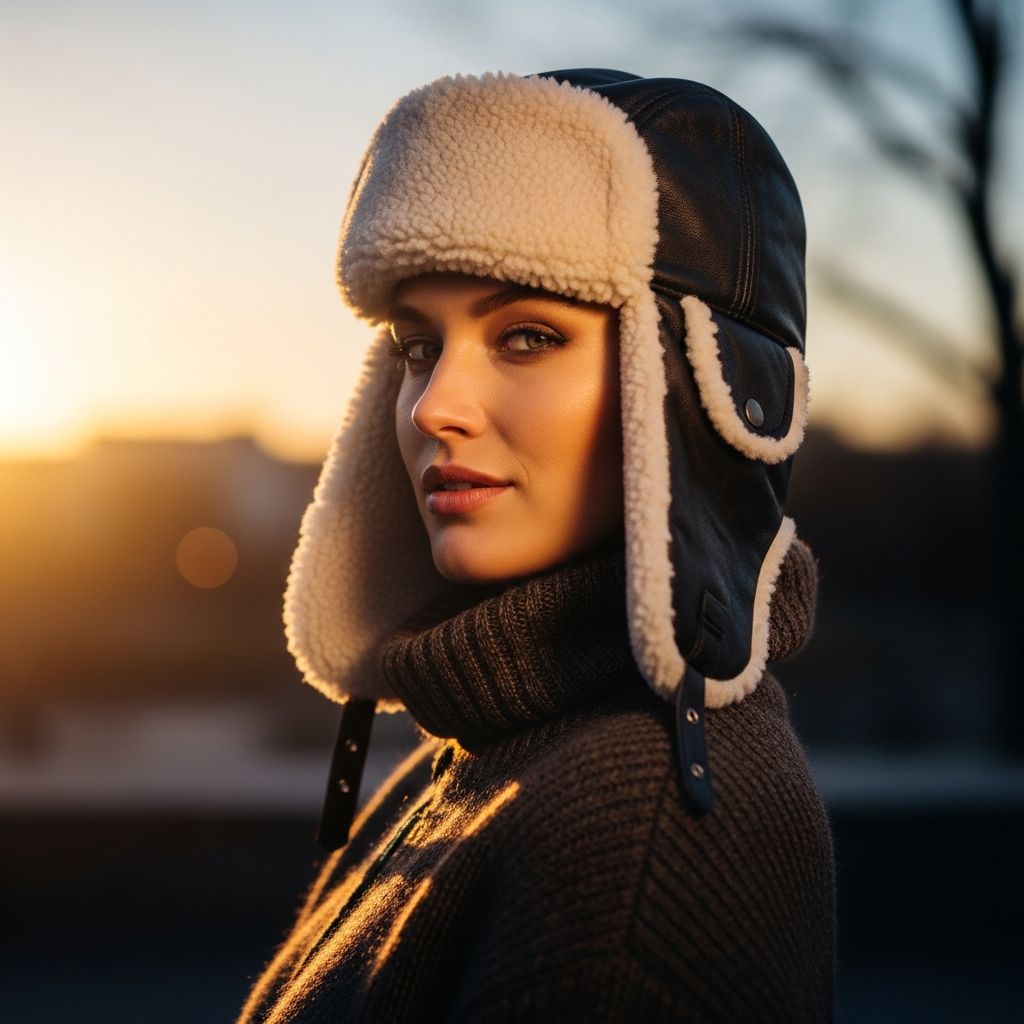
Bomber hats are more than just cozy winter gear; they are bold accessories that mix practical warmth with unmistakable personality. Whether you are braving city winds or heading to a snowy cabin, the right bomber hat can keep you warm while adding a playful edge to your cold-weather style.
What Exactly Is a Bomber Hat?
A bomber hat is a winter hat with ear flaps that can be worn down for extra coverage or fastened up for a neater look. Inspired by aviator headgear, it typically has a fitted crown, a short front brim or bill, and straps or buckles that secure under the chin or on top of the head.
Modern women’s bomber hats come in a huge variety of fabrics and finishes. You will find sleek nylon shells, plush faux fur linings, quilted styles, and fleece-covered versions that look and feel like a hug for your head.
Key Features That Make Bomber Hats So Warm
Not all winter hats are built the same. What sets bomber hats apart is the way their design physically shields the areas that typically lose heat fast: ears, forehead, and the back of the neck.
- Full ear coverage: Ear flaps protect cartilage from biting wind, which is especially helpful for people prone to earaches in cold weather.
- Insulated lining: Fleece, faux fur, shearling, or synthetic insulation create a warm, air-trapping layer close to the skin.
- Secure closure: Ties, buckles, or clips under the chin keep the hat from flying off in gusty weather and seal in warmth.
- Extended sides and back: The extended cut wraps around the sides of the head and often dips low enough to meet a high collar or scarf.
This thoughtful coverage means you can often wear a bomber hat with a lighter coat and still feel completely protected from the elements.
Choosing the Right Fabric and Lining
Fabric selection affects not just warmth but also weight, breathability, and how dressy or casual the hat appears. Understanding common materials will help you choose a bomber hat that matches your climate and lifestyle.
Common Outer Shell Materials
- Nylon or polyester: Lightweight, often water-resistant, and sporty-looking. Ideal for snowy or slushy conditions.
- Wool blends: Warm, slightly heavier, and more classic in appearance. Good for dry cold and more polished outfits.
- Faux leather or coated fabrics: Add an edgy, aviation-inspired look and can provide some wind resistance.
- Quilted fabrics: Give visual interest and trap extra air for insulation without adding too much bulk.
Popular Lining Options
- Faux fur: Very warm and plush, with a luxe or playful aesthetic depending on color and texture.
- Fleece: Lightweight, breathable, and soft against the skin. Great for active days outdoors.
- Shearling-style lining: Offers high warmth and a cozy, heritage look that pairs well with classic outerwear.
- Down or synthetic insulation: Found in technical or performance-oriented bomber hats for extreme cold.
When in doubt, think about your coldest typical day. If your winters are damp and windy, choose a shell that blocks wind and light moisture. If they are dry but frigid, prioritize thick insulation and ear coverage.
Fit and Comfort: Getting the Size Right
A bomber hat that is too tight can cause headaches, while one that is too loose may slide around or expose your ears. Size and adjustability matter more than many shoppers realize.
| Fit Aspect | What to Look For | Why It Matters |
|---|---|---|
| Crown fit | Snug but not compressing, no deep seam marks on the forehead. | Prevents movement without causing pressure or discomfort. |
| Ear coverage | Flaps fully cover ears when down, with no gaps above earrings. | Keeps cold air off sensitive cartilage and lobes. |
| Chin strap length | Comfortable closure under the chin, still breathable when fully fastened. | Ensures the hat stays put in windy conditions. |
| Back of neck | Light contact with collar or scarf when you tilt your head. | Prevents chilly drafts at the back of the head. |
If you are between sizes, consider how you plan to wear your hair. If you often wear high buns or voluminous curls, sizing up slightly can prevent awkward bumps and sliding.
Style Personalities: Finding Your Bomber Hat Vibe
Bomber hats can read as cute, quirky, elegant, or even minimalist, depending on their details. Thinking about your personal style beforehand helps you pick a hat that feels like a natural extension of your wardrobe instead of a costume.
Minimal and Everyday
If your closet leans toward simple lines and neutral colors, choose a bomber hat in black, charcoal, taupe, or navy with a clean finish. Look for understated hardware, low-contrast linings, and matte textures that blend seamlessly with wool coats and puffer jackets.
Playful and Bold
For a fun, expressive style, embrace color and texture. Bright linings, patterned shells, or oversized faux fur trim can turn your hat into the focal point of your outfit. This works especially well when the rest of your look is simple, such as jeans and a basic parka.
Classic and Polished
Warm neutrals, subtle plaids, or tweed-style fabrics help bomber hats feel traditional rather than sporty. Combine these with tailored wool coats, leather gloves, and structured bags to maintain a put-together appearance even in icy weather.
How to Style a Women’s Bomber Hat
Styling a bomber hat is about proportion and balance. Because the silhouette adds visual volume around the head, it can transform how your coat, scarf, and even footwear read as a whole.
Everyday Errands and Commuting
- Pair a sleek nylon bomber hat with a mid-length puffer jacket, slim jeans, and ankle boots.
- Choose a hat color that echoes a detail in your outfit, like your scarf or boot laces, to visually tie everything together.
- Leave ear flaps down for warmth on the walk and flip them up when you reach the office or a café.
Weekend Walks and Outdoor Activities
- Combine a fleece-lined bomber hat with a technical shell or ski jacket, base layers, and insulated leggings.
- Opt for bright or high-visibility colors if you will be out at dusk on trails or in snowy conditions.
- Secure the strap under your chin for stability while hiking, snowshoeing, or sledding.
City Nights and Casual Evenings
- Dress up a faux fur–trimmed bomber hat with a long wool coat, heeled boots, and a structured crossbody bag.
- Choose monochromatic outfits—such as all black or all camel—to let the texture of the hat stand out without clashing.
- Rotate the hat slightly back on the head (while still covering the ears) for a relaxed, intentional look in photos.
Climate Considerations: Do You Really Need a Bomber Hat?
Whether a bomber hat makes sense for you depends on where you live and how often you are outdoors. In milder climates, the full coverage can feel excessive, whereas in regions with sharp windchill, it becomes not just useful but comforting.
- Cold, windy climates: A bomber hat can dramatically increase your comfort on commutes, dog walks, or playground outings.
- Wet coastal climates: Look for water-resistant shells and quick-drying linings that will not stay damp all day.
- Mild winters: Reserve bomber hats for trips to the mountains or unusually cold snaps, and use lighter beanies for everyday wear.
If you rarely spend more than a few minutes outside, you may prefer a slimmer beanie. Bomber hats shine when you need serious warmth for extended outdoor time.
Practical Pros and Cons
Like any statement accessory, a bomber hat has advantages and trade-offs. Understanding them upfront ensures you pick one for the right situations instead of expecting it to do everything.
| Pros | Cons |
|---|---|
| Excellent ear and neck warmth in wind and low temperatures. | Can feel too warm or bulky in mild weather. |
| Secure fit with straps keeps hat in place during strong gusts. | Straps under the chin may feel restrictive for some wearers. |
| Strong style statement that adds personality to simple outfits. | Bolder styles may feel out of place in very formal settings. |
| Versatile enough for city streets, ski trips, and casual travel. | Not ideal if you prefer low-profile headwear that disappears into an outfit. |
For many people, owning one bomber hat and one low-profile beanie covers nearly every winter situation, from quick errands to full days in the snow.
Care and Maintenance Tips
Taking care of your bomber hat extends its life and keeps it looking fresh. Because many styles combine multiple materials, it is important to read the care tag before tossing it into the wash.
- Spot clean dirt and makeup marks with a gentle cloth and mild soap instead of aggressive scrubbing.
- Allow the hat to air dry completely after exposure to snow or rain to prevent odors and mildew.
- Store it in a breathable bag or on a shelf rather than compressed in a pocket to maintain shape.
- Brush faux fur gently with a clean, soft brush to restore fluff if it becomes matted.
If your bomber hat is labeled dry clean only, resist the temptation to machine wash it, as this can damage insulation, hardware, and decorative finishes.
When a Bomber Hat Is Not the Best Choice
Despite its strengths, there are moments when another type of winter hat may work better. High-intensity activities and tightly packed public events are two common situations where a bomber hat can feel like too much.
- For running or fast-paced sports, a snug, moisture-wicking beanie is usually more comfortable and breathable.
- For crowded concerts or festivals, a smaller hat minimizes the chance of bumping into others or overheating indoors.
- For formal occasions, a sleek felt hat or a simple headband often looks more appropriate with dress coats and tailored outfits.
Think of your bomber hat as a specialist: unbeatable for everyday cold and windy conditions, but not always the right tool for every single setting.
Frequently Asked Questions About Women’s Bomber Hats
Are bomber hats still in style?
Yes. Bomber hats cycle in and out of “trendy” status, but they never fully disappear because they are genuinely useful. Designers keep updating details like fabrics, colors, and trim, which means there is always a modern version available that feels current rather than costume-like.
Can I wear a bomber hat with glasses?
Absolutely. To keep your glasses comfortable, make sure the ear flaps do not press the frames tightly into your temples. Softer, flexible flaps work best for glasses wearers, and adjusting the strap slightly looser can relieve pressure.
Will a bomber hat flatten my hair?
Any winter hat can affect your hairstyle, but bomber hats often have looser crowns than tight beanies, which can be gentler on volume. If hair flatness is a concern, choose hats with smooth linings and avoid sizing down too much, then fluff roots with your fingers after taking the hat off.
How many bomber hats do I really need?
Most people only need one versatile bomber hat that matches their main coat. If you live in a particularly cold climate or love experimenting with winter outfits, you might add a second: one in a neutral shade for everyday wear and another in a bold color or texture for fun.
Can I pack a bomber hat for travel?
Yes, but pack thoughtfully. Soft, fleece-lined hats pack easily into luggage, while more structured or fur-trimmed styles are better carried or worn on travel days. Stuffing the crown lightly with scarves or gloves can help maintain the hat’s shape in a suitcase.
Final Thoughts: Making the Bomber Hat Your Own
A women’s bomber hat is one of the rare winter accessories that blends dramatic style with true, practical warmth. When you choose a fabric, fit, and color that align with your everyday life, it stops feeling like a novelty and becomes the piece you reach for every time the temperature drops.
Instead of wondering if you can “pull it off,” focus on comfort, function, and how it works with your existing outerwear. When those pieces line up, a bomber hat feels less like a daring fashion risk and more like a natural, confident part of your cold-weather routine.