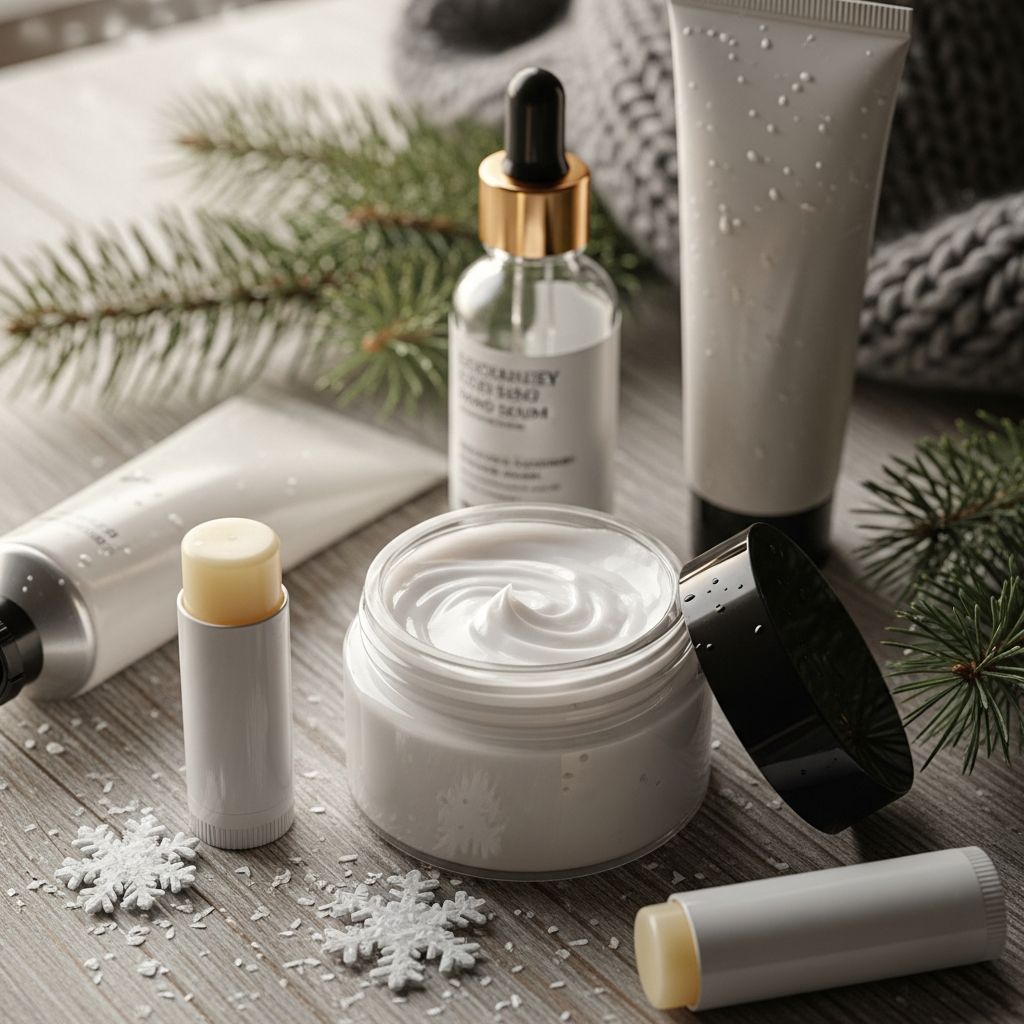
Winter brings biting winds, low humidity, and indoor heating that collectively challenge skin health, leading to dryness, flakiness, and irritation. Proactively adjusting your routine can maintain a strong skin barrier and prevent discomfort. This guide outlines practical, evidence-based steps to fortify your skin against cold weather assaults.
Understanding Winter’s Impact on Skin
Cold air holds less moisture than warm air, reducing environmental humidity and prompting skin to lose hydration rapidly. Indoor heaters exacerbate this by further drying the atmosphere. Combined with frequent handwashing and hot water exposure, these factors weaken the skin’s natural lipid barrier, increasing vulnerability to cracks and infections. Dermatologists note that hands, face, and lips suffer most due to constant exposure.
- Cold winds strip natural oils, causing tightness and redness.
- Low humidity indoors pulls moisture from skin surfaces.
- Hot showers dissolve protective lipids, amplifying dryness.
Recognizing these effects allows targeted interventions for resilient skin throughout the season.
Optimizing Your Cleansing Routine
Harsh cleansing strips essential oils, worsening winter dryness. Opt for lukewarm water instead of scalding hot to preserve the skin’s moisture balance. Gentle, hydrating cleansers with minimal sulfates maintain cleanliness without over-drying.
After cleansing, pat skin dry rather than rubbing to retain residual dampness. This simple adjustment traps hydration effectively.
| Cleansing Mistake | Better Alternative | Benefit |
|---|---|---|
| Hot showers | Warm water (under 100°F) | Preserves natural oils |
| Harsh bar soaps | Hydrating gel or cream cleansers | Reduces irritation |
| Rubbing with towel | Gentle patting | Retains post-wash moisture |
Selecting Superior Moisturizers
Switch to thicker formulations in winter. Lotions often prove insufficient; creams and ointments form robust barriers. Look for ingredients like ceramides, which mimic skin’s natural structure, and humectants such as glycerin or hyaluronic acid to draw in moisture.
- Creams: Ideal for face and body; emollient-rich.
- Ointments: Petrolatum-based for extreme dryness; occlusive.
- Avoid: Thin pump lotions or those with drying alcohols.
Apply generously on damp skin immediately post-shower to seal in hydration. For overnight repair, layer thick ointment followed by cotton gloves on hands.
Boosting Indoor Hydration Levels
Humidifiers counteract dry heated air, restoring ambient moisture to 40-60% relative humidity—optimal for skin health. Use cool-mist models with distilled water to minimize bacterial growth; clean weekly.
Position near sleeping areas for overnight benefits. Plants like peace lilies also naturally humidify spaces.
Sun Protection in Chilly Months
UV rays penetrate clouds and reflect off snow, intensifying exposure. Broad-spectrum SPF 30+ creams double as moisturizers. Apply to face, neck, ears, and hands 15-30 minutes before outdoor time; reapply every two hours.
Winter sun damage contributes to premature aging; consistent protection is crucial year-round.
Tailoring Facial Care for the Season
Scale back actives like retinoids or acids that irritate dry skin. Introduce serums with hyaluronic acid, niacinamide, or panthenol for deep hydration without greasiness. Layer under a rich cream for occlusion.
For lips, balms with beeswax or lanolin prevent chapping; SPF versions guard against reflected UV.
Hand and Nail Defense Tactics
Hands endure frequent washing and exposure. Use fragrance-free, thick creams multiple times daily. Overnight occlusion with ointment and gloves heals cracks effectively. Opt for mild soaps and wear gloves outdoors—and indoors during chores.
- Choose cotton-lined wool gloves to avoid wool irritation.
- Apply balm to cuticles to prevent splitting.
Nutrition and Hydration from Within
Internal support enhances topical efforts. Drink ample water despite thirst suppression in cold. Omega-3-rich foods like salmon bolster barrier function; antioxidants in berries combat inflammation.
| Nutrient | Sources | Skin Benefit |
|---|---|---|
| Omega-3 Fatty Acids | Fish, flaxseeds, walnuts | Strengthens lipid barrier |
| Vitamin E | Almonds, spinach | Protects against oxidative stress |
| Vitamin C | Citrus, peppers | Boosts collagen, aids repair |
Lifestyle Adjustments for Lasting Results
Wear protective layers: scarves, hats, and mittens shield exposed skin. Limit exfoliation to once weekly with mild enzymes. Avoid wool directly on skin if sensitive.
For active winters—skiing or hiking—pack portable SPF and balms. Post-activity, soothe with cool compresses before moisturizing.
Common Winter Skin Issues and Fixes
Eczema Flares: Thick emollients reduce triggers; consult a dermatologist for steroidal options if severe.
Cracked Heels: Overnight socks over ointment; urea creams exfoliate gently.
Redness: Green-tinted primers neutralize; calming ingredients like centella soothe.
Frequently Asked Questions
Should I change my skincare routine in winter?
Yes, prioritize thicker moisturizers, reduce actives, and add humidity to combat seasonal dryness.
Is sunscreen necessary in cold weather?
Absolutely—UVA rays persist, reflecting off snow for up to 80% increased exposure.
What’s the best moisturizer for very dry skin?
Ointments like petroleum jelly or ceramide creams provide superior occlusion.
Can humidifiers really help skin?
They maintain optimal humidity, preventing moisture loss from skin surfaces.
How often should I moisturize in winter?
Twice daily minimum, plus after every handwash and post-shower.
Building a Seasonal Skin Maintenance Plan
Consistency yields results. Week 1: Audit products, introduce humidifier. Week 2: Layer serums and creams. Monitor for three weeks; adjust as needed. Children and elderly require gentler formulas; patch-test new items.
Winter skin care evolves with personal needs—experiment mindfully for glow that withstands the frost.
References
- 9 cold weather skin care tips — Nebraska Medicine. 2023-10-15. https://www.nebraskamed.com/health/healthy-lifestyle/dermatology/9-cold-weather-skin-care-tips
- Your winter skin survival kit — American Academy of Dermatology. 2024-11-20. https://www.aad.org/public/everyday-care/skin-care-basics/care/winter-skin-survival-kit
- Cold Dry Air Requires a Little Extra Skin Care — Skin Cancer Foundation. 2023-12-05. https://www.skincancer.org/blog/cold-dry-air-requires-a-little-extra-skin-care/
- 4 Tips to Protect your Skin when Enjoying Winter Activities — Skin Cancer Derm. 2024-01-10. https://skincancerderm.com/4-tips-to-protect-your-skin-when-enjoying-winter-activities/
- 12 Must-Know Winter Skin Care Tips — Altais. 2023-11-28. https://altais.com/blog/12-must-know-winter-skin-care-tips/
- Enjoy the Cold Weather Safely and Protect Your Skin — Derm Specialists. 2024-02-14. https://derm-specialists.com/enjoy-the-cold-weather-safely-and-protect-your-skin/