Creating Memorable Winter Experiences for Children Outdoors
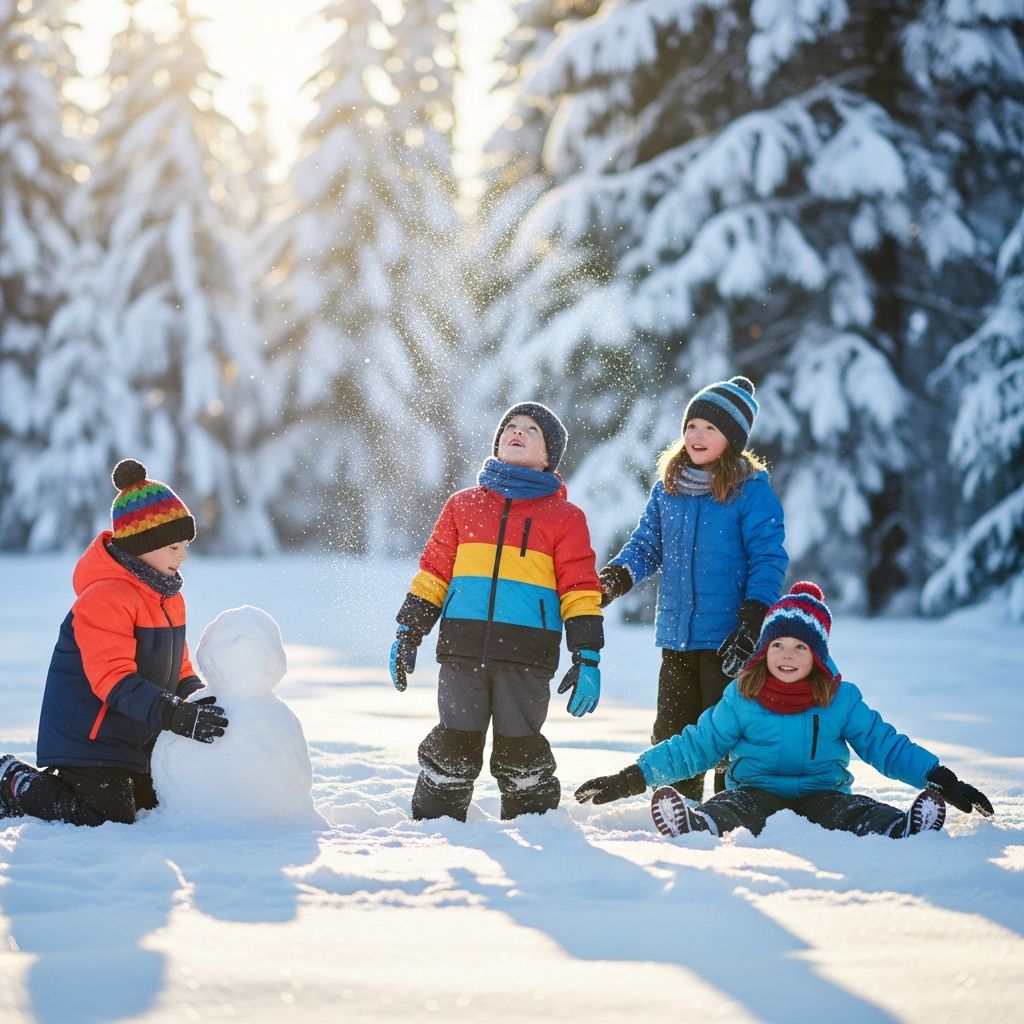
Winter transforms outdoor spaces into natural playgrounds filled with unique opportunities for children to explore, learn, and build lasting memories with family and friends. The cold season offers distinct advantages that other times of year cannot provide, from the pristine canvas of fresh snow to the quieter atmosphere of nature’s dormant phase. Rather than viewing winter as a barrier to outdoor play, families can leverage the season’s unique characteristics to create engaging experiences that promote physical activity, foster curiosity about the natural world, and strengthen family bonds. When children spend quality time outside during winter months, they develop resilience, confidence, and a deeper appreciation for seasonal changes.
Classic Snow-Based Activities That Captivate Children
Snow provides the perfect medium for imaginative play and physical activity. The most beloved winter activities remain timeless because they combine simplicity with endless creative possibilities.
Building Snow Structures and Fortifications
Constructing structures from snow engages children in hands-on problem-solving and cooperative play. Children can create simple structures by packing snow into molds or containers, then stacking the hardened pieces to form walls and shelters. This activity develops spatial reasoning skills while providing hours of outdoor entertainment. Kids can embellish their creations by adding natural elements like pinecones, branches, and ice chunks, or by drizzling food-colored water to create vibrant designs. The process of designing and building encourages planning, communication, and teamwork among siblings and friends.
Sledding and Snow Sliding Adventures
Sledding remains one of winter’s most thrilling activities, offering both excitement and physical exercise. Children experience the exhilaration of speed while building leg strength from trudging back up slopes. For families without traditional sleds, alternatives like cardboard boxes, plastic sheets, or even cushions can work effectively, especially on softer snow. Safety considerations include selecting gentle slopes for younger children, ensuring proper winter clothing, and supervising play consistently. The repeated climbs back up hills provide cardiovascular benefits, while the sliding experience itself boosts confidence and courage.
Creating Winter Sculptures and Art
Frozen water and ice offer materials for creative expression. Families can prepare colored ice blocks by freezing water with food coloring in various containers before heading outside. Children then arrange these blocks alongside natural snow and ice to construct temporary sculptures. This activity combines artistic expression with material experimentation, allowing children to understand how temperature affects water and materials. The temporary nature of ice sculptures teaches valuable lessons about impermanence while encouraging children to document their creations through photography.
Imaginative Play and Adventure Building
Designing Winter Mazes and Pathways
Large, open snowy areas provide canvas for children to design their own mazes. This activity combines creative planning with physical activity as children map out paths, determine entrance and exit points, and construct obstacles. They can invite peers to navigate their creations, turning the project into collaborative entertainment. The process encourages spatial thinking, planning skills, and adjustment based on feedback from friends testing the maze.
Tracking and Wildlife Detective Work
Fresh snow reveals the movements of local wildlife, transforming winter landscapes into natural record-keeping systems. Children develop observation and deduction skills by identifying animal tracks, estimating the age and direction of tracks, and hypothesizing about animal behavior. Families can photograph interesting tracks for later identification using field guides or online resources, turning the activity into a learning experience that extends beyond outdoor play. This exploration connects children to local ecosystems and builds awareness of wildlife habitats.
Creating Fictional Footprint Trails
Inspired by nature’s tracks, children can fashion oversized footprints from cardboard and attach them to their boots, then create fictional narratives around the trails they leave. This imaginative play combines physical activity with storytelling, as children invent stories about the creatures that supposedly created these unusual tracks. Neighbors and other family members often enjoy following the mysterious trails, adding an element of shared community play.
Winter Sports and Physical Activities
Ice Skating Experiences
Winter outdoor skating rinks provide accessible entry points for children to develop balance and coordination skills. Most facilities offer rental equipment sized for young skaters, along with safety aids like buckets or rails. Parents should consider protective gear including bike helmets and thick gloves to minimize injury risks. Even toddlers as young as two can experience ice skating with proper support, making this activity accessible across age ranges. The skill development from skating builds confidence and provides excellent cardiovascular exercise.
Winter Hiking and Snowshoeing
Maintaining hiking routines during winter months introduces children to seasonal changes in natural environments. Snowshoes distribute body weight more evenly, allowing younger children and heavier individuals to traverse deeper snowpack more easily. Winter hiking reveals different aspects of ecosystems, from exposed bark patterns and evergreen beauty to animal behavior changes. The quieter atmosphere of snowy landscapes creates peaceful exploration opportunities, and the challenge of hiking through snow builds physical resilience.
Neighborhood Winter Sports
Street hockey and other ground-level winter sports require minimal equipment while providing excellent exercise and social opportunities. Simple games can use makeshift goals and equipment found around home, making these activities accessible regardless of family budget. Snow-free driveways and cul-de-sacs become sports venues during winter months, keeping children active and engaged with neighborhood peers.
Nature Exploration and Discovery Activities
Winter Scavenger Hunts
Creating themed winter scavenger hunts encourages children to observe natural details they might otherwise overlook. Hunt items might include evergreen samples, interesting bark pieces, winter berries, seedpods, and acorns. Children can collect items in designated containers and compare findings, learning about winter plant survival strategies. This activity teaches observation skills while building knowledge of local flora and seasonal changes.
Geocaching in Winter Conditions
Geocaching transforms outdoor exploration into treasure hunting adventures, motivating children to explore new areas while developing navigation skills. Using GPS technology on smartphones, families locate hidden caches and trade small trinkets, creating outdoor adventures with purpose and excitement. When snow doesn’t completely cover terrain, geocaching remains an excellent winter activity that combines technology with outdoor exploration.
Bird Feeding and Observation
Creating bird feeders from natural materials engages children in crafting while supporting local wildlife during resource-scarce winter months. Pine cones coated with peanut butter and bird seed provide satisfying sensory experiences during creation. Observing visiting birds through windows develops identification skills and teaches children about species that remain active during winter. Families can use bird identification guides to classify visitors, building knowledge about local avian populations.
Outdoor Winter Crafts and Art Projects
Nature-Based Artistic Expression
Winter landscapes provide materials for outdoor art projects. Children can create temporary mandalas using natural items, construct ice installations, or arrange found materials into patterns and designs. These ephemeral art projects teach acceptance of impermanence while encouraging creative expression.
Winter Science Experiments
Cold temperatures enable experiments impossible during warmer months. Freezing water in various containers creates shapes for exploration. Observing snowflakes under magnification reveals geometric patterns. Investigating how ice forms and melts teaches scientific principles through direct observation and experimentation.
Community and Social Winter Activities
Participating in Winter Community Events
Many communities organize winter festivals, tree-lighting ceremonies, holiday parades, and racing events during cold months. These gatherings provide social opportunities while creating festive family memories. Participation strengthens community connections and exposes children to organized winter celebrations.
Group Winter Adventures
Coordinating outdoor winter play with neighborhood children multiplies enjoyment through shared experiences. Group sledding sessions, maze competitions, and fort building projects develop social skills while increasing activity levels. Friendly competitions and collaborative building projects strengthen peer relationships.
Safety and Preparation Guidelines
Successful winter outdoor play depends on proper preparation and safety awareness:
- Appropriate Clothing: Layered clothing allows temperature regulation during active play. Waterproof outer layers protect against snow and moisture while allowing freedom of movement.
- Protective Equipment: Helmets, gloves, and pads protect vulnerable areas during skating, sledding, and vigorous play.
- Hydration and Breaks: Children become dehydrated in winter despite cold temperatures and may not recognize hunger or exhaustion as readily. Regular breaks and warm beverages prevent complications.
- Supervision: Adult oversight ensures children stay within safe boundaries and address injuries promptly.
- Sun Protection: Snow’s reflective properties intensify sun exposure, requiring sunscreen and eye protection during bright winter days.
- Location Selection: Sledding hills should offer gentle slopes, clear run-outs, and unobstructed paths. Play areas should be visible and traffic-free.
Benefits of Winter Outdoor Activities for Child Development
Consistent outdoor play during winter months supports multiple aspects of childhood development. Physical activity builds cardiovascular fitness, strengthens muscles, and improves coordination. Exposure to natural elements and seasonal changes deepens environmental awareness. Problem-solving through play develops critical thinking skills. Social interaction with peers and family strengthens relationship bonds. Overcoming winter challenges builds resilience and confidence. Regular outdoor time improves sleep quality and mood regulation during winter months when darkness increases and activity levels naturally decrease.
Frequently Asked Questions About Winter Outdoor Activities
Q: What age groups can participate in winter outdoor activities?
A: Winter activities accommodate various ages from toddlers to teenagers. Sledding can begin around age two with supervision, ice skating works for similar ages with support, and nature exploration adapts to developmental levels. Parents should match activity intensity and duration to children’s abilities and attention spans.
Q: How can I keep children warm during extended outdoor play?
A: Layering clothing with moisture-wicking base layers, insulating middle layers, and waterproof outer shells maintains warmth. Hand warmers in gloves, warm beverages in thermoses, and regular breaks indoors help maintain core temperature. Frequent movement and activity also generates body heat.
Q: Are there winter activities suitable for areas with minimal snow?
A: Yes, winter offers many snow-free activities including winter hiking, geocaching, bird feeding, nature scavenging, fort building with branches, and community event participation. These activities provide outdoor engagement regardless of snowfall.
Q: How can I encourage reluctant children to play outdoors in winter?
A: Allowing children to choose activities, building anticipation through planning and discussion, providing engaging supplies and equipment, and participating alongside them increases enthusiasm. Shorter initial sessions with promised indoor warmup time also help build confidence.
Q: What equipment do I need to begin winter outdoor activities?
A: Many activities require minimal equipment. Sleds are helpful but optional. Winter clothing, boots, and gloves are essential. Shovels, buckets, and containers support building activities. Binoculars and field guides enhance nature exploration. Many families find they don’t need specialized or expensive equipment.
References
- 100+ Outdoor Winter Activities for Kids — Run Wild My Child. Accessed 2026-01-17. https://runwildmychild.com/outdoor-winter-activities-for-kids/
- Winter Outdoor Activities for Kids — Appalachian Mountain Club (AMC). Accessed 2026-01-17. https://www.outdoors.org/resources/amc-outdoors/outdoor-resources/winter-outdoor-activities-for-kids/
- 20 Surprising Outdoor Winter Activities – No Snow Required — Our Days Outside. Accessed 2026-01-17. https://ourdaysoutside.com/20-surprising-outdoor-winter-activities/
- 50 Fun Snow Day Activities for Kids — BrightPath Kids. Accessed 2026-01-17. https://brightpathkids.com/family-blog/fun-snow-day-activities-for-kids
- Outdoor Winter Activities for Kids & Families: A BOB Gear Guide — BOB Gear. Updated 2024-11-19. https://www.bobgear.com/adventure-guides-and-product-usage-tips/2024/11/19/outdoor-winter-activities-for-kids-and-families