Making the Most of Winter: A Comprehensive Home Refresh Strategy
Winter presents a unique opportunity to evaluate and rejuvenate your living environment. As outdoor activities become limited and temperatures drop, spending increased time indoors naturally encourages reflection about your home’s functionality and aesthetics. Rather than viewing the colder months as a stagnant period, consider them a purposeful season for meaningful home improvements and intentional design choices.
The quiet rhythm of winter creates an ideal backdrop for systematic home projects. Whether you’re addressing longstanding frustrations with your space or simply seeking to enhance comfort during the darker months, implementing a structured refresh approach can yield significant results. This comprehensive guide outlines proven strategies for transforming your home during winter while maintaining focus and avoiding overwhelming yourself with simultaneous projects.
Foundation Building: The Deep Clean Initiative
Establishing a solid foundation begins with thorough cleaning. Unlike routine maintenance tidying, a genuine deep clean involves moving beyond surface-level dust removal to address often-neglected areas throughout your home. This comprehensive approach reveals the true condition of your space and creates a blank slate for subsequent improvements.
A methodical deep cleaning process should include several key areas:
- Washing interior walls and trim work to remove accumulated dust and grime
- Cleaning light fixtures, ceiling fans, and other overhead elements
- Wiping down doors, door frames, and all handles and hardware
- Vacuuming beneath and behind furniture pieces
- Shampooing carpets or deep cleaning rugs with specialized equipment
- Cleaning baseboards and corners where debris accumulates
- Degreasing kitchen cabinets and range hoods
- Sanitizing bathroom fixtures and grout lines
This intensive cleaning creates an immediate psychological shift. A thoroughly cleaned home feels lighter and more spacious, regardless of its actual dimensions. The clarity that emerges after deep cleaning serves as motivation for continued improvement efforts and establishes the perfect canvas for implementing additional refresh strategies.
Strategic Decluttering: Removing What No Longer Serves
Winter’s indoor focus naturally facilitates objective evaluation of possessions. Rather than accumulating new decorative items to mask dissatisfaction, this season encourages honest assessment of what currently occupies your space. Decluttering addresses the root cause of cluttered interiors: items that no longer align with your lifestyle, aesthetic preferences, or functional needs.
Effective decluttering operates best when approached systematically rather than haphazardly. Begin with manageable zones rather than attempting entire-home purging simultaneously. Focus on specific categories or rooms, allowing you to maintain momentum and see tangible results quickly.
Consider these strategic questions when evaluating items for retention:
- Does this object contribute to daily functionality or bring genuine joy?
- Have I used this item within the past year?
- Does this piece align with my current lifestyle and design preferences?
- Am I keeping this out of obligation or guilt rather than authentic value?
- Is this item in good condition or would it require repair?
- Does this object support the atmosphere I want to create?
The decluttering process often reveals that spaces feel cramped or uncomfortable not because they lack items, but because they contain too many. Removing unnecessary possessions creates visual breathing room and allows remaining items to receive proper attention and display.
Intentional Planning: Creating a Project Roadmap
Before beginning random improvement projects, pause to evaluate your home systematically. This planning phase transforms reactive decorating into intentional design strategy. Walk through each room with a notebook, documenting observations about what functions well and what generates frustration.
Develop a comprehensive project inventory by documenting:
- Elements that work effectively and deserve recognition
- Spaces that feel unfinished or incomplete
- Recurring frustrations affecting daily comfort or function
- Small cosmetic changes with significant visual impact potential
- Layout or arrangement issues limiting usability
- Lighting deficiencies affecting mood or tasks
- Worn finishes or outdated elements requiring attention
This documentation process serves multiple purposes. It prevents impulse decisions by establishing clear priorities, shifts your mindset toward intentional improvement rather than reactive decorating, and creates a realistic timeline for implementation. Winter’s slower pace provides perfect conditions for thorough planning without pressure for immediate execution. Projects can be staged throughout the season or extended into spring, allowing for thoughtful implementation rather than rushed completion.
Spatial Transformation: Furniture Rearrangement Techniques
One of the most underutilized and cost-effective refresh strategies involves reconsidering furniture placement. Rooms frequently feel stale or awkward not due to inferior furnishings but because layout doesn’t optimize the space’s potential. Rearrangement costs nothing while delivering dramatic visual and functional improvements.
Strategic repositioning approaches include:
- Angling seating pieces toward one another to encourage conversation and connection
- Drawing furniture slightly away from walls to create visual depth and interest
- Rotating rugs between rooms for fresh color combinations and wear distribution
- Relocating accent tables, lamps, or decorative stands to previously unused corners
- Repositioning entertainment components or workspaces for improved functionality
- Creating distinct zones within open-concept spaces through strategic arrangement
The psychological impact of rearrangement extends beyond visual freshness. New configurations can improve natural light distribution, enhance traffic flow through rooms, and create unexpected discoveries in familiar spaces. What seemed like a static room suddenly feels new and engaging, offering the satisfaction of transformation without financial investment or construction complications.
Color Refresh: The Transformative Power of Paint
For those seeking more substantial visual impact, paint represents an exceptionally powerful and accessible transformation tool. Interior painting projects tackle multiple objectives simultaneously: updating dated aesthetics, brightening darker spaces, adding intentional color accents, and modernizing visual appeal. Winter proves ideal for paint projects since external weather conditions don’t affect indoor work, and time constraints diminish due to reduced outdoor activity temptations.
Paint application strategies offer varying commitment levels:
- Refreshing existing white trim and architectural details with updated finishes
- Introducing accent walls featuring bolder color choices without overwhelming spaces
- Creating cohesion throughout open-concept homes with carefully selected color palettes
- Painting hallways and transitional spaces that anchor overall design flow
- Updating bedroom walls to reflect evolved personal style preferences
- Brightening dated kitchen or bathroom spaces with contemporary color selections
Beyond aesthetic considerations, paint offers functional benefits during winter months. Strategic color choices can brighten darker winter days, introduce warmth that counters seasonal cold, and psychologically elevate mood during months with reduced natural light exposure. A single gallon of paint transforms spaces more dramatically than most other home improvement investments, making it an excellent choice for those seeking significant visual impact within reasonable budgets.
Seasonal Comfort: Textural Layering and Warmth
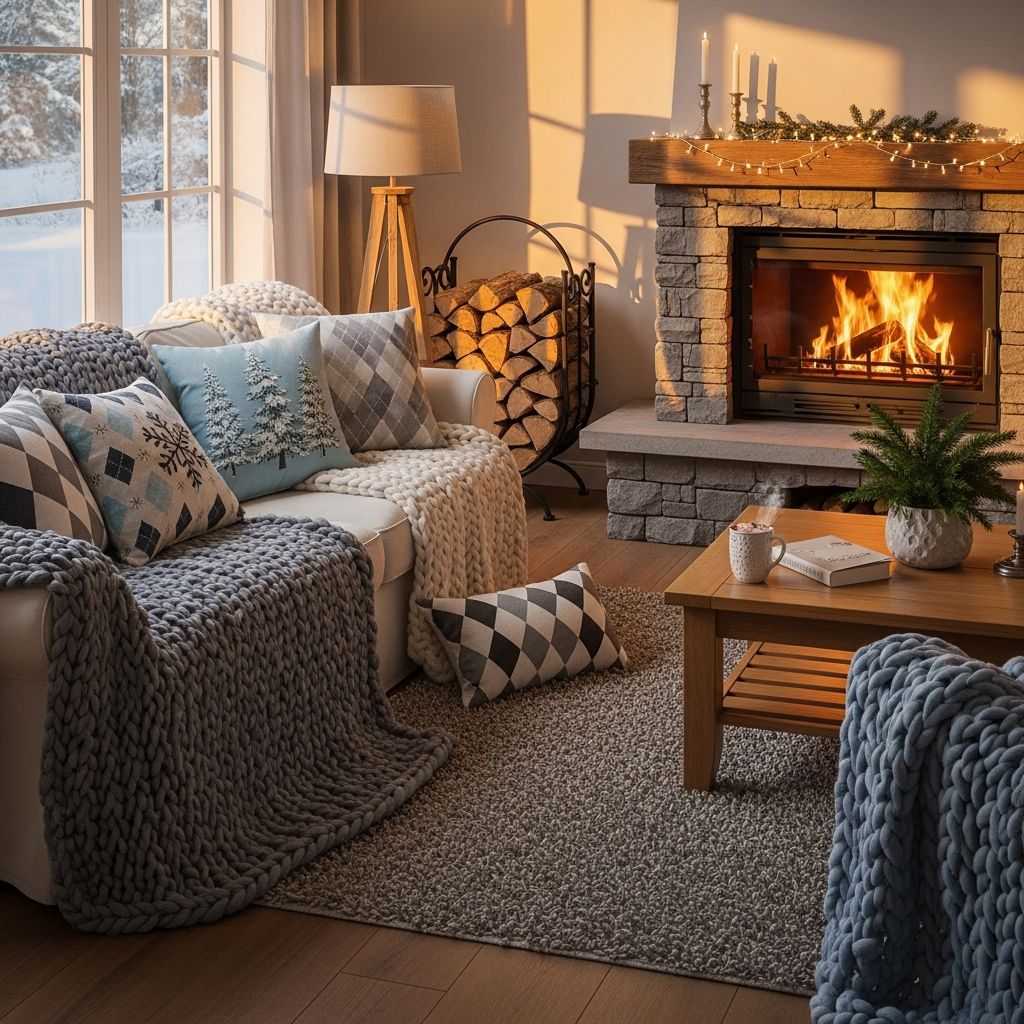
Winter creates natural opportunities for introducing cozy textural elements that enhance both visual appeal and physical comfort. Layered textiles create depth and visual interest while providing genuine warmth during colder months. Strategic textile additions transform cold, austere spaces into inviting retreats that encourage extended time indoors.
Textural elements worth incorporating include:
- Oversized throw blankets in chunky knits or soft faux fur for seating areas
- Layered pillows combining varying fabric weights and textures
- Area rugs in natural fibers or plush materials defining spaces while adding comfort
- Window treatments in heavier fabrics providing insulation and visual warmth
- Upholstered pieces in tactile fabrics enhancing seating comfort
- Woven baskets for storage that introduce organic textural interest
Color palette choices during winter typically lean toward deeper, richer tones that feel grounding and warming. Deep greens, warm neutrals, classic whites, and charcoal accents create sophisticated atmospheres supporting relaxation and comfort. These color choices complement winter’s inherent aesthetic while providing visual richness that counters seasonal darkness.
Illumination Strategy: Lighting as Ambiance
Winter’s reduced daylight hours necessitate intentional lighting design. Harsh overhead fixtures create uncomfortable, institutional atmospheres counterproductive to comfort goals. Sophisticated lighting approaches combine multiple sources creating layered illumination supporting various activities and moods.
Effective winter lighting strategies incorporate:
- Warm-toned bulbs that provide flattering, comforting illumination
- Dimmer switches enabling ambiance adjustment for different occasions
- Task lighting supporting specific activities like reading or working
- Accent lighting highlighting architectural features or artwork
- Seasonal string lights creating festive or peaceful atmospheres
- Candles providing both illumination and aromatic elements
- Table lamps and floor lamps creating intimate pools of light
Homes with warm, thoughtfully layered lighting convey invitation and comfort, encouraging lingering and relaxation. Strategic illumination counteracts winter’s psychological challenges while creating visually sophisticated environments that feel intentionally designed rather than randomly assembled.
Natural Elements: Bringing Vitality Indoors
Winter’s outdoor barrenness makes indoor greenery particularly valuable. Fresh plants introduce color, improve air quality, and provide psychological benefits associated with nature connection. Hardy, low-maintenance varieties thrive indoors during winter while requiring minimal specialized care.
Winter-appropriate plant selections include:
- Pothos offering cascading growth and forgiving care requirements
- Snake plants providing architectural interest with minimal water needs
- Peace lilies indicating watering needs through leaf drooping
- Philodendrons offering varied growth patterns and easy propagation
- ZZ plants thriving in low-light conditions
- Succulents providing sculptural interest with minimal maintenance
Beyond potted plants, bringing natural elements indoors through branches, dried florals, or seasonal greenery arrangements adds organic visual interest. These natural accents ground spaces, introduce texture variation, and create connection to seasonal cycles even during months when outdoor nature appears dormant.
Creating Functional Retreats: Designated Relaxation Spaces
Winter’s extended indoor time makes dedicated relaxation spaces increasingly valuable. Rather than spreading activities throughout homes, designating specific zones for specific purposes enhances functional efficiency and psychological benefits. These retreat spaces provide purposeful environments supporting chosen activities and mental states.
Consider developing specialized spaces serving distinct functions:
- Reading nooks combining comfortable seating, warm throws, and soft lighting
- Meditation or yoga spaces featuring calming elements and uncluttered aesthetics
- Home office zones optimizing productivity and focus during remote work
- Entertainment areas supporting family connection and shared activities
- Hobby spaces organizing crafting, artistic pursuits, or special interests
Intentional space designation encourages use and creates psychological benefits beyond physical comfort. Dedicated areas signal priority commitment to specific activities while reducing mental friction associated with determining where to engage in chosen pursuits. These spaces become anchors within homes, providing consistent refuges supporting wellbeing during winter months.
Progression Strategy: From Winter to Spring Transition
Winter refresh strategies benefit from considering seasonal transitions. Rather than treating spring as requiring complete redecoration, thoughtful winter choices incorporate foundational pieces supporting seamless progression. Selecting timeless elements in neutral palettes creates flexibility for seasonal adaptations without requiring wholesale replacement.
Transition-friendly pieces worth investing in include:
- Neutral-toned side tables working across seasonal aesthetics
- Vintage-style wood benches offering collected, timeless appeal
- Versatile lanterns functioning across seasons
- Natural fiber rugs maintaining relevance year-round
- Adjustable throw pillows and blankets enabling seasonal swapping
Strategic purchasing during winter establishes foundational collections supporting year-round functionality. By selecting versatile pieces rather than season-specific items, you minimize future replacement needs while maximizing value from each investment. This approach reduces consumption while supporting intentional, sustainable home design practices.
Frequently Asked Questions
Q: How long does a typical winter home refresh take to complete?
A: Timeline varies depending on project scope. Deep cleaning a multi-room home typically requires one to three days. Decluttering progresses faster with focused room-by-room approaches, taking several weeks if distributed across available time. Furniture rearrangement completes in hours, while painting or structural projects extend to days or weeks depending on scale. Most people phase projects throughout winter rather than attempting simultaneous completion.
Q: What’s the best starting point for home refresh planning?
A: Begin with deep cleaning to establish a fresh foundation, then proceed to decluttering to clarify your actual preferences. Next, develop your project list through systematic room evaluation. This sequence builds momentum while preventing overwhelm, allowing you to see progress encouraging continued effort.
Q: Can winter refresh projects work within limited budgets?
A: Absolutely. Many powerful refresh strategies cost nothing: deep cleaning, decluttering, furniture rearrangement, and intentional styling require only effort and time. Paint represents an affordable option for significant visual impact. Textile additions and lighting adjustments offer budget-friendly ways to enhance comfort without major expenses.
Q: Which winter refresh strategies provide immediate visual results?
A: Furniture rearrangement, textile additions, and lighting adjustments deliver instant transformation. Decluttering produces immediate visual impact by reducing visual clutter. Paint projects show results upon completion. Deep cleaning provides noticeable freshness that builds momentum for additional projects.
References
- 5 Simple Ways to Refresh Your Home During the Quiet Season — Rooms for Rent Blog. 2026-02-15. https://roomsforrentblog.com/2026/02/winter-home-reset-5-simple-ways-to-refresh-your-home-during-the-quiet-season/
- Winter Blues? 5 Easy Ways to Refresh Your Home Without Leaving It — Capital Homes. 2026. https://capitalhomes.com/blog/winter-blues-5-easy-ways-to-refresh-your-home-without-leaving-it/
- Winter to Spring Home Refresh Ideas That Feel Effortless — My Sweet Savannah. 2026. https://mysweetsavannah.com/winter-to-spring-home-refresh-ideas-that-feel-effortless/
- 8 Must-Haves for a Cozy Winter Home Refresh — TheFinish.co. 2026. https://thefinish.co/blogs/blogs/8-must-haves-for-a-cozy-winter-home-refresh
- Ideas to Refresh Your Cozy Winter Home — Most Lovely Things. 2026. https://mostlovelythings.com/ideas-to-refresh-your-cozy-winter-home/
- Reset and Refresh: Simple Ways to Prepare Your Home for the New Year — Rockies West. 2026. https://rockieswest.com/home-improvement/reset-and-refresh-simple-ways-to-prepare-your-home-for-the-new-year/