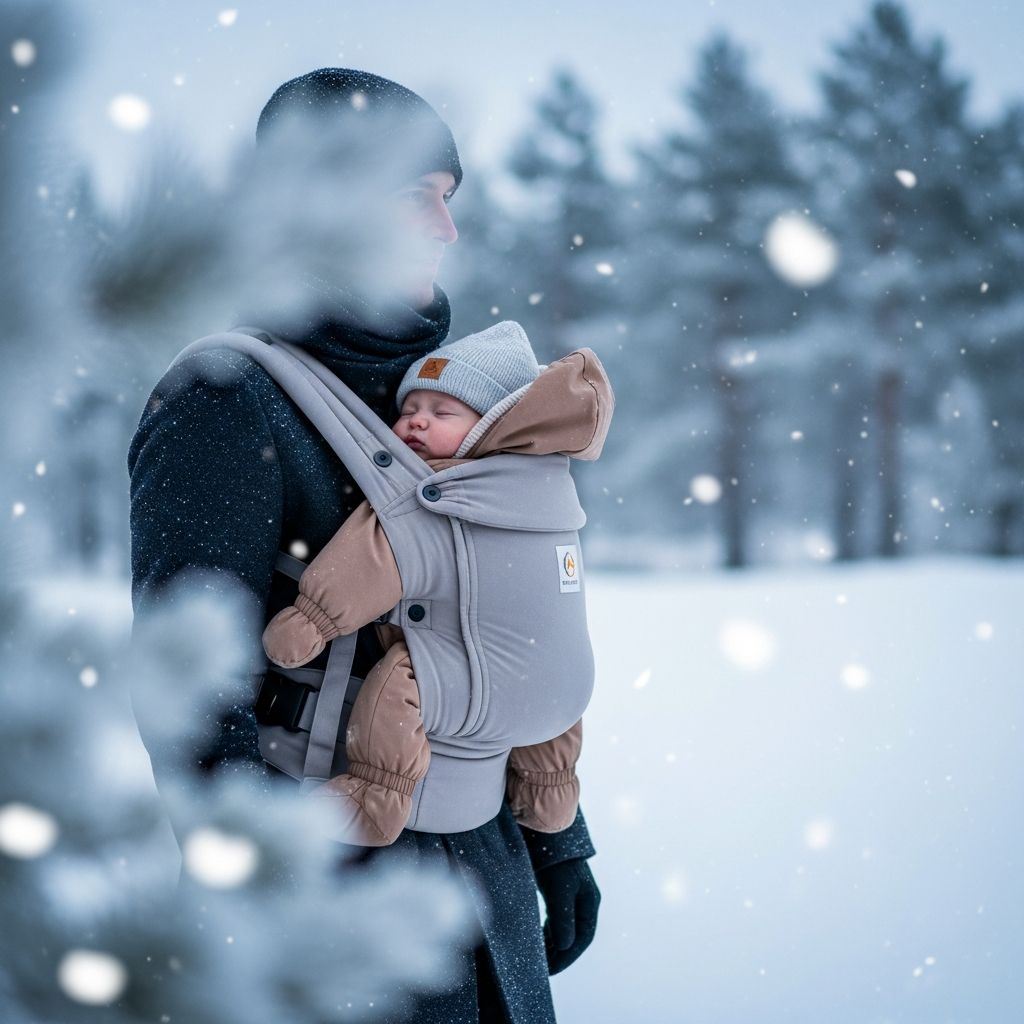
Babywearing offers unparalleled freedom during chilly months, allowing parents to navigate snow, wind, and frost while keeping infants close. Proper preparation transforms potential discomfort into joyful outings, blending safety, warmth, and practicality. This guide explores foundational strategies drawn from expert recommendations to ensure both parent and baby thrive in cold conditions.
Layering Fundamentals for Baby and Parent
The cornerstone of effective winter babywearing lies in strategic layering. Babies generate heat from parental body warmth and the carrier itself acts as an insulating layer, so overdressing risks overheating. Opt for thin, breathable fabrics that trap warmth without bulk.
- Base layer: Moisture-wicking materials like cotton or merino wool against the skin prevent sweat buildup.
- Mid layer: Fleece or lightweight wool for insulation, easy to adjust indoors or out.
- Outer layer: Wind-resistant but flexible options that accommodate the carrier’s fit.
For parents, mirror this approach but prioritize mobility. Bulky items around the waist can interfere with carrier straps, so choose fitted bottoms and extendable tops. Thermal leggings paired with a long tunic provide coverage without restriction.
Protecting Vulnerable Areas: Head, Hands, and Feet
Infants lose heat rapidly from extremities, making head, hand, and foot protection non-negotiable. Balaclavas emerge as a top choice, encasing the head and neck while resisting removal by wriggly fingers.
| Area | Recommended Gear | Benefits |
|---|---|---|
| Head/Neck | Balaclava or neck gaiter | Full coverage, stays in place, breathable wool options |
| Hands | Convertible mittens | Allow finger movement, convert to gloves for dexterity |
| Feet/Legs | Thermal socks, legwarmers, wool tights | Prevent frostbite, easy to layer over base outfits |
Legwarmers double as arm warmers for versatile use, while wool tights regulate temperature even during active play. Regularly check feet for warmth as an early cold indicator.
Optimal Carrier Positions for Cold Weather
Positioning influences warmth distribution and safety. Front-facing inward (chest-to-chest) maximizes shared body heat and shields the face from elements. This setup suits newborns through toddlers, ensuring constant visual monitoring.
- Newborns (under 3 months): Always under outerwear for secure head support and tight wrapping.
- Older babies: Front or back carry, with added covers for exposure.
- Multilayer carries: Use thicker wraps for inherent insulation on milder days.
Avoid outward-facing positions in harsh winds, as they expose airways. For back carries, employ additional wraps or panels for wind block.
Outerwear Innovations for Shared Warmth
Traditional coats pose challenges, but adaptations make them babywearing-friendly. Wear the carrier beneath an oversized jacket, zipping over both for a snug cocoon. Dedicated babywearing coats feature expandable panels, eliminating the need for multiple layers.
Alternatives include:
- Babywearing ponchos: Drape effortlessly over carriers, blocking wind and precipitation.
- Fleece sweatshirts: Soft, front-or-back compatible for transitional weather.
- Snow covers: Carrier attachments repelling moisture during flurries.
For non-specialty coats, select roomy fits allowing arm freedom and strap access. Avoid snowsuits, as compression diminishes their insulating power inside carriers.
Safety Protocols You Can’t Ignore
Safety underpins every winter outing. Key rules prevent common hazards:
- Keep baby’s face visible and uncovered at all times for airway clearance.
- Gently position sleeping heads with chin off chest.
- Ensure tight carrier fit beneath outer layers to avoid slippage.
- Monitor for overheating via neck warmth checks.
- Steer clear of icy paths; opt for grippy footwear.
These guidelines, endorsed across carriers like Ergobaby, prioritize ventilation and visibility.
Footwear and Mobility Considerations
Slip-on shoes facilitate quick carrier adjustments, essential when babies shift positions. Waterproof boots with strong treads ensure stability on slick surfaces, protecting both parent and child from falls.
Pair with non-bulky pants—leggings or slim joggers—that cinch easily at the waist, maintaining carrier tension without bunching.
Advanced Tips for Extreme Conditions
In sub-zero temps, elevate layering with merino wool bases, which wick moisture superiorly. Multilayer wraps add density without sacrificing airflow. For snowy treks, shoe covers shield against slush when babies alternate between carrying and walking.
Parental prep extends to hydration—cold air dries out quickly—and skin protection with balms. Plan routes avoiding prolonged exposure, using carriers to extend safe outdoor time.
Frequently Asked Questions
Can I use a regular coat for babywearing in winter?
Yes, oversized regular coats work if worn over the carrier, providing shared warmth without restricting movement. Babywearing-specific designs offer optimal fit.
How do I prevent my baby from overheating?
Dress in layers removable as needed, check neck temperature frequently, and remember the carrier plus body heat equals one extra layer.
What if it’s snowing heavily?
Attach snow covers to the carrier and use ponchos for protection. Front inward positions minimize exposure.
Are wool items safe for sensitive skin?
Merino wool is hypoallergenic and temperature-regulating, ideal for babywearing without irritation.
What’s the best carrier for winter?
Thicker wraps or structured carriers with panels; test for fit under outerwear.
Embracing Winter Adventures
With these strategies, winter babywearing becomes a delight, fostering bonding amid frosty landscapes. Experiment to find your family’s perfect setup, always prioritizing safety checks before heading out.
References
- Winter Wearing – How to Use Your Baby Carrier in Winter — Chekoh. Accessed 2026. https://www.chekoh.com/blogs/news/winter-wearing-how-to-use-your-baby-carrier-in-winter
- Babywearing in winter: Tips for warm, safe walks — Storchenwiege. Accessed 2026. https://www.storchenwiege.de/en/blogs/storchenwiege-blog/babytragen-im-winter-tipps-fur-warme-sichere-spaziergange
- Babywearing in winter – tips! — Lenny Lamb. Accessed 2026. https://en.lennylamb.com/blog/babywearing_in_winter
- Winter babywearing tips — Wrap You In Love. Accessed 2026. https://wrapyouinlove.com/winter-babywearing-tips/
- 6 Babywearing Style Tips for Winter — Motherly. Accessed 2026. https://www.mother.ly/life/6-babywearing-style-tips-winter/
- Babywearing Tips | Winter Wearing — Ergobaby. Accessed 2026. https://ergobaby.com/blog/post/babywearing-tips-winter-wearing