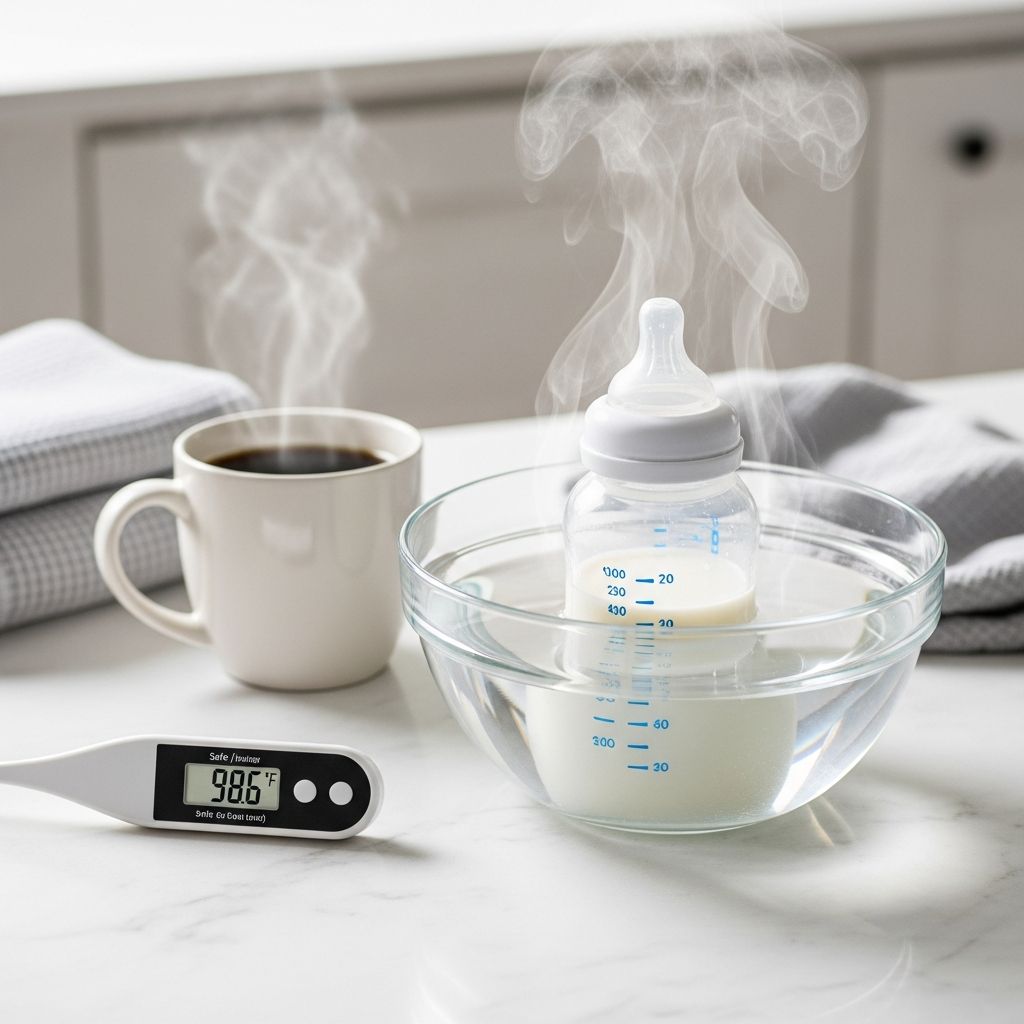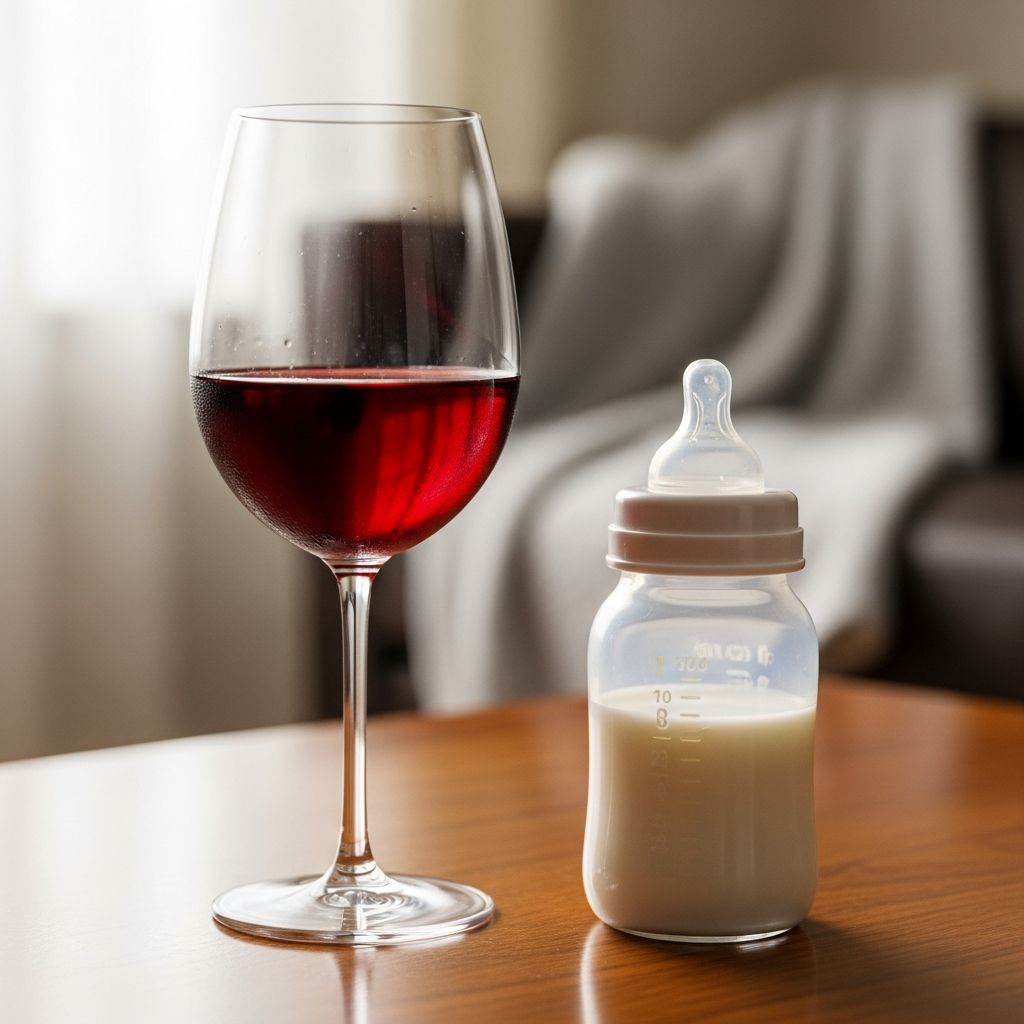
Many new mothers wonder if they can enjoy a glass of wine while providing breast milk to their infants. Research shows that occasional, moderate alcohol consumption, such as one standard drink, poses minimal risk if timed properly, but regular or heavy intake can impact milk production and infant well-being.
How Alcohol from Wine Enters Breast Milk
Alcohol passes into breast milk directly from the mother’s bloodstream, mirroring blood alcohol concentration (BAC) levels. Peak levels in milk occur 30-60 minutes after consumption, declining as the body metabolizes the alcohol. For instance, after one standard drink (about 5 ounces of wine), milk alcohol concentration is roughly 0.05%, comparable to trace amounts in some ripe fruits, though infants’ immature livers process it slower than adults.
Food intake delays peak milk alcohol levels, and nursing or pumping before drinking slightly reduces subsequent transfer. Breast milk alcohol dissipates at the same rate as blood levels, typically negligible after 2-3 hours per drink.
Effects of Alcohol on Milk Production and Letdown
Alcohol inhibits oxytocin, the hormone triggering milk ejection (letdown), potentially delaying release and reducing supply with doses of two or more drinks. Studies show intravenous alcohol doses extend letdown time from 29 to 331 seconds in postpartum women. Chronic heavy use (over 2 drinks daily) correlates with shorter breastfeeding duration, as seen in a survey of 587 Australian mothers where such consumption doubled early weaning risk by 6 months.
- Oxytocin suppression: Even moderate amounts can hinder milk flow if milk remains in breasts.
- Prolactin variability: Responses differ; family history of alcoholism may blunt prolactin rise, prompting more frequent nursing.
- Supply impact: Excessive intake over time reduces overall production, leading to engorgement if feedings are skipped.
Potential Impacts on Breastfed Infants
Infants exposed to alcohol via milk may experience reduced intake (20-23% less after 1-2 drinks), agitation, and disrupted sleep. Babies nurse more frequently yet consume less in 3-4 hours post-exposure, with compensatory increases later. Long-term heavy maternal drinking risks developmental delays, growth issues, and altered sleep patterns due to poor alcohol metabolism.
| Alcohol Exposure Level | Infant Effects | Duration |
|---|---|---|
| 1 Standard Drink | Minimal; possible mild sleep disruption | 2-3 hours |
| 2+ Drinks | Reduced intake, agitation, poor sleep | 4+ hours |
| Daily Heavy Use | Growth/developmental concerns, shorter breastfeeding | Ongoing |
This table summarizes key findings from clinical studies, emphasizing dose-dependent risks.
Safe Timing for Breastfeeding After Wine
Wait at least 2 hours per standard drink before nursing to ensure low milk alcohol levels. For one 5-ounce glass of wine (12% ABV), breastfeeding is generally safe after 2-2.5 hours. The CDC advises delaying pumping or feeding accordingly, using pre-pumped milk if needed.
- One drink: Resume after 2+ hours.
- Two drinks: Wait 4+ hours; monitor closely.
- Multiple drinks: Use formula or donor milk temporarily.
Non-alcoholic wine (under 0.5% ABV) shows undetectable milk levels after 1 liter, posing no risk.
Pump and Dump Myth Debunked
Pumping and discarding milk post-drinking does not accelerate alcohol clearance, as levels drop naturally with time. It helps prevent engorgement and maintains supply but wastes milk unnecessarily if timing allows waiting. Mayo Clinic confirms: pump only for comfort, not detoxification.
Strategies for Nursing Mothers Who Enjoy Wine
Occasional wine fits breastfeeding with planning. Stock frozen milk from sober days, drink after morning feeds, or during baby’s longest sleep stretch. Hydrate well, eat before sipping, and limit to one drink 2-3 times weekly.
- Plan ahead: Pump extra milk beforehand.
- Time intake: Post-feed, pre-long nap.
- Choose low-ABV options or mocktails.
- Monitor baby: Watch for fussiness or sleep changes.
- Seek support: Partner handles night duties.
Heavy drinkers should consult healthcare providers; abstinence is safest during exclusive breastfeeding.
Comparing Alcohol Types: Wine vs. Beer vs. Spirits
| Beverage | Standard Serving | Alcohol Content | Wait Time to Nurse |
|---|---|---|---|
| Wine | 5 oz | 12-14% | 2-3 hours |
| Beer | 12 oz | 5% | 2-3 hours |
| Spirits | 1.5 oz | 40% | 2-3 hours |
All standard drinks equate similarly in BAC impact; effects depend on maternal weight, metabolism, and food.
Special Considerations for New Mothers
Postpartum hormones and fatigue amplify alcohol effects. Early weeks (first 2-8 days) show heightened oxytocin sensitivity. Mothers with alcoholism family history may face prolactin challenges. Premature or low-birthweight infants process alcohol slower, warranting extra caution.
Frequently Asked Questions
Is one glass of wine a day safe while breastfeeding?
Up to one standard drink daily, if 2+ hours before nursing, is low-risk per Mayo Clinic, but total abstinence minimizes any concerns.
Does wine increase milk supply?
No; folklore about beer or wine boosting supply is debunked—alcohol inhibits letdown and production.
How long does alcohol stay in breast milk?
About 2-3 hours per drink, paralleling BAC decline; test sobriety before feeding.
Can I drink non-alcoholic wine?
Yes, studies detect negligible levels post-consumption, safe immediately.
What if I drank more than planned?
Wait until sober (2 hours/drink), pump for comfort, use stored milk or formula.
Expert Consensus and Long-Term Advice
Organizations like CDC and La Leche League agree: occasional moderate drinking is unlikely to harm if managed, but prioritize milk supply and infant cues. Track intake via apps, consult lactation experts for personalized plans. Prioritizing sobriety supports optimal breastfeeding success.
References
- Alcohol – Drugs and Lactation Database (LactMed®) — NCBI Bookshelf. 2023-10-01. https://www.ncbi.nlm.nih.gov/books/NBK501469/
- Breastfeeding and Alcohol: Facts and Fiction — Maine Pediatrics. 2024-05-15. https://www.mainepeds.com/blogs/breastfeeding-and-alcohol-facts-and-fiction
- Breastfeeding and alcohol: Is it OK to drink? — Mayo Clinic. 2025-08-20. https://www.mayoclinic.org/healthy-lifestyle/infant-and-toddler-health/expert-answers/breast-feeding-and-alcohol/faq-20057985
- Alcohol and breastfeeding: What are the risks? — Contemporary OB/GYN. 2024-02-12. https://www.contemporaryobgyn.net/view/alcohol-and-breastfeeding-what-are-the-risks-
- Alcohol | Breastfeeding special circumstances — CDC. 2025-01-10. https://www.cdc.gov/breastfeeding-special-circumstances/hcp/vaccine-medication-drugs/alcohol.html
- Breastfeeding and Alcohol Use — UMass Memorial Health. 2024-11-05. https://www.ummhealth.org/health-library/breastfeeding-and-alcohol-use
- Alcohol and breastfeeding — La Leche League GB. 2025-03-18. https://laleche.org.uk/alcohol-and-breastfeeding/