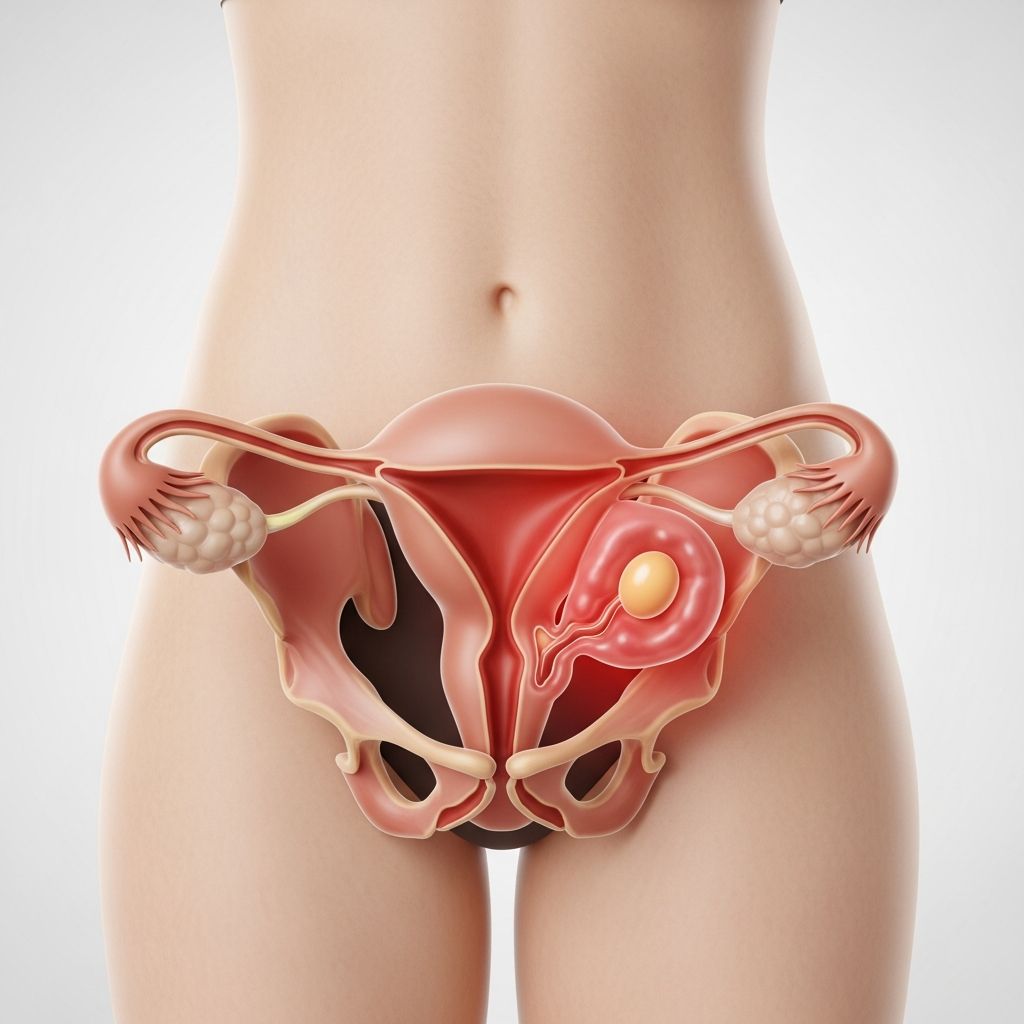
Embarking on the journey to parenthood often brings excitement mixed with anticipation. When month after month passes without a positive pregnancy test, it’s natural to feel a swirl of emotions—from disappointment to determination. The good news is that delays in conception are more common than you might think, affecting one in six couples worldwide. This comprehensive guide offers fresh perspectives to help you process the wait, optimize your efforts, and move forward confidently.
Understanding the Odds: What ‘Normal’ Really Means
Conception isn’t an instant guarantee, even under ideal conditions. For healthy couples in their 20s and early 30s, the monthly chance of pregnancy hovers around 20-25% during the fertile window. This drops to about 10-15% for those in their late 30s due to natural declines in egg and sperm quality. Patience is key, but awareness of these statistics can ease anxiety.
Define your timeline wisely. Infertility is clinically defined as the inability to conceive after 12 months of unprotected intercourse for women under 35, or 6 months for those 35 and older. If you’ve hit these markers—or have known risk factors—consulting a specialist sooner can uncover treatable issues early.
Mastering Your Cycle: The Foundation of Fertility
A regular menstrual cycle is a strong indicator of ovulation, but regularity alone doesn’t confirm fertility. Track your cycle using apps, basal body temperature (BBT) charts, or ovulation predictor kits (OPKs) to pinpoint your fertile window—the roughly 7-day period ending on ovulation day. Aim for intercourse every other day during this time to maximize sperm availability.
- Signs of healthy ovulation: Stretchy, egg-white cervical mucus; a slight BBT rise post-ovulation; mittelschmerz (ovulation pain).
- Red flags: Cycles shorter than 21 days or longer than 35; absent periods (amenorrhea).
If cycles are irregular, conditions like polycystic ovary syndrome (PCOS) or thyroid imbalances may be at play. These disrupt hormone levels, preventing egg release. Simple blood tests can diagnose and treatments like metformin or lifestyle changes often restore balance.
Lifestyle Choices That Boost Conception Chances
Your daily habits profoundly impact reproductive health. Small adjustments can significantly improve outcomes.
| Habit | Impact on Fertility | Action Steps |
|---|---|---|
| Weight Management | Extremes (BMI <18.5 or >30) cause 5-10% ovulatory dysfunction cases. | Aim for gradual changes via balanced diet and exercise; consult a doctor before restrictive plans. |
| Smoking Cessation | Reduces egg quality, damages sperm DNA; halves conception odds. | Quit immediately—resources like nicotine patches or counseling help. |
| Alcohol Limits | No safe level when TTC; impairs implantation. | Abstain fully until pregnancy confirmed. |
| Caffeine | >300mg/day linked to longer TTC time. | Cap at 1-2 cups coffee daily. |
Beyond avoidance, proactive steps shine. Start a prenatal vitamin with 400-800mcg folic acid at least 3 months preconception to support neural tube development and fertility. Incorporate fertility-friendly foods: leafy greens, nuts, fatty fish for omega-3s, and antioxidants from berries.
Age and Biological Realities
Fertility peaks in the early 20s and declines gradually after 30, accelerating post-35. By age 40, natural conception odds per cycle fall below 5%. This isn’t just about eggs—sperm quality dips after 40-50, with higher DNA fragmentation risks.
Don’t delay if family-building goals align with later ages. Egg freezing or IVF consultations preserve options. Discuss with a reproductive endocrinologist for personalized odds based on AMH (anti-Müllerian hormone) levels and antral follicle count.
Partner’s Role: It’s a Team Effort
While much focus is on female factors (responsible for ~40% of cases), male factors contribute equally, and 20-30% are combined or unexplained. Encourage semen analysis early—low count, motility, or morphology can be addressed via lifestyle, supplements, or varicocele repair.
- Boost male fertility: Maintain healthy weight, avoid hot tubs/saunas, limit soy intake, take zinc/CoQ10.
Emotional Well-Being: Nurturing Your Mental Health
The two-week wait (TWW) can feel endless, amplifying stress. Chronic cortisol elevation disrupts ovulation and implantation. Counter this with mindfulness apps, yoga, or journaling. Connect with TTC communities for support, but set boundaries to avoid comparison traps.
Self-care rituals recharge: Enjoy a relaxing bath, date night sans baby talk, or puppy cuddles. Reframe ‘failure’ as data—each cycle informs your strategy. If sadness persists, therapy or support groups like Resolve.org provide tools.
Medical Red Flags: When to Investigate Deeper
Seek prompt evaluation for:
- No periods or very irregular cycles (possible POI, hypothalamic amenorrhea).
- Known conditions: Endometriosis, fibroids, PID history.
- Failed conceptions after 6-12 months, per age guidelines.
Diagnostic steps include hormone panels, ultrasounds, HSG (hysterosalpingogram) for tube patency, and genetic screening if recurrent losses occur. Many issues, like blocked tubes or low progesterone, have straightforward fixes.
Optimizing Intercourse and Beyond
Frequency matters: 2-3 times weekly, timed to fertile days, outperforms daily sex for most. Skip lubricants that harm sperm (e.g., KY Jelly); opt for Pre-Seed or plain canola oil. Post-sex, lie down 10-15 minutes—no rushing to the bathroom.
Advanced tracking: Wearable fertility monitors or saliva ferning tests add precision. Consider acupuncture or fertility massage, backed by some studies for stress reduction and blood flow.
Preconception Health Checkups
Visit your OB-GYN for:
- Cervical screening if due.
- MMR/rubella immunity check.
- STI testing for both partners.
- Chronic condition management (e.g., diabetes, hypertension).
Optimize meds—some antidepressants or blood pressure drugs affect fertility; alternatives exist.
Frequently Asked Questions (FAQs)
What if my periods are regular but I’m not conceiving?
Regular cycles suggest ovulation, but confirm with OPKs or ultrasound. Other factors like sperm issues or luteal phase defects may play a role. Track for 3 cycles before testing.
How soon should I see a fertility specialist?
Under 35: After 12 months. 35-40: After 6 months. Over 40 or with risks: Immediately.
Can stress really prevent pregnancy?
Indirectly yes—via cycle disruption. Manage it, but don’t blame yourself; seek medical eval if TTC >6 months.
Is it safe to keep trying every month?
Yes, unless advised otherwise. Monitor for signs of overexertion; balance with rest.
What supplements help fertility?
Folic acid, vitamin D, CoQ10 (consult doctor). Avoid unproven ‘miracle’ cures.
Next Steps: Empower Your Path Forward
Each negative test is a step closer to answers. Celebrate progress: better cycle knowledge, healthier habits. With informed action, 85-90% conceive naturally or with help within 2 years. Stay hopeful—your journey matters.
References
- Signs You Can’t Get Pregnant: Understanding Infertility Symptoms — Evvy. 2024. https://www.evvy.com/blog/signs-you-cant-get-pregnant
- Why Am I Not Getting Pregnant? 13 Factors To Consider — Prime Health Denver. 2024. https://primehealthdenver.com/blog/why-am-i-not-getting-pregnant/
- Not Pregnant? When Should You Seek Help From a Fertility Specialist — Fertility Docs. 2024. https://www.fertilitydocs.com/blog/not-pregnant-when-should-you-seek-help-from-a-fertility-specialist
- Things Not to Do If You Want to Get Pregnant — WebMD. 2024. https://www.webmd.com/baby/fertility-no-nos
- 12 Things to Do When Trying for a Baby — Tommy’s. 2024. https://www.tommys.org/pregnancy-information/planning-a-pregnancy/how-to-get-pregnant/12-things-do-when-trying-baby
- Why Can’t I Get Pregnant? — Johns Hopkins Medicine. 2024. https://www.hopkinsmedicine.org/health/wellness-and-prevention/why-cant-i-get-pregnant