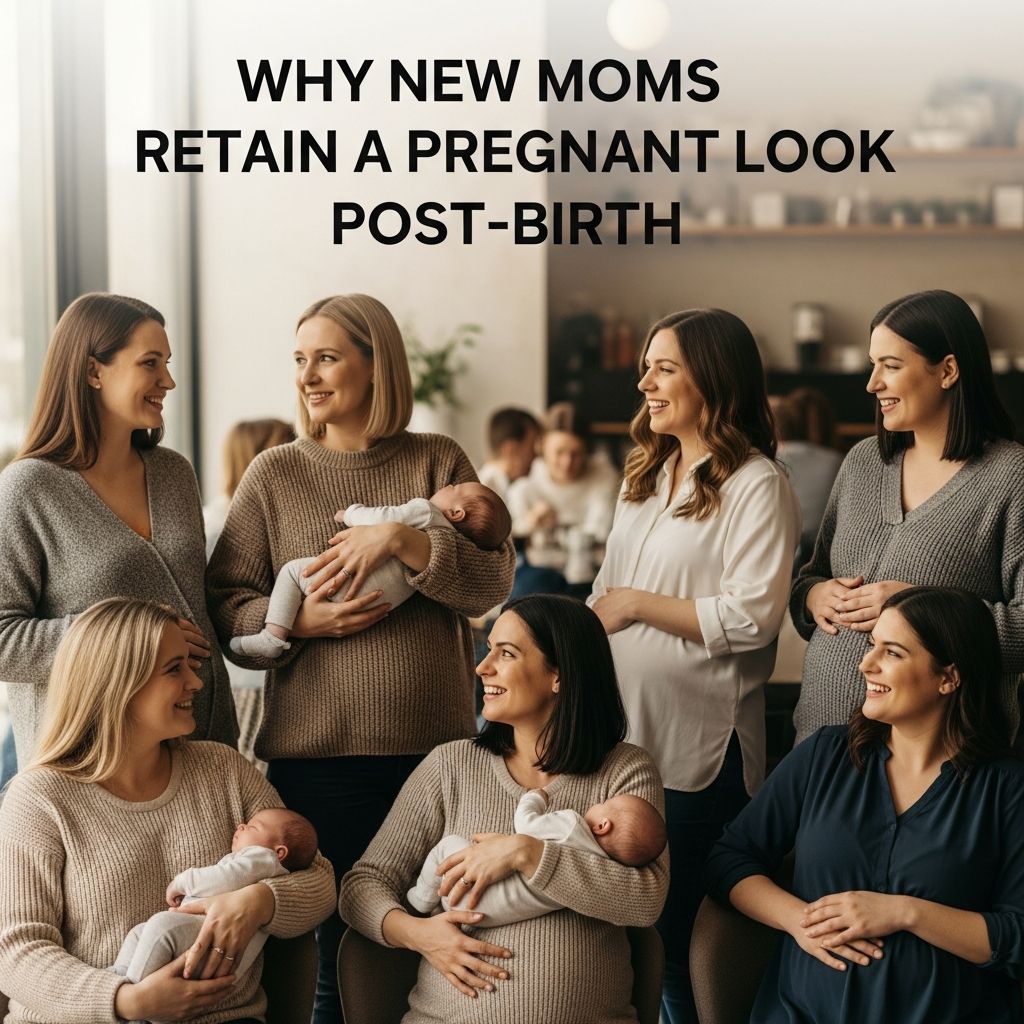
The postpartum period brings profound physical transformations as the body readjusts after pregnancy and delivery. Many new mothers notice their abdomen remains rounded or prominent for weeks, sparking curiosity and sometimes unfounded speculation, especially for public figures. This phenomenon stems from natural physiological processes like uterine involution, fluid retention, and muscle relaxation.
Understanding Uterine Involution: The Core Process
Immediately after birth, the uterus, which expanded dramatically during pregnancy to house the growing baby, begins a remarkable shrinking process known as involution. At full term, the uterus weighs about 2 pounds and measures roughly the size of a watermelon. Post-delivery, it reduces rapidly but not instantaneously.
- Day 1 post-birth: Uterus sits at the navel level, still sizable.
- Week 1: Drops to the pubic bone area.
- By 6 weeks: Returns near pre-pregnancy size, though full recovery varies.
This gradual contraction explains the persistent ‘bump’ many observe. Hormones like oxytocin trigger initial intense contractions, aiding milk ejection and involution, but complete restoration demands time.
Hormonal Rollercoaster and Its Visible Effects
Pregnancy hormones such as progesterone and estrogen plummet post-delivery, while prolactin rises for breastfeeding. These shifts cause bloating, water retention, and slowed digestion, puffing the midsection.
| Hormone | Pregnancy Role | Postpartum Impact |
|---|---|---|
| Progesterone | Relaxes muscles, grows uterus | Drops sharply, leading to temporary bloating |
| Estrogen | Supports fetal growth | Decline causes fluid shifts and puffiness |
| Oxytocin | Triggers contractions | Continues aiding uterus shrink and breastfeeding |
Breastfeeding mothers may experience prolonged effects as prolactin sustains milk production, sometimes delaying full hormonal balance.
Diastasis Recti: The Hidden Muscle Separation
During pregnancy, abdominal muscles stretch apart—a condition called diastasis recti affecting up to 60% of women. This gap prevents immediate ‘flat’ abs post-birth, contributing to a softer, rounded appearance.
- Symptoms include a midline bulge when straining.
- Healing involves targeted core exercises after clearance.
- Severe cases may need physical therapy.
Even fit individuals face this; celebrity moms often highlight it to normalize recovery realities.
Fluid Shifts and Bloating: Temporary but Noticeable
Pregnancy accumulates 6-8 liters extra fluid for amniotic sac, placenta, and baby. Post-birth, the body expels this via sweat, urine, and tears, but it takes days to weeks. Combined with constipation from pain meds or iron supplements, bloating mimics pregnancy.
Common aids include hydration, fiber-rich foods, and light walks to stimulate bowels without strain.
Skin, Posture, and Ligament Laxity
Relaxin hormone loosens ligaments for birth, lingering 3-5 months. This affects posture—new moms often arch backs protectively, accentuating the belly. Stretched skin with linea nigra or stretch marks adds visual fullness.
- Posture tip: Engage pelvic floor, stand tall.
- Skin care: Moisturize, embrace changes as badges.
Breastfeeding’s Role in Body Recovery
Nursing burns 300-500 calories daily, accelerating fat metabolism and uterine contractions via oxytocin. However, fuller breasts and milk supply can make the torso appear broader initially.
Studies show breastfeeding moms involute faster, but individual factors like multiples or C-section slow it.
Celebrity Spotlights: Normalizing Postpartum Realities
High-profile births draw scrutiny; videos or photos showing ‘pregnant’ looks months later fuel myths. Yet, experts confirm devices like CTG monitors or cradling habits are routine. Dancing or squatting late-term safely aids positioning.
Such visibility educates, countering pressures for instant ‘bounce-back.’
Timeline of Postpartum Belly Changes
| Timeframe | Typical Changes | Tips for Support |
|---|---|---|
| 0-2 weeks | Uterus contracting, heavy lochia, swelling | Rest, heat pads, nurse frequently |
| 2-6 weeks | Bump softens, energy returns | Gentle walks, pelvic tilts |
| 6-12 weeks | Muscles tighten, skin adapts | Core rehab, nutrition focus |
| 3+ months | Near pre-pregnancy contour | Strength training, patience |
Nutrition and Exercise for Optimal Recovery
Protein-rich diets (chicken, eggs, legumes) repair tissues; omega-3s reduce inflammation. Avoid crash diets—aim 1800-2200 calories if nursing.
- Week 1-6: Walking, Kegels.
- Post-6 weeks: Planks, bridges for diastasis.
- Consult providers before intensifying.
Emotional Aspects: Body Image Postpartum
Seeing a persistent bump can trigger insecurity amid social media ideals. Support groups affirm: every body heals uniquely. Patience fosters self-compassion.
Frequently Asked Questions
Is it normal to look 4 months pregnant 2 weeks postpartum?
Yes, uterine involution takes about 6 weeks; bloating and muscle separation contribute.
How long until my uterus fully shrinks?
Typically 4-6 weeks, faster with breastfeeding.
Can exercise speed up bump reduction?
Gentle activity helps, but wait for clearance to avoid injury.
Why do some celebrities seem to recover faster?
Access to trainers, nutritionists, but genetics and multiples vary outcomes.
Does C-section delay belly flattening?
Slightly, due to incision healing, but involution proceeds similarly.
Long-Term Wellness Strategies
Beyond aesthetics, focus on pelvic floor strength to prevent issues like incontinence. Annual check-ups monitor progress. Celebrate milestones: first smile outweighs abs.
(Word count: 1678)
References
- Meghan Markle’s pregnancy ‘lumps’ explained as doctor shuts down … — Tyla. 2025-06-05. https://www.tyla.com/news/royal-family/meghan-markle-labour-video-conspiracy-doctor-344533-20250605
- There’s a reason Meghan Markle keeps cradling her baby bump — Cosmopolitan UK. 2018. https://www.cosmopolitan.com/uk/reports/a25569836/meghan-markle-cradling-baby-bump/
- Meghan Markle’s Pregnancy: Real or Staged? Delivery Room Body … — YouTube (Scott Rouse). N/A. https://www.youtube.com/watch?v=mUA6PO9VN74
- Yes, Megan Markle still looks pregnant—here’s why — Motherly. N/A. https://www.mother.ly/life/yes-megan-markle-still-looks-pregnant-heres-why/