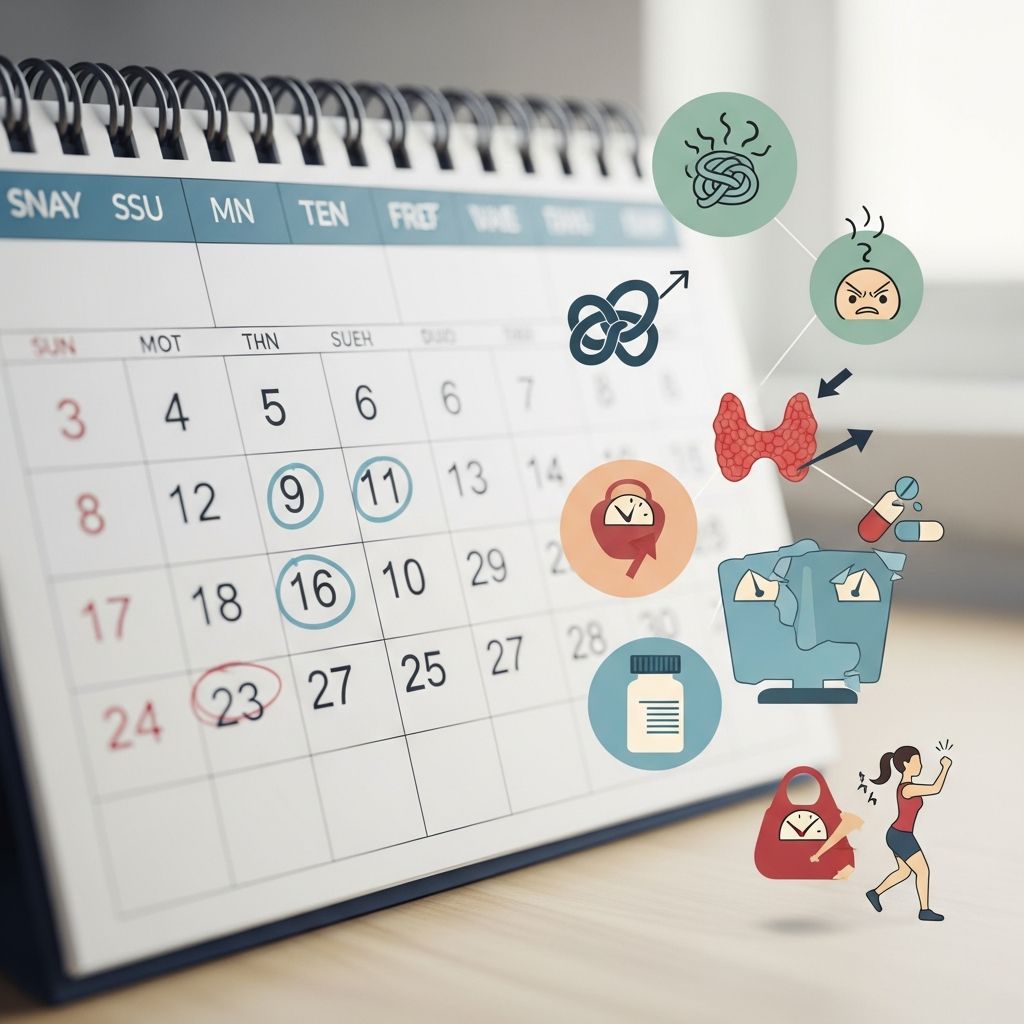
Menstrual cycles typically span 21 to 35 days, but delays happen frequently due to various physiological and lifestyle factors unrelated to pregnancy. Understanding these can alleviate worry and guide when professional evaluation is needed.
Understanding the Menstrual Cycle Basics
The menstrual cycle involves intricate hormonal orchestration. Estrogen builds the uterine lining post-menstruation, peaking before ovulation around day 14 when an egg releases. Progesterone then sustains this lining; without fertilization, levels drop, triggering shedding as bleeding. Disruptions in this rhythm, often from external or internal stressors, postpone bleeding.
Tracking cycles via apps or calendars helps identify patterns. A single delay might be benign, but persistent irregularity warrants attention to rule out underlying conditions.
Lifestyle Factors Disrupting Cycle Timing
Stress and Its Hormonal Ripple Effects
Chronic stress elevates cortisol, which suppresses reproductive hormones like GnRH from the hypothalamus, delaying ovulation and thus periods. This hypothalamic amenorrhea affects those under prolonged emotional or physical strain, such as job pressures or life upheavals.
Symptoms extend beyond delays: fatigue, sleep issues, and mood swings. Mitigation includes mindfulness, exercise, and therapy. Research links high perceived stress in ages 20-40 directly to cycle variations.
Weight Fluctuations and Nutritional Impacts
Rapid weight loss or gain alters estrogen production, as fat cells synthesize this hormone. Low body fat from intense dieting or eating disorders like anorexia halts ovulation by starving hormone pathways. Conversely, obesity boosts estrogen excess, leading to irregular shedding.
- Low weight risks: Amenorrhea in athletes or those with BMI under 18.5.
- High weight effects: Insulin resistance mimicking PCOS symptoms.
Balanced nutrition and gradual changes restore regularity. Consult dietitians for sustainable plans.
Overexertion from Exercise Routines
Endurance training or sudden regimen intensifications mimic starvation states, dropping energy availability below 30 kcal/kg fat-free mass, sufficient for ovulatory function. Marathon runners or gym enthusiasts often report delays.
Moderation—aim for 150 minutes weekly moderate activity—preserves cycles without extremes.
Hormonal and Medical Conditions
Polycystic Ovary Syndrome (PCOS)
PCOS, impacting 6-12% of reproductive-age women, features elevated androgens disrupting ovulation. Cysts form on ovaries, causing infrequent periods alongside acne, hirsutism, and infertility challenges.
| Symptom | Prevalence in PCOS | Management |
|---|---|---|
| Irregular periods | 70-80% | Oral contraceptives, metformin |
| Excess hair growth | 60-70% | Anti-androgens |
| Weight gain | 50-60% | Lifestyle interventions |
Diagnosis via ultrasound, blood tests; early intervention prevents diabetes risks.
Thyroid Dysfunction
Hypothyroidism slows metabolism, elevating prolactin and disrupting GnRH pulses for anovulation. Hyperthyroidism accelerates cycles but can lighten or skip them via estrogen-progesterone imbalance.
TSH screening diagnoses; levothyroxine normalizes cycles in most hypothyroid cases.
Perimenopause and Early Ovarian Changes
Starting late 30s to 50s, perimenopause fluctuates FSH and estrogen, yielding unpredictable cycles. Primary ovarian insufficiency (POI) before 40 affects 1%, mimicking menopause with hot flashes and bone loss risks.
Early menopause (<45) or premature (<40) demands HRT evaluation for cardiovascular health.
Medications and Contraceptive Influences
Hormonal birth control—pills, IUDs, implants—often lightens or suppresses bleeding. Post-discontinuation, cycles may take 3-6 months to normalize as endogenous hormones readjust.
Other culprits: antipsychotics raising prolactin, chemotherapy halting ovarian function, antidepressants altering serotonin impacting GnRH. Always review meds with providers.
Rare but Serious Contributors
Uterine scarring (Asherman’s syndrome) post-D&C adheres lining, preventing buildup. Gynecologic issues like fibroids or PID cause spotting delays. Cancers rarely present solely as amenorrhea.
Vigilance for pain, heavy bleeds post-delay signals imaging or biopsy needs.
Diagnostic Steps and When to Consult a Doctor
Home pregnancy tests first, then track 3+ irregular cycles. Expect bloodwork (hormones, thyroid), pelvic ultrasound, or laparoscopy for PCOS.
- Prompt visit if: Age >45 with changes, severe symptoms, family early menopause history.
- Routine check: Annual gyn for baselines.
Treatments tailor to cause: lifestyle for stress/weight, meds for PCOS/thyroid, surgery for scarring.
Lifestyle Strategies for Cycle Stability
Maintain 45-55% body fat, sleep 7-9 hours, limit caffeine/alcohol. Herbal aids like vitex show anecdotal promise but lack robust trials; prioritize evidence-based approaches.
Frequently Asked Questions (FAQs)
Can one late period indicate a serious problem?
Usually not; isolated delays from travel or illness self-resolve. Persistent ones merit evaluation.
How long after stopping birth control does regularity return?
1-3 months typically, up to 6 for some.
Does PCOS always mean infertility?
No, though ovulation issues complicate; treatments like Clomid aid 70-80%.
Can diet alone fix hormonal delays?
Supports but doesn’t supplant medical care for PCOS/thyroid.
Is amenorrhea reversible in athletes?
Yes, with energy balance restoration via reduced training/nutrition.
Empowering Cycle Health Long-Term
Proactive tracking, stress management, and prompt consults foster reproductive wellness. Cycles reflect overall health; irregularities signal listening to your body.
References
- Why Is My Period Late If I am Not Pregnant? — Community Birth Wellness Center Health Collective. 2023-05-15. https://www.cbwchc.org/news/missed-period-not-pregnant-possible-causes
- 4 reasons your period is late (besides pregnancy) — Nebraska Medicine. 2024-02-20. https://www.nebraskamed.com/health/conditions-and-services/womens-health/4-reasons-your-period-is-late-besides-pregnancy
- Missed your period but not pregnant? 7 possible causes — UCLA Health. 2023-11-10. https://www.uclahealth.org/news/article/missed-your-period-not-pregnant-7-possible-causes-2
- Amenorrhea – Symptoms and causes — Mayo Clinic. 2025-08-01. https://www.mayoclinic.org/diseases-conditions/amenorrhea/symptoms-causes/syc-20369299