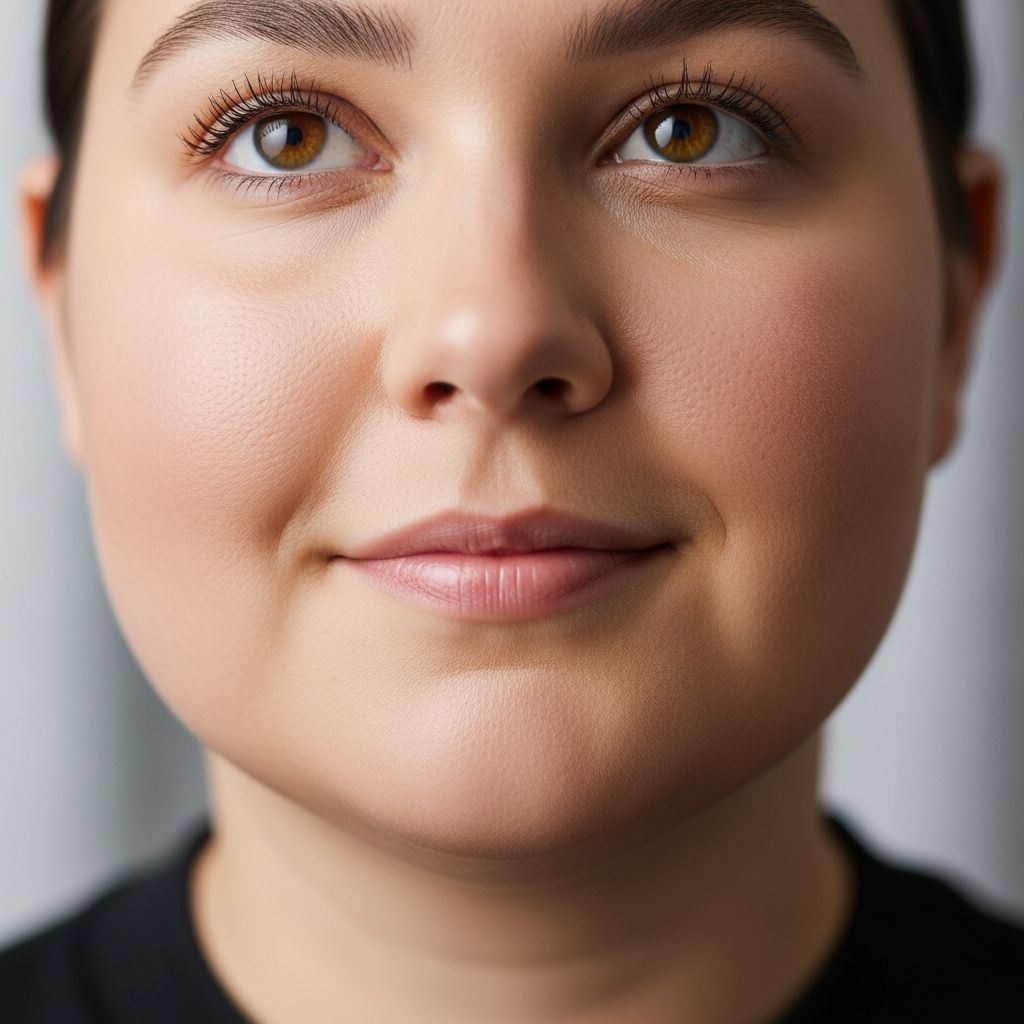
Looking in the mirror and feeling like your face suddenly looks rounder, puffier, or “heavier” can be jarring. Many people assume it is just about weight gain, but facial fullness is usually a mix of fat, fluid, anatomy, hormones, and daily habits. Understanding what is really going on in your face can make the situation feel far less mysterious—and much more manageable.
Face Shape vs. Face Fat: Two Different Things
Before worrying about “losing face fat,” it helps to separate your natural face shape from changes that are actually new. Bone structure, genetics, and where your body prefers to store fat form a kind of blueprint; everything else is layered on top of that.
- Face shape is determined largely by your bones (jaw, cheekbones, forehead) and by fixed anatomical features you are born with.
- Face fat and fluid can change over weeks or months depending on weight, hormones, medications, sleep, and diet.
Without this distinction, it is easy to chase unrealistic goals like trying to change a naturally round or heart-shaped face into a sharp, angular one. You can influence fat and puffiness, but you cannot rewrite your bone structure without surgery.
Common Reasons Your Face Looks Fuller
Facial fullness almost always has more than one cause working at the same time. Some factors are long term, and others literally change overnight.
- Genetic tendency to store fat in the cheeks or under the chin
- Overall weight gain during adulthood
- Short-term water retention from salty foods, alcohol, or dehydration
- Hormonal shifts and certain medications
- Medical conditions that cause swelling or fat redistribution
Seeing it as a combination of influences can be calming. If some pieces are baked in, that means others are very much within your control.
Genetics: The Blueprint You Did Not Choose
Some people are simply born with faces that store more volume in the cheeks, lower face, or under the chin. This is not a flaw; it is just how their fat pads and underlying bones are built. Two people with the same body weight can look completely different in the face because their genetics tell fat cells where to live.
Genetics can influence:
- How prominent or flat your cheekbones appear
- Whether your jawline is softly rounded or sharply angled
- How large or small your natural fat pads are in the cheeks and around the eyes
While you cannot change this blueprint, you can adjust expectations. The goal becomes feeling and functioning well in your own shape, not trying to fit a face type that your skeleton will never fully match.
Body Weight and Facial Fat
When the number on the scale rises, the face often shows it quickly. Facial fat is not separate from the rest of the body; it is part of the same system of fat storage that responds to energy balance over time.
- Caloric surplus over weeks to months encourages fat storage everywhere, including the face.
- Some people gain first or most visibly in the cheeks and jawline, while others notice changes in the abdomen or hips first.
If your face has gradually looked fuller over six months or a year, and your clothing fits more snugly, you are likely seeing the facial side of general weight gain. The encouraging part: when overall weight decreases in a consistent and healthy way, facial fat usually decreases too, although not always at the exact speed you prefer.
Water Retention: The Overnight Puffy Look
Not all facial fullness is fat. Fluid can move into or out of tissues surprisingly fast based on what you eat, drink, and how you sleep. This is why some mornings your face looks dramatically puffier than it did the afternoon before.
Common triggers for facial fluid retention include:
- High sodium intake from processed foods and restaurant meals
- Alcohol, which disrupts fluid balance and sleep
- Dehydration, which ironically encourages the body to hold onto water
- Sleeping face-down or flat, which can let fluid pool in the tissues of the face
This kind of fullness is often most noticeable around the eyes, under the chin, and in the lower cheeks. It is frustrating, but because it is fluid and not fat, it is also reversible with habit changes and time.
Hormones, Medications, and Medical Conditions
Sometimes a fuller face is not about lifestyle at all, but about internal chemistry. Hormones and certain medications can change where your body stores fat and how much fluid it retains, with the face being one of the most visible locations.
- Corticosteroid medications (often prescribed for autoimmune diseases, severe allergies, or asthma) can cause a round, swollen facial appearance when used long term.
- Hormonal disorders, such as problems with the adrenal glands or thyroid, can lead to fat redistribution or swelling in the face.
- Kidney or heart issues may cause fluid retention that shows up in the face and ankles.
Red flags that warrant a medical evaluation include rapid facial swelling, facial fullness accompanied by weakness or mood changes, or swelling along with shortness of breath or leg edema. A health professional can check for underlying problems and adjust medications if needed.
How Aging Changes the Face (Even Without Weight Gain)
Many people are surprised to see their face look heavier with age even if their weight has stayed stable or even gone down. The reason is that the face does not just age by getting thinner; volume shifts and tissues sag, changing how fullness appears.
- Fat compartments in the upper face may shrink, while those in the lower face descend or become more obvious due to gravity.
- Skin loses elasticity and collagen, so it no longer “snaps” back into place, making subtle fullness look like drooping or jowling.
The result can be a paradox: a person may have less total facial fat than in their twenties, but look fuller along the jawline or throat due to sagging tissues. This is why chasing extreme leanness rarely gives the “lifted” result people hope for and can actually deepen hollow or tired areas.
Everyday Habits That Quietly Puff Up Your Face
A handful of daily choices can gradually make your face look softer or puffier even if your weight has not changed very much. These habits usually work by increasing inflammation, disrupting hormones, or shifting fluid balance.
- Lack of sleep: Short or poor-quality sleep can raise stress hormones, which promote fluid retention and weight gain over time.
- Frequent alcohol use: Alcohol can cause both dehydration and inflammation, leading to transient puffiness and longer-term changes in fat and skin.
- Highly processed foods: Many packaged and fast foods combine high sodium, sugar, and unhealthy fats, a trio that encourages both fat storage and fluid retention.
- Low water intake: When hydration is consistently low, the body may hold on to the fluid it has, making the face look subtly swollen.
Addressing these habits is less dramatic than a crash diet, but it is often exactly what makes the most visible difference over several months.
Face Myths That Refuse to Die
In the search for a slimmer face, it is easy to fall for persistent myths. Sorting facts from fiction can save time, money, and frustration.
| Myth | Reality |
|---|---|
| Facial exercises melt fat from specific spots | You cannot spot-reduce fat from the face; general fat loss changes the whole body. |
| Chewing gum will carve out your jawline | Chewing works small muscles but does not significantly change fat distribution. |
| One “detox” day can permanently de-bloat your face | Short fasts or cleanses may change fluid temporarily but do not affect long-term fat stores. |
| Only overweight people have full faces | Genetics, anatomy, hormones, and medications can all cause facial fullness at any size. |
Healthy Strategies to Reduce Facial Fullness
If medical issues have been ruled out, the most effective ways to influence facial fullness are slow, unglamorous, and very doable. They are less about targeting the face and more about supporting your whole body.
1. Aim for Sustainable Overall Weight Loss (If Needed)
If you are carrying more weight than is healthy for you, gentle, consistent fat loss tends to show up in the face. Instead of fixating on crash diets, build a pattern you can live with for years.
- Create a modest calorie deficit through a combination of movement and portion awareness, not extreme restriction.
- Prioritize whole foods—vegetables, fruits, lean proteins, whole grains, and healthy fats—over ultra-processed options.
- Track non-scale victories such as improved energy, better sleep, or looser-fitting clothes as signs of progress.
Fat loss often appears first in the face for some people and last for others. Patience and consistency matter more than any specific “face slimming” trick.
2. Adjust Salt, Alcohol, and Hydration
If your face looks different from one day to the next, fluid is probably part of the story. Small shifts in eating and drinking habits can reduce that puffiness.
- Limit heavily salted foods such as chips, instant noodles, cured meats, and many takeout meals.
- Drink water steadily throughout the day instead of chugging large amounts at once.
- Reduce alcohol frequency and volume, especially in the evening.
- Include potassium-rich foods like bananas, leafy greens, and beans to help balance sodium.
These changes do not just affect the face; they support heart and kidney health too, which in turn keeps fluid balance more stable.
3. Support Better Sleep and Lower Stress
Sleep and stress hormones influence where your body stores fat and how much fluid it holds onto. Improving them often has subtle but noticeable effects on the face.
- Keep a consistent bedtime and wake time, even on weekends.
- Limit screens and bright light in the hour before bed.
- Use simple stress-management tools such as breathing exercises, short walks, or gentle stretching.
When stress hormones level out, cravings often decrease, food choices improve, and inflammation drops—all of which can gradually change facial appearance.
4. Move Your Body, Not Just Your Face
Full-body movement is much more powerful than any face-only exercise routine. Cardiovascular activity, strength training, and everyday movement all contribute to better circulation and healthier body composition.
- Include a mix of brisk walking, cycling, or swimming and basic strength exercises 2–3 times per week.
- Break up long sitting periods with short movement breaks to keep blood and lymph moving.
Stronger muscles, better circulation, and improved metabolic health translate indirectly into a more defined, vibrant face over time.
5. Skin and Position: Small Tweaks That Help
While creams cannot burn fat, they can improve how your skin reflects light and how firm it appears. Sleep position and posture can also change how fullness presents itself.
- Use a gentle skincare routine with daily sun protection to prevent premature sagging.
- Sleep with your head slightly elevated instead of flat or face-down to reduce morning puffiness.
- Be mindful of posture; consistently jutting your head forward can blur the jawline even when fat levels are unchanged.
These shifts are not dramatic on their own, but combined with lifestyle changes they help the face look more refreshed and less swollen.
When Cosmetic Procedures Enter the Conversation
Some people eventually consider aesthetic treatments to contour the face. Properly chosen and conservatively used, these can complement a healthy lifestyle, but they are never a substitute for it.
- Injectables can add or subtract visual volume, sharpening certain angles or softening others.
- Energy-based devices can sometimes tighten skin and subtly reduce fat in targeted areas.
- Surgical options can reposition or remove fat or tighten tissues for more dramatic and lasting change.
Any procedure has risks and should involve a frank conversation about expectations, long-term effects, and how your face will continue to age. The most natural results usually come from doing less than you think you need, not more.
A Health-First Mindset About Your Face
It is natural to care about how your face looks; it is the part of you the world sees most. But constantly criticizing its fullness—or chasing quick fixes—can erode mental health and body image. Shifting focus from punishment to care changes the tone of the entire project.
- Measure success by how well you feel, not by whether your face matches a filtered ideal.
- Notice when appearance worries are crowding out joy, relationships, or opportunities; this may be a sign to talk with a therapist.
- Remember that every face carries its own version of “normal,” and fullness is often part of what makes a face look youthful and alive.
When lifestyle choices are rooted in respect for your body rather than dislike of your reflection, any changes in your face tend to feel like side effects of a better life—not the sole measure of your worth.
FAQs About A Fuller Face
Can I lose fat from my face only?
No. Fat loss happens across the entire body based on genetics, hormones, and overall energy balance. You cannot selectively burn fat from one area, including the face, by exercising or massaging it alone.
Why does my face look fatter in the morning?
Morning fullness is often due to fluid shifts while you sleep, especially if you sleep flat or face-down, eat salty foods at night, drink alcohol, or are slightly dehydrated. As you move around during the day, fluid usually redistributes, and some puffiness fades.
How long does it take to see changes in my face after changing my habits?
Some improvements, like reduced puffiness from lower salt intake or better sleep, can appear within days. Changes related to actual fat loss usually take weeks to months, depending on how consistent and realistic your overall plan is.
Is a round face automatically unhealthy?
No. Many people with round or full faces are metabolically healthy, and many with angular faces have health issues you cannot see. Health is better judged by lab work, fitness, mood, and energy than by face shape alone.
When should I see a doctor about facial fullness?
Seek medical advice if your face becomes rapidly swollen, if fullness comes with symptoms like fatigue, weakness, mood changes, breathing problems, or leg swelling, or if you are taking medications known to affect hormones and notice new, persistent changes in your face.