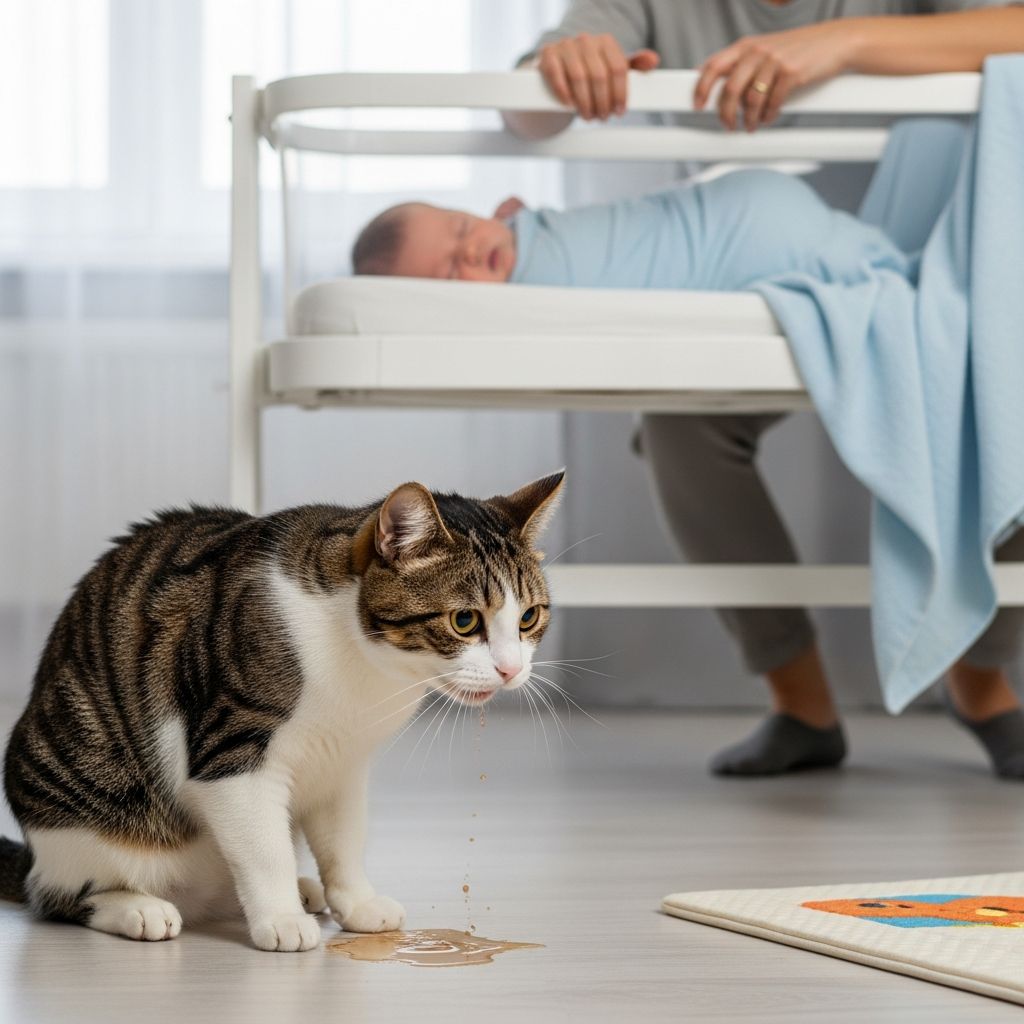
Observing a family cat vomit shortly after being introduced to a newborn can alarm parents. This reaction often stems from environmental stress, dietary factors, or underlying health issues rather than direct hostility toward the baby. Understanding these triggers helps families manage pets safely during this transitional period.
Understanding Feline Vomiting Reactions in New Family Dynamics
Cats are sensitive creatures whose digestive systems respond quickly to changes. A new baby introduces scents, noises, and routine shifts that can unsettle even the calmest feline. Vomiting in this context may reflect acute stress rather than illness, though distinguishing the two requires observation.
Stress-induced vomiting occurs when a cat’s anxiety elevates stomach acid production, leading to irritation. Newborn cries, increased human activity, or displacement from favorite spots can provoke this. Unlike aggressive behavior, vomiting signals discomfort that owners can address proactively.
Primary Triggers for Vomiting in Household Cats
Several factors contribute to vomiting episodes, especially amid family changes. These range from benign to serious, demanding attention based on frequency and accompanying symptoms.
Dietary and Eating Habit Disruptions
Cats prone to gulping food may regurgitate undigested meals, particularly if mealtimes become irregular with a new baby. Sudden diet switches or access to human foods exacerbate this. Slow-feed bowls and consistent schedules mitigate these risks.
Hairballs and Grooming Excess
Self-grooming leads to hairball accumulation, a common vomit culprit. Stressed cats groom more, increasing frequency. Regular brushing reduces ingested fur.
Parasitic and Infectious Culprits
Intestinal worms like roundworms or tapeworms irritate the gut, causing vomiting often with diarrhea or weight loss. Infections, bacterial or viral, compound this during stressful periods when immunity dips.
Chronic Conditions Mimicking Stress
Underlying diseases such as kidney dysfunction, hyperthyroidism, or pancreatitis manifest as vomiting. These worsen with stress, necessitating veterinary screening for seniors or symptomatic cats.
Decoding Vomit Characteristics for Clues
The vomit’s appearance offers diagnostic hints. Here’s a breakdown:
| Vomit Type | Possible Causes | Action Needed |
|---|---|---|
| Clear/Foamy | Acid reflux, empty stomach | Monitor feeding; vet if persistent |
| Yellow/Bile | Fasting, liver issues | Adjust meals; check liver health |
| Undigested Food | Fast eating, intolerance | Slow feeder; diet trial |
| Bloody | Ulcers, toxins | Emergency vet visit |
| With Worms | Parasites | Deworming treatment |
| Black/Tarry | Digested blood | Immediate veterinary care |
This table summarizes indicators from veterinary sources, aiding quick assessment.
Safeguarding Babies and Cats During Introductions
Prioritize safety: Never leave cats unsupervised with infants. Trim claws, provide high perches for retreat, and maintain hygiene to prevent scratches or zoonotic risks.
- Gradual introductions: Allow scent familiarization via blankets before visual meetings.
- Preserve routines: Keep feeding and litter areas unchanged.
- Enrich environment: Offer toys and vertical spaces to reduce territorial stress.
- Health checks: Ensure vaccinations and parasite control are current.
Stress Reduction Techniques for Cats
Mitigate anxiety with pheromone diffusers, calming treats, or play sessions. Create a quiet ‘cat zone’ away from baby activity. These interventions often resolve mild vomiting.
When to Escalate to Veterinary Care
Isolated incidents post-introduction may self-resolve, but seek help if:
- Vomiting exceeds twice weekly.
- Accompanied by lethargy, appetite loss, or dehydration.
- Blood, worms, or odd colors appear.
- Cat shows pain or behavioral shifts.
Diagnostic steps include bloodwork, imaging, or fecal analysis to rule out serious issues. Early intervention prevents escalation.
Long-Term Harmony: Integrating Pets and Newborns
Families thriving with pets and babies emphasize preparation. Pre-baby desensitization to baby sounds via recordings builds resilience. Post-arrival, positive associations through treats during calm interactions foster acceptance.
Nutritional support with high-quality, stress-formula diets bolsters gut health. Regular vet visits monitor for age-related vulnerabilities like kidney disease, prevalent in older cats.
Common Myths About Cats and Babies Debunked
- Myth: Cats steal baby breath. Untrue; suffocation risks stem from bedding, not felines.
- Myth: Vomiting means baby hatred. It’s physiological, not emotional.
- Myth: All cats adjust instantly. Patience and management are key.
Frequently Asked Questions
Why does my cat vomit only around the baby?
Likely stress from new scents and sounds irritating the stomach; observe patterns and reduce exposure gradually.
Is cat vomit dangerous for newborns?
Clean promptly to avoid bacteria; toxoplasmosis risk is low with indoor cats and litter hygiene.
How long until my cat accepts the baby?
Weeks to months; consistency speeds adjustment.
Can diet changes stop the vomiting?
Yes, for intolerance cases; transition slowly and consult vets for prescription options.
Should I rehome my vomiting cat?
Rarely necessary; vet evaluation first, then management strategies.
Preventive Health Checklist for Multi-Pet Families
| Action | Frequency | Benefit |
|---|---|---|
| Vet checkups | Annually or biannually for seniors | Early disease detection |
| Parasite prevention | Monthly | Reduces GI upset |
| Brushing | Daily | Minimizes hairballs |
| Slow feeding | Every meal | Prevents regurgitation |
| Stress monitoring | Daily | Quick intervention |
This checklist promotes proactive care, drawing from expert guidelines.
In summary, a cat’s vomit near a newborn often reflects manageable stress or routine issues. Vigilance, veterinary input, and environmental tweaks ensure safe, joyful coexistence. Families report stronger bonds when addressing these promptly.
References
- Cat Vomiting Explained: Signs, Causes, and When to See a Vet — MT Pet Vet. 2023-05-15. https://mtpetvet.com/cat-vomiting-explained-signs-causes-and-when-to-see-a-vet/
- Cat Vomiting: Causes, Types, and What to Do — PetMD. 2024-02-10. https://www.petmd.com/cat/symptoms/cat-vomiting-causes-and-types
- 7 Common Causes of Why Cats Throw Up — 1st Pet Vet Centers. 2023-08-22. https://1stpetvet.com/pet-health-information/is-your-cat-throwing-up-look-to-these-7-common-causes/
- Cat Vomiting: 11 Reasons Your Cat May Be Throwing Up — GoodRx. 2024-11-03. https://www.goodrx.com/pet-health/cat/why-is-my-cat-throwing-up
- Cat Vomiting Causes and Clean up Tips — ASPCA Pet Insurance. 2023-07-12. https://www.aspcapetinsurance.com/resources/cat-vomiting-causes-and-clean-up-tips/
- Cat Throwing Up: Signs, Urgent Steps, and When It’s an Emergency — GSVS. 2024-01-18. https://gsvs.org/blog/cat-throwing-up-emergency/
- Vomiting in Cats — VCA Animal Hospitals. 2023-12-05. https://vcahospitals.com/know-your-pet/vomiting-in-cats