Understanding Non-Menstrual Abdominal Discomfort
Many individuals experience lower abdominal cramping that feels remarkably similar to menstrual pain, yet no period follows. This disconnect can be confusing and concerning, leaving you to wonder what might be causing these uncomfortable sensations. The reality is that numerous medical conditions and physiological processes can trigger cramping sensations in the pelvic region independently of your menstrual cycle. Understanding the potential causes can help you better communicate with healthcare providers and determine when professional evaluation becomes necessary.
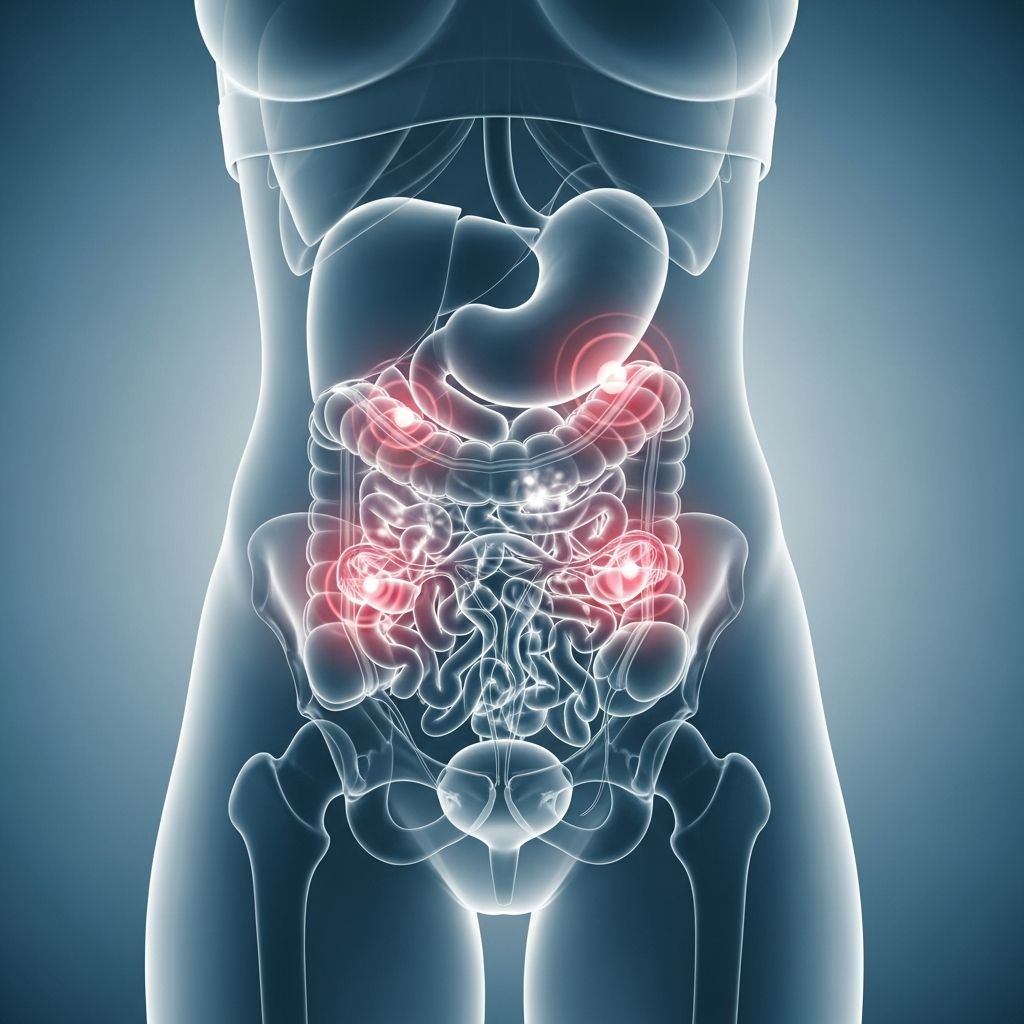
The similarity between menstrual cramps and other types of pelvic pain often stems from the anatomical proximity of various organs in the lower abdomen. The uterus, ovaries, fallopian tubes, intestines, bladder, and reproductive structures all occupy close quarters within the pelvic cavity. When any of these systems experience inflammation, infection, or dysfunction, the resulting pain can easily mimic the cramping sensations you typically associate with your period.
Digestive System Contributions to Pelvic Discomfort
Your digestive system represents one of the most common sources of non-menstrual abdominal cramping. The gastrointestinal tract’s complexity and its direct placement within the pelvic region make it a frequent culprit in cases where individuals experience lower abdominal pain without menstruation.
Constipation and Bowel Dysfunction
Constipation stands as perhaps the most straightforward explanation for unexplained cramping. When your digestive system fails to move waste efficiently through your colon, the resulting buildup creates pressure and discomfort that can feel remarkably similar to period cramps. The bloating sensation that accompanies constipation intensifies this effect, as expanded intestinal loops press against surrounding pelvic structures. Tracking your bowel movement patterns can help identify whether constipation might be contributing to your symptoms, as experiencing regular cramping alongside less frequent bowel movements suggests a digestive origin.
Inflammatory Bowel Disease
Inflammatory bowel disease (IBD), which encompasses both Crohn’s disease and ulcerative colitis, represents a more serious gastrointestinal condition that frequently produces pelvic cramping. IBD involves chronic inflammation throughout portions of the digestive tract, disrupting normal digestive function and nutrient absorption. Crohn’s disease can affect any section of your digestive system from your mouth through your entire gastrointestinal tract, while ulcerative colitis specifically targets the large intestine.
Beyond cramping, IBD typically presents with additional symptoms that help differentiate it from menstrual discomfort. Individuals with IBD commonly experience diarrhea, loss of appetite, fatigue, fever, and rectal bleeding. The pain location often varies depending on the specific type: Crohn’s disease frequently causes discomfort in the middle or right lower abdominal region, while ulcerative colitis tends to produce pain on the lower left side of the stomach.
Other Digestive Triggers
Beyond major inflammatory conditions, various other gastrointestinal issues can produce cramping without an accompanying period. Viral gastroenteritis, food poisoning, lactose intolerance, and irritable bowel syndrome (IBS) all create abdominal cramping through different mechanisms. IBS, characterized by chronic abdominal pain alongside irregular bowel habits and bloating, particularly mimics menstrual discomfort because it produces cramping sensations without visible changes in your body. Identifying potential food triggers or noting any correlation between specific meals and cramping episodes can help determine whether your digestive system bears responsibility for your symptoms.
Reproductive System Conditions Beyond Menstruation
Your reproductive organs can generate pelvic cramping through mechanisms entirely unrelated to your menstrual cycle. Several conditions affecting the uterus, ovaries, and surrounding structures produce pain that closely resembles menstrual discomfort.
Ovulation-Related Pain
During the middle of your menstrual cycle, approximately fourteen days before your next period begins, your ovary releases an egg in a process called ovulation. Some individuals experience lower abdominal discomfort during this release, medically termed mittelschmerz. This ovulation pain can range from mild to moderate and typically lasts anywhere from a few minutes to several hours. Unlike menstrual cramping, which builds gradually and persists for multiple days, ovulation pain often appears suddenly and resolves quickly. If you experience predictable cramping at the same point each month—roughly midway between periods—ovulation likely explains your symptoms.
Endometriosis
Endometriosis occurs when tissue similar to your uterine lining grows outside the uterus, attaching to reproductive organs and surrounding structures. This misplaced tissue responds to hormonal fluctuations throughout your cycle, causing inflammation and pain that can strike at any point during the month, not just during menstruation. Endometriosis cramping often feels more severe than typical menstrual discomfort and can be accompanied by painful sexual intercourse and uncomfortable bowel movements. The condition may also complicate fertility by creating scarring and inflammation that interferes with reproductive function.
Ovarian Cysts
Your ovaries regularly develop small fluid-filled sacs called cysts as part of normal reproductive function. Most ovarian cysts remain asymptomatic and resolve independently without intervention. However, when cysts enlarge or rupture, they can produce significant abdominal pain. A ruptured ovarian cyst releases fluid into your pelvic cavity, triggering inflammation and cramping sensations. The severity of pain from a ruptured cyst typically exceeds standard menstrual cramping, and the onset often feels sudden rather than gradual.
Pelvic Inflammatory Disease
Pelvic inflammatory disease (PID) represents a serious infection affecting the uterus, fallopian tubes, or ovaries. Approximately ninety percent of PID cases originate from untreated sexually transmitted infections, though bacteria from normal vaginal flora can also cause the condition during childbirth, miscarriage, surgical procedures, or intrauterine device (IUD) insertion. PID produces persistent cramping alongside fever and abnormal vaginal discharge. Because this condition can lead to serious complications including infertility if left untreated, any suspicion of PID warrants immediate medical attention.
Other Medical Considerations
Interstitial Cystitis and Bladder Issues
Interstitial cystitis, sometimes called painful bladder syndrome, is a chronic condition affecting the bladder that produces pelvic cramping and discomfort around the genitals. The pain from interstitial cystitis can intensify as your bladder fills or as you approach your menstrual period, adding complexity to symptom interpretation. Beyond cramping, individuals with this condition typically experience abdominal swelling and sudden urgent urges to urinate. Symptoms persisting for more than two weeks warrant medical evaluation to rule out this and other serious conditions.
Pelvic Floor Muscle Dysfunction
The muscles supporting your uterus, vagina, rectum, and bladder can develop dysfunction through trauma from childbirth, injury, or excessive tension. This pelvic floor dysfunction causes severe muscle spasms that produce cramping sensations closely mimicking menstrual discomfort. Beyond lower abdominal cramping, pelvic floor issues frequently cause constant back or groin pain, painful intercourse, and difficult bowel movements.
Fibroids and Other Growths
Uterine fibroids are noncancerous growths within the uterus that can produce cramping and pelvic pain independently of your menstrual cycle. These benign tumors vary widely in size and location, with some remaining asymptomatic while others create significant discomfort through pressure on surrounding structures.
Lifestyle and Psychological Factors
Beyond medical conditions, your body’s response to stress and certain lifestyle patterns can generate menstrual-like cramping without an actual period. Emotional stress triggers hormonal imbalances that may cause your body to experience cramping sensations mimicking the physiological processes of menstruation. The stress response itself can produce abdominal tension and cramping that feels identical to period pain.
Additionally, lifestyle factors including inadequate physical exercise and poor dietary habits can contribute to unexplained cramping. When combined with stress and other factors, these lifestyle elements can disrupt hormonal balance and digestive function simultaneously, creating a perfect storm for pelvic discomfort.
Certain contraceptive methods, particularly intrauterine devices (IUDs), can cause abdominal cramping as your body adjusts to the foreign object. This adjustment period typically resolves within a few weeks to months as your body acclimates to the device.
When to Seek Medical Evaluation
Not every instance of unexplained cramping requires immediate medical attention, but certain warning signs indicate you should contact a healthcare provider. Severe cramping that interferes with daily activities deserves professional evaluation, as do cramping episodes accompanied by fever, unusual vaginal discharge, nausea, vomiting, or rectal bleeding.
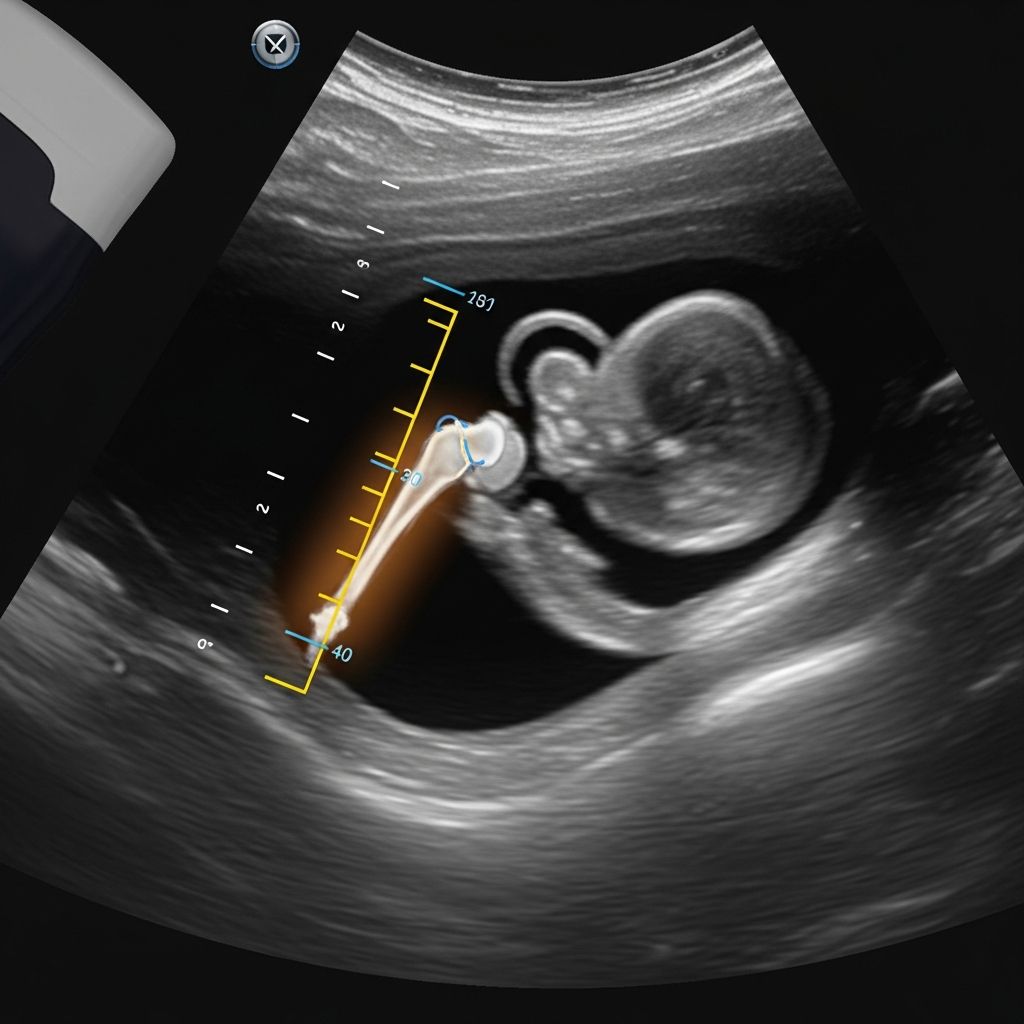
If you experience sudden, severe abdominal pain, your symptoms may indicate a medical emergency such as appendicitis or a ruptured cyst requiring immediate intervention. Similarly, if you suspect you might be pregnant and experience cramping alongside other pregnancy symptoms, early medical evaluation becomes important.
Persistent cramping lasting more than a few weeks without improvement warrants investigation to identify underlying causes. Healthcare providers will typically conduct a thorough medical history review and physical examination, potentially including imaging tests such as ultrasounds, laparoscopy, or other diagnostic procedures to pinpoint the exact cause of your discomfort.
Diagnostic Approach
When you visit your healthcare provider about unexplained cramping, be prepared to describe your symptoms in detail. Note the location of pain, its intensity on a scale of one to ten, how long episodes last, and whether any particular activities, foods, or times of month trigger or worsen your discomfort. Mention any accompanying symptoms including changes in bowel habits, unusual discharge, fever, or recent infections.
Your provider may order blood tests to check for infections or inflammatory markers, perform pelvic imaging to visualize reproductive structures, or conduct other investigations depending on your symptoms and medical history. In some cases, a referral to a specialist in gynecology, gastroenterology, or another relevant field may be necessary to fully evaluate your condition.
Frequently Asked Questions
Q: Can pregnancy cause cramping without a period?
A: Yes, early pregnancy frequently produces lower abdominal cramping as your uterus expands and hormonal changes occur. However, any suspected pregnancy should be confirmed with a test and evaluated by a healthcare provider, particularly if cramping is severe or accompanied by bleeding.
Q: How can I tell the difference between ovulation pain and menstrual cramping?
A: Ovulation pain typically occurs midway through your cycle (around day fourteen of a twenty-eight-day cycle), appears suddenly, and resolves within hours. Menstrual cramping builds gradually, persists for multiple days, and occurs in the second half of your cycle when your period approaches.
Q: Is it normal to experience cramping without a period?
A: While some cramping unrelated to your period can occur from benign causes like constipation or ovulation, persistent or severe cramping warrants medical evaluation to rule out underlying conditions requiring treatment.
Q: What lifestyle changes might reduce unexplained cramping?
A: Increasing physical activity, improving dietary habits to support digestive health, managing stress through relaxation techniques, and staying adequately hydrated can help reduce cramping from various causes including stress-related symptoms and constipation.
Q: When should I see a doctor about cramping without a period?
A: Seek medical attention if your cramping is severe, persists for more than a few weeks, accompanies concerning symptoms like fever or unusual discharge, or interferes with your daily activities.
References
- Cramps but No Period: Causes and Diagnosis — WebMD. 2024. https://www.webmd.com/women/cramps-but-no-period
- Cramps but No Period – 10 Possible Causes — TopLine MD. 2024. https://www.toplinemd.com/carreras-medical-center/cramps-but-no-period-10-possible-causes/
- Cramps but no period: What does it mean? — Medical News Today. 2024. https://www.medicalnewstoday.com/articles/322929
- Menstrual Cramps But No Period: Causes and Treatment Guide — Wild Hawk Physical Therapy. 2024. https://wildhawkphysicaltherapy.com/menstrual-cramps-but-no-period/
- Cramps But No Period? Here Are 11 Possible Causes — Perelel Health. 2024. https://perelelhealth.com/blogs/news/cramps-but-no-period