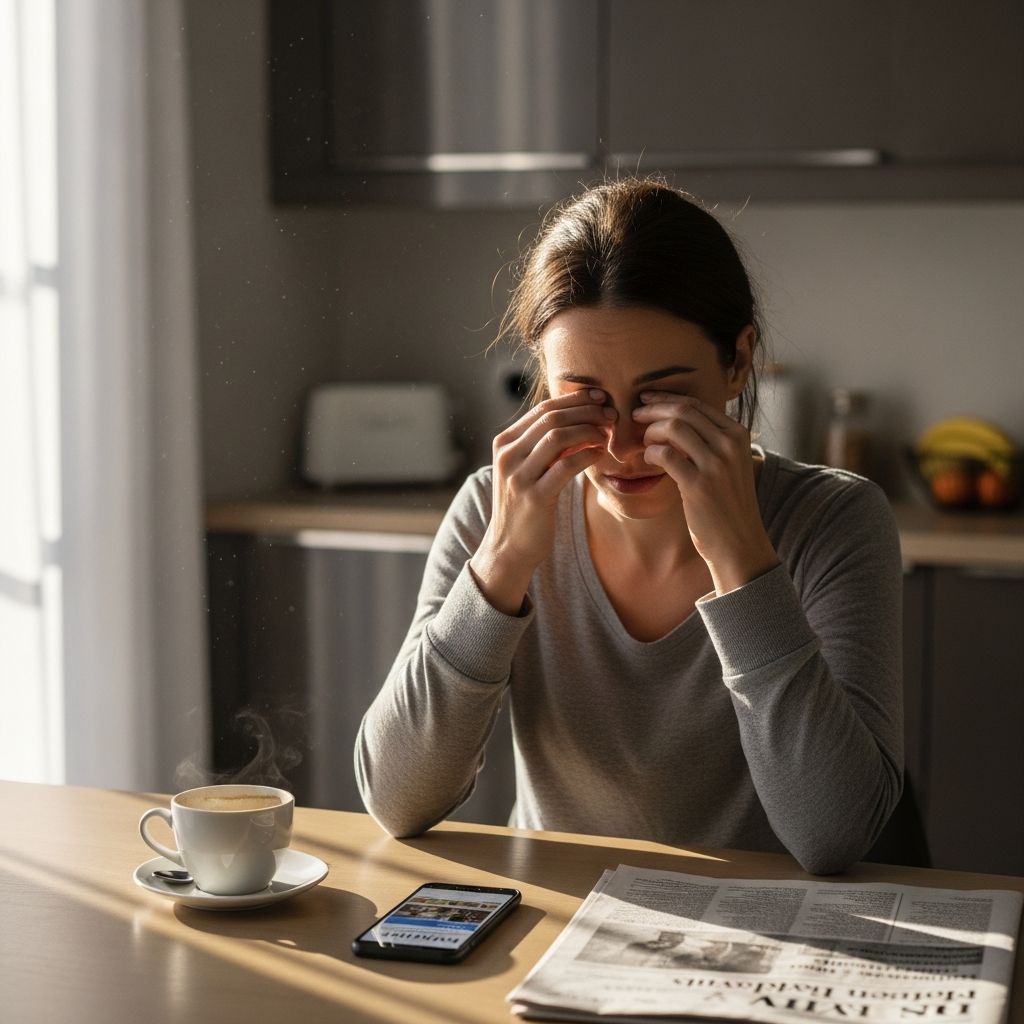
Understanding the Morning Exhaustion Phenomenon in Women
Many women report waking up feeling significantly more tired and fatigued than men, despite getting similar amounts of sleep. This pervasive experience is not simply a matter of personal preference or lifestyle choice—it reflects a complex interplay of biological, hormonal, and social factors that distinctly affect women’s sleep quality and daytime alertness. Research increasingly demonstrates that women face unique challenges when it comes to restorative sleep and morning vitality, challenges that have long been underrecognized in medical and scientific literature.
The gap between hours slept and actual restfulness experienced reveals an important distinction: quantity of sleep does not necessarily translate to quality of sleep. While women may spend comparable amounts of time in bed as men, their sleep architecture and the restorative nature of that sleep differ significantly. Understanding these differences is essential for women seeking to improve their morning energy levels and overall well-being.
The Sleep Quality Paradox: More Hours, Less Rest
A striking finding in sleep research reveals what might be called the sleep quality paradox for women. While some studies show that women actually obtain slightly more sleep than men—approximately 11 minutes more per night on average—they simultaneously report experiencing worse sleep quality and greater daytime fatigue. This counterintuitive pattern suggests that the quantity of sleep time masks significant problems with sleep continuity and restorative value.
College-age research provides illuminating data on this phenomenon. Female college students obtained approximately the same sleep duration as their male peers, with women averaging 7.06 hours compared to men’s 6.93 hours. However, women demonstrated substantially worse sleep quality scores, with significantly greater sleepiness, fatigue, and stress symptoms despite virtually identical sleep duration. This finding underscores that women are not simply sleeping less—they are sleeping differently, with reduced restorative capacity.
Women are also more likely to experience frequent nighttime awakenings. Approximately 33% of women report waking every night, compared to only 27% of men, creating fragmented sleep patterns that prevent the deep, consolidated sleep necessary for true restoration. These disruptions mean that even when total sleep time appears adequate, the actual benefit to the body and mind falls short of what men experience with comparable sleep duration.
Hormonal Fluctuations Throughout Life Stages
One of the most significant biological factors contributing to morning fatigue in women involves the intricate and cyclical changes in hormonal levels that men typically do not experience. These hormonal fluctuations profoundly affect sleep architecture, nighttime awakenings, and daytime alertness across multiple life stages.
Menstrual Cycle and Premenstrual Effects
The menstrual cycle creates predictable but disruptive changes in sleep patterns for many women. Hormonal shifts before and during menstruation frequently trigger anxiety, mood disturbances, and sleep fragmentation. Data indicates that nearly one-quarter of women aged 18 to 24 lose sleep specifically due to premenstrual syndrome (PMS), while the prevalence drops to 12% among women aged 25 to 34, suggesting that severity and awareness of hormone-related sleep disruption varies across reproductive years.
The hormonal fluctuations associated with the menstrual cycle can alter sleep onset latency, increase the frequency of nighttime awakenings, and reduce overall sleep efficiency. Women may experience heightened anxiety and mood swings during specific phases of their cycle, creating emotional states fundamentally incompatible with restorative sleep. This cyclical disruption means that a woman’s sleep quality is not consistent throughout the month but varies significantly based on hormonal status.
Pregnancy and Postpartum Sleep Disruption
Pregnancy introduces dramatic physical and hormonal changes that substantially impact sleep. The combination of physical discomfort, hormonal shifts, and anticipatory anxiety can create significant sleep disturbances during pregnancy. Postpartum, the demands of infant care compound sleep fragmentation, with women—more than men—being awakened multiple times nightly for caregiving responsibilities.
The postpartum period represents a particularly vulnerable time for sleep deprivation and its consequences. Women shoulder the primary responsibility for nighttime infant care in many households, leading to more fragmented and insufficient sleep compared to their male partners. This gendered caregiving responsibility creates a substantial barrier to restorative sleep during critical postpartum recovery months.
Menopause and Perimenopause
The transition toward menopause brings particularly pronounced sleep challenges. More than half of women aged 45 to 54 report losing sleep due to perimenopause or menopause symptoms. Hot flashes, night sweats, and hormonal volatility create significant nighttime disruptions that fragment sleep architecture and reduce its restorative quality. These menopausal sleep disturbances often persist for years, creating a prolonged period of compromised sleep quality during midlife.
Sleep Disorders Disproportionately Affecting Women
Beyond the temporary disruptions caused by hormonal cycles, women are significantly more prone to developing clinical sleep disorders that contribute to persistent morning fatigue. The epidemiology of sleep disorders reveals striking gender differences in prevalence and presentation.
Insomnia and Its Female Predominance
Insomnia demonstrates clear female predominance, affecting more than 1 in every 4 women in the United States compared to fewer than 1 in 5 men. This substantial gap persists and even increases with age, suggesting that insomnia represents a significant health concern uniquely affecting women. Women diagnosed with insomnia frequently struggle with sleep onset, sleep maintenance, or both, creating the fragmented sleep patterns that undermine morning vitality.
Beyond the disorder itself, women with insomnia report more memory and concentration problems stemming from sleep loss compared to men with similar diagnoses. The cognitive consequences of interrupted sleep may compound the morning fatigue experience, leaving women struggling with both physical exhaustion and mental fog upon waking.
Sleep Apnea and Underdiagnosis
Women are more likely to report non-specific symptoms of sleep apnea, such as fatigue and mood disturbance, rather than the classic snoring and gasping symptoms. This presentation difference often leads to underdiagnosis and delayed treatment. Additionally, women are sometimes relegated to sleeping in separate rooms specifically because of their male partners’ sleep apnea, further fragmenting their own sleep and potentially worsening their fatigue.
Restless Legs Syndrome
Restless legs syndrome shows a slight female predominance, contributing to difficulty falling asleep and maintaining sleep. The constant urge to move the legs during sleep onset and throughout the night prevents the stable, consolidated sleep necessary for restoration.
Stress, Anxiety, and Emotional Burden
Beyond biological factors, the psychological and emotional landscape surrounding women’s daily lives contributes substantially to sleep quality and morning fatigue. Women report higher rates of anxiety and depression compared to men, with approximately 51% of women attributing sleep problems to anxiety or depression versus 42% of men.
The invisible burden of social expectations and gendered responsibilities weighs heavily on women’s minds at night. Women often internalize responsibility for family coordination, emotional labor within relationships, household management, and childcare—burdens that create racing thoughts at bedtime and prevent the mental quietude necessary for sleep. These worries generate emotional states fundamentally incompatible with sleep onset and maintenance, leading to difficulty falling asleep and remaining asleep throughout the night.
Financial worries disproportionately disrupt sleep for older women, suggesting that economic insecurity creates sustained psychological stress affecting sleep quality. The combination of physical exhaustion from daytime responsibilities and psychological stress from financial uncertainty creates a potent formula for poor sleep and morning fatigue.
Caregiving Responsibilities and Sleep Fragmentation
Social structures and gender norms result in women shouldering a disproportionate share of caregiving and household responsibilities, directly reducing their sleep time and quality. Within households with children, twice as many women are awakened every night to care for others compared to men. This gendered caregiving responsibility means that women’s sleep is not only reduced in quantity but systematically interrupted by caregiving demands.
Women are also more likely to report staying up late every night (31% versus 20% for men), often due to completing household tasks or responding to family needs after other household members have retired. This delayed sleep onset means women lose sleep at both ends of the night—going to bed later and waking earlier for caregiving and household responsibilities.
The cumulative effect of interrupted sleep for caregiving duties creates chronic partial sleep deprivation that no amount of weekend sleep recovery can fully address. Women’s sleep becomes fragmented and incomplete, preventing the deep sleep stages necessary for physical restoration and cognitive recovery.
The Impact on Daily Functioning and Health
The combination of poor sleep quality, sleep fragmentation, and morning fatigue carries significant consequences for women’s daytime functioning and long-term health. Women are more likely than men to report daytime sleepiness despite similar or greater sleep duration, indicating that their sleep is simply not providing equivalent restoration.
Women are also more likely to experience concentration and memory problems resulting from sleep loss. The cognitive fog that accompanies poor sleep quality affects work performance, decision-making, and safety. Additionally, poor sleep has far-reaching health consequences, increasing vulnerability to weight gain, mood disorders, cardiovascular disease, and metabolic dysfunction.
Practical Approaches to Improving Morning Vitality
Addressing women’s morning fatigue requires a multifaceted approach that acknowledges both biological and social factors:
- Track sleep patterns and hormonal cycles to identify specific times of month or life stage when sleep is most disrupted
- Prioritize consistent sleep and wake times to stabilize circadian rhythm despite hormonal fluctuations
- Create a calming bedroom environment that supports sleep onset and maintenance
- Practice stress-reduction techniques including meditation, deep breathing, or progressive muscle relaxation
- Address caregiving responsibilities equitably to prevent chronic sleep fragmentation
- Consult healthcare providers about persistent sleep problems, which may indicate treatable sleep disorders
- Consider the timing of caffeine consumption and evening stimulation
- Evaluate whether sleep environment temperature is appropriate, particularly during perimenopausal years
When to Seek Professional Help
Women experiencing persistent morning fatigue despite adequate sleep time should consult healthcare providers, particularly specialists in sleep medicine or gynecology who understand sex and gender differences in sleep disorders. Symptoms suggesting need for professional evaluation include:
- Chronic difficulty falling or staying asleep despite consistent sleep attempts
- Excessive daytime sleepiness affecting work or safety
- Loud snoring or witnessed breathing interruptions
- Leg sensations or movements disrupting sleep
- Sleep problems coinciding with hormonal changes
- Morning fatigue persisting despite apparently adequate sleep
Frequently Asked Questions
Q: Do women actually need more sleep than men?
A: Research suggests women may need slightly more sleep than men to achieve equivalent restoration. However, the primary issue is not duration but quality—women often obtain similar sleep duration as men but experience worse sleep quality and greater daytime fatigue, indicating their sleep is less restorative.
Q: Can hormonal birth control improve sleep quality?
A: Some women find hormonal birth control stabilizes menstrual-cycle-related sleep disruptions by reducing hormonal fluctuations, while others experience worsened sleep. The effect varies individually, and women should discuss sleep effects with their healthcare provider when considering contraceptive options.
Q: Is it normal to wake multiple times per night?
A: While some nighttime awakenings are normal, frequent awakenings (every night or nearly every night) that leave you feeling unrefreshed are not typical and warrant evaluation. If fragmented sleep is reducing your daytime functioning, consultation with a healthcare provider is appropriate.
Q: How can I address caregiving-related sleep disruption?
A: Consider discussing equitable division of nighttime caregiving responsibilities with partners or family members. Alternating nights of primary responsibility, using baby monitors to reduce unnecessary awakenings, or establishing specific times when another adult assumes caregiving duties can help protect consolidated sleep.
Q: What’s the relationship between stress and morning fatigue?
A: Stress and anxiety activate the nervous system in ways incompatible with sleep onset and maintenance. When stress is high, sleep becomes fragmented and lighter, reducing restorative value even when total sleep duration is adequate. Addressing stress through relaxation techniques, therapy, or lifestyle changes can substantially improve sleep quality and morning vitality.
References
- Gender differences in sleep disorders — National Institutes of Health, National Center for Biotechnology Information. 2006. https://pubmed.ncbi.nlm.nih.gov/17053485/
- Gender Differences in Mental Health, Sleepiness, and Sleep Quality — Oxford Academic, Sleep Journal. 2024. https://academic.oup.com/sleep/article/48/Supplement_1/A83/8135153
- Gender medicine and sleep disorders: from basic science to clinical practice — Frontiers in Neurology. 2024. https://www.frontiersin.org/journals/neurology/articles/10.3389/fneur.2024.1392489/full
- The Sleep Gender Gap: Nighttime Disparities Between Women and Men — Sleep Foundation. 2024. https://www.sleepfoundation.org/sleep-news/the-sleep-gender-gap-nighttime-disparities-between-women-and-men
- How Age, Gender, Weight, and More Can Affect Sleep — WebMD. 2024. https://www.webmd.com/sleep-disorders/features/sleep-quality-socioeconomic-factors
- How Is Sleep Different For Men and Women? — Sleep Foundation. 2024. https://www.sleepfoundation.org/how-sleep-works/how-is-sleep-different-for-men-and-women