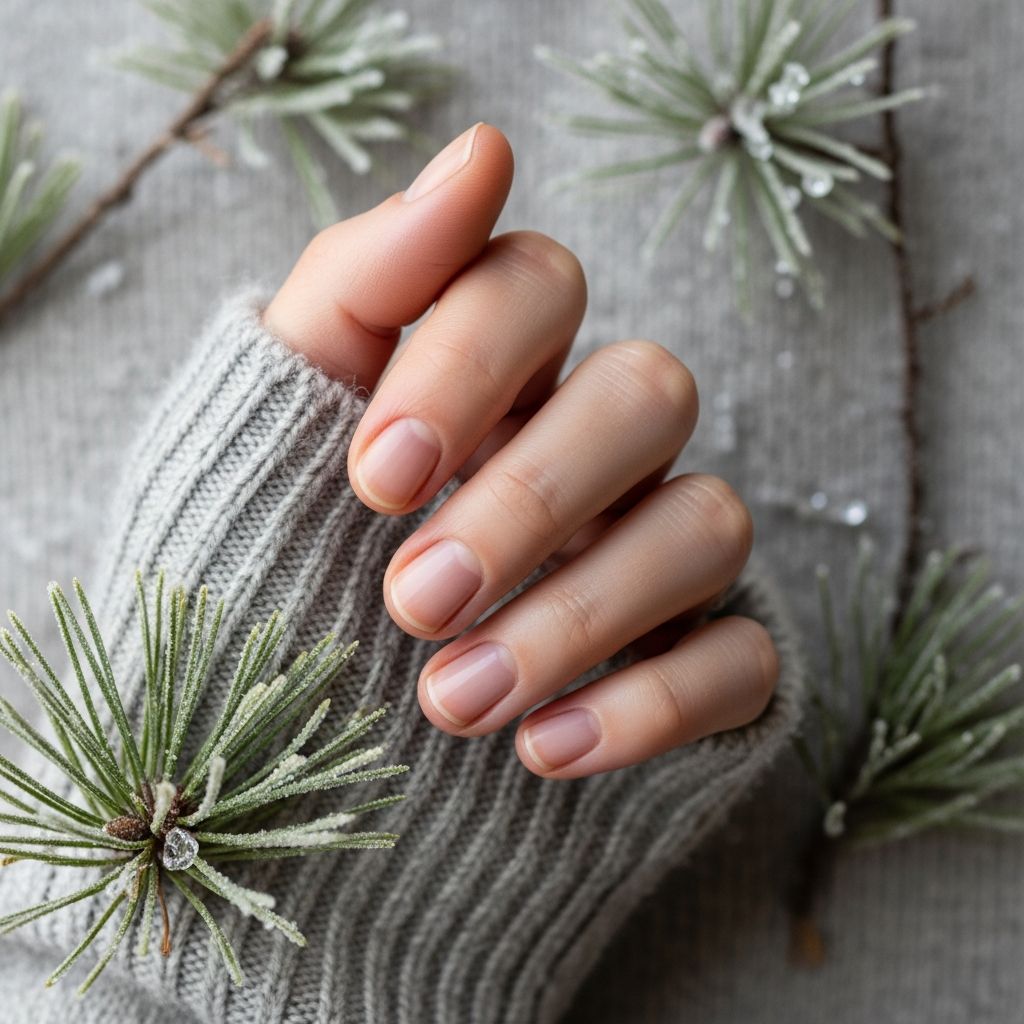
Cold weather is famously tough on skin, but nails quietly suffer too. Between icy air, indoor heating, hot water, and constant manicures, winter often leaves nails thin, flaky, and prone to breakage. A strategic break from polish during the colder months can act like a reset button, giving your nails the space and time they need to repair and rebuild.
What Winter Really Does to Your Nails
Nails are made primarily of keratin, a protein that is sensitive to changes in moisture and temperature. When the air becomes cold and dry, nails lose water more quickly, becoming rigid, brittle, and more likely to peel or split. Indoor heating, frequent handwashing, and hot showers only increase that moisture loss.
At the same time, cold weather can reduce blood flow to the hands, slowing nail growth and making it harder for the body to supply nutrients to the nail matrix. The result is a perfect storm of slower growth, weaker structure, and more visible damage—especially if nails are constantly covered with polish and remover.
Common Winter Nail Problems
- Peeling or flaking at the tips.
- Horizontal splits or vertical cracks.
- White patches or rough, chalky texture after polish removal.
- Dry, ragged cuticles and painful hangnails.
- Nails that refuse to grow past a certain length without breaking.
Why a Winter Polish Break Makes Sense
A polish break simply means going without nail polish—regular, gel, or acrylic—for a set period so that the natural nail can rest from constant solvents, filing, and product buildup. Winter is an ideal time for this because nails are usually hidden under gloves, and many people are less focused on bright, summery manicures.
During a break, nails are no longer repeatedly exposed to acetone-based removers, coarse filing, buffing, and layers of pigment and topcoat. Without these repeated stressors, the nail plate has a chance to regain moisture balance and show its true condition, making it easier to target the real issues.
Key Benefits of a Winter Nail Detox
- Allows thinning or over-filed nails to rebuild without further stress.
- Reduces exposure to harsh removers and drying chemicals.
- Makes it easier to see signs of damage, discoloration, or infection.
- Improves the way future polish applies and wears once nails recover.
- Encourages better daily care habits, like moisturizing and gentle trimming.
How Long Should You Pause Your Polish?
The ideal length of a polish break depends on how frequently you usually wear nail color and how damaged your nails are. For many people, two to four weeks is enough time to see noticeable improvement in strength, smoothness, and shine. Severely damaged or heavily processed nails (for example, from frequent gel or acrylic removal) may benefit from six to eight weeks of consistent care.
Think of your break as a short, focused treatment period rather than a permanent lifestyle change. You are pressing pause, not stop, and giving your nails a chance to rebuild their resilience so future manicures last longer and look better.
| Nail Condition | Typical Symptoms | Suggested Break |
|---|---|---|
| Generally healthy | Occasional peeling, minor dryness | 2 weeks of no polish |
| Moderately damaged | Frequent peeling, soft edges, splits | 3–4 weeks of no polish |
| Heavily processed | Post-gel or acrylic, very thin nails | 6–8 weeks with focused care |
| Visible discoloration | Yellowing, spots, uneven tone | At least 4 weeks; seek professional advice if it persists |
Step-by-Step: Starting Your Winter Nail Detox
If your nails rarely see the light of day without polish, the idea of a “naked nail” phase may feel intimidating. Turning it into a structured, pampering ritual makes it easier—and more rewarding—to stick with your plan.
1. Remove Old Polish Gently
Begin by removing existing polish with the least aggressive remover you can find—preferably non-acetone or one with added conditioning ingredients. Avoid scraping or forcefully peeling off gel or acrylic products; this pulls away layers of the nail plate and can cause lasting weakness. If necessary, have professional enhancements removed at a reputable salon to minimize damage.
2. Trim and Shape Conservatively
After removal, trim nails to a practical length that feels strong and comfortable in cold-weather gloves. Gently file in a single direction with a fine-grit file to prevent additional splitting. Rounded or soft squoval shapes tend to chip less in winter than sharp corners or very long lengths.
3. Focus on Cuticle Care
Cuticles act as a natural barrier, protecting the new nail as it forms. Instead of cutting them, soften them with warm water or a gentle cuticle softener, then carefully push them back with a wooden stick or soft tool. Regular application of cuticle oil helps keep them pliable, reducing hangnails and keeping the nail base healthier.
Your Winter Nail-Care Routine Without Polish
Once your nails are bare, a simple, consistent routine will do more for their health than any elaborate treatment. The goal is to prevent dehydration, protect from mechanical stress, and support healthy growth from the inside out.
Daily Care Checklist
- Apply a rich hand cream after every handwashing.
- Use cuticle oil or a nourishing balm at least once or twice a day.
- Wear gloves outside and while doing dishes or household cleaning.
- Keep nails at a manageable length to reduce accidental breaks.
- Avoid using nails as tools for prying, scraping, or opening packages.
Weekly Treatment Ideas
- Soak hands for a few minutes in lukewarm water with a small amount of gentle soap or oil, then moisturize thoroughly.
- Lightly buff the nail surface only if there are rough patches, and avoid over-buffing.
- Apply a nail-strengthening serum or breathable treatment formula if desired.
- Give yourself a mini hand massage to improve circulation to the fingertips.
Supporting Nail Health From the Inside
Topical products can dramatically improve nail comfort and appearance, but internal factors matter just as much. Nails often reflect overall health, especially protein intake, hydration levels, and certain vitamins and minerals. During winter, people may drink less water and eat fewer fresh foods, which can indirectly affect nail quality.
Focus on balanced meals that include lean protein, healthy fats, and a variety of fruits and vegetables. Staying hydrated with water or unsweetened beverages supports both nails and skin. If you suspect a deficiency or experience persistent changes in nail color, shape, or thickness, consult a healthcare professional before relying on supplements.
Helpful Nutrition Habits for Better Nails
- Include protein sources such as eggs, beans, fish, or poultry in daily meals.
- Eat colorful vegetables and fruits for a wide range of vitamins and antioxidants.
- Stay mindful of hydration, aiming to sip water throughout the day.
- Talk to a professional before starting any nail-specific supplement regimen.
What If Bare Nails Make You Feel Undone?
For many people, painted nails feel like part of their identity or “finished” look. The thought of bare nails doesn’t have to mean feeling unpolished. During your winter break, focus on creating a neat, groomed appearance that feels intentional rather than temporary or neglected.
You can still use certain clear or breathable products that protect and enhance the natural nail without the intensity of full manicures. Think of this phase as a new style moment: fresh, minimal, and quietly luxurious.
Polish-Free Ways to Make Nails Look Good
- Use a clear, breathable nail treatment to add a gentle sheen.
- Buff lightly for a natural, healthy-looking satin finish.
- Keep the free edge evenly shaped and smooth to avoid snags on sweaters or gloves.
- Pair your natural nails with well-moisturized hands and a favorite ring or bracelet for a polished effect.
When and How to Reintroduce Polish
After your planned break, reintroduce polish thoughtfully so you do not undo your progress. Begin with shorter wear times—such as a week on, a few days off—rather than jumping straight back into back-to-back manicures. This pattern gives your nails regular windows to reset between color applications.
Remember that healthy nails provide the best base for any manicure. If you notice new peeling, cracking, or soreness once you restart polish, use that as feedback to adjust how often you wear color or how you remove it.
Gentler Manicure Habits Going Forward
- Always use a base coat to prevent staining and create a smoother surface.
- Avoid aggressively buffing or filing the nail plate before every polish application.
- Limit the use of very strong removers, and moisturize immediately afterward.
- Build in regular mini-breaks, even during the rest of the year, to maintain resilience.
Frequently Asked Questions About Winter Nail Breaks
Do nails actually need to “breathe”?
Nails do not literally breathe, because they are made of dead keratin cells, but they can absolutely benefit from time without polish and remover. Constant coatings and solvents can dehydrate and weaken the nail plate, so a break reduces cumulative stress and allows the nail to regain its natural moisture balance.
Will a polish break fix yellow nails?
A break from dark or highly pigmented colors can help mild staining gradually fade as the nail grows out. However, strong or persistent discoloration can sometimes signal fungal infection, medication effects, or other health concerns, so it is wise to consult a professional if the issue does not improve or is accompanied by thickening, crumbling, or pain.
Can I use strengthening treatments during my break?
Yes, many people find that breathable strengthening treatments, oils, and serums support recovery by protecting the nail surface and adding flexibility. Look for products that emphasize conditioning and resilience rather than only hardening, because overly rigid nails can still snap under pressure.
Is it okay to keep gel or acrylics during winter if I take care of them?
Enhancements can be worn year-round, but they require careful maintenance and removal. If your nails already feel thin or sore, or if enhancements frequently lift or break, winter is a strategic time to pause and let your natural nails rebuild. If you choose to keep them, work with a trusted professional who prioritizes nail health over extreme length or aggressive filing.
How do I know if I need professional help instead of just a break?
If you notice sudden changes in color, texture, or shape; recurring pain; pronounced ridges; or nails that separate from the nail bed, it is important to seek advice from a medical professional. A cosmetic routine can support healthy nails, but it cannot diagnose or treat underlying conditions that may show up in nail appearance.
Make Winter Your Nail Reset Season
Winter’s slower pace and bundled-up wardrobe make it easier to step back from high-maintenance manicures and focus on nail health. A structured break from polish, paired with consistent moisturizing, gentle shaping, and mindful nutrition, can leave your nails stronger and more resilient by the time warmer weather returns.
Think of your winter nail detox as an investment: a few weeks of intentional care now can lead to smoother, less brittle nails that hold color better, chip less, and look naturally glossy—even before you reach for a bottle of polish again.