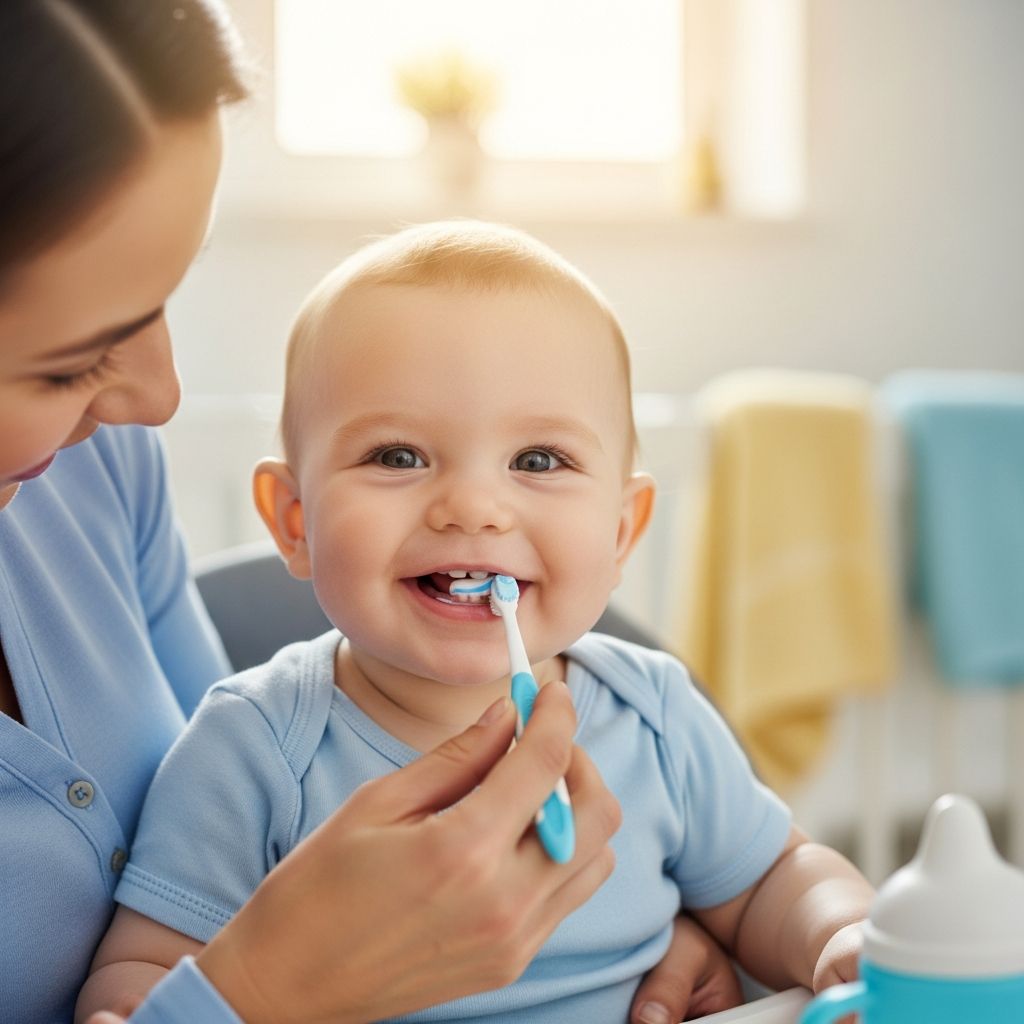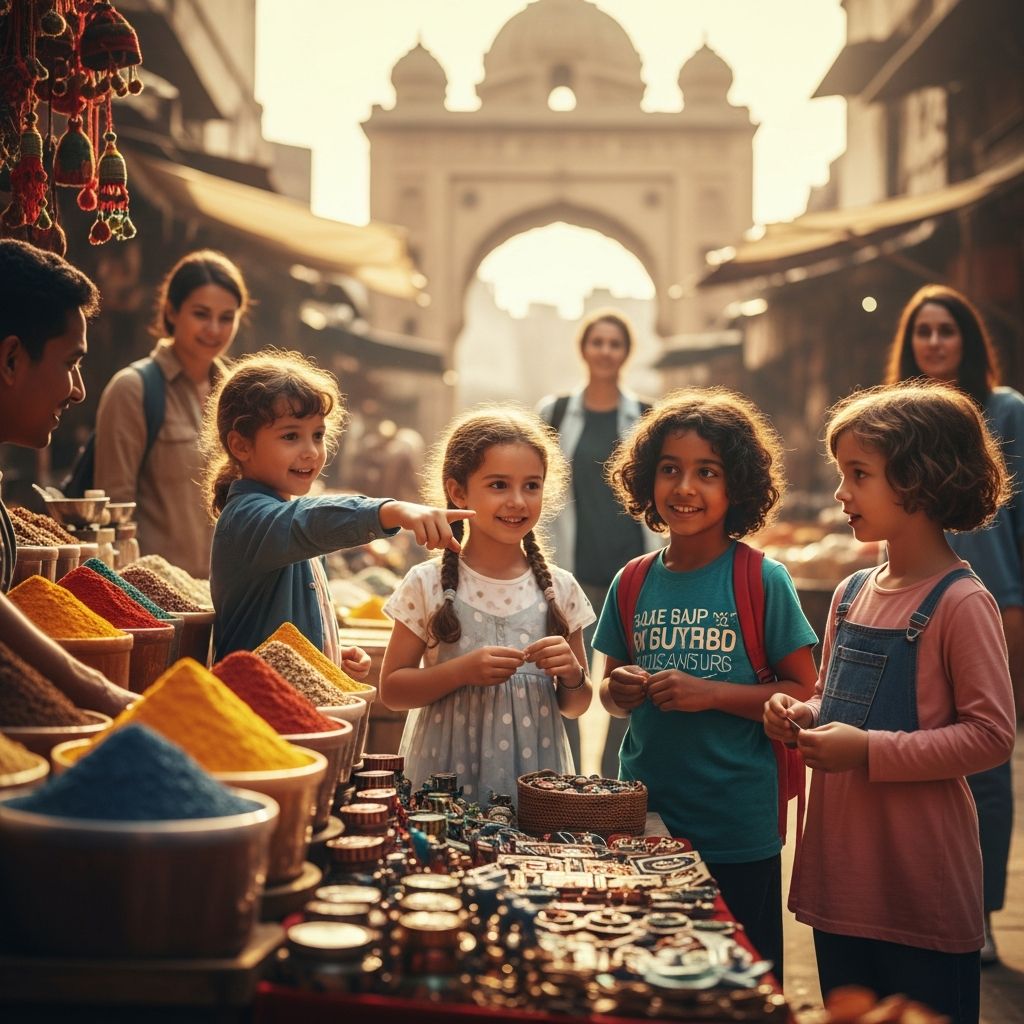
Embarking on journeys with infants and toddlers transforms family dynamics and child development in remarkable ways. Early exposure to diverse environments sparks curiosity, adaptability, and empathy from the start.
The Cognitive Leap from Global Exploration
Young minds absorb information like sponges, and travel accelerates this process exponentially. When children encounter new sights, sounds, and smells, their brains form novel neural connections that enhance problem-solving and creativity.
Consider how navigating unfamiliar airports or markets teaches spatial awareness and quick decision-making. Studies show that varied experiences in early years boost executive function skills, preparing kids for academic success later.
- New sensory inputs stimulate language development through exposure to accents and foreign words.
- Pattern recognition improves as children compare home routines to those abroad.
- Memory consolidation strengthens via immersive storytelling from trips.
Parents report that toddlers return from vacations with expanded vocabularies, naming exotic fruits or animals they encountered firsthand—far beyond picture books.
Building Emotional Resilience Through Adventure
Travel challenges young children to adapt to jet lag, different foods, and cultural norms, fostering resilience that classroom settings rarely provide. Facing minor discomforts like bumpy rides or spicy meals builds grit and emotional regulation.
This ‘stress inoculation’—mild challenges followed by parental support—equips kids to handle life’s bigger hurdles. Research from child psychologists indicates early travelers exhibit lower anxiety levels in new situations.
| Challenge | Skill Gained | Long-term Benefit |
|---|---|---|
| Unfamiliar bedding | Adaptability | Comfort in change |
| Time zone shifts | Self-soothing | Better sleep habits |
| Local customs | Empathy | Social intelligence |
Families who prioritize these experiences note children who bounce back faster from setbacks, viewing obstacles as exciting puzzles rather than threats.
Cultural Awareness: Seeds of Global Citizenship
From baby steps in foreign markets to toddler playdates with local kids, early travel instills cultural sensitivity. Children learn that ‘normal’ varies—some places eat dinner at midnight, others nap midday—promoting tolerance and open-mindedness.
This foundation counters ethnocentrism, vital in our interconnected world. Young travelers grow into adults who navigate diversity effortlessly, a skill employers prize.
- Observing festivals teaches respect for traditions.
- Sampling global cuisines expands palates and appreciation.
- Interacting with non-English speakers builds patience and non-verbal cues.
Strengthening Family Ties Amidst Discovery
Shared adventures create irreplaceable bonds. Without screens or schedules, families connect deeply—parents carrying sleeping infants through ancient ruins, siblings giggling over gelato mishaps.
These moments forge trust and teamwork. Data from family studies reveals that vacationing together correlates with higher marital satisfaction and closer parent-child relationships.
Moreover, undivided attention during travel counters daily distractions, allowing genuine conversations that deepen understanding.
Practical Strategies for Traveling with Tiny Explorers
Packing light and planning flexibly makes infant travel feasible. Opt for baby carriers over strollers on cobblestone streets, and choose destinations with family-friendly amenities.
- Start small: Weekend getaways build confidence before international flights.
- Pack smart: Universal adapters, reusable diapers, and comfort items ease transitions.
- Embrace routines: Maintain nap times amid adventures for harmony.
- Document joy: Photos and journals preserve memories for future reflections.
Budget airlines and off-season travel keep costs down, proving adventure needn’t break the bank.
Health and Safety: Myths Busted
Concerns about germs or vaccinations often deter parents, yet evidence shows travel bolsters immunity through controlled exposures. Consult pediatricians for tailored advice, but most destinations pose minimal risks with basic precautions.
Outdoor activities in fresh air combat sedentary lifestyles, promoting physical development. Hydration, sunscreen, and handwashing suffice for most trips.
Long-Term Rewards: Investing in Futures
Childhood travels yield dividends in adolescence and adulthood. Early explorers often pursue international careers, speak multiple languages, and exhibit higher creativity.
They view the world as abundant, not intimidating, carrying humility from realizing their ‘normal’ is one of many. Parents witness this evolution, proud of raising adaptable global citizens.
Frequently Asked Questions (FAQs)
Is it safe to travel with babies under one year?
Yes, with precautions like up-to-date vaccinations and avoiding high-risk areas. Many families fly internationally from infancy without issues.
What age is best to start family trips?
The earlier, the better—infants adapt quickly, and benefits compound over time.
How does travel affect sleep schedules?
Short-term disruptions occur, but consistency restores rhythms faster in young children.
Can budget families afford global travel?
Absolutely—hostels, trains, and volunteering programs make it accessible.
Does travel harm child development?
No; it enhances it by providing real-world learning over rote education.
Real Stories from Traveling Families
One family trekked through Southeast Asia with a 6-month-old, crediting the trip for their child’s early multilingualism. Another crossed Europe by train with toddlers, forging sibling bonds unbreakable today.
These anecdotes underscore travel’s magic: not perfection, but presence and wonder.
References
- Why You Should Travel While You’re Young — GoAbroad.com. Accessed 2026. https://www.goabroad.com/articles/highschool-study-abroad/why-you-should-travel-young
- Why Everyone Should Travel While They’re Young — uVolunteer. Accessed 2026. https://www.uvolunteer.net/blog/everyone-travel-theyre-young/
- 7 Reasons You Should Travel While You’re Young — Lifehack.org. Accessed 2026. https://www.lifehack.org/articles/lifestyle/7-reasons-you-should-travel-while-youre-young.html
- 3 Reasons to Travel While You’re Young — Jeff Goins. Accessed 2026. https://goinswriter.com/travel-young/
- Benefits of Traveling: 5 Ways Travel Keeps You Young — Discover Corps. Accessed 2026. https://discovercorps.com/benefits-of-traveling-travel-keeps-young/
- 10 Reasons to Travel While Your Kids Are Young — Becoming Minimalist. Accessed 2026. https://www.becomingminimalist.com/kids-travel-benefit/
- 6 Reasons Why Traveling Abroad is Important for Young People — Greenheart Travel. Accessed 2026. https://greenhearttravel.org/blog/high-school-abroad/6-reasons-why-traveling-abroad-is-important-for-young-people