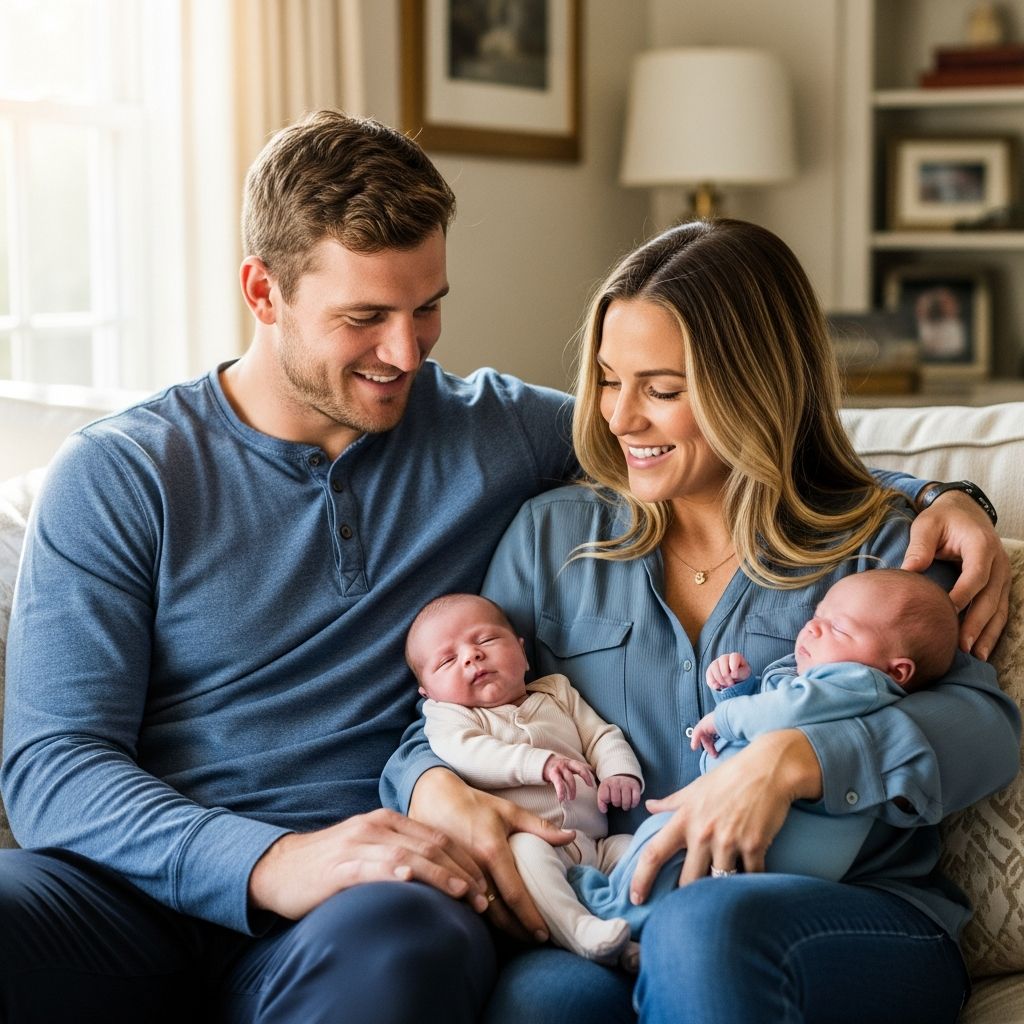
The journey of parenthood unfolds in rapid, transformative phases, each brimming with unique wonders and challenges. New parents often grapple with the intensity of the newborn period, yet scientific insights reveal profound adaptations that make these moments irreplaceable. By understanding these shifts and intentionally savoring them, families can build enduring connections that enrich every stage.
Brain Transformations: How Parenthood Rewires You for Connection
Upon welcoming a newborn, parents experience remarkable neurological changes that prime them for deep bonding. Research shows heightened activity in key brain regions, fostering emotional attunement and responsiveness.
- Amygdala activation: This area heightens vigilance, ensuring parents remain alert to their baby’s safety cues, creating an instinctive protective drive.
- Hypothalamus and oxytocin surge: The bonding hormone oxytocin increases, strengthening affectionate ties and promoting nurturing behaviors.
- Dopamine reward pathways: These systems deliver feelings of joy and motivation, reinforcing the pleasures of caregiving amid exhaustion.
Studies using functional MRI scans demonstrate these networks light up more intensely when parents view their own infants compared to others, underscoring the personalized nature of this rewiring. Gray matter density grows in these areas, correlating with positive parental emotions and empathy.
Complementing emotional centers, the mentalizing network in the prefrontal cortex sharpens. This enables parents to interpret subtle nonverbal signals—fussy cries, sleepy gazes, or hungry grips—allowing intuitive anticipation of needs. Enhanced neural connections between emotional and cognitive regions ground parents in the present, making endless baby gazing a natural, fulfilling state.
The Magic of Newborn Days: Hidden Joys Amid the Chaos
The newborn phase, though demanding, holds ephemeral delights that seasoned parents often yearn to revisit. Sleep patterns, while erratic, offer frequent clusters of rest, especially in those initial weeks when babies slumber deeply on caregivers.
Bonding opportunities abound: the soft, milky scent of a swaddled infant, the velvet touch of tiny fingers clasping yours, and the quiet rhythm of shared breaths during skin-to-skin contact. These sensory experiences forge foundational attachments, with advice from experienced mothers emphasizing unhurried cuddles to immerse fully in this tininess.
| Newborn Joy | Why It Matters | Tip to Savor |
|---|---|---|
| Intimate Snuggles | Builds oxytocin bonds | Dim lights, co-sleep safely |
| Fresh Baby Scent | Triggers calming responses | Hold close post-bath |
| Frequent Naps | Allows synchronized rest | Sleep when baby does |
| Simple Needs | Fosters confidence | Respond promptly |
Contrary to exhaustion myths, newborns’ love for sleep provides windows for parental recharge, contrasting later stages’ complex routines. This period’s simplicity—feed, sleep, cuddle—instills early parenting confidence before mobility and independence complicate dynamics.
Overcoming Challenges: Loving the Phase You’re In
It’s normal not to feel instant, overwhelming love; bonds deepen gradually through consistent interaction. The baby phase tests endurance with unexplained cries and disrupted nights, yet these trials cultivate resilience and appreciation for easier days ahead.
Parents can navigate hardships by acknowledging dual realities: adoring the child while enduring phase-specific strains. Hiding for a breather amid screams doesn’t diminish love—it’s human. Recognizing phases as temporary reframes sweat as investment in growth.
- Validate exhaustion without guilt.
- Celebrate small victories like a settled feed.
- Seek support to prevent isolation.
Transitions Ahead: What Comes After Newborn Bliss
Phases evolve swiftly: coos become words, crawls turn to runs, and cuddles shift to adventures. Each transition brings fresh delights—the first smile eclipsing sleepless nights, rolling over heralding exploration.
Parents reflect on missing newborn portability versus embracing toddler energy. The key? Mindful presence prevents wishing away current joys for future promises, as “next phases” arrive unbidden.
Deciding on More: Signs Your Family is Ready to Expand
Contemplating siblings involves holistic readiness. Intuition signals completion or craving more when the heart yearns deeply, unpressured by externals.
Physical recovery is paramount: ACOG advises 18 months post-birth to minimize complications, allowing healing from cesareans or tears. Mental health stabilization, resolved postpartum issues, and restored sleep indicate preparedness.
| Readiness Factor | Green Flags | Red Flags |
|---|---|---|
| Emotional | Excited > Anxious | Persistent doubts |
| Partner Alignment | Mutual enthusiasm | One-sided pressure |
| Physical Health | Fully recovered | Ongoing issues |
| Mental State | Stable, rested | Unresolved PPD |
Trust internal cues: if more ready than not, proceed; otherwise, pause confidently.
Practical Strategies: Making the Most of Every Stage
To avoid regrets, adopt intentional practices across phases.
- Capture memories: Journal daily quirks, photograph unposed moments.
- Limit distractions: Set device-free hours for undivided attention.
- Reflect weekly: Note phase highlights to appreciate evolutions.
- Build routines: Anchor days with rituals easing transitions.
- Connect communally: Share stories with peers for perspective.
These habits transform overwhelm into gratitude, ensuring no phase slips unnoticed.
Frequently Asked Questions (FAQs)
Is it normal to not love the newborn stage immediately?
Yes, bonding evolves over time through responsive care; instant love isn’t universal, and that’s perfectly okay.
How long should I wait before another baby?
ACOG recommends at least 18 months for optimal health, but consult your doctor for personalized guidance.
What brain changes help with parenting?
Enhanced amygdala, hypothalamus, dopamine systems, and mentalizing networks boost vigilance, bonding, reward, and empathy.
How can I savor fleeting baby moments?
Prioritize snuggles, sleep when they do, journal, and stay present without future-wishing.
Do all parents miss the newborn phase later?
Many do for its intimacy, though each stage offers unique joys worth embracing fully.
Long-Term Perspective: Building Lifelong Family Joy
Parenthood’s mosaic of stages crafts resilient bonds. By honoring brain-driven instincts, celebrating phase-specific gems, and preparing thoughtfully for expansions, parents cultivate fulfillment. The swift passage underscores presence: today’s challenges birth tomorrow’s treasures. Embrace it all.
References
- Ten Changes New Parents Face — Greater Good Science Center, Diana Divecha. 2014-approx (authoritative review of peer-reviewed studies). https://greatergood.berkeley.edu/article/item/ten_changes_new_parents_face
- Should I Have Another Baby? Signs You’re Ready — The Bump, citing ACOG guidelines. Recent (ACOG primary source). https://www.thebump.com/a/signs-youre-ready-for-another-baby
- Five Things You’ll Miss About the Newborn Phase — Indianapolis Moms. Recent. https://indianapolismoms.com/parenting-perspectives/five-things-youll-miss-about-the-newborn-phase-the-second-time-around/
- What To Know Before Having A Baby — Little Ones. Recent. https://www.littleones.co/blogs/our-blog/words-from-the-wise-what-no-one-told-us-about-having-a-baby
- How I Finally Learned to Love the Newborn Baby Stage — Pampers. Recent. https://www.pampers.com/en-us/baby/parenting-life/article/reasons-to-love-the-newborn-baby-stage