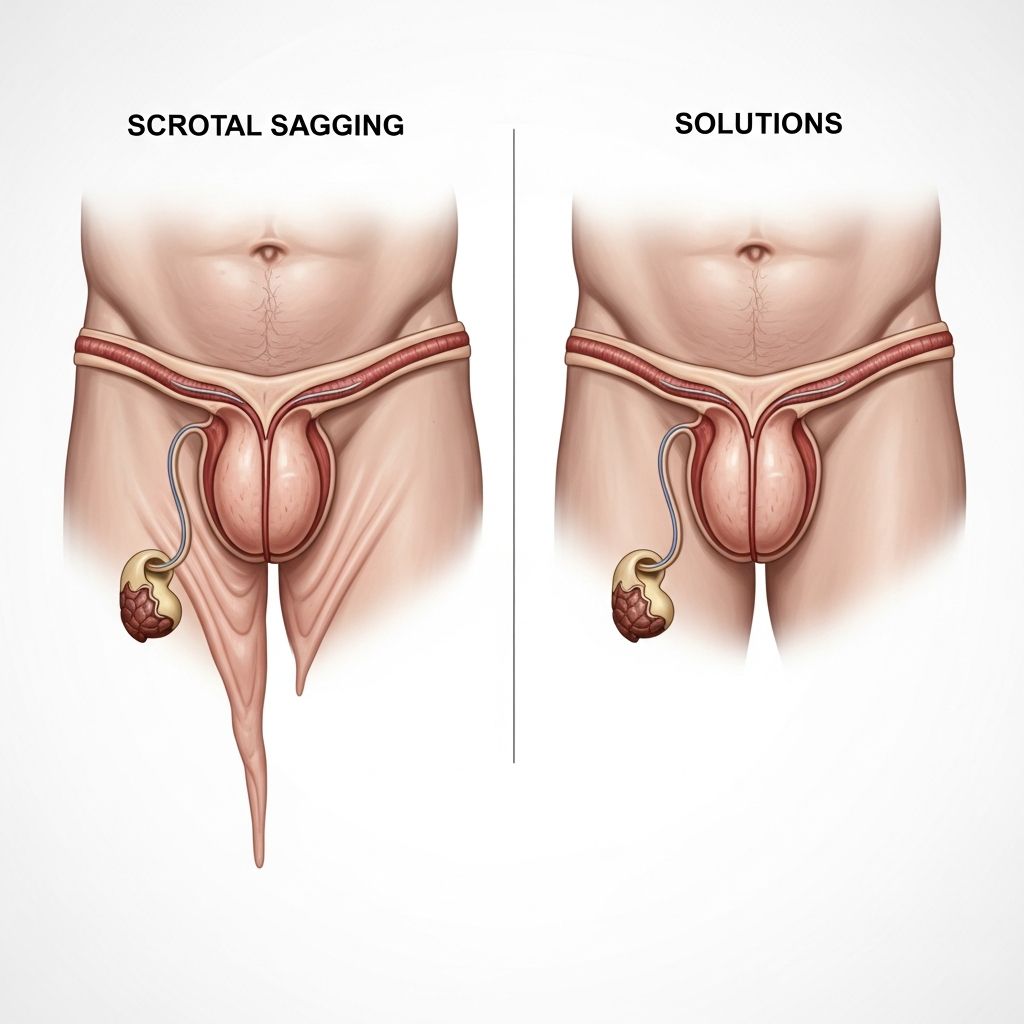
Scrotal sagging, often noticed as testicles hanging lower than before, is a common change many men experience over time. This natural phenomenon stems from the body’s design and aging effects on skin and tissues. While it rarely affects function, understanding it empowers informed choices for maintenance and care.
The Biology Behind Scrotal Positioning
The scrotum serves a critical role in male reproductive health by regulating temperature for optimal sperm production. Testicles require a temperature about 2-3 degrees Fahrenheit cooler than core body heat, around 95-97°F, to function effectively. The scrotum achieves this through a dynamic system involving skin laxity and muscle contractions.
The cremaster muscle, surrounding the spermatic cord, contracts in cold conditions to draw testicles closer to the body for warmth. In heat or after activity, it relaxes, allowing the scrotum to elongate and lower the testicles away from the torso. This adaptability ensures fertility but becomes more pronounced with age as elasticity diminishes.
Primary Factors Driving Age-Related Sagging
As men age, several interconnected changes contribute to increased scrotal sag:
- Collagen and Elastin Loss: Skin’s supportive proteins decline after age 30, reducing bounce-back ability. By the 40s and 50s, this leads to looser scrotal skin.
- Muscle Atrophy: Weakening of dartos and cremaster muscles reduces tension, allowing greater hang.
- Gravity’s Cumulative Effect: Decades of downward pull exacerbate tissue stretching.
- Hormonal Shifts: Declining testosterone influences skin thickness and muscle tone indirectly.
These shifts typically begin subtly in the 30s, accelerating post-50, but individual variation exists based on genetics and lifestyle.
Distinguishing Normal Changes from Health Concerns
Most sagging is benign and does not impair ejaculation, fertility, or sensation. However, prompt evaluation is essential if accompanied by:
- Sudden swelling or lumps suggesting cysts, hernias, or varicoceles.
- Persistent pain, redness, or fever indicating infection or torsion.
- Asymmetric sagging or rapid onset unrelated to age.
According to urological guidelines, routine self-exams monthly can help monitor changes early. Consult a physician for any anomalies to rule out issues like epididymitis or tumors.
Lifestyle Strategies to Minimize Progression
While sagging cannot be fully halted, proactive habits can preserve skin integrity and muscle support:
| Strategy | Benefits | Practical Tips |
|---|---|---|
| Balanced Nutrition | Boosts collagen via vitamins C, D, A, E; omega-3s reduce inflammation | Eat citrus, leafy greens, nuts, fish; aim for 75mg vitamin C daily |
| Hydration | Maintains skin plumpness and elasticity | Drink 64-100 oz water daily, more with exercise |
| Regular Exercise | Enhances circulation, muscle tone; controls weight | 30 min moderate cardio 5x/week plus strength training |
| Sun and Vice Avoidance | Prevents collagen breakdown from UV, smoking, excess alcohol | Use SPF 30+ on exposed skin; limit drinks to 1-2/day |
| Moisturizing | Supports barrier function | Apply unscented lotion post-shower to groin area |
These measures, supported by dermatological research, slow overall skin aging, indirectly benefiting the scrotum.
Evaluating Popular Remedies and Myths
Online forums abound with unproven fixes. Here’s a breakdown:
- Kegel Exercises: Strengthen pelvic floor for bladder control but lack evidence for scrotal tightening. One expert notes they target muscles irrelevant to skin laxity.
- Supportive Underwear: Provides temporary lift and comfort during activity but no long-term prevention. Breathable options prevent overheating.
- Reduced Sexual Activity: No link exists; frequency does not influence elasticity. Erections may even temporarily firm appearance.
- Topical Creams or Supplements: General moisturizers hydrate but no product reverses sagging. Avoid gimmicky ‘firming’ scrotal lotions lacking clinical trials.
High-sugar diets may hasten glycation, stiffening collagen—opt for low-glycemic eating instead.
Surgical Interventions for Severe Cases
When sagging causes chafing, discomfort during intimacy, or psychological distress, scrotoplasty offers relief. This outpatient procedure removes excess skin, tightens tissues, and repositions testicles, taking 45-90 minutes under local/general anesthesia.
Candidates include men with significant laxity post-weight loss, aging, or congenital factors. Recovery involves 1-2 weeks of rest, ice, and supportive garments, with low complication rates like infection or scarring when performed by urologists specializing in aesthetics.
Results are durable but aging continues; repeat procedures are rare. Costs range $3,000-$7,000, often not insured unless medically necessary.
Daily Habits for Optimal Scrotal Health
Beyond prevention, nurture the area:
- Gentle cleansing with mild soap to avoid irritation.
- Avoid prolonged heat exposure like hot tubs, which can impair sperm over time.
- Weight management: Excess fat stretches skin further.
- Mental health focus: Body image concerns benefit from counseling if impacting life quality.
Integrating these fosters confidence and function.
Frequently Asked Questions
Is scrotal sagging a sign of low testosterone?
No, it’s primarily skin and gravity-related, though low T can contribute to muscle loss. Blood tests confirm hormone levels if symptoms like fatigue persist.
Does exercise make sagging worse?
Appropriate exercise maintains tone; high-impact without support may cause temporary retraction, not worsening.
Can I fix sagging naturally after 50?
Lifestyle slows it, but reversal requires surgery. Consistency yields best outcomes.
When should I see a doctor?
For pain, swelling, or lumps—don’t delay. Annual check-ups recommended post-40.
Are there non-surgical tightening devices?
No FDA-approved devices exist; lasers for skin tightening are unproven for scrotum.
References
- Skin Conditions and Aging — National Institute on Aging, NIH. 2024-05-01. https://www.nia.nih.gov/health/skin-care/skin-conditions-and-aging
- Testicular Health and Temperature Regulation — Cleveland Clinic. 2023-11-15. https://my.clevelandclinic.org/health/body/24438-scrotum
- Collagen Loss and Skin Aging — American Academy of Dermatology. 2025-01-10. https://www.aad.org/public/everyday-care/skin-care-secrets/anti-aging/skin-care-30s-40s-50s
- Scrotoplasty Procedure Overview — Mayo Clinic. 2024-08-20. https://www.mayoclinic.org/tests-procedures/scrotoplasty/about/pac-20562687
- Glycation and Skin Aging — Journal of Clinical and Aesthetic Dermatology. 2010-06-01 (seminal study, still authoritative). https://www.ncbi.nlm.nih.gov/pmc/articles/PMC3583892/