Adolescence has always been a period of turbulence, but for teens entering 2026, the obstacles feel overwhelmingly steeper. Unlike previous generations who dealt primarily with local social dynamics and basic academic demands, today’s youth grapple with a hyper-connected world saturated with digital scrutiny, intensified academic competition, pervasive mental health issues, and easier access to potent substances. Recent surveys and studies reveal that U.S. teens identify anxiety and depression as the most prevalent problems in their schools, affecting daily life profoundly. This article delves into these evolving challenges, contrasts them with past eras, and offers practical guidance for parents and educators.
The Digital Overload Reshaping Teen Social Worlds
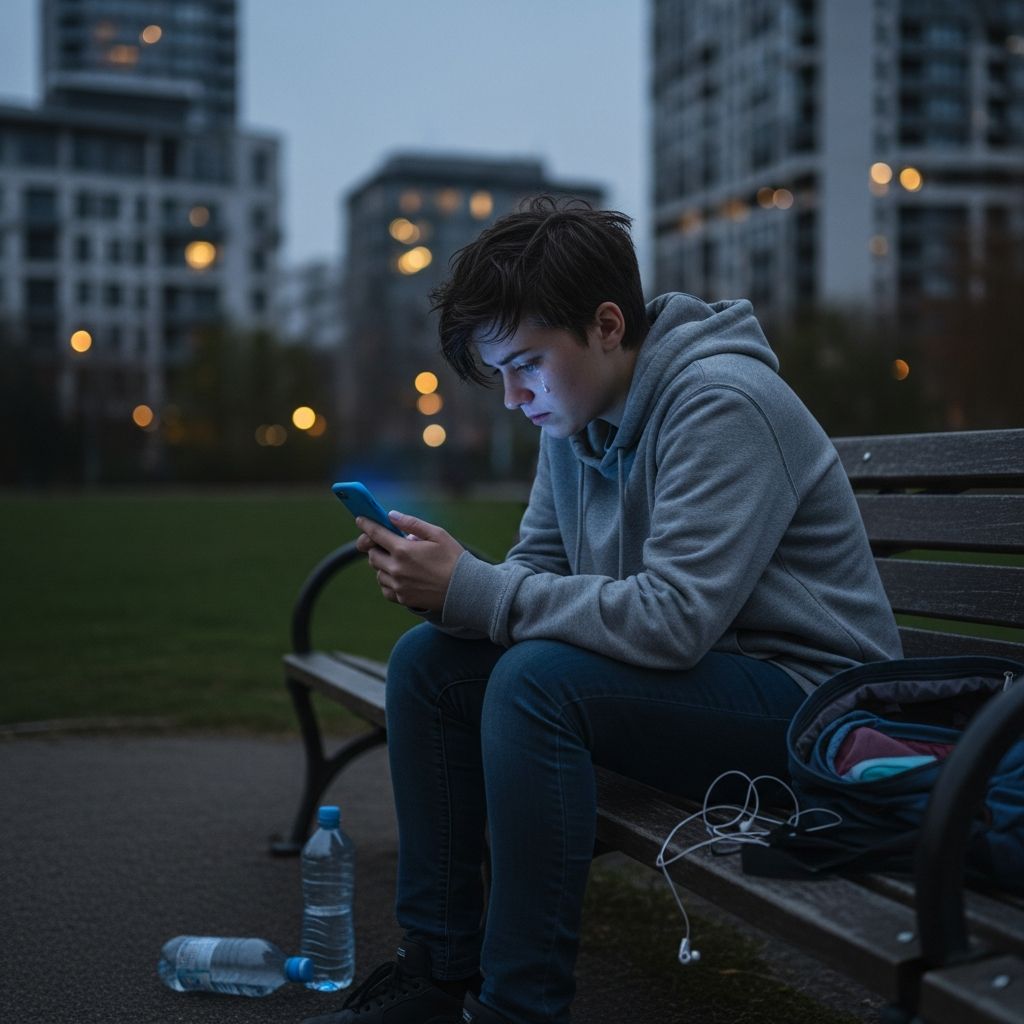
Social media has transformed from a novelty into an inescapable force in teen lives. Platforms like TikTok, Instagram, and Snapchat dominate their waking hours, fostering relentless comparison and exposure to curated perfection. This constant feed of idealized lives erodes self-esteem, fueling body image issues and a pervasive sense of inadequacy. Cyberbullying thrives in these spaces, where anonymous attacks can escalate quickly without immediate adult intervention.
Unlike parents who socialized face-to-face with finite peer groups, modern teens face global audiences judging their every post. This digital panopticon amplifies peer pressure, pushing adolescents to conform or risk viral humiliation. The result? Heightened isolation despite apparent connectivity, contributing to what experts term a loneliness epidemic among youth.
- Constant Connectivity: Teens check phones over 100 times daily, disrupting sleep and focus.
- Comparison Trap: Filtered images distort reality, leading to dissatisfaction with personal appearance and achievements.
- Cyber Risks: Harassment and misinformation spread rapidly, intensifying emotional distress.
Academic Demands: The Relentless Pursuit of Excellence
The educational landscape has shifted dramatically. Teens now shoulder expectations to excel in advanced coursework, standardized testing, and extracurriculars from middle school onward. Parents from earlier decades often enjoyed unstructured time for hobbies, but today’s adolescents build résumés laden with AP classes, sports, clubs, and volunteer hours to secure competitive college spots.
This overload manifests in chronic stress, with many reporting burnout before graduation. The message is clear: any stumble could derail futures in an economy demanding specialized skills early. Global uncertainties like economic instability further compound this, as teens internalize fears of job scarcity.
| Challenge | Past Generations | Today’s Teens |
|---|---|---|
| Academic Pace | Slower, exploratory | Accelerated, competitive |
| Extracurriculars | Optional fun | Mandatory for applications |
| Future Focus | Post-high school | Middle school onward |
Mental Health: A Crisis Demanding Urgent Attention
Mental health tops the list of school-related issues for 30% of U.S. teens, who deem anxiety and depression extremely common among peers. Globally, one in seven adolescents battles a mental disorder, representing 15% of the world’s disease burden in this age group. Factors like pandemic aftermath, climate anxiety, and social isolation exacerbate this surge.
Alarmingly, only 58.5% of teens feel they receive adequate social-emotional support, while 93.1% of parents believe they do—a dangerous disconnect linked to poorer health outcomes, sleep issues, and low life satisfaction. Boys particularly report fewer confidants, turning to peers over adults amid rising emotionally driven school avoidance.
Substance Use: Hidden Dangers in Plain Sight
While alcohol persists, new threats loom larger. Vaping nicotine or THC has exploded, with discreet devices delivering pack-equivalent doses rapidly, fostering quick addiction. Unregulated marijuana cartridges often contain contaminants, and prescription misuse thrives via social media sales.
Potency and accessibility make experimentation deadlier; counterfeit pills pose overdose risks unknown to prior generations. Stress from academics and mental health drives coping through substances, creating a vicious cycle. About 19% of teens note drug use as very common in schools.
Peer Dynamics and Identity Formation Under Fire
Forming an identity amid peer pressure is tougher with hyper-connected networks amplifying conformity demands. Marginalized teens face amplified discrimination online, hindering authentic self-development. This internal conflict breeds turmoil, as adolescents hide facets of themselves for acceptance.
Global awareness of issues like violence exposure and climate change adds existential weight, forcing premature adult-like engagement.
Strategies for Parents: Bridging the Support Gap
Parents can counter these pressures effectively:
- Open Dialogues: Regularly discuss online experiences without judgment to build trust.
- Model Balance: Demonstrate healthy tech limits and stress management.
- Seek Professional Help: Encourage therapy; normalize mental health care.
- Reduce Over-Scheduling: Prioritize downtime over endless activities.
- Foster Offline Bonds: Promote in-person hobbies and family time.
Sharing personal teen stories humanizes struggles, showing growth isn’t linear. Schools must bolster emotional support, addressing post-pandemic gaps.
Positive Traits Emerging from Adversity
Despite hardships, 2026 teens exhibit strengths: tech fluency, global awareness, and resilience from navigating complexity early. With guidance, they can channel these into thriving adulthoods.
Frequently Asked Questions
How can parents spot if their teen lacks emotional support?
Watch for withdrawal, sleep changes, declining grades, or irritability. Initiate non-confrontational check-ins; 40% of teens report insufficient support despite parental optimism.
Is social media entirely harmful for teens?
Not entirely— it aids connection and creativity, but unmanaged use heightens anxiety. Set boundaries like screen-time limits to mitigate risks.
What role do schools play in teen mental health?
They should provide counselors and anti-bullying programs. Teens flag anxiety/depression and bullying as top issues, urging better resources.
Are today’s substances more dangerous than before?
Yes, due to higher potency, easy online access, and contaminants in vapes/pills, increasing addiction and overdose risks.
Can parents help with academic stress?
Absolutely—emphasize effort over perfection, ensure rest, and explore interests beyond grades to foster well-rounded growth.
References
- Heading into 2026: Why Teens Face Harder Challenges Than Their Parents Did — Michael De Leon Blog. 2026. https://www.michaeldeleonblog.org/blog/growing-up-in-2026-why-teens-face-harder-challenges-than-their-parents-did
- Problems Adolescents Face – Common Issues & Solutions — Hillside Horizon. 2025. https://hillsidehorizon.com/blog/problems-adolescents-face/
- U.S. teens need far more emotional and social support — American Psychological Association. 2025-04-05. https://www.apa.org/monitor/2025/04-05/teen-social-emotional-support
- Problems teens see in their schools — Pew Research Center. 2025-03-13. https://www.pewresearch.org/social-trends/2025/03-13/problems-teens-see-in-their-schools/
- What Young People Want: Listening to a Generation at a Crossroads — Partnership for Maternal, Newborn & Child Health (WHO-affiliated). 2025-08-12. https://pmnch.who.int/news-and-events/news/item/12-08-2025-what-young-people-want-listening-to-a-generation-at-a-crossroads
- Landmark report reveals key challenges facing adolescents — Murdoch Children’s Research Institute. 2025. https://www.mcri.edu.au/news/news-stories/landmark-report-reveals-key-challenges-facing-adolescents