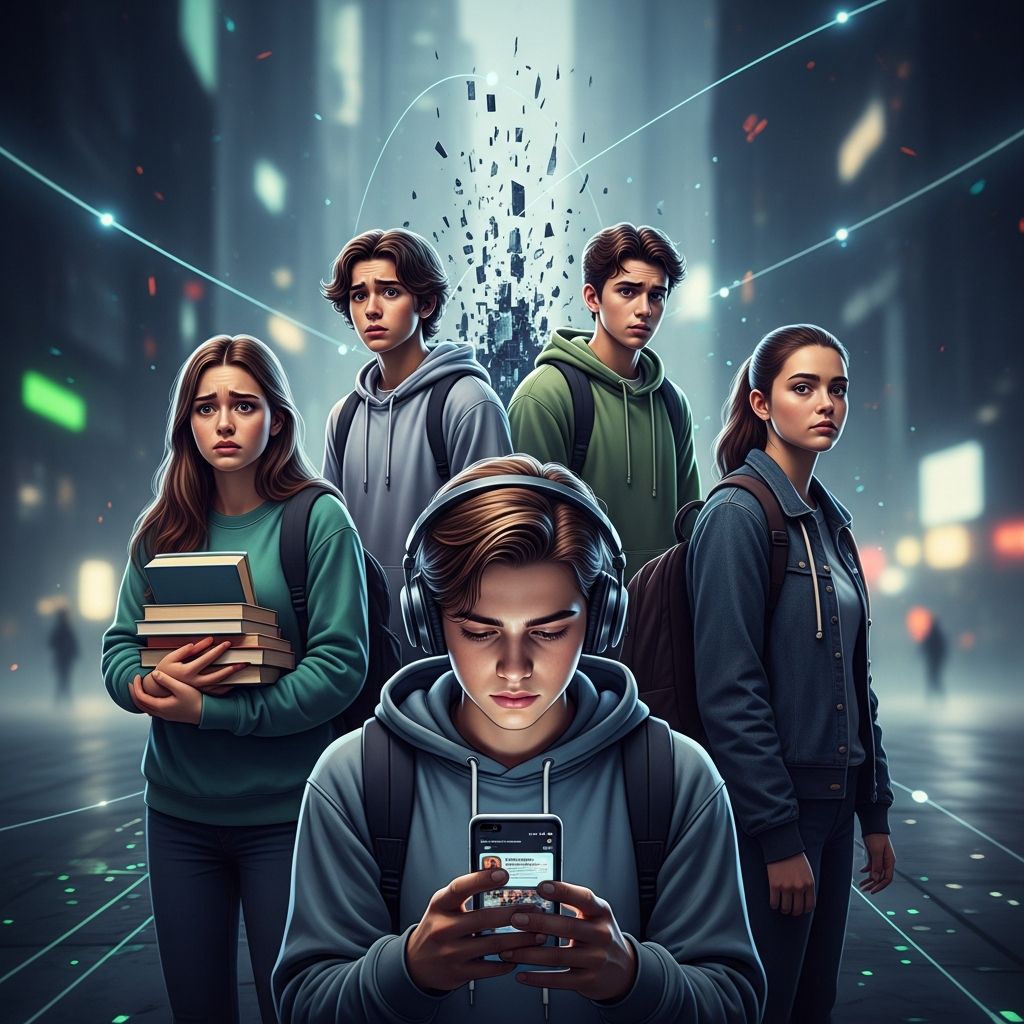
Adolescence has always been a turbulent phase, but for teens navigating 2026, the obstacles feel uniquely intense. Constant digital connectivity, heightened academic demands, and global uncertainties amplify everyday pressures into profound crises. Parents often reflect on their own youth with nostalgia, yet surveys reveal that both generations agree: it’s tougher now. This article delves into the primary hurdles teens encounter, backed by recent data, and offers practical guidance for fostering resilience.
The Surge in Mental Health Concerns Among Youth
Mental well-being tops the list of worries for teenagers today. Over 40% of high school students report persistent sadness or hopelessness, with rates climbing higher for girls and LGBTQ+ youth. The World Health Organization identifies depression, anxiety, and behavioral disorders as leading causes of disability in this age group, with suicide ranking as the third leading cause of death among adolescents globally.
Social media fuels this epidemic. Teens average up to nine hours daily online, fostering relentless comparison and FOMO—fear of missing out. Doomscrolling through negative news exacerbates feelings of isolation and inadequacy. Warning signs include withdrawal, sleep disturbances, irritability, and plummeting grades. Early intervention is crucial; only about 58.5% of U.S. teens feel they consistently receive needed emotional support.
- Isolation’s Role: Teens are among the most isolated demographics, worsened by remote learning and a lack of age-specific community spaces.
- Global Anxieties: Exposure to climate crises, political turmoil, and economic volatility heightens future dread.
- Brain Development: Hormonal shifts and maturing brains make teens vulnerable to amplified stress responses.
Digital Overload and Cyberbullying Epidemic
Technology reshapes teen social dynamics in profound ways. Unlike past generations’ offline hangouts, today’s youth exist in a hyper-connected realm where cyberbullying affects 15-20% of students, disproportionately impacting females and LGBTQ+ individuals. Pew Research notes 22% of teens view bullying as extremely common in schools.
Social platforms magnify peer pressure, pushing risky behaviors like sexting or truancy. Teens curate flawless online personas, leading to body image issues and a longing for authentic belonging. The permanence of digital footprints means one mistake can haunt indefinitely.
| Issue | Prevalence | Impact |
|---|---|---|
| Cyberbullying | 15-20% of teens | Anxiety, depression, suicidal ideation |
| Excessive Screen Time | Up to 9 hours/day | Sleep disruption, isolation |
| Sexting Risks | Widespread among peers | Long-term reputational harm |
Parents can counter this by modeling tech boundaries—no phones at dinner—and promoting offline pursuits like sports or clubs to rebuild real-world ties.
Academic and Extracurricular Pressures Mounting
School stress reigns as the top anxiety trigger for teens. The drive for top grades, advanced courses, and college prep starts earlier, leaving little room for exploration. Extracurriculars—sports, volunteering, internships—are résumé staples, creating overload. Pew data shows anxiety/depression as the most cited school problem by 30% of teens.
Post-pandemic effects linger: absenteeism and emotional school avoidance rise, with only half feeling adequately supported emotionally. This perfectionist culture erodes childhood joy, forcing adult-like responsibilities prematurely. Positive flipside? Teens gain adaptability and global awareness sooner.
- Strategies for Relief: Prioritize balance; share personal teen stories to normalize imperfection.
- School Role: Advocate for integrated mental health services.
Substance Use: A Hidden and Deadly Threat
Drugs and alcohol persist as staples, but today’s versions are stealthier and deadlier. Vaping dominates, with nicotine devices mimicking USB drives for easy concealment. Pods can equal a pack of cigarettes, accelerating addiction. THC vapes, often contaminated, proliferate via social media.
| Substance | Then vs. Now | Risks |
|---|---|---|
| Vaping (Nicotine/THC) | New epidemic; hidden, potent | Fast addiction, lung damage, contaminants |
| Alcohol | Parties; now mixed with others | Binge risks amplified by social media |
| Prescription Misuse | Online access easy | Overdose from fakes |
19% of teens flag drug use as common in schools. Mental health links drive coping misuse; signs include jitteriness, mood swings, disappearing money, or friend shifts. Binge drinking pairs dangerously with vapes or pills. Accessibility via apps heightens dangers.
Uncertain Futures and Societal Shifts
Teens grapple with instability: climate threats, economic woes, and political divides breed pessimism. Unlike parents’ era of predictable paths, today’s youth face AI-disrupted jobs and housing crises. This fosters precocious maturity but erodes resilience margins.
Body image struggles compound isolation, as curated feeds distort self-perception. Boys report fewer confidants, relying on peers over adults.
How Parents Can Bridge the Gap
Empowerment starts at home. Open dialogues without judgment build trust. Monitor subtly for changes; encourage professional help promptly. Foster resilience via routines: exercise, sleep, hobbies. Limit screens; co-create family media rules.
- Build Connections: Schedule unplugged family time; volunteer together for purpose.
- Educate on Risks: Discuss vaping dangers factually, not fearfully.
- Self-Care Modeling: Demonstrate stress management to normalize seeking aid.
Schools must expand counseling; communities need teen hubs. Surveys affirm it’s harder now—constant connectivity leaves scant escape. Yet, with support, teens emerge equipped for complexities.
Frequently Asked Questions (FAQs)
What are the top mental health issues for teens?
Anxiety and depression lead, affecting over 40% of U.S. high schoolers, linked to social media and global worries.
How does social media harm teen well-being?
It promotes comparison, cyberbullying, and addiction, with 9+ daily hours worsening isolation and body image.
Why is vaping surging among youth?
Discreet devices and peer trends make it appealing; high nicotine/THC potency risks rapid addiction.
Can parents reduce academic stress?
Yes—emphasize effort over perfection, limit extracurriculars, and ensure sleep/exercise balance.
Signs a teen needs mental health help?
Persistent sadness, withdrawal, grade drops, or substance hints; act early for best outcomes.
References
- Heading into 2026: Why Teens Face Harder Challenges Than Their Parents Did — Michael De Leon Blog. 2026. https://www.michaeldeleonblog.org/blog/growing-up-in-2026-why-teens-face-harder-challenges-than-their-parents-did
- Common Issues that Teens Face — 3rdmil. 2024. https://3rdmil.com/common_issues_that_teens_face/
- The Most Common Teenage Issues and Problems — Clearfork Academy. N/A. https://clearforkacademy.com/blog/teenage-issues-and-problems/
- Problems teens see in their schools — Pew Research Center. 2025-03-13. https://www.pewresearch.org/social-trends/2025/03/13/problems-teens-see-in-their-schools/
- Mental health of adolescents — World Health Organization. 2024. https://www.who.int/news-room/fact-sheets/detail/adolescent-mental-health
- U.S. teens need far more emotional and social support — American Psychological Association. 2025. https://www.apa.org/monitor/2025/04-05/teen-social-emotional-support