The Complex World of Adolescent Emotional Expression
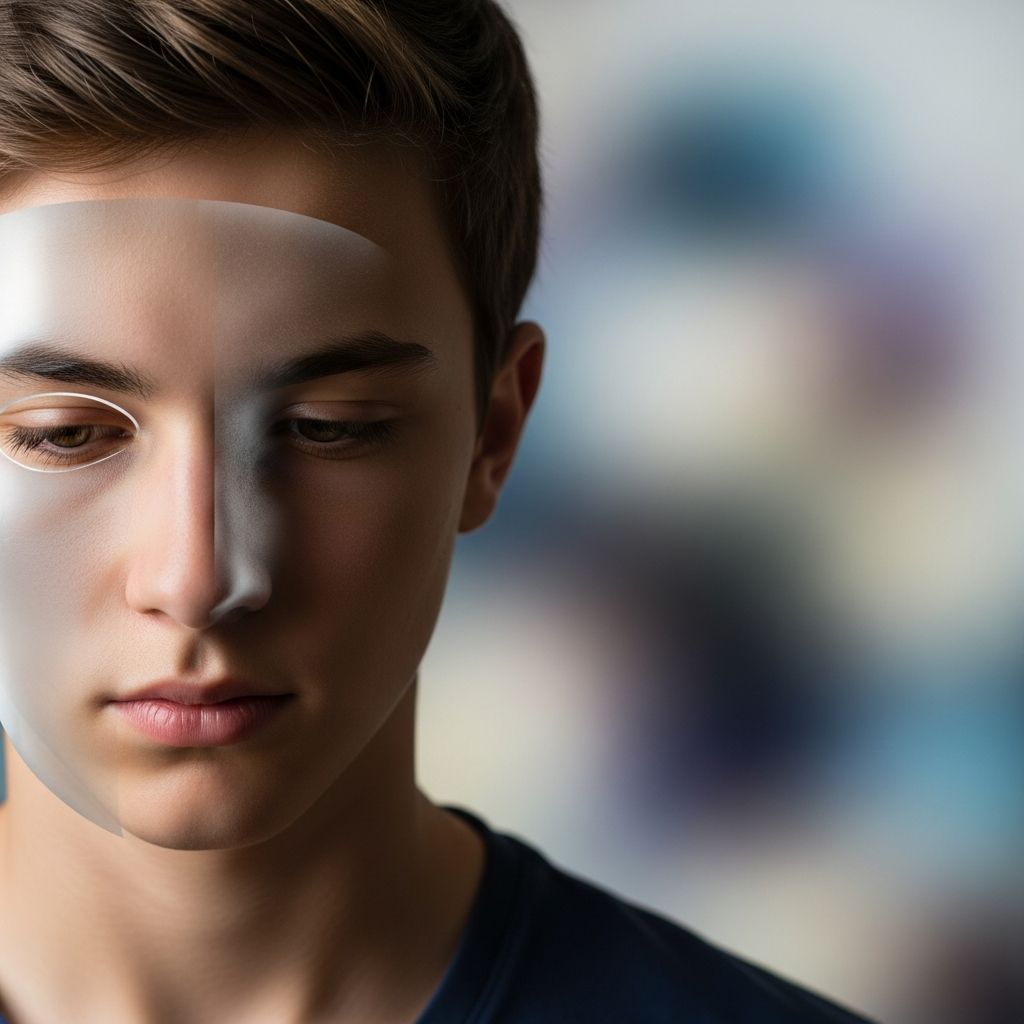
Adolescence represents a transformative period in human development, characterized by profound changes in how young people perceive themselves, interact with others, and manage their inner emotional lives. One behavior that frequently puzzles parents and caregivers is the tendency of teenagers to conceal their genuine feelings when around peers, while sometimes displaying different emotional expressions within family settings. This phenomenon, often referred to as emotional masking or emotion suppression, is a normal part of adolescent development rooted in neurobiological changes, psychological development, and social awareness.
Understanding why teenagers hide their emotions requires examining the intersection of brain development, identity formation, and the intensifying social pressures that characterize the teen years. Rather than viewing emotional concealment as inherently problematic, parents benefit from recognizing it as a developmentally appropriate response to the unique demands and opportunities of adolescent peer relationships.
The Developmental Foundations of Emotional Awareness
During adolescence, teenagers undergo significant cognitive and emotional development that profoundly influences how they perceive and express feelings. One of the most significant developments is that teens become increasingly aware of their own emotional states, learning to identify and name these emotions with greater precision. Simultaneously, they develop heightened social awareness, recognizing that their peers and family members experience emotions in ways unique to each individual. This emerging capacity for perspective-taking represents an important milestone in emotional maturation.
As adolescents develop these new cognitive abilities, they also begin to understand that emotions can be managed, controlled, and sometimes concealed strategically. This realization—that they have agency over their emotional expression—can paradoxically lead to increased suppression of feelings around peers, even as their capacity for emotional understanding grows. Teens start to step back and reflect on their emotions before reacting, developing what psychologists call “emotional regulation.” While this capacity for regulation is adaptive in many contexts, it sometimes manifests as emotional hiding in social situations.
Identity Formation and the Role of Peer Validation
One of the central psychological tasks of adolescence is establishing a coherent identity and sense of self. This process involves integrating the opinions and influences of significant others—parents, peers, teachers, and other role models—into a developing sense of who they are and what they value. Peer groups play an outsized role in this identity formation process, as teenagers increasingly spend more time with friends than with family members.
Within peer groups, adolescents learn crucial social skills and practice relationship dynamics in a relatively equal context—with people their own age rather than with authority figures. This peer context carries heightened emotional stakes because teenagers are evaluating themselves partly through the reflected appraisals of their friends. The question of “what will my peers think?” becomes increasingly central to decision-making and self-presentation. Consequently, teenagers often moderate their emotional expression to align with what they perceive as peer expectations or social norms.
The need for peer belonging and validation is particularly acute during adolescence, as the developing teenage brain shows heightened sensitivity to social support and peer acceptance. This neurobiological reality means that perceived threats to peer belonging—including the fear that authentic emotional expression might lead to rejection—trigger powerful motivations to conceal or modify emotions in social settings.
Social Comparison and the Fear of Judgment
As teenagers develop the ability to think abstractly and consider multiple perspectives simultaneously, they become intensely aware of how their behavior and emotional expression compare to that of their peers. This social comparison process is a natural part of adolescent development but can create significant pressure to present a curated version of oneself. Teenagers may fear that displaying vulnerability, sadness, anxiety, or other “negative” emotions will result in judgment, mockery, or social exclusion.
The stakes of this social comparison feel particularly high during adolescence because peer relationships are shifting from the relatively stable friendships of childhood to more complex, sometimes unstable relationships marked by cliques, social hierarchies, and changing loyalties. In this environment, emotional authenticity can feel risky. A teen who expresses sadness about a friendship conflict might worry about being labeled as “weak” or “overly sensitive.” One who admits to anxiety about academics might fear being perceived as “not smart enough.” These concerns, whether consciously articulated or operating at a more intuitive level, drive emotional suppression around peers.
The Development of Social Skills and Emotional Labor
Healthy adolescent development requires that teenagers gradually acquire more sophisticated social skills, learning to navigate complex interpersonal situations with sensitivity and awareness. Learning when to express emotions fully, when to moderate expression, and when to support others emotionally represents advanced social competence. This learning process sometimes manifests as what might appear to be emotional hiding—teenagers experimenting with different levels of emotional disclosure to see what feels safe and acceptable in different social contexts.
What parents might interpret as “closing off” emotionally around friends may actually represent the teenager’s attempt to master the delicate balance of emotional expression. They are learning to read social cues, to understand what emotions their peers are experiencing, and to calibrate their own emotional expression accordingly. This is emotionally sophisticated work that can temporarily look like emotional suppression or inauthenticity.
Gender, Socialization, and Emotional Expression Norms
Different teens experience different social pressures regarding emotional expression based on gender and other social identities. Many adolescent boys report feeling pressure to suppress emotions associated with vulnerability—sadness, fear, or dependence—to conform to masculine norms within their peer groups. Girls sometimes face pressure to moderate anger, assertiveness, or competitive feelings. These gendered expectations around emotional expression, while beginning earlier in childhood, intensify during adolescence when peer group affiliation becomes more important.
Parents should recognize that these norms are powerful social forces, and teens navigating them are not being inauthentic in any moral sense—they are adapting to real social realities. However, prolonged emotional suppression can have negative consequences for mental health and wellbeing, making parental awareness and support particularly important.
Emotional Masking as a Self-Protection Strategy
From a psychological perspective, emotional masking often functions as a form of self-protection. By controlling their emotional expression around peers, teenagers maintain a sense of control over how they are perceived and reduce vulnerability to potential rejection or ridicule. This strategy makes intuitive sense given the developmental importance of peer relationships during adolescence.
However, research indicates that emotional suppression, when chronic or extreme, can interfere with genuine peer connection and authentic relationship building. Paradoxically, the very strategy designed to strengthen peer relationships through carefully managed presentation can sometimes undermine the deep connections that adolescents actually need. When emotional expression becomes too heavily monitored or suppressed, teenagers may struggle to develop the skills necessary for intimate friendships characterized by openness, honesty, and mutual vulnerability.
The Importance of Emotional Support Systems
Research demonstrates that adolescents who maintain strong, supportive relationships with at least one parent or trusted adult experience significantly better emotional outcomes than more isolated peers. These secure relationships provide a counterbalance to the emotional management required in peer contexts. Within the family context, adolescents can sometimes be more emotionally authentic, accessing support for feelings they may conceal among friends.
Young people who have strong peer relationships demonstrate better social and emotional functioning than isolated peers, yet this requires developing specific skills including the ability to share emotions and feelings, manage conflicts, and provide emotional support to others. Parents can play a crucial role in helping teenagers develop these capacities by providing safe spaces for emotional expression and modeling healthy emotional communication.
Practical Strategies for Supporting Emotional Authenticity
Parents seeking to help their teenagers navigate emotional masking and develop healthier peer relationships can implement several evidence-based approaches:
- Create an emotionally safe home environment: Demonstrate acceptance of the full range of human emotions without judgment. When teenagers express difficult feelings at home, respond with empathy rather than dismissal or criticism.
- Model emotional openness: Share your own emotions and feelings appropriately with your teen, demonstrating how adults can acknowledge and discuss feelings without shame. Avoid the message that certain emotions are unacceptable or should be hidden.
- Validate peer pressures: Acknowledge that peer dynamics genuinely do create pressure around emotional expression. Rather than dismissing these concerns, explore them together: “I understand that you might not want to show sadness around your friends—that feels risky. Let’s talk about what feels authentic and safe for you.”
- Teach emotional literacy: Help teenagers develop more sophisticated understanding of emotions—their own and others’—by discussing emotional nuances and helping them label feelings with precision.
- Support relationship skill-building: Encourage friendships where emotional sharing feels possible. Help teenagers identify peers who demonstrate emotional openness and acceptance, and discuss what makes these relationships feel safe.
- Discuss healthy emotional boundaries: Help your teen understand that selective emotional disclosure is different from unhealthy emotional suppression. It is appropriate to share different things with different people, but important to have at least some relationships where authentic emotions can emerge.
Recognizing When Emotional Masking Becomes Problematic
While moderate emotional regulation around peers is developmentally normal, extreme or pervasive emotional suppression can signal concerning patterns. Parents should monitor for signs that emotional masking may be interfering with their teen’s wellbeing, including persistent isolation, difficulty forming close friendships, depressive or anxious symptoms, or reports of feeling “fake” or inauthentic with peers.
If a teenager appears to be experiencing chronic emotional distress related to peer relationships or emotional expression, professional support from a therapist or counselor can help them develop healthier coping strategies and navigate the complex social landscape of adolescence with greater ease.
The Positive Potential of Peer Relationships
While peer pressure around emotional expression presents challenges, peer relationships also offer adolescents invaluable opportunities for growth and development. It is through friendships that teenagers learn to initiate relationships, maintain connections, resolve conflicts, and experience intimacy and belonging outside the family context. These relationships, when healthy, provide crucial support for emotional wellbeing and development.
Parents who understand emotional masking as a developmentally situated phenomenon—rather than as dishonesty or emotional dysfunction—can better support their teenagers in navigating the complex balance between appropriate emotional management and authentic peer connection. By providing emotionally supportive homes, modeling healthy emotional expression, and helping teens develop deeper relationship skills, parents create conditions where adolescents can gradually move toward greater emotional authenticity with peers while maintaining the emotional safety nets that healthy development requires.
Frequently Asked Questions
Is it normal for my teenager to express different emotions around friends versus at home?
Yes, this is developmentally typical. Adolescents develop the capacity to regulate and modulate their emotional expression in different contexts. It becomes concerning only if your teen appears completely inauthentic across all peer relationships or if emotional suppression seems to be causing significant distress.
How can I encourage my teen to be more emotionally open with friends?
Start by being emotionally open yourself at home, demonstrating that emotions are acceptable and manageable. Help your teen understand that deep friendships require some emotional vulnerability. Discuss specific relationships where they might feel safer being authentic. Avoid pushing too hard, as this can create additional pressure.
What if my teen seems to hide emotions even at home?
Persistent emotional withdrawal across all contexts may signal depression, anxiety, or other mental health concerns. If your teen is increasingly withdrawn or seems unable to access or express emotions even in safe family settings, consider seeking professional evaluation from a mental health provider.
Can emotional masking damage peer relationships?
Extreme emotional suppression can interfere with the development of close, intimate friendships where mutual vulnerability and authenticity are central. However, appropriate emotional regulation and selective disclosure are healthy and necessary for peer relationships to function well.
Should I talk to my teen directly about emotional masking?
This depends on your teen and your relationship. Rather than using clinical language like “emotional masking,” you might ask open-ended questions about how they feel in social situations or what makes them feel comfortable being themselves around friends. This creates space for authentic conversation without judgment.
References
- Social and Emotional Changes in Teens — University of Minnesota Extension. Accessed January 2026. https://extension.umn.edu/teen-development/social-and-emotional-changes-teens
- Teen Social and Emotional Development — University of Delaware Cooperative Extension. Accessed January 2026. https://www.udel.edu/academics/colleges/canr/cooperative-extension/fact-sheets/teen-social-and-emotional-development/
- U.S. Teens Need Far More Emotional and Social Support — American Psychological Association Monitor. April 2025. https://www.apa.org/monitor/2025/04-05/teen-social-emotional-support
- Social and Emotional Changes: Pre-teens and Teenagers — Raising Children Australia. Accessed January 2026. https://raisingchildren.net.au/pre-teens/development/social-emotional-development/social-emotional-changes-9-15-years
- Teens: Relationship Development — University of Rochester Medical Center. Accessed January 2026. https://www.urmc.rochester.edu/encyclopedia/content?contenttypeid=90&contentid=P01642
- Adolescent Connectedness: Cornerstone for Health and Wellbeing — National Institutes of Health. 2022. https://pmc.ncbi.nlm.nih.gov/articles/PMC9600165/
- Healthy Relationships in Adolescence — Office of Population Affairs, U.S. Department of Health and Human Services. Accessed January 2026. https://opa.hhs.gov/adolescent-health/healthy-relationships-adolescence