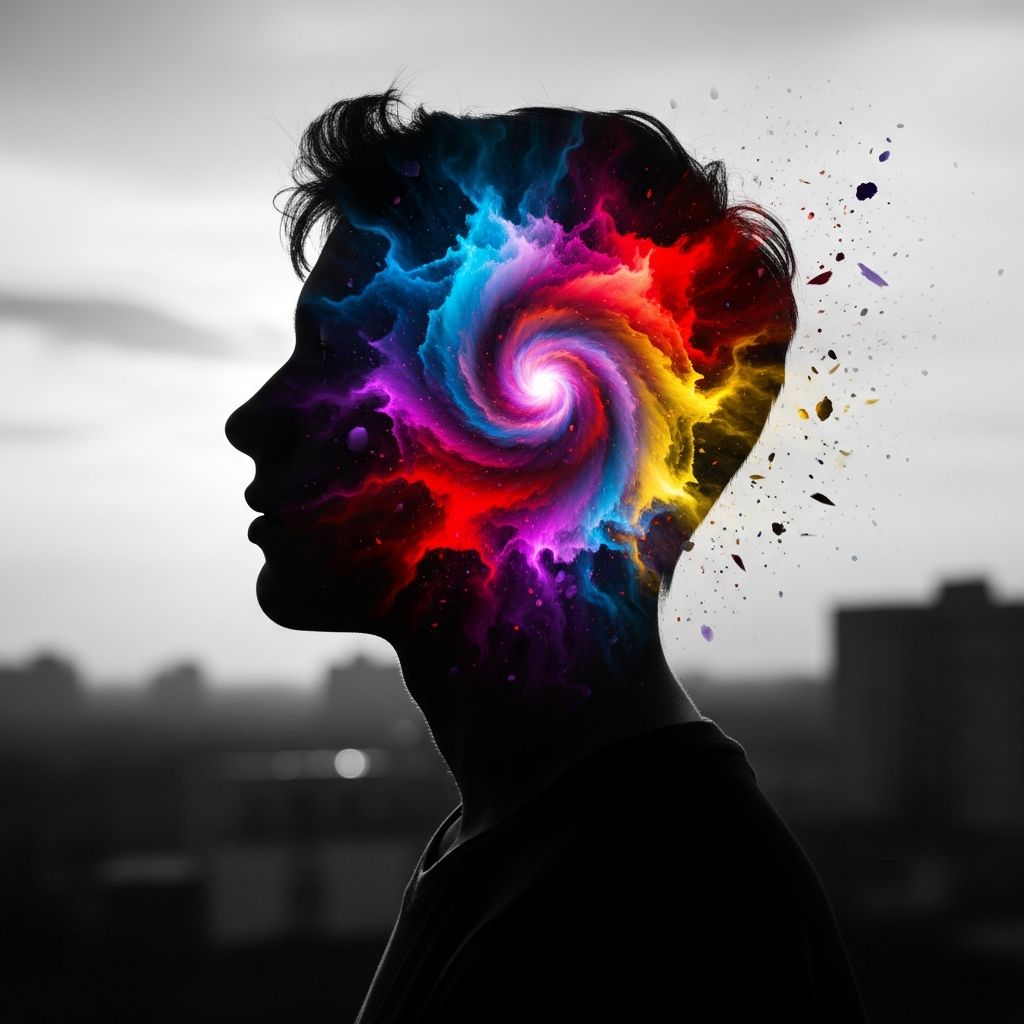
During the teen years, emotions can feel louder, stronger, and more confusing than ever before. You might go from laughing to wanting to cry in what feels like seconds, and even small problems can seem huge and overwhelming. These reactions are not a sign that something is “wrong” with you; they are a normal part of growing up and of how your brain and body are changing.
This guide explains why teen emotions are so intense, what common reactions look like, and how you can build skills to handle strong feelings in safe, healthy ways.
Why Teen Emotions Feel So Intense
Several powerful changes happen during adolescence that make emotional reactions stronger and more frequent than in childhood or adulthood.
Brain Changes: The Emotional System Matures First
Your brain is still under construction. The parts that drive emotion and reward develop faster than the areas responsible for planning and self-control.
- Limbic system on high alert: The limbic system, especially the amygdala, gets very active in the teen years. It reacts quickly to anything that seems important, rewarding, or threatening, especially in social situations.
- Slowly developing prefrontal cortex: The prefrontal cortex (PFC) helps you think ahead, weigh consequences, and calm down strong emotions. It keeps developing into your mid-20s, so its control over emotional impulses is still limited.
- Stronger response to social feedback: Brain imaging studies show that teens’ brains react more strongly than adults’ to peer approval, rejection, and evaluation, which can make emotional reactions to social situations especially intense.
Hormones and Physical Changes
Puberty brings large shifts in hormones that affect mood, energy, and sensitivity to stress.
- Rapid hormonal shifts: Increases in hormones like estrogen and testosterone influence brain chemicals that regulate mood, making feelings of sadness, irritability, and anger more likely to spike.
- Body changes and self-image: Changing height, weight, and appearance can lead to self-consciousness, worries about attractiveness, or feeling “out of place,” contributing to emotional ups and downs.
New Pressures and Responsibilities
On top of biological changes, teens deal with rising expectations at school, at home, and in relationships.
- More homework and academic pressure
- Social stress, including friendships, dating, and peer groups
- Questions about identity, future goals, and independence
- Online and social media comparison and conflict
All of these can combine to make your emotional reactions feel more intense and harder to manage than before.
Common Emotional Reactions in the Teen Years
Everyone experiences emotions differently, but certain patterns are especially common during adolescence.
Typical Emotional Experiences
- Mood swings: Quickly shifting from happy to sad, calm to angry, or confident to insecure, sometimes without a clear reason.
- Strong reactions to small problems: Minor issues, like a comment from a friend or a low quiz grade, might feel like disasters.
- Intense social emotions: Feeling especially sensitive to being left out, ignored, criticized, or judged by peers.
- Heightened stress response: Situations that might not bother others much can trigger racing thoughts, tension, or panic.
Emotional Overreactions vs. Emotional Dysregulation
It is normal to sometimes “overreact” when you are tired, stressed, or overwhelmed. But ongoing difficulty managing emotions can point to emotional dysregulation.
| Normal Ups and Downs | Possible Emotional Dysregulation |
|---|---|
| Occasional intense reactions that ease with time or support | Frequent intense emotions that feel out of control and last a long time |
| Can usually calm down with rest, distraction, or talking | Difficulty calming down even when trying healthy strategies |
| Reactions match the situation most of the time | Reactions are often much bigger than the event itself |
| Occasional impulsive choices | Ongoing impulsive or risky behaviors used to escape feelings (substances, self-harm, etc.) |
How Strong Emotions Show Up in Thoughts, Feelings, and Behavior
Emotional reactions rarely stay just in your head. They affect your body, your thoughts, and your actions at the same time.
What You Might Feel in Your Body
- Racing heart or breathing
- Stomachaches, nausea, or “butterflies”
- Headaches or muscle tension
- Shaking, sweating, or feeling hot
- Feeling exhausted after emotional ups and downs
What You Might Think
- “This is the worst thing that has ever happened.”
- “Everyone is judging me.”
- “I can’t handle this.”
- “They must hate me now.”
- “I always mess everything up.”
These thoughts often use words like always, never, and everyone, which can make emotions feel even stronger.
What You Might Do
- Yell, slam doors, or send angry messages
- Withdraw and avoid people or activities
- Engage in risky behaviors to escape feelings (reckless driving, substance use)
- Overeat or lose your appetite
- Scroll endlessly on social media to numb emotions
Healthy Skills for Managing Intense Emotions
Even though you cannot stop strong emotions from happening, you can learn skills to respond to them in safer and more effective ways. Building emotional regulation is like strengthening a muscle—it takes time and practice, but it gets easier.
1. Notice and Name What You Feel
Understanding your emotions is the first step toward managing them.
- Check in with yourself: Ask, “What am I feeling right now?” then, “What else might I be feeling underneath that?” (for example, anger hiding hurt or embarrassment).
- Use specific words: Instead of just “bad,” try words like anxious, disappointed, jealous, overwhelmed, lonely, or frustrated.
- Connect feelings to events: Try to link your emotion to what happened: “I felt anxious after I saw that post,” or “I felt rejected when they didn’t respond.”
2. Calm Your Body
Since emotions show up in your body, physical strategies can help bring you back to a steadier place.
- Slow breathing: Breathe in through your nose for a count of four, hold for four, then breathe out slowly through your mouth for six to eight counts. Repeat a few times.
- Grounding with the senses: Look around and notice five things you can see, four you can touch, three you can hear, two you can smell, and one you can taste.
- Movement: Take a brisk walk, stretch, dance, or do a quick workout to release built-up energy.
- Soothing actions: Take a warm shower, listen to calming music, or hold something comforting like a soft blanket.
3. Shift Unhelpful Thoughts
When you are highly emotional, your brain often jumps to extreme or negative conclusions. Gently questioning these thoughts can reduce emotional intensity.
- Check the evidence: Ask, “What facts support this thought? What facts don’t?”
- Consider other explanations: “If I didn’t assume the worst, what else could this mean?”
- Use more balanced language: Replace “I’ll never” or “everyone” with “sometimes” or “some people.”
- Talk to yourself like a friend: Imagine what you would say to a close friend feeling the same way—and say it to yourself.
4. Choose Safer Behaviors
You cannot always control how you feel, but you can control what you do next. Try to pick actions that keep you safe and support your long-term goals.
- Pause before reacting—walk away or wait a few minutes before sending texts or posting.
- Write feelings in a journal instead of acting them out.
- Talk to someone you trust rather than bottling everything up.
- Use music, art, or sports to release energy in a healthy way.
Building Emotional Resilience Over Time
Emotional resilience is the ability to recover from difficult experiences and keep going. It does not mean you never feel upset; it means you can move through tough emotions without getting stuck.
Daily Habits That Support Emotional Health
- Sleep: Aim for enough consistent sleep; lack of sleep can make emotions harder to manage.
- Movement: Regular physical activity supports mood and reduces stress.
- Balanced eating: Skipping meals or living on sugar and caffeine can increase irritability and energy crashes.
- Screen limits: Taking breaks from social media can ease comparison, FOMO, and conflict.
- Small joys: Make time for hobbies, creative activities, or time outside, even when you are busy.
Supportive Relationships
Strong connections help buffer against stress and emotional pain.
- Keep at least one adult in your life you can be honest with.
- Spend time with friends who respect you and make you feel safe.
- Practice communication skills—using “I” statements and listening as well as talking.
- Ask for what you need, such as space, a listening ear, or help problem-solving.
When Emotional Reactions May Signal a Bigger Problem
Strong feelings are part of being a teenager, but there are times when emotional reactions may point to anxiety, depression, trauma responses, or other mental health concerns.
Red Flags to Pay Attention To
- Intense emotions most days that do not seem to improve over weeks
- Constant irritability or anger that damages relationships
- Persistent sadness, hopelessness, or loss of interest in activities
- Frequent emotional outbursts over small triggers
- Strong reactions to reminders of a frightening or painful event (trauma)
- Self-harm, thoughts of death, or using substances to cope
If you notice these signs in yourself or a friend, it is important to reach out for professional help. Therapists, school counselors, and health providers are trained to help teens with emotional regulation, trauma, anxiety, depression, and related issues.
How to Ask for Help
Reaching out can feel scary, but asking for support is a sign of strength and self-respect.
- Choose someone you trust: a parent, caregiver, school counselor, doctor, coach, or other adult.
- Use simple, honest words, such as: “I’ve been having really strong feelings and I don’t know how to handle them,” or “I’m worried about how I’ve been feeling lately.”
- If talking is hard, write a note or text to start the conversation.
- If the first person doesn’t understand, try someone else—your experience deserves to be taken seriously.
Frequently Asked Questions (FAQs)
Is it normal to cry a lot as a teenager?
Yes. Because of brain and hormone changes, many teens feel emotions more intensely and may cry more often than they did as children. If crying is constant, linked to hopelessness, or interfering with daily life, it can help to talk with a health professional.
Why do small problems feel huge to me?
During adolescence, the brain areas that respond to emotions and rewards are very sensitive, especially to social situations. This can make ordinary events—like a comment from a friend or a test score—feel extremely important and emotionally powerful.
How can I stop myself from overreacting in the moment?
You cannot always stop strong feelings from showing up, but you can pause your response. Try taking a few slow breaths, walking away for a short break, or grounding yourself with your senses before you speak, text, or post. Then choose an action that fits your long-term goals rather than your short-term anger or panic.
When should I worry about my emotional reactions?
If intense emotions last for weeks, interfere with school, sleep, or relationships, or lead to self-harm, substance use, or thoughts of death, it is important to seek professional support. These can be signs of conditions like anxiety, depression, or trauma-related problems, which are treatable with help.
Can I really learn to control my emotions better?
Yes. Emotional regulation is a skill that improves with practice. Strategies like labeling feelings, calming your body, challenging unhelpful thoughts, and asking for support can strengthen the brain pathways that help you manage emotions more effectively over time.
References
- Emotional dysregulation in teens: Understanding, symptoms, and treatment — Bright Path Behavioral Health. 2023-04-10. https://www.brightpathbh.com/emotional-dysregulation-in-teens/
- Why are teenagers more susceptible to changing emotions? — Clearfork Academy. 2022-06-01. https://clearforkacademy.com/blog/why-teens-are-susceptible-to-changing-emotions/
- The neurobiology of the emotional adolescent: From the inside out — Casey, B. J. et al., Neuroscience & Biobehavioral Reviews. 2016-11-01. https://pmc.ncbi.nlm.nih.gov/articles/PMC5074886/
- Understanding teenage emotions — Forest Psychological Clinic. 2021-09-15. https://forestpsychologicalclinic.com/post/understanding-teenage-emotions
- Emotional overreactions in teens: Causes, signs, and support — Mission Prep Healthcare. 2023-02-20. https://missionprephealthcare.com/mental-health-resources/emotional-behavioral-symptoms/emotional-overeactions/
- Teen moods: Managing the ups and downs — Raising Children Network. 2022-01-18. https://raisingchildren.net.au/pre-teens/mental-health-physical-health/about-mental-health/ups-downs
- Trauma and teenagers – common reactions — Better Health Channel (Victorian Government). 2021-08-01. https://www.betterhealth.vic.gov.au/health/healthyliving/trauma-and-teenagers-common-reactions