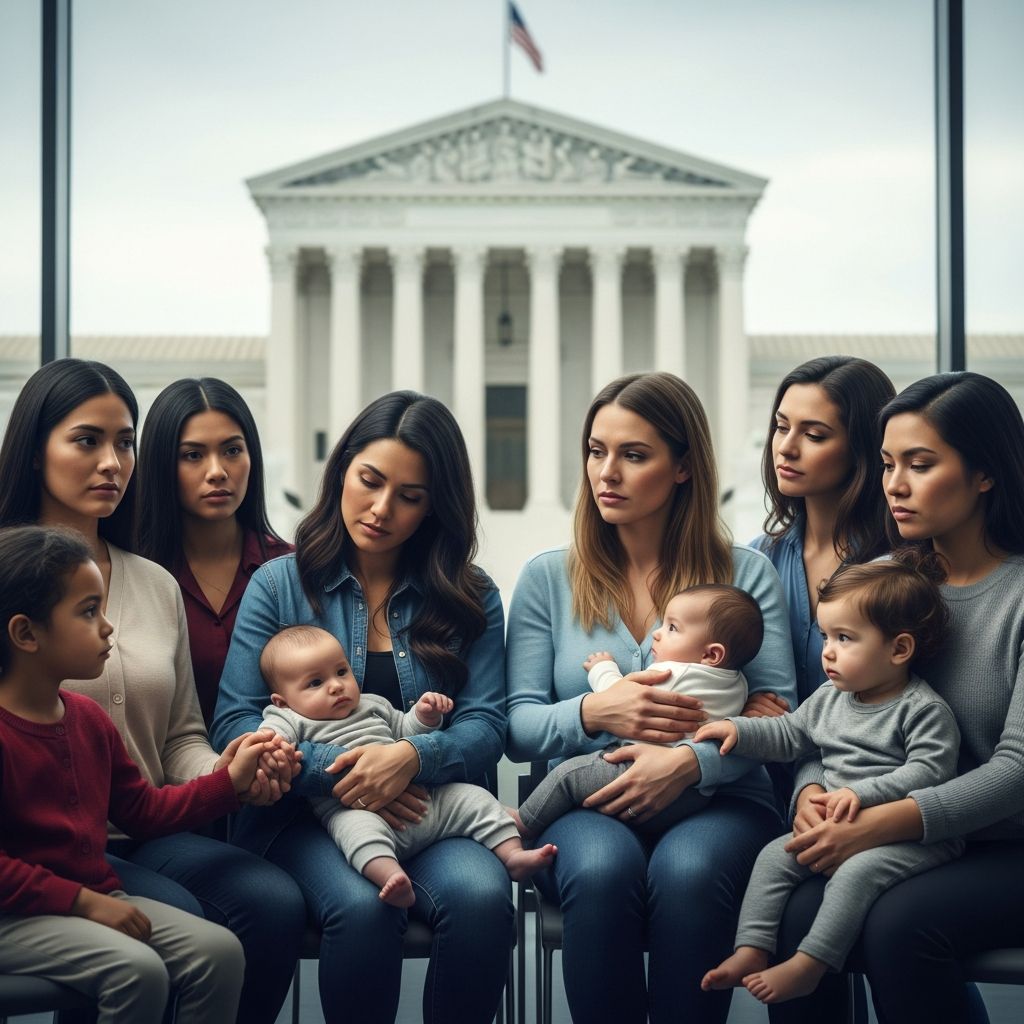
Supreme Court nominations carry immense weight for families across America, particularly for mothers navigating daily challenges like healthcare access, workplace equity, and child safety. These lifetime appointments influence rulings on issues central to parenting, from reproductive freedoms to education funding. This article examines why these selections resonate deeply with parental communities, highlighting key concerns and historical precedents.
Why Family Policies Hinge on Judicial Decisions
The Supreme Court serves as the final arbiter on constitutional matters affecting family structures. Decisions on parental leave, childcare subsidies, and medical privacy directly stem from its interpretations of federal law. For instance, rulings have expanded protections under the Family and Medical Leave Act (FMLA), allowing unpaid time off for childbirth or illness without job loss.
Mothers often bear the brunt of policy gaps. Without robust judicial backing, state-level variations in family support create inequities. A nominee’s judicial philosophy—whether originalist, living constitutionalist, or balanced—can determine if courts prioritize family stability over other interests.
- Healthcare Access: Cases involving Medicaid expansion or contraceptive mandates affect maternal health services.
- Work-Life Balance: Affirmative rulings on paid leave bolster economic security for working parents.
- Child Welfare: Standards for foster care and adoption influence vulnerable families.
Reproductive Rights and Maternal Autonomy
Reproductive health remains a flashpoint. Landmark cases like Roe v. Wade (1973) established abortion rights, later challenged in Planned Parenthood v. Casey (1992), which upheld core protections while allowing regulations. Mothers advocate for nominees who respect bodily autonomy, ensuring access to prenatal care, fertility treatments, and emergency services.
Post-Dobbs v. Jackson Women’s Health Organization (2022), state bans have complicated pregnancies, forcing travel for care. This burdens low-income mothers disproportionately. Nominees with records supporting state experimentation risk further fragmentation, while those favoring federal uniformity provide stability.
| Case | Year | Impact on Mothers |
|---|---|---|
| Roe v. Wade | 1973 | Legalized abortion nationwide, enhancing reproductive choice. |
| Dobbs v. Jackson | 2022 | Overturned Roe, shifting authority to states. |
| Whole Woman’s Health v. Hellerstedt | 2016 | Struck down restrictive clinic laws, preserving access. |
Childcare and Education: Judicial Safeguards for Families
Quality childcare and education are foundational for child development. Supreme Court precedents like Plyler v. Doe (1982) mandated public education for undocumented children, benefiting diverse families. More recently, decisions on school choice vouchers test public funding boundaries.
Mothers seek justices who uphold Title IX, ensuring equal educational opportunities, and support special education under the Individuals with Disabilities Education Act (IDEA). Nominees’ stances on these reveal commitments to equity. For working mothers, rulings on employer-provided childcare tax credits could alleviate financial strains.
In fiscal year 2024, federal childcare spending reached $40 billion, yet shortages persist. Judicial reviews of subsidy programs will shape future expansions.
Workplace Protections for Parenting Mothers
Balancing career and family demands judicial intervention. The Pregnancy Discrimination Act (1978), reinforced by Young v. United States (2015), prohibits firing pregnant workers. Nominees interpreting employment laws expansively protect against retaliation for maternity leave.
Pandemic-era rulings on remote work and vaccine mandates highlighted tensions. Mothers, often primary caregivers, need courts to affirm flexible policies. A conservative bench might limit federal overreach, favoring business interests, while progressive views expand protections.
- Pregnancy accommodations: Pumping breaks, modified duties.
- Lactation rights: Workplace nursing spaces upheld federally.
- Equal pay: Addressing motherhood penalties in wages.
Family Law and Divorce: Stability for Children
Supreme Court influences family dissolution through due process and equal protection clauses. Cases like Troxel v. Granville (2000) affirmed parental rights over third-party visitation, prioritizing biological ties. This safeguards custody arrangements favoring maternal bonds.
Interstate child support enforcement, via Uniform Interstate Family Support Act cases, ensures financial accountability. Nominees with family law experience better grasp these nuances, promoting child-centered outcomes.
Maternal Mental Health and Support Systems
Postpartum depression affects 1 in 7 mothers, per CDC data. Judicial decisions on mental health parity under the Affordable Care Act mandate insurance coverage. Nominees supporting these expansions aid recovery and bonding.
Domestic violence protections under the Violence Against Women Act face scrutiny. Rulings like United States v. Morrison (2000) limited federal scope, prompting reauthorizations. Future benches will decide enforcement vigor.
Immigrant Families and Border Policies
Mixed-status families rely on Deferred Action for Childhood Arrivals (DACA). Department of Homeland Security v. Regents of the University of California (2020) preserved it temporarily. Mothers fear separations, advocating for humane interpretations.
Family detention conditions, challenged in Ms. L. v. ICE (2018), underscore child welfare priorities. Nominees’ immigration views impact millions.
Environmental Justice for Future Generations
Mothers prioritize clean air and water for children’s health. Cases like Massachusetts v. EPA (2007) empowered regulation of greenhouse gases. Nominees skeptical of agency power might rollback protections, exacerbating asthma rates in urban families.
Advocacy Strategies for Concerned Parents
Mothers can influence nominations via grassroots efforts. Contacting senators, joining coalitions like MomsRising, and voting in midterms amplify voices. Track nominee records through American Bar Association ratings.
Petitions and social media campaigns sway public opinion. Historical examples include the 2018 Kavanaugh hearings, where parental testimonies highlighted stakes.
Frequently Asked Questions
What role does the Supreme Court play in family policy?
The Court interprets laws on healthcare, education, and employment, directly affecting parental rights and resources.
How do nominees’ backgrounds influence their decisions?
Prior judicial experience in family or civil rights cases provides insight into family-centric rulings.
Can mothers impact Supreme Court selections?
Yes, through advocacy, voting, and public testimony during confirmation hearings.
What are key cases protecting maternal rights?
Roe v. Wade, Young v. UPS, and Troxel v. Granville established precedents for autonomy and protections.
Why focus on originalism vs. living constitution?
Originalists adhere to text; living interpreters adapt to modern family dynamics.
Navigating Confirmation Processes as a Parent
Confirmation hearings reveal nominees’ philosophies. Parents should scrutinize questionnaires on reproductive rights and family law. Senate Judiciary Committee probes ensure accountability.
Post-confirmation, monitor early opinions for consistency. Organizations like the Center for Reproductive Rights track impacts.
In summary, Supreme Court choices define family futures. Mothers’ vigilance ensures policies reflect real needs.
References
- Supreme Court Landmark Cases — Supreme Court of the United States. 2024-10-15. https://www.supremecourt.gov/about/landmark.aspx
- Family and Medical Leave Act Overview — U.S. Department of Labor. 2025-03-20. https://www.dol.gov/agencies/whd/fmla
- Dobbs v. Jackson Women’s Health Organization — Oyez.org (Cornell Law). 2022-06-24. https://www.oyez.org/cases/2021/19-1392
- Maternal Mental Health Statistics — Centers for Disease Control and Prevention. 2024-08-01. https://www.cdc.gov/reproductivehealth/maternalinfanthealth/PerinatalDepression.htm
- Plyler v. Doe Decision — Legal Information Institute, Cornell Law School. 1982-06-15. https://www.law.cornell.edu/supremecourt/text/457/202