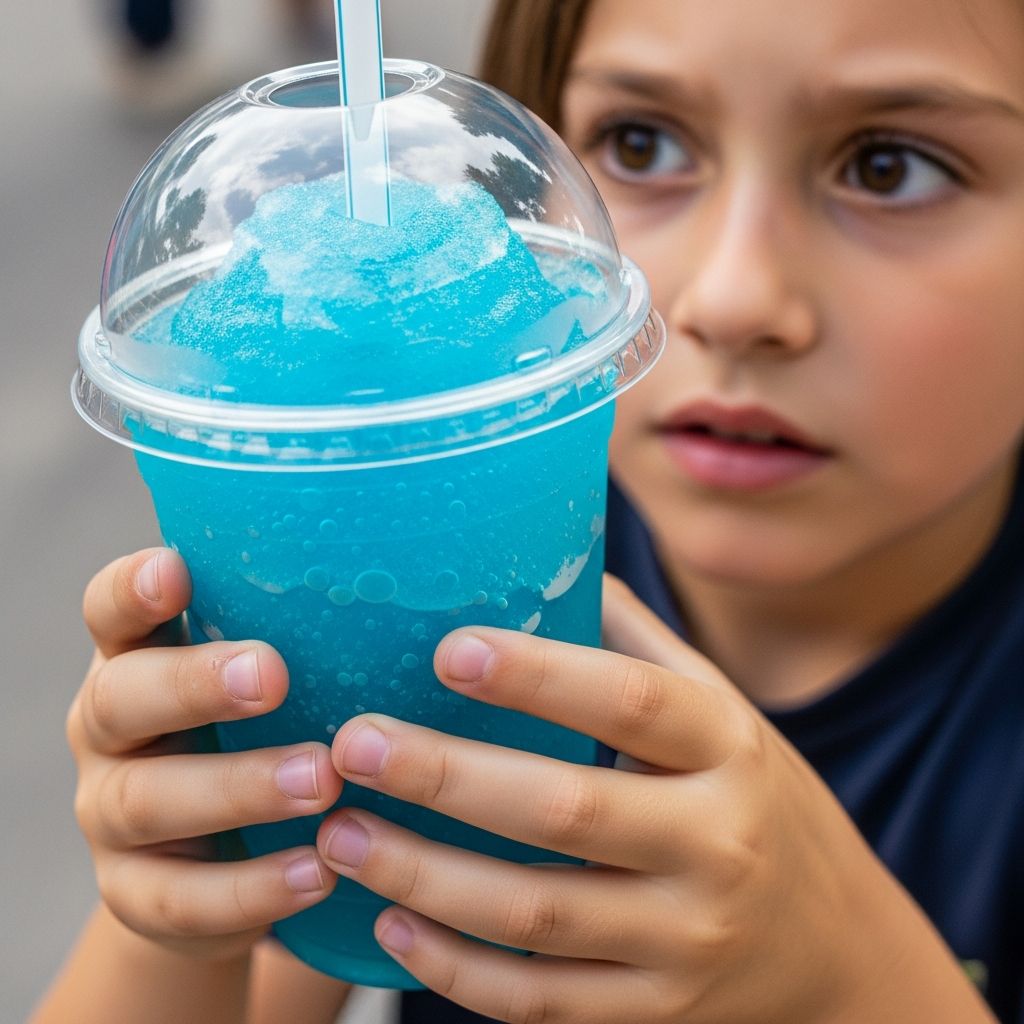
Frozen slushie drinks, popular treats at events and stores, contain glycerol in sugar-free versions to achieve their signature texture. Recent medical investigations reveal that this additive can trigger severe reactions in young children, including dangerously low blood sugar and loss of consciousness. Parents must understand these risks to make informed choices.
Understanding Glycerol in Frozen Beverages
Glycerol, a sugar alcohol derived from fats and oils, serves as a sweetener and texture stabilizer in many processed foods. In slushies, it prevents complete freezing, creating the appealing semi-liquid consistency. While approved by the European Union as a food additive, its safety profile changes dramatically in young children due to their immature metabolic systems.
Smaller body mass and developing kidneys make toddlers and preschoolers less efficient at metabolizing large glycerol doses. When consumed rapidly from a large slushie, it floods the bloodstream, disrupting fluid balance and glucose regulation. This leads to glycerol intoxication syndrome, a condition mimicking rare genetic disorders and often requiring emergency intervention.
Recent Research Exposing the Health Crisis
A pivotal study published in Archives of Disease in Childhood analyzed 21 cases across the UK and Ireland, involving children averaging 3.5 years old. Nearly all fell ill within 60 minutes of consumption: 94% showed reduced consciousness, 95% had hypoglycemia, and 94% developed lactic acidosis. Additional findings included low potassium, elevated blood fats, and glycerol in urine.
These children arrived at emergency departments unconscious or seizing, prompting initial suspicions of metabolic diseases. All required intravenous glucose and fluids for resuscitation, with full recoveries after treatment. The research, led by experts from University College Dublin and Children’s Health Ireland, urges stricter warnings for children under 8.
| Symptom | Prevalence in Study (%) | Potential Severity |
|---|---|---|
| Reduced Consciousness | 94% | Can lead to coma |
| Hypoglycemia | 95% | Seizures, shock |
| Lactic Acidosis | 94% | Metabolic imbalance |
| Hypokalemia | Common | Heart rhythm issues |
This table summarizes key symptoms from the study, highlighting the rapid and multisystem impact.
Symptoms Parents Need to Recognize Immediately
Warning signs appear swiftly after drinking slushies. Initial mild effects include headache, nausea, and vomiting, progressing to drowsiness, slurred speech, and lethargy. Severe cases involve collapse, seizures, or coma due to plummeting blood sugar.
- Early indicators: Stomach upset, bloating, excessive thirst
- Moderate progression: Dizziness, confusion, pale skin
- Critical emergency: Unresponsiveness, convulsions, rapid breathing
If suspected, halt consumption immediately, provide sugary foods or drinks, and seek urgent medical care. Pediatricians emphasize monitoring post-slushie behavior closely.
Official Guidelines from Health Authorities
Responding to the evidence, bodies like the Food Safety Authority of Ireland (FSAI) and Food Standards Scotland have issued targeted advice. Children under 4 should avoid slushies entirely due to side effects like headaches and vomiting. Those aged 5-10 may have one per day maximum, while older kids and adults face lower risks from single servings.
- FSAI: No slushies for under 4s; limit to one daily for 5-10 year-olds
- Food Standards Scotland: Safe for over 7s in moderation
- General: Place slushies in the ‘top shelf’ of food pyramids—occasional treats only
These recommendations stem from glycerol’s dose-dependent toxicity, scaled to body weight. U.S. sales exceed $6 billion annually, underscoring the need for awareness beyond Europe.
Why Young Children Face Heightened Vulnerability
Children’s physiology amplifies glycerol’s effects. Immature livers struggle with gluconeogenesis—the process converting glycerol to glucose—leading to hypoglycemia. Rapid gut absorption overwhelms their systems, causing hemoconcentration and acidosis.
Other foods like sugar-free gums or protein bars contain glycerol but in smaller, slower-release amounts. Slushies deliver high concentrations quickly via straws, exacerbating risks. Marketing with vibrant colors targets kids, often leading to overconsumption.
Safer Alternatives for Hot Days and Treats
Opt for homemade frozen treats using real fruit purees, water, and minimal natural sugars. Blend berries, yogurt, and ice for nutritious popsicles or smoothies.
- Fruit-based ice lollies: Juice frozen in molds—no additives
- Diluted smoothies: Blend with water for slush-like texture
- Watermelon slush: Freeze and crush fresh melon
- Label checks: Choose sugar-based slushies without glycerol for occasional use in older kids
These options hydrate without metabolic disruption, aligning with healthy eating pyramids.
Broader Implications for Children’s Diets
Slushies exemplify ultra-processed treats lacking nutritional value. High sugar versions risk obesity and cavities, while glycerol-laden ones threaten acute illness. Experts advocate moderation across all icy drinks, prioritizing water, milk, and fruits.
Parental education combats marketing ploys. Teach kids to sip slowly if indulging, and always verify ingredients. Public health campaigns should expand globally, given slushies’ popularity.
Frequently Asked Questions
Are all slushies dangerous for kids?
No, primarily sugar-free ones with glycerol pose risks to young children under 8. Sugar-based versions carry dental and calorie concerns but not intoxication.
What should I do if my child shows symptoms after a slushie?
Stop intake, give sugar (juice, candy), monitor closely, and call emergency services for drowsiness or collapse.
Can older children safely drink slushies?
Children over 8 can typically handle one in moderation, per guidelines. Always check labels.
Is glycerol safe in other foods?
Yes, in small amounts like gums or candies, but avoid excess in young kids.
How can I spot glycerol on labels?
Look for E422 or glycerin/glycerol in ingredients, common in sugar-free products.
References
- Sugar-free slushies can make young kids seriously sick, new study suggests — ABC News. 2025-03-12. https://abcnews.go.com/GMA/Wellness/sugar-free-slushies-make-young-kids-sick-new/story?id=119697716
- Children should avoid drinking slushies with glycerol as experts warn of health risk — University College Dublin. 2025-03-14. https://www.ucd.ie/newsandopinion/news/2025/march/14/childrenshouldavoiddrinkingslushieswithglycerolasexpertswarnofhealthrisk/
- Glycerol intoxication syndrome in young children — PubMed (Archives of Disease in Childhood). 2025. https://pubmed.ncbi.nlm.nih.gov/40068898/
- New research finds some slush ice drinks pose risk to younger children — Children’s Health Ireland. 2025. https://www.childrenshealthireland.ie/news/new-research-finds-some-slush-ice-drinks-pose-risk-to-younger-children/
- Children under eight should avoid drinking slushies, doctors warn — BBC News (YouTube). 2025-03-12. https://www.youtube.com/watch?v=FVvo-KAYHgo
- Advice for consumers regarding consumption of slush ice drinks — Food Safety Authority of Ireland. Accessed 2026. https://www.fsai.ie/consumer-advice/food-safety-and-hygiene/advice-for-consumers-regarding-consumption-of-slus
- Glycerol in slush-ice drinks consumer advice — Food Standards Scotland. Accessed 2026. https://www.foodstandards.gov.scot/consumer-advice/food-safety/eating-out-of-home/glycerol-in-slush-ice-drinks-consumer-advice