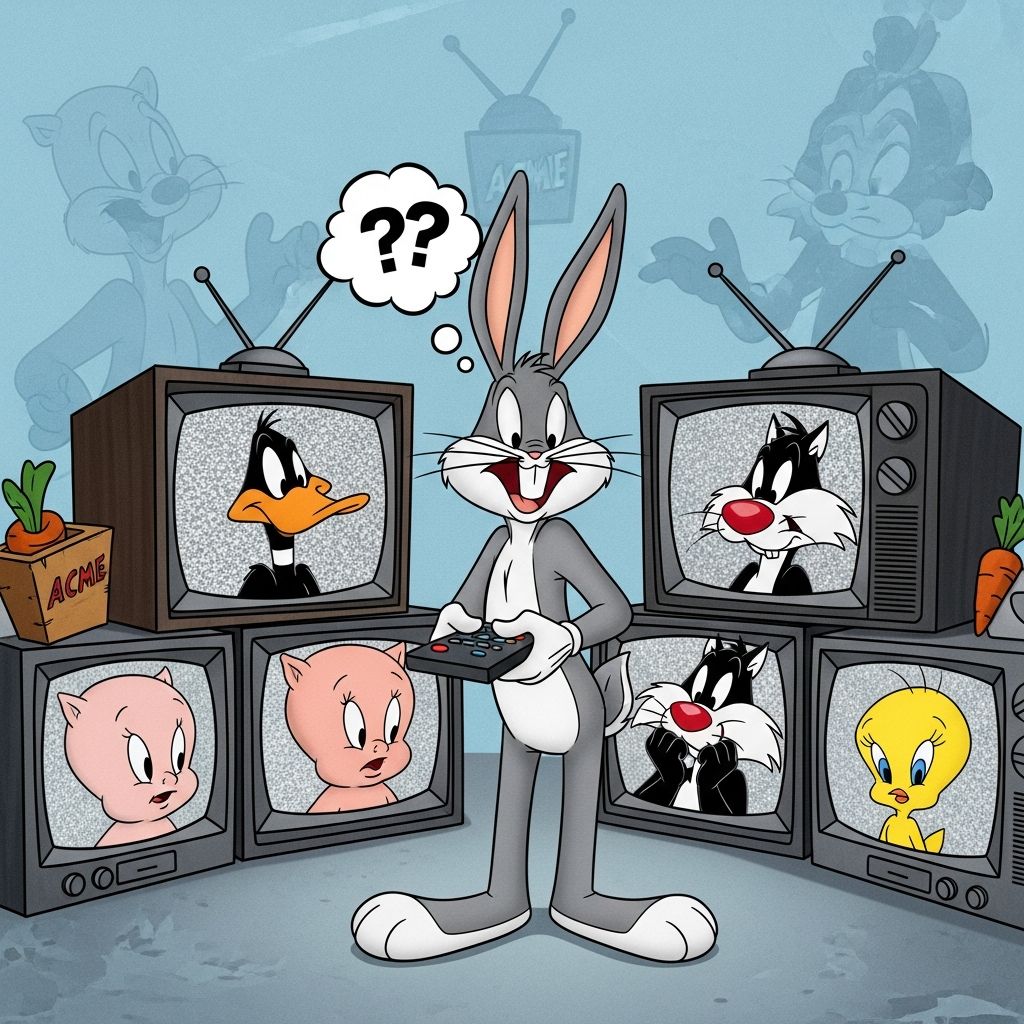
Families turned to streaming services for stability, convenience, and kid-friendly entertainment, but the sudden disappearance of series and movies is proving that this promise was never guaranteed.
The Illusion of the Infinite Library
Streaming platforms built their reputation on a simple pitch: almost everything you want to watch, available instantly, whenever you want it. For parents, that sounded like a dream come true — no more scratched DVDs, no more racing to record broadcast episodes, just a vast library ready on demand.
In practice, that sense of permanence was an illusion. Shows for kids and families can vanish with a short notice (or no notice at all), leaving gaps in bedtime routines, learning plans, and shared traditions around the TV.
Why Platforms Purge Movies And Shows
Families often feel blindsided when beloved titles disappear, but from a corporate perspective these removals are usually strategic. Several business and technical factors drive the decision to pull a show from a service such as Disney+, even when it still has a loyal audience.
Financial Incentives Behind Disappearing Content
Pulling shows can reduce residual payments, shrink tax liabilities, and allow companies to treat under-performing titles as losses on their balance sheets. While these moves may look good in quarterly reports, they overlook the long-term value of trust and brand loyalty among families.
- Lower royalty and licensing costs when fewer titles remain active in the library.
- Accounting strategies that let studios write off content that is removed from public access.
- Pressure from investors to cut expenses quickly, even if it harms the brand over time.
Licensing, Rights, And Regional Complications
Not all content on a platform is fully owned by the company hosting it. Some shows sit on complicated licensing agreements, meaning that when contracts expire, the titles must be renewed, renegotiated, or removed.
- Short-term deals for certain series can end abruptly, especially in smaller markets.
- Different regions may have separate agreements, so a show might stay in one country but vanish in another.
- Conflicts between platforms and rights holders can push companies to abandon a title rather than keep it accessible.
Algorithmic Decisions And Low Visibility
Some removals happen simply because a show is not being recommended, not because it has no audience. When the algorithm buries a title, executives may conclude it has low value, even if a small but passionate group of families still relies on it.
- Recommendation systems favor new and trending shows, sidelining older or niche family content.
- Low visibility leads to declining watch time, creating a self-fulfilling argument for removal.
- Data dashboards rarely capture emotional attachment, which matters greatly in family viewing.
How Purges Disrupt Families And Kids
For parents, a missing title is more than a line gone from a menu. It can mean the loss of a calm-down ritual, a special show that reflects their child’s identity, or a cherished memory from their own childhood that they planned to share with the next generation.
Routines, Regulation, And Emotional Safety
Many kids watch the same show repeatedly because it gives them a sense of control and predictability. That repetition is not laziness — it is a tool for emotional regulation and learning. When a favorite series disappears unexpectedly, children can feel confused, upset, or even betrayed by a system they do not understand.
- Special-needs children or neurodivergent kids may rely heavily on specific shows for comfort.
- Even small changes to a nightly routine can trigger anxiety or sleep problems.
- Parents suddenly have to scramble for replacements that feel familiar and safe.
Lost Cultural And Educational Value
Not all family shows are interchangeable. Some series fill unique gaps by centering underrepresented cultures, languages, or topics, giving kids a chance to see themselves and others with respect and nuance.
- Diverse casts can make marginalized kids feel visible and valued.
- Gentle storytelling can introduce complex ideas like grief, empathy, or fairness.
- Educational programs may align with classroom topics, supporting school learning at home.
When those rare titles vanish, families lose specific tools they cannot easily replace with generic cartoons or blockbuster franchises.
The Hidden Cost Of Lost Rewatches
Studios often measure success by first-week buzz, awards, and social media chatter. Families, however, measure value through rewatches. A show that a child plays every day for months has immense practical importance, even if it never trends on a chart.
- Rewatches build deep attachment, helping kids internalize lessons and language.
- Parents rely on familiar episodes to create calm “safe zones” during stressful times.
- Removing a rewatch favorite can feel like having a favorite book removed from the shelf.
Disney+ And The Family Trust Problem
Disney+ launched as a natural fit for families: a single platform filled with classics, animated hits, and new originals branded as must-see events. That image of reliability makes content purges feel especially jarring for parents who believed they were buying long-term access, not temporary windows.
Brand Promise Versus Reality
Disney’s reputation is built on multigenerational storytelling — grandparents, parents, and kids often love the same movies. When a series or film disappears from Disney+, it breaks the sense that the company is carefully curating a permanent canon for families.
Instead, the platform begins to look like any other streaming service, where cost-cutting and experimentation are prioritized over the emotional continuity that families expect from the Disney name.
Corporate Strategy, Personal Impact
From the corporate side, canceling sequels, shelving experimental series, or purging under-performing originals can be framed as “tightening the slate.” For a family, it may simply mean that a beloved show is gone without a proper ending, explanation, or path to legally own it.
| Corporate Action | Internal Goal | Family Impact |
|---|---|---|
| Removing low-performing originals | Cut costs, improve margins | Kids lose favorite shows with no warning or conclusion |
| Ending licensing agreements | Free up budget or shift strategy | Parents suddenly cannot find familiar titles they built routines around |
| Consolidating content across services | Drive users toward bundles or new tiers | Families feel pressured to subscribe to multiple platforms to keep access |
| Writing off series for tax purposes | Short-term financial benefits | Shows become unavailable anywhere, even for purchase |
The Ownership Trap: You Don’t Own What You Stream
One of the core tensions revealed by streaming purges is the difference between access and ownership. Families often treat a long-standing title on Disney+ or another platform as if it were part of their personal collection, but in reality they are renting access under ever-changing terms.
Physical Media Versus Digital Licenses
When families bought DVDs and Blu-rays, they gained a copy that would not disappear because a company changed its mind. Streaming licenses flip that relationship: the platform controls what is available and when, and the user can only accept or cancel the subscription.
- Digital purchases on some platforms are still technically licenses that can, in rare cases, be revoked.
- Bonus features and original cuts of movies may be altered or removed in future updates.
- Parents may incorrectly assume that a loved show is “safe” because it belongs to the company that owns the platform.
The Emotional Cost Of Not Owning
Parents feel a deeper sense of loss when they realize they never owned their child’s favorite show in the first place. This can spark frustration, resentment, and a reluctant shift back toward physical collections or local downloads.
Protecting Your Family’s Favorite Stories
Parents cannot force streaming platforms to keep specific shows online, but they can take practical steps to reduce the shock when purges happen. The goal is not to avoid streaming entirely, but to diversify how families access and preserve the stories that matter to them.
Practical Steps For Parents
- Create a short list of essentials: Identify the two or three shows each child relies on most, so you can prioritize finding more permanent access to them.
- Buy physical copies when possible: If a series or film is available on DVD or Blu-ray, consider purchasing it, especially if it is no longer heavily promoted on the platform.
- Use multiple services strategically: Rotate subscriptions instead of stacking them, and check which platform offers the most stable access to your must-have titles.
- Download for offline viewing: Some apps allow limited offline downloads; use this not just for travel but also as a buffer against sudden removals.
- Document what you watch: Keep a simple family media log so you can track series titles, seasons, and episodes your kids love most.
Talking To Kids When Shows Disappear
Sudden removals can be a chance to teach resilience and digital literacy. Instead of only saying, “It’s gone,” parents can explain that companies sometimes change what is available and that the family will look for new ways to enjoy similar stories.
- Validate feelings: It is okay for kids to feel sad or angry when a beloved show disappears.
- Offer agency: Let children help pick replacement shows or films that carry similar themes or characters.
- Connect to real-world choices: Explain that this is why the family sometimes chooses to buy physical copies of favorite stories.
What Streaming Platforms Could Do Better
Families are not asking for infinite libraries; they are asking for predictability, transparency, and respect. Streaming companies, including Disney+, have real options for making purges less painful without sacrificing every financial advantage.
More Transparency And Advance Notice
Platforms could offer clear, family-friendly messaging when titles are scheduled to leave. A simple banner — visible weeks in advance — would give parents time to prepare their kids, finish incomplete seasons, or seek out alternative access.
- Dedicated “Last Chance” sections for family content.
- Email or app notifications for heavily watched shows on a given user profile.
- Tools to export a watchlist that marks what is at risk of removal.
Pathways To Ownership
When a show is removed from streaming, families should not be stuck with nothing. Platforms could provide discounted options to buy digital or physical copies, or offer limited-time bundles that make it easy to keep a series permanently.
- Buttons on show pages that link directly to purchase options when removal is planned.
- “Family archive” tiers that include permanent rights to certain titles.
- Occasional free digital copies of discontinued shows as goodwill gestures.
Protecting Culturally Significant Works
Some content carries more than entertainment value. For culturally, historically, or educationally significant shows, companies could commit to non-removal pledges or at least ensure that those titles remain accessible through libraries, public institutions, or long-term digital archives.
The Future Of Family Streaming
The streaming landscape will keep changing, with mergers, rebrands, and price shifts affecting every household that pays for entertainment. But the way companies treat their family libraries today will determine whether parents still trust them tomorrow.
Disney+ and its competitors must recognize that in the family space, success is not just about impressive subscriber numbers; it is about stability, continuity, and the quiet comfort of knowing that the story kids love will still be there in the morning.
Frequently Asked Questions
Why does my child’s favorite show vanish from Disney+ or other streaming services?
Shows often disappear because of licensing agreements ending, cost-cutting efforts, or strategic decisions to remove under-performing titles. These decisions are driven by corporate priorities rather than by how important a show is to individual families.
Is there any way to stop a show from being removed?
Viewers cannot directly block a removal once the company has decided, but voicing feedback through official channels and social media can raise awareness. The most reliable way to keep permanent access is to buy physical or long-term digital copies when they are available.
Are physical DVDs still worth buying in the streaming era?
Yes. Physical media remains the only format that gives families near-total control over when and how they watch a title. For recurring comfort shows, especially for young children, owning a disc can prevent heartbreak later if the streaming version disappears.
How can I prepare my kids for future streaming purges?
Talk openly about how streaming works and explain that companies sometimes change what they offer. Help kids create a list of “all-time favorites” and involve them in choosing which ones the family tries to own in a more permanent way.
Should I cancel my subscription when a favorite show is removed?
That depends on how much value your family still gets from the rest of the library. Some parents cancel as a protest or to send a market signal, while others choose to rotate services or downgrade plans rather than quit entirely.