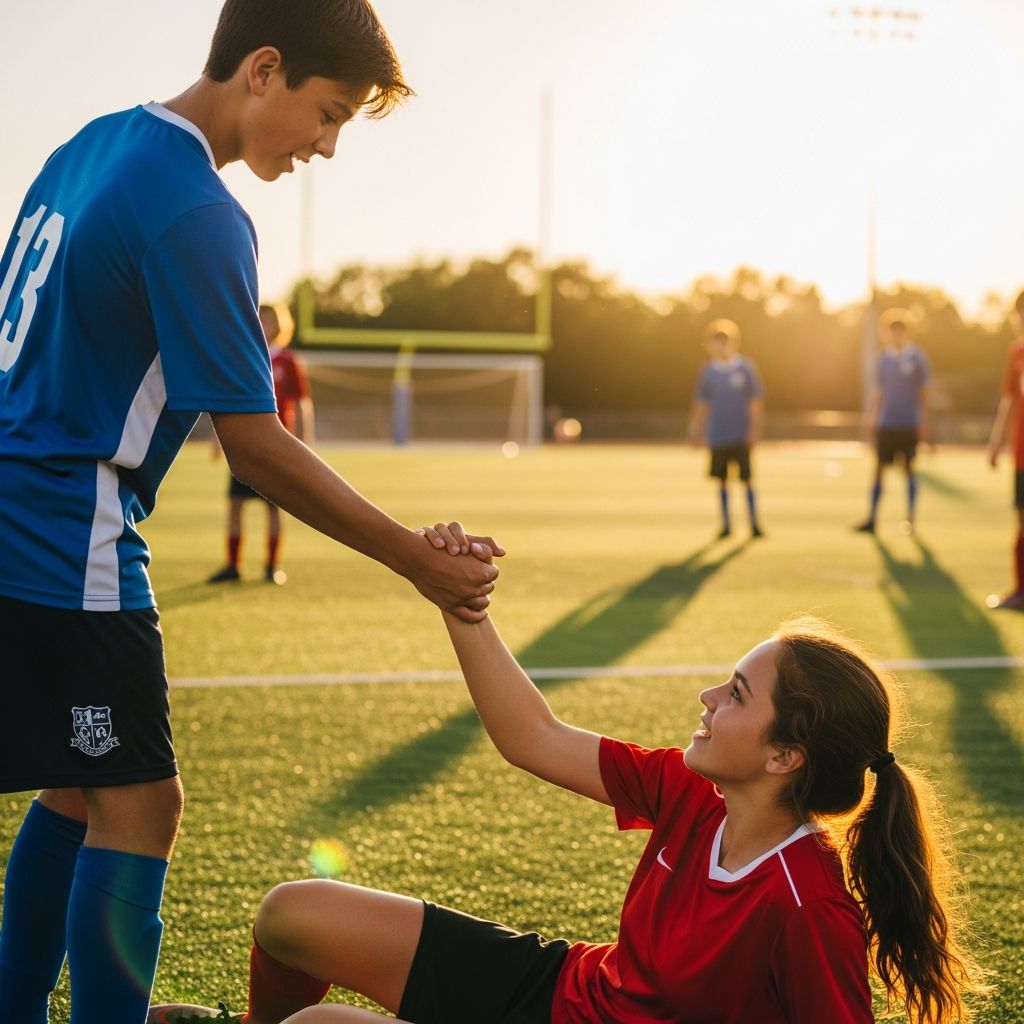
Middle school sports offer more than physical exercise; they are a crucible for developing essential life skills like **sportsmanship**, which emphasizes fair play, respect, and integrity. At this pivotal age, children navigate social and emotional growth, making athletics an ideal setting to instill values that extend far beyond the playing field.
The Core Principles of Youth Sportsmanship
Sportsmanship in youth athletics involves conducting oneself with fairness, respect for opponents, and grace in both victory and defeat. It encompasses ethical behavior, goodwill toward rivals, and the discipline to maintain poise under pressure. For middle schoolers, this means understanding that the game’s spirit outweighs the score, fostering humility, empathy, and constructive responses to challenges.
These principles are not innate but learned through consistent reinforcement. Coaches and parents model behaviors like congratulating opponents or accepting referee decisions without argument, helping students internalize these norms.
Why Middle School is the Perfect Time for Sportsmanship Lessons
During middle school, ages 11-14, students undergo rapid physical, cognitive, and social changes. Participation in sports provides structure, belonging, and opportunities to build friendships while discovering personal strengths. This transitional phase amplifies the impact of sportsmanship education, as peers heavily influence behavior.
Athletics counteract isolation by promoting inclusion, where every player feels valued regardless of skill level. Unlike high school sports, middle school programs prioritize development over competition, creating inclusive environments that teach appreciation for diverse abilities.
Key Benefits of Emphasizing Sportsmanship in Team Sports
Instilling sportsmanship yields multifaceted advantages for young athletes. Below is a table summarizing primary benefits drawn from educational and developmental perspectives:
| Benefit | Description | Long-Term Impact |
|---|---|---|
| Character Building | Promotes humility, empathy, and ethical decision-making in high-pressure moments. | Stronger moral compass for adulthood. |
| Team Cohesion | Encourages communication, support, and shared goals among teammates. | Improved collaboration in school and work. |
| Resilience | Teaches handling losses gracefully and learning from failures. | Enhanced perseverance and growth mindset. |
| Academic Boost | Discipline from sports translates to better focus, time management, and goal-setting. | Higher grades and reduced risky behaviors. |
These outcomes create a ripple effect, enhancing overall student well-being.
Building Teamwork Through Positive Athletic Experiences
Team sports excel at teaching collaboration, as players must communicate, strategize, and support one another to succeed. Middle schoolers learn to lead when needed or step back for the team’s benefit, honing social skills vital for group projects and future careers. Sportsmanship reinforces this by demanding respect for all contributions, turning potential conflicts into growth opportunities.
For instance, post-game handshakes or cheering sidelined teammates cultivate mutual respect, strengthening bonds and reducing bullying risks within the group dynamic.
Cultivating Confidence and Leadership Qualities
Participation builds self-esteem as students achieve milestones, make quick decisions, and embrace leadership roles. Whether scoring a point or exemplifying fair play, these moments boost positive self-perception. Sportsmanship adds depth by encouraging role-model behavior, like uplifting a struggling teammate, which fosters responsibility and poise.
Middle school sports’ inclusive nature ensures even less skilled players gain confidence, learning that effort matters more than innate talent.
Navigating Wins and Losses: The Resilience Factor
Games inherently involve ups and downs, making them perfect for resilience training. Good sportsmanship means celebrating wins modestly and analyzing losses constructively, without blame. Coaches emphasize that true success lies in effort and attitude, helping students develop a growth mindset.
This prepares them for life’s setbacks, teaching that perseverance trumps perfection. Students who master this are less prone to frustration in academics or personal challenges.
The Role of Adults in Modeling and Reinforcing Sportsmanship
Parents and coaches are pivotal role models. Spectators must avoid yelling at officials or opposing players, as children mimic these actions. Programs with posted expectations, like respect codes, create a culture of accountability.
- Pre-game talks on fair play expectations.
- Post-game reflections on behaviors, not just scores.
- Rewards for sportsmanlike conduct, such as team awards.
Schools like those emphasizing these strategies report fewer incidents and stronger team morale.
Practical Strategies for Parents to Support Sportsmanship at Home
Parents can extend lessons beyond practices:
- Discuss scenarios: Use game footage to analyze gracious behaviors.
- Focus on effort: Praise hustle over outcomes.
- Debrief emotions: Help process disappointment healthily.
- Volunteer: Assist as a team parent to observe and guide.
These steps align home values with athletic experiences, amplifying impact.
Overcoming Common Challenges in Youth Sports Culture
Challenges like overzealous parents or win-at-all-costs attitudes undermine sportsmanship. Counter this by prioritizing fun and development in program philosophies. Inclusive policies ensure broad participation, reducing elitism.
Addressing poor behavior promptly—through timeouts or discussions—prevents escalation, maintaining a positive atmosphere.
Frequently Asked Questions (FAQs)
What is sportsmanship in middle school sports?
Sportsmanship involves fair play, respect for opponents and officials, and graciousness in wins or losses, building character beyond competition.
How does sportsmanship improve teamwork?
It fosters communication, support, and valuing all contributions, essential for collaborative success on and off the field.
Can sportsmanship boost academic performance?
Yes, the discipline, goal-setting, and resilience from sports translate to better focus and time management in studies.
What if my child loses a game—how to teach resilience?
Encourage reflection on efforts and lessons learned, modeling grace to help them view setbacks as growth opportunities.
Why prioritize sportsmanship over winning?
Winning is temporary; sportsmanship instills lifelong values like integrity and empathy, preparing students for real-world challenges.
Long-Term Impacts: From Field to Future Success
Middle school sportsmanship lays foundations for adulthood. Alumni from strong programs often excel in leadership, relationships, and health, crediting team experiences. By reducing risky behaviors and promoting activity, it supports holistic development.
In essence, prioritizing sportsmanship transforms athletics into a character-building powerhouse, equipping middle schoolers with tools for thriving lives.
References
- 5 Reasons Your Child Should Participate in Middle School Sports — St. Timothy’s School. 2023. https://sttimothys.org/titan-talk/5-reasons-your-child-should-participate-in-middle-school-sports/
- The Value of Sportsmanship in K-12 Academics — Method Schools. 2023. https://www.methodschools.org/blog/the-value-of-sportsmanship-in-k-12-academics
- The 5 Biggest Benefits Of Sports For Middle School Students — Swoon Learning. 2023. https://www.swoonlearning.com/blog/the-5-biggest-benefits-of-sports-for-middle-school-students
- Benefit of Athletics & Sportsmanship — Milton Hershey School. 2023. https://www.mhskids.org/blog/benefits-athletics-sportsmanship/
- The Game-Changer: Why Middle School Sports Matter at a K–8 — Whitby School. 2023. https://www.whitbyschool.org/passionforlearning/why-middle-school-sports-matter-k-8
- The Importance of Sportsmanship and What it Should Look Like — Fort Worth Country Day. 2018-09-28. https://www.fwcd.org/news/2018-09-28/the-importance-of-sportsmanship-and-what-it-should-look-like
- The Good Sportsmanship Code — The PE Specialist. 2023. https://www.thepespecialist.com/the-good-sportsmanship-code/