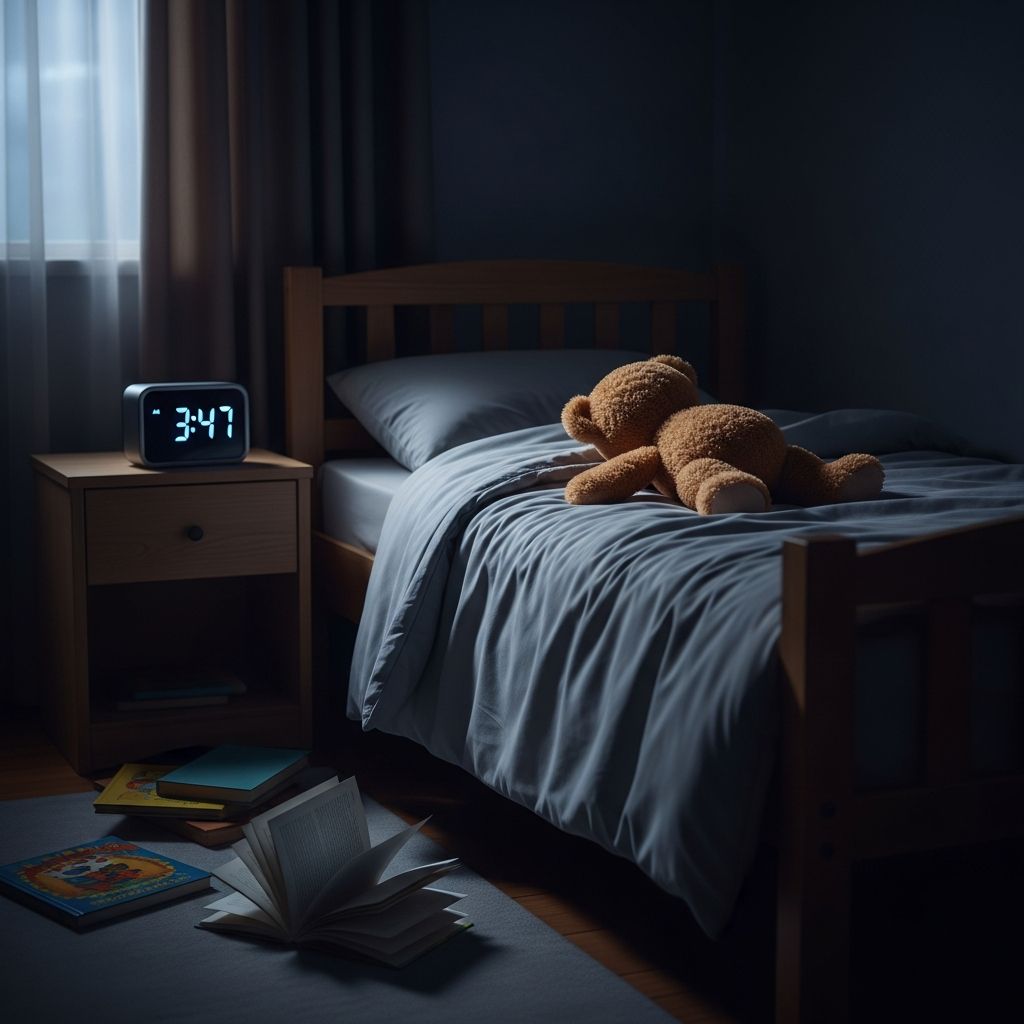
Quality sleep forms the cornerstone of healthy child development, yet data reveals that a staggering majority of U.S. children fall short of recommended sleep durations. Recent studies indicate that nearly half to over half of kids consistently miss out on essential rest, leading to widespread consequences for their physical, emotional, and cognitive growth.
Alarming Statistics on Childhood Sleep Shortfalls
Comprehensive surveys and research paint a concerning picture of sleep deprivation among American youth. According to the National Sleep Foundation, 44% of children do not regularly achieve the age-appropriate sleep hours, a figure that aligns with broader trends showing even higher rates in certain demographics. A Brown University study tracking elementary school children via accelerometers found that while 83% of parents believed their kids were sleeping adequately, only 14% actually met national guidelines of 9-12 hours for ages 6-12. On average, these children logged just 8 hours and 20 minutes nightly, highlighting a significant disconnect between perception and reality.
State-level data from the CDC further underscores geographic variations, with insufficient sleep rates among children aged 4 months to 14 years differing markedly across the U.S. in 2020-2021. Racial and ethnic disparities exacerbate the issue; for instance, Latino children in the Brown study averaged slightly over 8 hours compared to 8.5 for non-Latino peers, with only 4.4% of Latino kids meeting guidelines versus 22.8% of others. These gaps reveal systemic challenges in ensuring equitable sleep health.
Why Parents Overestimate Their Child’s Sleep
A primary barrier to addressing sleep deficits is parental misjudgment. Parents often report their children sleeping over 9.5 hours, yet objective measures like wrist trackers show substantial wakefulness—averaging 38 minutes per night versus parents’ estimate of under 5 minutes. This discrepancy arises because caregivers rarely witness the full sleep cycle, missing prolonged fall-asleep times and nocturnal awakenings.
Additional factors contribute to these inaccuracies. Inconsistent bedtime routines disrupt circadian rhythms, making it harder for children to wind down. Overstimulation from screens, bright lights, or vigorous play near bedtime suppresses melatonin production, delaying sleep onset. Environmental elements like excessive room temperature, ambient noise, light pollution, or shared sleeping spaces further fragment rest without parents’ full awareness.
Age-Specific Sleep Requirements and Realities
Sleep needs evolve with developmental stages, yet many children across ages fall short. The table below outlines National Sleep Foundation and American Academy of Pediatrics guidelines alongside common shortfalls observed in studies.
| Age Group | Recommended Hours (incl. naps) | Typical Shortfall |
|---|---|---|
| Newborns (0-3 months) | 12-17 | 1-2 hours (overtiredness cycle) |
| Infants (4-12 months) | 12-16 | Frequent night wakes |
| Toddlers (1-2 years) | 11-14 | Inconsistent routines |
| Preschoolers (3-5 years) | 10-13 | Screen interference |
| School-age (6-12 years) | 9-12 | ~1-4 hours (per studies) |
Parents frequently underestimate these needs by over an hour daily, perpetuating a cycle where overtired children struggle more to sleep. Adolescents face unique hurdles, as pubertal shifts delay natural sleep phases, clashing with early school starts and resulting in chronic deprivation during peak brain maturation.
Profound Impacts of Sleep Deprivation on Young Minds and Bodies
Chronic sleep loss extends far beyond daytime grumpiness, impairing multiple facets of child well-being. Well-rested children exhibit superior emotional regulation, mood stability, behavior, learning, memory, growth, and immunity—benefits affirmed by 86% of parents noting improvements with better sleep.
- Cognitive Effects: Reduced academic performance, attention deficits, and memory issues hinder school success.
- Emotional Toll: Elevated anxiety, depression, stress, hyperactivity, and impulsivity plague sleep-deprived kids.
- Physical Health Risks: Increased obesity odds, weakened immunity, and stunted growth stem from hormonal disruptions.
- Family Ripple Effects: 80% of parents report their own sleep suffers when children’s does, amplifying household stress.
For teens, this deprivation coincides with critical neurodevelopment, potentially yielding long-term cognitive and mental health repercussions.
Environmental and Lifestyle Culprits Sabotaging Sleep
Beyond routines, subtle household dynamics erode sleep quality. Overly warm bedrooms inhibit thermoregulation essential for deep sleep stages. Noise from appliances or siblings, hallway light seepage, and sibling co-sleeping arrangements interrupt cycles. Low-level anxiety from school pressures or family changes manifests as subtle arousals.
Daytime habits matter too. Insufficient physical activity, limited natural light exposure, and weekend schedule shifts desynchronize internal clocks. Screens warrant particular scrutiny; blue light mimics daylight, tricking the brain into alertness.
Evidence-Based Strategies to Reclaim Family Sleep
Targeted interventions can bridge sleep gaps effectively. Prioritize consistent schedules—even weekends—to anchor circadian rhythms. Craft calming pre-bed rituals: dim lights, quiet reading, or gentle baths 30-60 minutes before lights out.
- Optimize the sleep environment: Cool (60-67°F), dark, quiet rooms with comfortable bedding.
- Boost daytime vitality: 60+ minutes of activity, outdoor time for sunlight and nature exposure.
- Screen curfews: No devices 1-2 hours pre-bed; use night modes if unavoidable.
- Monitor and adjust: Use sleep diaries or trackers initially to calibrate perceptions.
- Address disparities: Culturally sensitive approaches for diverse families, emphasizing community resources.
For adolescents, advocate later school starts where feasible, aligning with biological shifts.
Common Myths and Realities of Kids’ Sleep
Misconceptions hinder progress. Myth: “Kids grow out of needing routines.” Reality: Consistency aids all ages. Myth: “Tired kids sleep faster.” Reality: Overtiredness causes wired alertness. Myth: “All sleep is equal.” Reality: Quality (deep, uninterrupted) trumps mere quantity.
Frequently Asked Questions About Children’s Sleep
How can I tell if my child isn’t getting enough sleep?
Watch for irritability, hyperactivity, poor focus, frequent illnesses, or growth slowdowns—objective trackers reveal hidden wake times.
Does screen time really affect sleep that much?
Yes, blue light delays melatonin; enforce 1-2 hour cutoffs for optimal results.
What if my child shares a room?
Use white noise, dividers, and staggered bedtimes to minimize disruptions.
Can better sleep improve school performance?
Absolutely—rest enhances memory, attention, and emotional control critical for learning.
Are there disparities in sleep by ethnicity?
Yes, studies show Latino children often get less, urging tailored interventions.
Implementing these changes fosters resilient, thriving children and rested families. Prioritizing sleep yields compounding benefits across health domains.
References
- Nearly Half of U.S. Children Are Not Getting Enough Sleep. What Parents Should Know — Rocky Mountain Sleeping Baby. 2023. https://rockymountainsleepingbaby.com/nearly-half-of-u-s-children-are-not-getting-enough-sleep-what-parents-should-know/
- Kids are not getting as much sleep as their parents think, study finds — Brown University. 2025-10-02. https://www.brown.edu/news/2025-10-02/kids-sleep-study
- Most kids don’t get enough sleep. Here’s why parents often miss the signs — Atlanta Journal-Constitution. 2026-03. https://www.ajc.com/wellness/2026/03/most-kids-dont-get-enough-sleep-heres-why-parents-often-miss-the-signs/
- Nearly half of U.S. children not getting enough sleep, poll shows — CBS New York (YouTube). Accessed 2026. https://www.youtube.com/watch?v=HjJet7dw5CE
- FastStats: Sleep in Children — Centers for Disease Control and Prevention (CDC). 2020-2021 data. https://www.cdc.gov/sleep/data-research/facts-stats/children-sleep-facts-and-stats.html