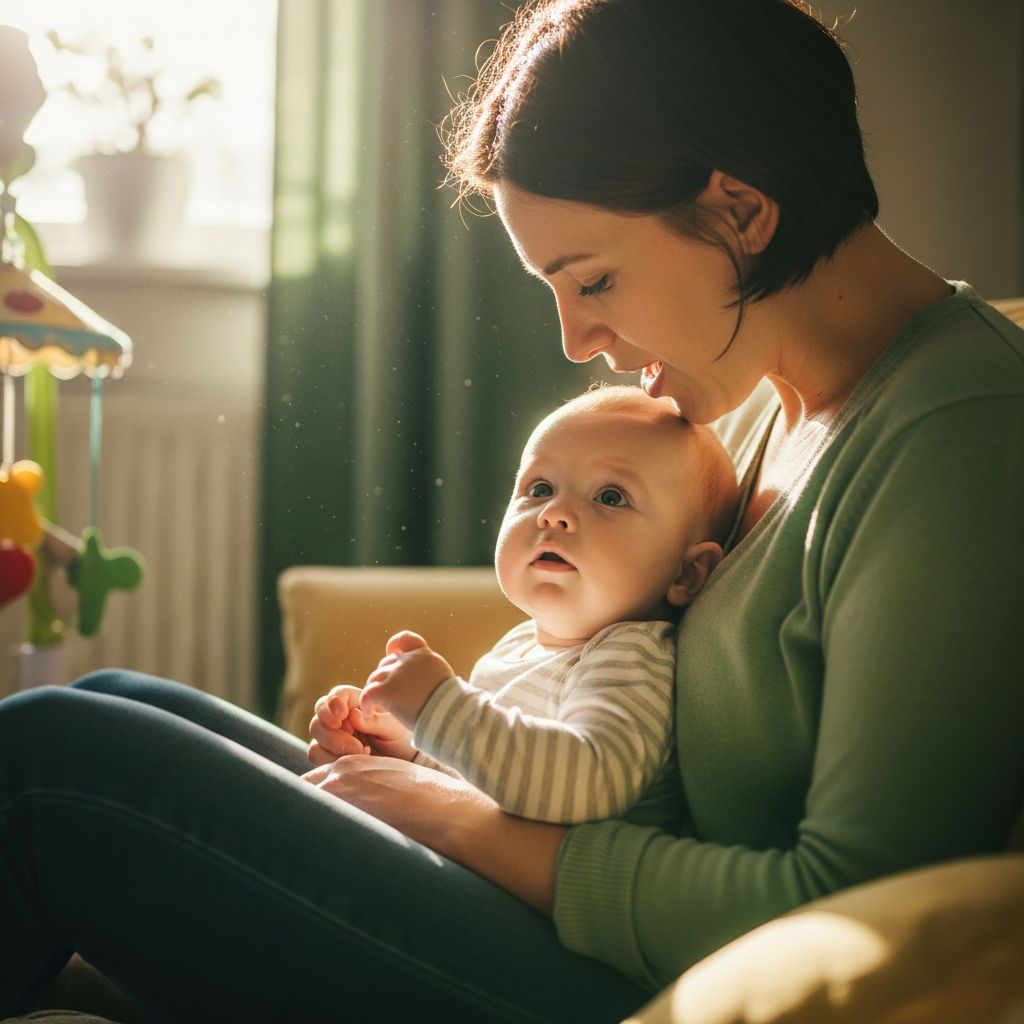
Singing to infants offers profound advantages for their emotional, cognitive, and social growth, with studies showing it calms them longer than speech, fosters stronger parent-child connections, and accelerates language acquisition.
The Calming Power of Melody on Infant Stress
Infants exposed to singing remain calm significantly longer than those hearing speech alone, even from unfamiliar voices and languages. In controlled experiments, babies listened to recordings in distraction-free environments, displaying signs of distress much later when sung to—up to nine minutes on average versus half that time for speech. This effect persists across native and foreign languages, indicating an innate response to musical elements like rhythm and pitch.
Physiologically, singing modulates stress hormones in babies. Research reveals it normalizes cortisol levels, preventing both excessive highs and lows, which supports optimal alertness without overstimulation. For premature infants in neonatal intensive care units, parental singing has led to stabilized heart and respiratory rates, improved sleep, better feeding, and enhanced weight gain, as confirmed in randomized trials and meta-analyses.
These findings underscore singing as a natural tool for emotional regulation, helping babies navigate fussiness and promoting overall mood improvement that lasts beyond the moment. Yale researchers observed that consistent singing elevates infants’ daily contentment, reducing fussiness and fostering a sense of security.
Building Lasting Emotional Bonds Through Song
Singing transcends mere soothing; it deepens interpersonal connections from the earliest months. Babies as young as 6-8 months can visually match silent videos to singing audio, demonstrating an innate attunement that aids recognition of caregivers. This synchrony extends to real-time interactions, where infant-directed singing entrains visual attention to adults’ eyes precisely on musical beats, enhancing mutual gaze and social reciprocity.
- Strengthens attachment: Repetitive melodies make parental voices familiar and reassuring, signaling love and safety.
- Promotes predictability: Songs tied to routines like bedtime or feeding create comforting transitions, reducing anxiety during changes.
- Boosts family well-being: Happier babies mean less parental stress, creating a positive feedback loop for household harmony.
Cross-culturally universal, this practice likely evolved to reinforce caregiver-infant ties, with even non-musical parents instinctively adopting it.
Accelerating Language and Cognitive Growth
Melody serves as a gateway to linguistic mastery. Singing slows speech, emphasizes syllables, and repeats patterns, making sounds easier for babies to process and mimic. This builds foundational skills like phoneme recognition, vocabulary expansion, and grammatical intuition.
Studies link frequent singing to larger receptive vocabularies by 14 months, as infants absorb words through rhythmic repetition. It also sharpens listening, attention, memory, and pattern detection—key precursors to reading and problem-solving.
| Skill Area | How Singing Helps | Evidence |
|---|---|---|
| Vocabulary | Repeats words in catchy tunes | Larger lexicons by toddlerhood |
| Attention Span | Rhythm holds focus longer | Improved listening endurance |
| Memory | Patterns aid recall | Better retention of sounds/words |
| Syntax Awareness | Melody highlights structure | Earlier grammar grasp |
Even newborns respond, with singing eliciting heightened engagement compared to prose, laying neural pathways for fluid communication.
Physical Health Gains from Musical Exposure
Beyond mind and heart, singing impacts the body. In NICUs, it correlates with measurable health metrics: steadier vitals, efficient oxygenation, and steady growth trajectories. These outcomes stem from reduced stress responses, allowing energy redirection toward development.
For full-term babies, regular singing supports motor entrainment—subtle syncing of movements to beats—which primes coordination and later skills like walking or dancing.
Practical Strategies for Daily Singing
Incorporate song effortlessly into routines without needing vocal talent. Start simple:
- Lullabies at rest: Soft tunes for naps or bedtime soothe winding down.
- Playtime chants: Action songs like “Itsy Bitsy Spider” pair words with gestures.
- Feeding melodies: Repetitive ditties make meals predictable and fun.
- Bath time beats: Splish-splash rhymes enhance sensory play.
- Car ride rhythms: Familiar songs calm travel fussiness.
Exaggerate pitch and expression; consistency trumps perfection. Sing in any language—benefits hold universally. Aim for 10-15 minutes daily, building to more as baby responds.
Overcoming Common Hesitations
Many parents doubt their singing ability, yet research confirms even off-key efforts work—it’s the intent and familiarity that matter. No musical training required; improvise on known tunes or create originals. If shy, play recordings initially, transitioning to live voice for bonding potency.
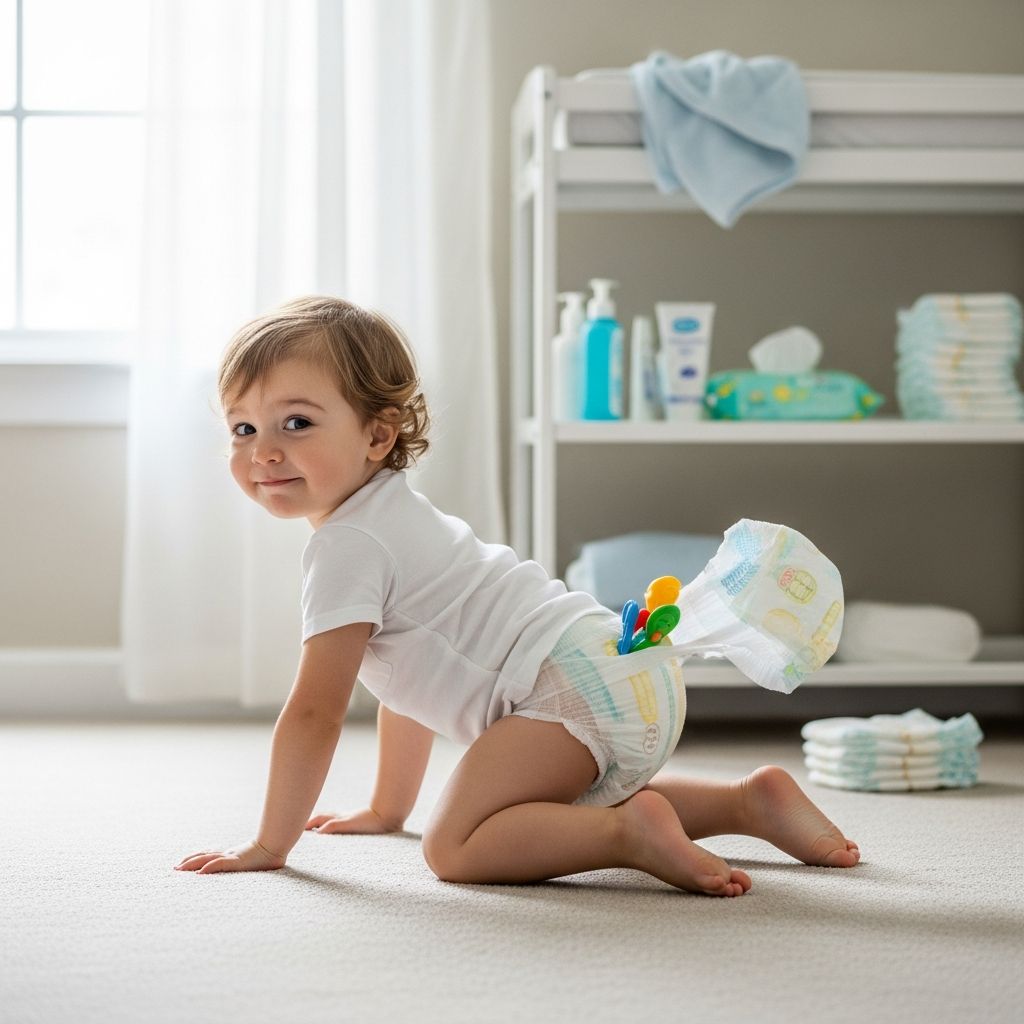
For busy schedules, weave singing into chores: diaper changes become rhyme sessions, walks turn melodic. Track progress via baby’s cues—longer eye contact, smiles, reduced cries signal success.
Frequently Asked Questions
Does singing work if I’m not a good singer?
Yes—babies prioritize your voice’s familiarity and emotion over pitch-perfectness. Studies show benefits from any parental singing.
At what age should I start singing to my baby?
From birth; newborns show immediate responses, with effects compounding over months.
Can songs in other languages help?
Absolutely—even unfamiliar tongues calm babies twice as long as speech, aiding multilingual exposure.
How does singing differ from talking for development?
Singing’s rhythm and melody extend calm periods, enhance memory, and boost language uptake more effectively.
Is there a minimum time needed daily?
Short, frequent sessions (5-10 minutes) yield results; consistency amplifies impact.
Long-Term Impacts on Child Development
Early singing lays enduring foundations. Children with musical exposure show advanced empathy, resilience, and academic readiness. It cultivates neural flexibility, correlating with better executive function and creativity into school years. Families practicing this simple ritual report stronger relationships and fewer behavioral challenges, highlighting singing’s role in holistic nurturing.
Public health experts advocate it as an accessible intervention, especially for at-risk groups, proving melody’s might in equalizing developmental starts.
References
- Why Parents Sing to Babies — Greater Good Science Center, UC Berkeley. 2018-approx. https://greatergood.berkeley.edu/article/item/why_parents_sing_to_babies
- Singing to Babies Improves Their Moods — Yale School of Medicine. 2024-05-28. https://medicine.yale.edu/news-article/singing-to-babies-improves-their-moods/
- The Power of Singing to Babies — AuPairCare (citing Yale/NAEYC). Recent. https://www.aupaircare.com/stories/singing-to-babies
- Researchers confirm that singing to babies has a real benefit — Integrated Listening Systems (Univ Montreal study). Recent. https://integratedlistening.com/blog/music-helps-babies-remain-calm-2/
- Music of infant-directed singing entrains infants’ social visual behavior — PMC/NCBI (PNAS peer-reviewed). 2022-11-01. https://pmc.ncbi.nlm.nih.gov/articles/PMC9659341/
- 10 Ways Babies Learn When We Sing to Them — NAEYC. Recent. https://www.naeyc.org/our-work/families/10-ways-babies-learn-sing-to-them