Mothers often place family needs above their own, but neglecting personal well-being leads to exhaustion and diminished parenting capacity. Prioritizing self-care replenishes energy, sharpens focus, and strengthens family dynamics, making it a foundational element of effective motherhood.
Understanding the True Nature of Self-Care
Self-care extends beyond occasional luxuries like spa visits; it encompasses deliberate actions to sustain physical, emotional, mental, and spiritual health. For mothers, this means addressing basic requirements such as adequate sleep, nutritious meals, and physical activity alongside emotional outlets like journaling or connecting with friends.
Experts emphasize that self-care acts as preventive maintenance. Just as a vehicle requires regular upkeep to function reliably, a mother’s body and mind need consistent attention to handle daily demands without breaking down. Without it, chronic stress accumulates, potentially resulting in anxiety, irritability, or full-blown burnout.
The Hidden Costs of Ignoring Personal Needs
When mothers consistently forgo time for themselves, the repercussions ripple through the household. Heightened stress levels impair patience, leading to strained interactions with children and partners. Research highlights that unaddressed maternal fatigue correlates with increased family tension and reduced child well-being.
- Physical toll: Sleep deprivation and poor nutrition weaken immunity, inviting frequent illnesses that disrupt family routines.
- Emotional drain: Suppressed feelings foster resentment, eroding joy in parenting.
- Mental fog: Exhaustion hampers decision-making, from meal planning to problem-solving.
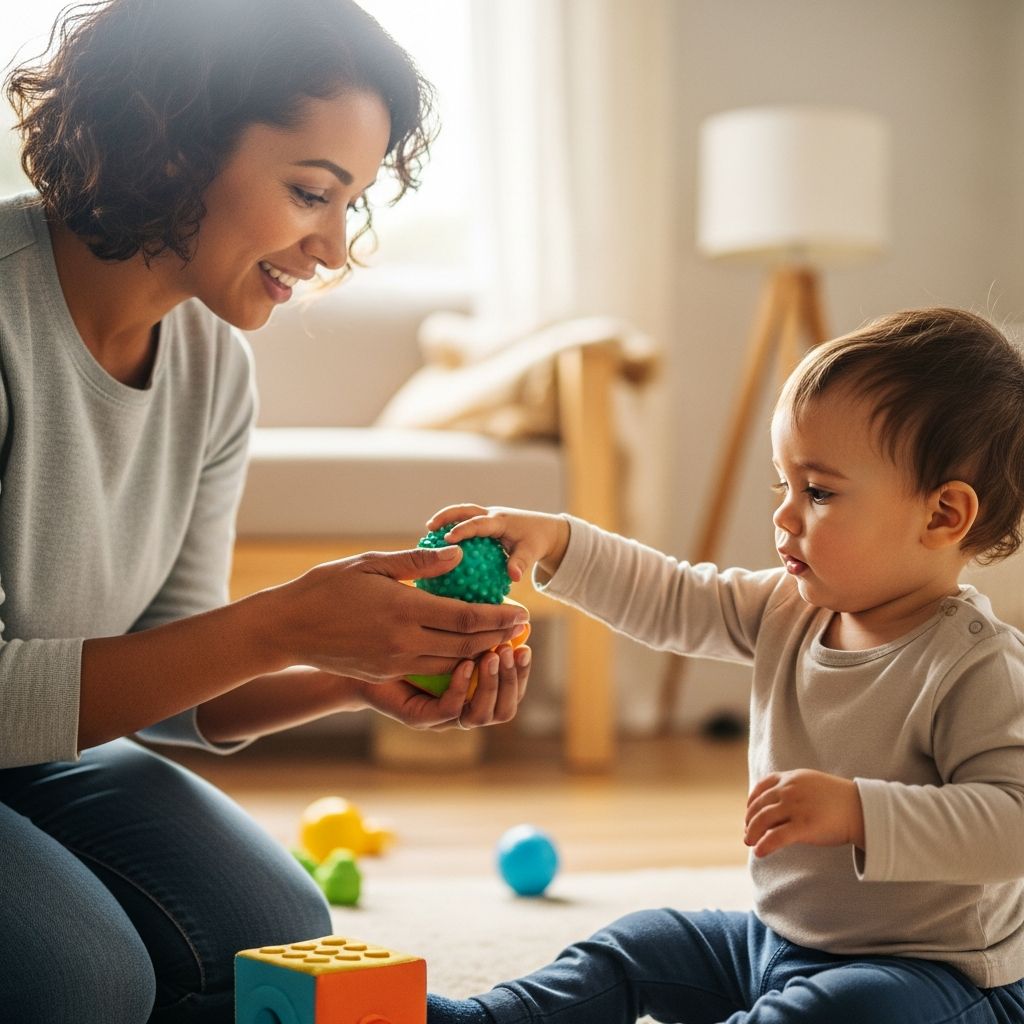
One study from child development organizations notes that young children are highly sensitive to caregiver stress, absorbing it and mirroring behaviors like fussiness or withdrawal. Thus, a mother’s unmet needs indirectly affect her children’s emotional security.
Why Society Mislabels Self-Care as Selfish
Cultural narratives glorify the self-sacrificing mother, fostering “mom guilt” when personal time is sought. This stigma ignores the reality that depleted parents cannot provide optimal care. Therapists argue that viewing self-care as selfish overlooks its role in sustaining long-term family harmony.
Reframing is key: self-care is self-preservation. By modeling boundary-setting and rejuvenation, mothers teach children resilience and self-respect—lifelong skills far more valuable than constant availability.
Practical Daily Self-Care Strategies for Busy Moms
Implementing self-care doesn’t demand hours; small, consistent habits yield profound results. Start with micro-practices integrated into existing routines.
| Category | Quick Practices (5-15 mins) | Benefits |
|---|---|---|
| Physical | Stretching upon waking; short walk after meals | Boosts energy, reduces tension |
| Emotional | Gratitude journaling; calling a friend | Lowers anxiety, builds connection |
| Mental | Deep breathing exercises; reading a page from a book | Sharpens focus, clears mental clutter |
| Spiritual | Mindful meditation; quiet reflection | Fosters inner peace, purpose |
Build routines around transitions: use nap times for rest, commutes for podcasts, or evenings for partner-shared chores to carve out personal space.
Overcoming Common Barriers to Self-Care
Limited time, absent support networks, and guilt form the triad of obstacles. Counter them by communicating needs clearly—enlist partners for designated “me time” or swap playdates with friends.
- Address time scarcity with batching: prepare meals weekly to free daily slots.
- Combat guilt by tracking mood improvements post-self-care, proving its family value.
- Build support via mom groups or apps for virtual accountability.
Flexibility is crucial; if a gym session falls through, pivot to home yoga. Consistency trumps perfection.
Building a Supportive Family Environment
Involve children in the process to normalize self-care. Explain simply: “Mommy needs quiet time to recharge so I can play with you better.” This educates on emotional intelligence and prevents codependency.
Partners play a pivotal role—share loads equitably to prevent one-sided burnout. Families thrive when all members prioritize collective well-being.
Long-Term Benefits for Mothers and Families
Mothers practicing regular self-care report enhanced resilience, better sleep, elevated mood, and amplified family engagement. It fortifies against life’s unpredictabilities, from teething tantrums to work pressures.
Children benefit indirectly: parents who are present and patient nurture secure attachments, promoting confident, empathetic kids. Ultimately, a nurtured mother cultivates a healthier home.
Frequently Asked Questions
What if I feel guilty taking time for myself?
Guilt stems from societal expectations, but remind yourself: a rested mom is more effective. Track how self-care improves your interactions to rewire this mindset.
How do I fit self-care into a packed schedule?
Opt for micro-habits like 5-minute meditations or meal-prep Sundays. Delegate tasks and say no to non-essentials.
Is self-care only about physical health?
No—it’s holistic, covering emotional outlets, mental breaks, and spiritual practices for complete replenishment.
What if my partner doesn’t support it?
Communicate benefits calmly, perhaps sharing articles. Start small to demonstrate positive changes.
Can self-care really prevent burnout?
Yes, consistent practices reduce stress accumulation, as evidenced by improved maternal mental health outcomes.
Advanced Self-Care: Creating Sustainable Routines
Elevate basics into systems. Weekly planning sessions allocate slots for exercise, hobbies, and rest. Apps track habits, while journals monitor progress.
Seasonal adjustments matter: postpartum demands differ from school years. Periodically reassess needs to maintain relevance.
Professional input amplifies impact—therapy or coaching addresses deep-rooted patterns, ensuring self-care evolves with life stages.
Self-Care in the Digital Age
Social media amplifies comparison, intensifying guilt. Curate feeds for inspiration, set screen limits, and use tech mindfully: apps for guided meditations or virtual support groups.
Digital detoxes recharge overstimulation, restoring clarity.
In summary, self-care equips mothers to parent from abundance, not depletion, fostering joyful, resilient families.
References
- Moms’ self-care: Here’s why personal time isn’t selfish — Care.com. 2023. https://www.care.com/c/why-time-for-yourself-isnt-selfish/
- Why Self-Care Is Not Selfish — Psychology Today. 2019-11-01. https://www.psychologytoday.com/us/blog/motherhood-without-guilt/201911/why-self-care-is-not-selfish
- Self-Care is Not Selfish – Mom’s Well Being — MomsWellBeing.com. 2023. https://momswellbeing.com/self-care-is-not-selfish/
- Self-Care for Moms: It’s Not Selfish, It’s Essential — FIT4MOM. 2023. https://fit4mom.com/blog/self-care-for-moms-its-not-selfish-its-essential
- A message for moms: Self-care isn’t selfish — First Things First. 2023. https://www.firstthingsfirst.org/first-things/a-message-for-moms-self-care-isnt-selfish/