Many parents quietly worry when their preschooler chews on a shirt collar, sleeve, or blanket corner. Clothes come home soggy, teachers mention chewed cuffs, and caregivers wonder: “Is something wrong?” This article explains what this behavior usually means, when to look deeper, and how to respond calmly and effectively.
Is Chewing Clothes Normal for Preschoolers?
For young children, especially toddlers and preschoolers, mouthing and chewing on objects is often part of normal development. Oral exploration helps children learn about texture, temperature, and the world around them. However, persistent or intense chewing can also signal that your child is trying to self-regulate emotions or sensory input.
In many cases, chewing is not misbehavior or defiance. It is your child’s way of saying, “Something inside feels big, and this helps me cope.”
What Chewing Can Tell You About Your Child
When a child frequently chews on clothing or blankets, it is often serving one or more of these functions:
- Sensory regulation – oral pressure and movement can help the brain feel calmer and more organized.
- Emotional soothing – chewing can be a repetitive, comforting action when a child is anxious, worried, or overwhelmed.
- Concentration tool – some children chew when they are trying hard to focus or think.
- Habit – over time, chewing can become automatic even after the original trigger has faded.
Common Triggers for Chewing
Parents often notice that chewing increases in specific moments. Typical triggers include:
- Transitions – arriving at preschool, leaving the playground, or getting ready for bed.
- New or unpredictable situations – meeting new people, starting a new class, or going to appointments.
- Demands and challenges – learning new skills, doing fine-motor tasks, or following multi-step instructions.
- Sensory overload – noisy rooms, bright lights, crowded environments.
- Boredom or waiting – long car rides, standing in line, down time at school.
Understanding the Sensory Side: Oral Seeking
Many children who chew on clothing are seeking oral sensory input—pressure and movement in the mouth and jaw that help their nervous system feel “just right.”
| Type of Need | How It May Look | How Chewing Helps |
|---|---|---|
| Under-stimulated (low arousal) | Daydreamy, slow to start tasks, seeks intense movement | Strong jaw pressure wakes up the nervous system and boosts alertness. |
| Over-stimulated (overloaded) | Fidgety, clingy, covers ears or hides, easily upset | Rhythmic chewing provides predictable input and a sense of control, which can feel calming. |
| Emotionally tense | Worried, asks repeated questions, has trouble separating | Acts like a built-in “self-soothing” tool, similar to nail biting or thumb sucking. |
Occupational therapists describe this as a form of self-regulation—the body’s effort to find balance using sensory input.
Possible Links to Other Challenges
Clothing chewing alone does not diagnose anything. However, it can sometimes appear alongside other conditions:
- Sensory processing differences – some children have difficulty organizing sensory information and may seek extra oral input.
- ADHD – studies show that children with ADHD have higher rates of sensory processing difficulties and oral-seeking behaviors, such as chewing.
- Autism spectrum disorder (ASD) – chewing can be one of several repetitive or sensory-seeking behaviors some autistic children use.
- Anxiety – research has linked frequent clothes-chewing in older children with higher levels of anxiety and other emotional symptoms.
Only a qualified professional—such as a pediatrician, psychologist, or occupational therapist—can evaluate whether chewing is part of a broader pattern that needs attention.
When Chewing Is Usually Not a Big Concern
For many preschoolers, chewing is a temporary, developmentally typical phase. It is often less concerning when:
- Your child is under 5 and otherwise developing on track.
- Chewing occurs mainly during stressful or new situations and fades when your child settles.
- There are no safety problems (no choking on fabric, no damage to teeth, no ingestion of non-food items).
- It does not interfere significantly with play, learning, or relationships.
In these cases, your goal is not to “stop” the behavior instantly, but to gently guide it toward safer, healthier ways to cope.
Red Flags: When to Seek Professional Advice
Consider talking with a pediatrician, dentist, or child development professional if you notice:
- Persistent chewing in older children – chewing continues frequently past age 5–6.
- Damage to the body – sores in the mouth, dental wear, or jaw pain.
- Ingestion of non-food items – swallowing fabric, plastic, dirt, or other non-food objects (this may relate to conditions like pica and needs medical evaluation).
- Strong impact on daily life – chewing disrupts eating, learning, social participation, or self-esteem.
- Other developmental or emotional concerns – delays in language, social skills, extreme anxiety, or intense repetitive behaviors.
Your child’s provider may suggest a developmental assessment, an occupational therapy evaluation, or screening for anxiety or neurodevelopmental conditions, depending on the full picture.
Practical Ways to Support a Child Who Chews
Instead of punishing or shaming your child for chewing, focus on understanding the need and offering safer, more effective ways to meet it.
1. Observe Patterns Before You Intervene
Spend a few days simply watching and jotting notes. Ask yourself:
- When does chewing happen most (time of day, location, activity)?
- What just happened before your child started chewing?
- How does your child act emotionally—tired, worried, wired, bored?
- What happens if you gently redirect or change the environment?
This informal “chewing diary” helps you spot themes and choose strategies that actually match your child’s needs.
2. Offer Safer Oral Alternatives
If your child needs to chew, the most effective approach is usually to redirect the chewing to safer options, rather than trying to eliminate it altogether. Talk with your child about protecting shirts and blankets while still giving their mouth something to do.
Examples of oral alternatives include:
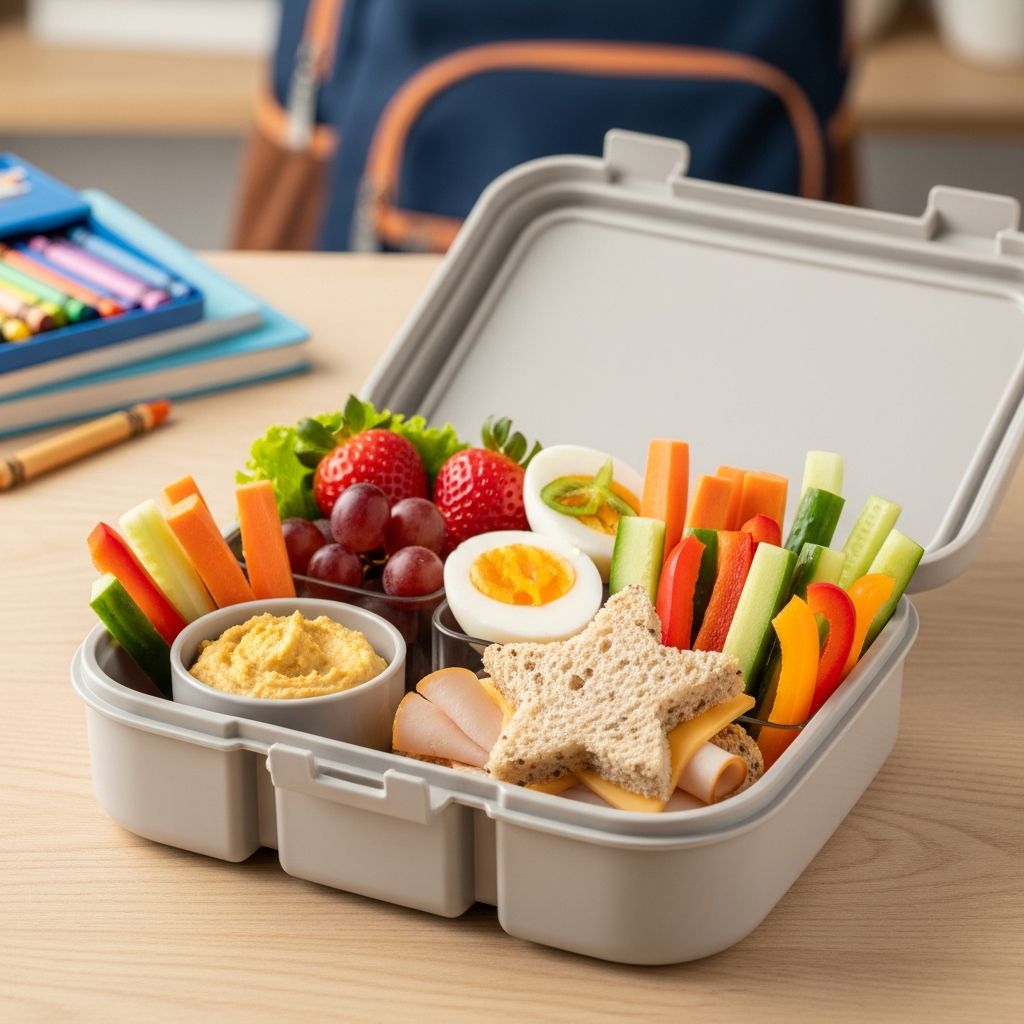
- Chewy foods (when appropriate): bagels, dried fruit, licorice-style chewy snacks, or crunchy foods like carrots and pretzels.
- Thick drinks through a straw: smoothies, yogurt drinks, or milk through a straw that offers resistance.
- Ice chips or cold fruit pieces if your child likes temperature input (with supervision).
- Oral-sensory tools recommended by an occupational therapist, such as chewable jewelry or silicone pencil toppers.
Always supervise young children with any chewable item to reduce choking risk, and discuss specific tools with a healthcare professional if your child has medical or dental issues.
3. Support the Whole Sensory System
Because chewing is often just one way your child regulates their body, adding daily sensory-rich activities can reduce the intensity of clothing chewing over time.
Examples include:
- Heavy work – pushing a loaded laundry basket, carrying groceries (light loads), helping move cushions, or playground climbing.
- Proprioceptive input – jumping on a safe surface, animal walks, wheelbarrow walks, or pillow crashes.
- Calming routines – warm baths, quiet reading corners, dim lights, soft music before bed.
Activities that give strong input to muscles and joints, called proprioceptive input, are known to support self-regulation in many children. A pediatric occupational therapist can help tailor a plan to your child.
4. Build Emotional Regulation Skills
If chewing increases during stress, anxiety, or big transitions, you can gently expand your child’s toolbox for handling feelings. Evidence-based approaches to anxiety in children emphasize teaching coping skills and gradually facing worries with support.
Try introducing:
- Simple feeling words: “Your hands are tight and you’re chewing a lot. I wonder if you feel nervous.”
- Breathing games: blowing bubbles, pretending to blow up a balloon, or smelling a flower and blowing out a candle.
- Comfort objects that are not for chewing: a small stuffed animal, a smooth stone, or a soft cloth just for holding.
- Predictable routines: previewing the day’s plan, using picture schedules, or giving warnings before transitions.
Over time, children learn that there are many ways to cope—not just chewing on a sleeve.
5. Use Gentle Language and Consistent Limits
Children generally respond better when adults stay calm and respectful. Instead of criticizing, you can:
- Acknowledge the need: “Your body really wants to chew right now.”
- Offer a choice: “Shirts are not for chewing. You can chew your chewy necklace or this crunchy snack.”
- Reinforce success: “You remembered to use your chewy instead of your sleeve. That really helps your shirt stay dry.”
This approach protects your child’s dignity and encourages cooperation, rather than creating shame around a coping strategy.
Working With Schools and Caregivers
If your child chews most at preschool, daycare, or with other caregivers, collaboration makes a big difference. You might:
- Share what you have noticed at home—triggers, helpful strategies, and language you use.
- Ask teachers when they see chewing increase (circle time, transitions, noisy activities).
- Provide agreed-upon chew-safe items that can be used in class if appropriate.
- Request an observation or consult with the school’s occupational therapist if one is available.
When adults respond consistently, children feel safer and more supported, which often reduces the intensity of the behavior.
Frequently Asked Questions (FAQs)
Is chewing on shirts harmful to my child?
Occasional chewing is usually not harmful and may simply reflect sensory or emotional needs. It can become a concern if it damages teeth, causes skin or mouth injury, leads to swallowing non-food items, or is associated with other worrisome behaviors. In those cases, consult your child’s healthcare provider.
Will my child outgrow chewing on clothes?
Many children naturally reduce or stop chewing as their nervous system matures and they develop better coping and regulation skills. You can support this process by offering safer alternatives, increasing sensory input through play, and helping them learn other ways to manage stress.
Could chewing be a sign of anxiety?
Yes. Research has found that in some children, frequent clothing chewing is associated with higher levels of anxiety and other emotional symptoms. Chewing may serve as a self-soothing behavior. Look for additional signs such as frequent worries, sleep disturbance, school refusal, or physical complaints like stomachaches, and discuss concerns with a pediatrician or mental health professional.
Is chewing always related to autism or ADHD?
No. Many children who chew on clothing do not have autism or ADHD. However, oral-seeking behaviors are more common in children with sensory processing differences, ADHD, or autism. A professional evaluation is important if chewing occurs together with communication delays, social difficulties, or significant behavioral challenges.
Should I punish or use rewards to stop chewing?
Punishment usually does not address the underlying need and can increase anxiety or shame. Instead, most experts recommend understanding what the chewing is doing for your child, providing safe alternatives, and teaching other regulation skills. Positive attention for using agreed-on tools is generally more effective than trying to eliminate the behavior with threats or bribes.
Who can help if chewing is frequent or intense?
Start with your child’s pediatrician or family doctor. They can rule out medical issues, such as dental problems or nutritional deficiencies, and refer you to specialists as needed. A pediatric occupational therapist can assess sensory processing and provide individualized strategies, while a child psychologist or counselor can help if anxiety or emotional challenges are significant.
References
- Why Kids Chew Clothes: Sensory Needs & Solutions — Eyas Landing Pediatric Therapy. 2023-06-01. https://eyaslanding.com/soggy-shirt-sleeves-again/
- Does Your Child Chew on Everything? 3 Common Questions Parents Ask — Pathways.org. 2022-04-15. https://pathways.org/child-chew-everything-3-common-questions-parents-ask/
- Is Chewing on Clothes a Child Anxiety Sign? What Parents Should Know — Emora Health. 2023-02-10. https://www.emorahealth.com/resources/is-chewing-clothes-a-sign-of-anxiety-in-children-heres-what-parents-should-know
- Is Chewing on Clothes a Sign of Autism? — Autism Parenting Magazine. 2022-09-20. https://www.autismparentingmagazine.com/is-chewing-clothes-a-sign-of-autism/
- Is Chewing Clothes A Sign Of Autism? — Innovative Interventions. 2022-05-12. https://www.innovativeinterventionsnj.com/post/is-chewing-clothes-a-sign-of-autism