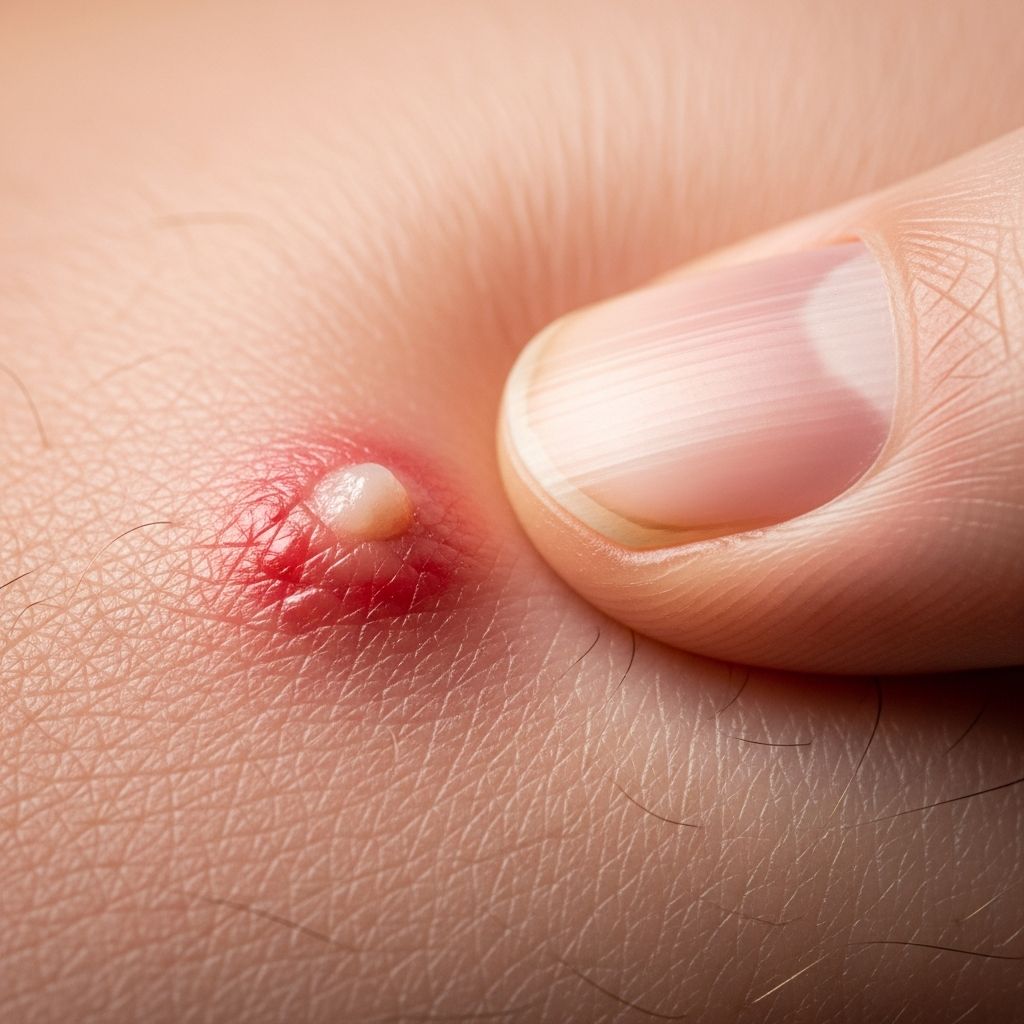
The sight of a ripe pimple often sparks an irresistible impulse for many—a mix of anticipation and satisfaction when it finally bursts. This common behavior stems from deep neurological rewards and evolutionary instincts, making it far more than mere vanity.
Neurological Rewards: Dopamine’s Role in the Satisfaction
Popping a pimple delivers a rush of dopamine, the brain’s primary reward chemical, creating feelings of accomplishment and pleasure. This neurotransmitter reinforces the action, similar to completing a task or winning a game, explaining why the ‘pop’ feels so gratifying.
Research indicates that this dopamine surge can turn popping into a habit loop: the anticipation builds tension, release provides relief, and repetition strengthens the craving. For some, this mirrors addictive behaviors, where the brain seeks repeated hits despite known downsides.
- Dopamine spikes during extraction, mimicking reward from eating or exercise.
- Visual and tactile feedback amplifies the effect, heightening sensory pleasure.
- Over time, tolerance may develop, prompting pursuit of larger or more challenging blemishes.
Evolutionary Roots: Disgust as a Survival Tool
Human fascination with purging skin imperfections ties to an ancient disgust reflex, evolved to protect against parasites and infections. Experts note that sensitivity to blemishes like pimples or scabs prompted early humans to remove threats, improving survival odds.
This reflex manifests as squeamishness toward visible skin issues, driving the urge to ‘cleanse’ them. In modern contexts, it explains why some cannot ignore a pimple, viewing it as a parasite-like intruder demanding expulsion.
Psychologists link this to broader patterns: people drawn to ‘picking’ behaviors often react strongly to filth or irregularities on skin, even others’. This trait, while protective, can become maladaptive when overapplied to minor acne.
Psychological Triggers: Stress, Boredom, and Emotional Coping
Beyond biology, emotional states fuel skin picking. Automatic picking occurs unconsciously during activities like watching TV or driving, often under stress or boredom. Conversely, focused picking targets specific spots amid frustration or anxiety, serving as a distraction.
| Trigger Type | Description | Common Scenarios |
|---|---|---|
| Automatic | Unconscious habit | High stress, reading, commuting |
| Focused | Deliberate targeting | Boredom, anxiety, visible acne |
| Emotional | Coping mechanism | Shame, depression, overstimulation |
Studies show picking intensifies during frustration or low stimulation, releasing tension via dopamine while providing sensory focus. Conditions like hormonal acne or keratosis pilaris exacerbate this, as irregular textures invite manipulation.
The Allure of Pimple Popping Videos: Benign Masochism Explained
Millions view pimple extraction videos not for disgust, but thrill. This stems from benign masochism, where safe exposure to revulsion yields pleasure.
The brain first registers threat—waves of disgust from pus or inflammation—then realizes safety, triggering reward. Similar to roller coasters or spicy foods, it trains emotional resilience: ‘Your body reacts as if in danger, but your mind knows it’s not.’
Psychology Today notes these videos activate reward centers via morbid curiosity, blending arousal, shame, and voyeurism without personal risk. Viewership surges reflect this: a controlled outlet for innate urges.
Health Risks: Why Popping Does More Harm Than Good
Despite the rush, popping inflicts damage. It spreads bacteria, causes inflammation, and risks scarring or infection. Cystic acne worsens post-pop, prolonging healing.
- Infection spread: Pus pushes bacteria deeper, inviting cysts.
- Scarring: Trauma to skin layers forms keloids or pits.
- Hyperpigmentation: Inflammation darkens spots long-term.
Chronic pickers face skin picking disorder (excoriation), linking to OCD traits and requiring therapy. Dermatologists warn repeated damage accelerates aging and perpetuates acne cycles.
Breaking the Habit: Practical Strategies for Clearer Skin
Overcoming the urge demands awareness and substitution. Start by identifying triggers: keep a journal of picking episodes tied to mood or activity.
- Avoid temptation: Cover mirrors, wear gloves, or use barrier creams on prone areas.
- Redirect energy: Fidget toys, stress balls, or nail biting alternatives channel impulses.
- Skincare routine: Gentle exfoliants and retinoids reduce blemishes proactively.
- Mindfulness: Techniques like urge surfing—observe cravings without acting—build resistance.
Professional help shines for persistent cases: cognitive behavioral therapy (CBT) targets picking patterns effectively. Viewing extraction videos satisfies vicariously, deterring self-harm.
Healthy Alternatives to Satisfy the Popping Craving
Crave satisfaction? Opt for safe proxies:
- Extraction tools: Sterile comedone extractors under dermatologist guidance.
- Clay masks: Draw out impurities mimicking purge without trauma.
- Video therapy: Curated popping content for dopamine without damage.
- Manual substitutes: Popping bubble wrap or crushing kinetic sand.
Building these habits rewires reward pathways, yielding lasting skin improvements.
Frequently Asked Questions (FAQs)
Is pimple popping always harmful?
Not if superficial and sterile, but risks outweigh benefits for most. Consult a dermatologist for safe extractions.
Why do I pop pimples when stressed?
It releases dopamine, soothing anxiety temporarily, akin to other body-focused repetitive behaviors.
Can watching popping videos help me stop?
Yes, it provides vicarious satisfaction, reducing personal picking for many.
How long to break a popping habit?
Typically 4-6 weeks with consistent strategies like CBT or habit trackers.
Does popping prevent future acne?
No—it often worsens by spreading oil and bacteria, perpetuating cycles.
Long-Term Skin Health: Prevention Over Cure
Ultimate control lies in prevention: balanced diet, hydration, non-comedogenic products, and stress management minimize breakouts. Regular dermatologist visits catch issues early, avoiding the popping trap altogether.
Understanding this urge empowers choice—harnessing evolutionary gifts without modern pitfalls for healthier, happier skin.
References
- Why Are We Obsessed With Squeezing Spots? — 47 Skin. 2023. https://47skin.com/blogs/blog-home/why-are-we-obsessed-with-squeezing-spots
- How to stop picking pimples – and when to seek treatment — NOCD (TreatMyOCD). 2024. https://www.treatmyocd.com/what-is-ocd/info/related-symptoms-conditions/how-to-stop-picking-pimples-and-when-to-seek-treatment
- Obsessed with popping pimples? Here’s why… — Benzac AU. 2023. https://www.benzac.com/au/article/popping-pimples-habit
- Here’s Why People Are Obsessed With Popping Pimples — TIME. 2018-10-18. https://time.com/5459930/popping-pimples-videos/
- The Science Behind the Pimple Popping Phenomenon — SciShow Psych (YouTube). 2020. https://www.youtube.com/watch?v=DVdcOKIouTU
- Why Do We Love to Pop Zits? — HowStuffWorks Health. 2022. https://health.howstuffworks.com/skin-care/problems/treating/why-do-love-to-pop-zits.htm
- Why Some People Enjoy Watching Pimple Popping Videos — Psychology Today. 2021-01-10. https://www.psychologytoday.com/us/blog/the-asymmetric-brain/202101/why-some-people-enjoy-watching-pimple-popping-videos