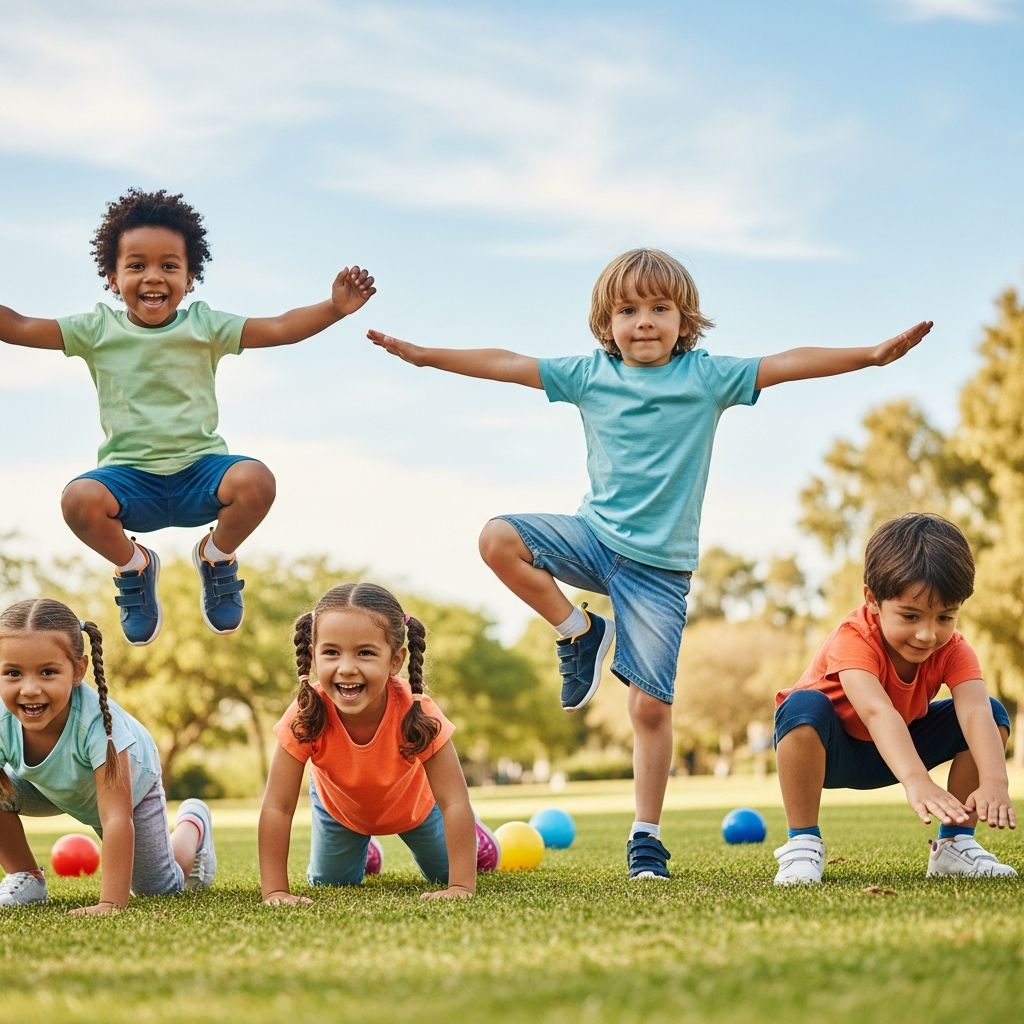
Physical activity forms the cornerstone of healthy childhood development, offering benefits that extend far beyond immediate energy expenditure. For young children, incorporating movement into daily routines fosters robust physical growth, sharpens cognitive abilities, and nurtures emotional resilience. According to health authorities, children aged 3 to 5 should engage in active play throughout the day, while those 6 to 17 need at least 60 minutes of moderate-to-vigorous activity daily. This article delves into why movement matters, explores diverse activity types, and provides practical, engaging routines tailored to different age groups.
Why Movement is Crucial for Growing Bodies and Minds
Regular physical engagement equips children with stronger cardiovascular systems, denser bones, and leaner muscle mass, significantly lowering risks of obesity, type 2 diabetes, and heart disease in later years. Beyond the physical, exercise enhances brain function by boosting blood flow and oxygen delivery, which supports neuron growth and improves attention, memory, and problem-solving skills. Children who move more also experience better sleep, heightened self-confidence, and reduced symptoms of anxiety or depression, creating a positive feedback loop for overall well-being.
From an orthopaedic perspective, weight-bearing activities like jumping and running stimulate bone cells to build density during the critical growth phases of childhood, laying groundwork against future conditions like osteoporosis. Muscles gain strength and endurance through challenges such as climbing or cycling, supporting joints and promoting proper posture. Flexibility exercises maintain joint mobility, preventing stiffness and injury. Socially, group play hones teamwork, communication, and conflict resolution, essential life skills learned through sports or playground interactions.
Essential Components of Children’s Physical Activity
To maximize benefits, children’s routines should blend aerobic endurance, strength-building, flexibility, and balance. Aerobic exercises elevate heart rates, strengthening the heart and lungs while delivering oxygen efficiently to cells. Strength activities target muscles and bones via climbing, pushing, or pulling motions. Flexibility comes from stretching or yoga-like poses, and balance through activities like standing on one foot or navigating obstacle courses.
- Aerobic Endurance: Running, swimming, or dancing to build stamina.
- Muscle and Bone Strength: Jumping jacks, push-ups, or playground climbing.
- Flexibility: Gentle stretches, yoga flows, or animal pose imitations.
- Balance and Coordination: Hopscotch, tightrope walks, or ball tossing.
Healthdirect emphasizes mixing intensities: moderate activities allow talking, while vigorous ones quicken breathing and heartbeat. Aim for vigorous and strengthening sessions at least three times weekly for optimal gains.
Age-Appropriate Activity Blueprints
Tailoring exercises to developmental stages ensures safety and engagement. Toddlers and preschoolers thrive on unstructured play, while school-aged kids benefit from structured challenges.
Activities for Ages 2-5: Playful Foundations
For the youngest, focus on free exploration to develop gross motor skills. Activities should spark curiosity without rigid rules.
- Obstacle Adventures: Crawl under tables, step over cushions, and jump onto mats to enhance coordination and confidence.
- Ball Games: Roll, toss, or kick soft balls to refine hand-eye coordination and spatial awareness.
- Dance Parties: Move to music with silly dances, promoting rhythm and joy in motion.
- Nature Hunts: Walks collecting leaves or sticks build endurance and sensory integration.
These keep preschoolers active all day, aligning with CDC recommendations.
Exercises for Ages 6-12: Building Skills and Stamina
School years demand variety to sustain interest and target advancing abilities.
| Activity Type | Description | Benefits | Duration Suggestion |
|---|---|---|---|
| Team Sports | Soccer drills or relay races | Social skills, agility, teamwork | 20-30 minutes |
| Cycling Paths | Bike rides on safe trails | Cardio endurance, leg strength | 15-25 minutes |
| Yoga Sequences | Child-friendly poses like tree or warrior | Flexibility, focus, calm | 10-15 minutes |
| Jump Challenges | Rope skipping or hopscotch | Bone density, coordination | 10 minutes |
These build on motor skills and cognition, with studies showing positive impacts on academic achievement.
Tweens and Teens: Sustaining Momentum (Ages 13+)
As kids near adolescence, introduce higher intensities like interval training or resistance bands, always prioritizing fun to foster lifelong habits.
Practical Daily Integration Strategies
Embed activity seamlessly into family life for consistency.
- Morning Energizers: 10-minute family stretches or marches to start the day focused.
- After-School Circuits: Rotate stations—jumping, balancing, throwing—for 30 minutes of variety.
- Weekend Expeditions: Hikes, park games, or beach volleyball for immersive fun.
- Home Workouts: No-equipment routines like wall sits, planks, or shadow boxing.
Limit screens to encourage outdoor time, and model activity by joining in—kids mimic parents. Track progress with fun charts to boost motivation.
Navigating Challenges and Safety First
Not all days are ideal; weather or fatigue can hinder plans. Indoor alternatives like indoor hopscotch or pillow obstacle courses maintain momentum. Watch for overexertion signs like persistent pain or breathlessness, and consult pediatricians for tailored advice, especially with conditions like asthma.
Ensure hydration, sun protection, and proper footwear. Variety prevents boredom and overuse injuries, while supervision safeguards younger ones.
Long-Term Rewards of an Active Childhood
Investing in movement now yields dividends: reduced chronic disease risk, superior mental health, and active adulthoods. WHO notes physical activity promotes healthy growth, cardiorespiratory fitness, and reduced adiposity. Cognitively, it sharpens executive functions vital for success.
Frequently Asked Questions
What if my child dislikes sports?
Opt for non-competitive play like dancing or hiking; the key is enjoyment to build positive associations.
How much activity is enough?
CDC advises 60 minutes daily for ages 6-17, with younger kids active throughout the day.
Can exercise help with school performance?
Yes, it enhances concentration, memory, and stress reduction, aiding academics.
Are home exercises effective?
Absolutely; bodyweight moves like squats and planks deliver full benefits without gear.
What about kids with disabilities?
Adaptive activities tailored by professionals ensure inclusivity and gains.
References
- Children – keeping them active — Better Health Channel, Victoria Government. 2023. https://www.betterhealth.vic.gov.au/health/healthyliving/children-keeping-them-active
- Why Exercise Is Essential for Children’s Development and Orthopaedic Health — CFA Ortho. 2024-08-01. https://www.cfaortho.com/media/news/2024/08/why-exercise-is-essential-for-children-s-development-and-orthopaedic-health
- Kids and Exercise — Nemours KidsHealth. 2024. https://kidshealth.org/en/parents/exercise.html
- Benefits of physical activity for children — Healthdirect, Australian Government. 2024. https://www.healthdirect.gov.au/benefits-of-physical-activity-for-children
- Health Benefits of Physical Activity for Children — CDC. 2024. https://www.cdc.gov/physical-activity-basics/health-benefits/children.html
- Physical Activity in Children’s Health and Cognition — PMC, NIH. 2018-06-22. https://pmc.ncbi.nlm.nih.gov/articles/PMC6036844/
- The Benefits of Physical Activity and Exercise on Mental Health — Children’s Hospital Colorado. 2024. https://www.childrenscolorado.org/just-ask-childrens/articles/mental-health-benefits-exercise/
- Physical activity — World Health Organization. 2024-11-26. https://www.who.int/news-room/fact-sheets/detail/physical-activity