Understanding the Third-Person Parenting Phenomenon
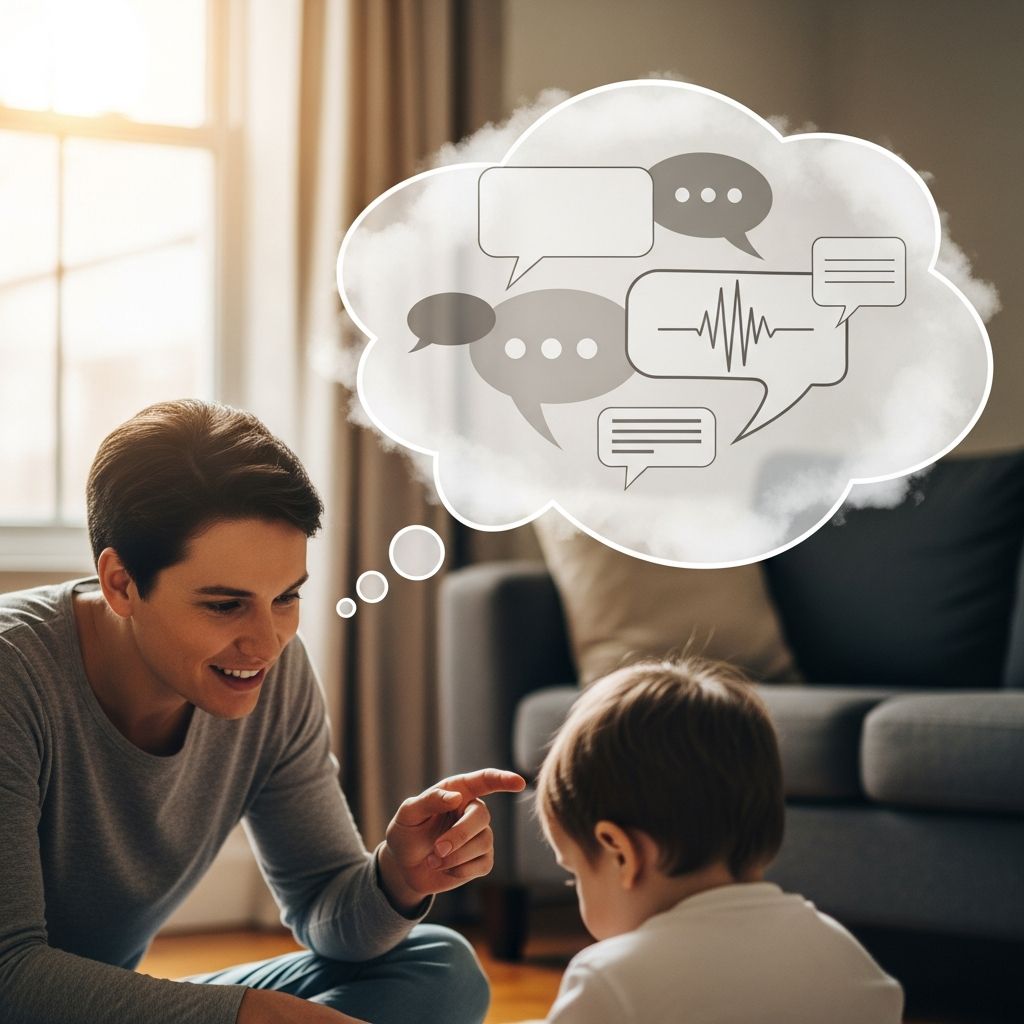
Walk through any playground, daycare, or family gathering, and you’ll encounter a peculiar linguistic pattern: parents referring to themselves by name rather than using first-person pronouns. “Mommy needs a break,” a tired caregiver announces. “Daddy’s going to read you a story,” another declares. This speech pattern, formally known as illeism, has become so ubiquitous that most parents don’t even realize they’re doing it. Yet this seemingly unusual communication style deserves closer examination, as it reflects deeper psychological mechanisms and potentially influences how children acquire language and develop their sense of self.
The Linguistic Foundation: Pronouns and Early Language Acquisition
One of the most compelling explanations for why parents gravitate toward third-person speech relates to how children learn language. When toddlers begin developing their linguistic abilities, pronouns present a unique challenge that stable nouns do not. The word “you” shifts meaning depending on context—it refers to different people in different conversations. Similarly, “I” changes identity based on who is speaking. In contrast, “Mommy,” “Daddy,” and a child’s own name remain constant regardless of conversational context. This linguistic consistency makes nouns significantly easier for developing minds to process and retain.
Research demonstrates that young children naturally adopt third-person speech patterns during their early language development stages. A toddler might say “Tommy wants juice” rather than “I want juice,” mirroring the speech patterns they hear from caregivers. Parents who use similar constructions may be inadvertently facilitating this transition by providing concrete language anchors that help children navigate the complexities of pronoun usage. The stable noun serves as a bridge between non-verbal communication and the more abstract understanding required for pronouns.
Stress Management and Parental Emotional Regulation
Beyond language instruction, research suggests that third-person speech may serve important psychological functions for parents themselves. Psychologist Ethan Kross at the University of Michigan has conducted extensive research on self-talk and its effects on emotional regulation and confidence levels. His findings reveal that individuals who refer to themselves in the third person during stressful situations demonstrate measurably greater confidence and exhibit superior emotional control compared to those using first-person pronouns.
In a 2014 study, Kross observed that when non-stressed participants were instructed to adopt third-person speech patterns, they consistently spoke with more assurance and confidence than control groups using first-person language. This phenomenon intensifies under stress—situations that parents face regularly. A parent facing repeated requests, tantrums, or boundary-testing behavior may unconsciously shift into third-person speech as a coping mechanism. Phrases like “Daddy’s had enough” or “Mommy says no” create psychological distance from immediate emotional reactions, allowing parents to respond from a position of perceived authority rather than raw frustration.
Neuroimaging studies have provided biological support for these behavioral observations. Research using functional MRI scans demonstrated that third-person self-reference activates neural pathways associated with cognitive control and emotional regulation. This suggests that the shift in speech pattern corresponds to actual changes in how the brain processes and manages emotional responses. For overwhelmed caregivers, this verbal strategy may represent an unconscious yet effective technique for maintaining composure during challenging parenting moments.
Self-Distancing as a Psychological Strategy
The concept of psychological self-distancing helps explain why third-person speech feels intuitively helpful during parental stress. When parents refer to themselves by name rather than using “I,” they create mental and emotional separation from their immediate emotional state. This distancing mechanism allows caregivers to observe their circumstances more objectively, as though viewing the situation from an external vantage point. Kross described this effect as enhancing “people’s tendency to imagine how they appear from the perspective of the audience evaluating them.”
For parents, this translates into a momentary shift in perspective. Instead of being consumed by frustration at the fifth consecutive story request, a parent using third-person speech might think about how they appear to their child—as a composed, confident authority figure rather than an irritated adult. This subtle cognitive reframing can be remarkably effective in preventing overreactions and modeling emotional control for observant children.
Behavioral Mimicry and Learned Patterns
Some parents adopt third-person speech because they learned it from their own caregivers. Generational patterns of speech often persist unconsciously as adults replicate communication styles experienced in childhood. A parent whose mother regularly said “Mommy’s busy right now” may naturally fall into the same pattern without deliberate decision-making. However, research indicates that learned behavior only partially explains the phenomenon. Studies show that even parents who use third-person speech extensively employ first and second-person pronouns significantly more frequently in everyday conversation with their children. Parents use “I” approximately 17 times more often than “Mommy” when speaking directly to their children, suggesting that third-person speech represents a strategic tool deployed in specific circumstances rather than a comprehensive communication style.
Interestingly, the origin of parental illeism may sometimes lie with children themselves. Linguists have observed that toddlers are natural illeists, spontaneously referring to themselves in the third person before pronoun mastery develops. Parents may unconsciously mirror this speech pattern, creating a reciprocal linguistic dynamic. Additionally, some evidence suggests that parents may begin using third-person speech before children even develop vocabulary, such as when caregivers coo “Mommy loves you” to infants. This indicates that multiple factors contribute to the behavior, not merely language instruction.
Control, Authority, and Situational Deployment
Parents appear more likely to use third-person speech when asserting authority or when serving their children’s needs during potentially stressful interactions. Phrases like “Mommy will get you the snack” or “Don’t climb on the counter—Daddy says so” employ third-person speech to indicate that certain topics are non-negotiable. The shift to a child’s name or parental title creates linguistic weight that first-person pronouns might lack in contentious moments.
Research suggests parents may unconsciously deploy this strategy to maintain a sense of control during novel and demanding situations. The parenting role itself represents perhaps the most significant identity expansion most adults experience, and third-person speech may serve as a psychological anchor—a way of stepping outside overwhelming emotional responses and reestablishing a sense of mastery. Some evidence indicates that the frequency of third-person speech correlates with how deeply parents have allowed their identity to become subsumed by caregiving responsibilities. Parents who frequently use illeism might benefit from consciously carving out personal time and identity beyond their parental role.
Potential Developmental Concerns and Long-Term Effects
While third-person speech offers clear benefits for parental stress management and may facilitate pronoun acquisition, researchers have raised questions about potential drawbacks. Nick Luxmoore of King Alfred’s College suggested that constant third-person speech might subtly accelerate a child’s sense of separateness and independence before such psychological separation optimally serves their development. Children benefit from experiencing themselves as embedded within relationships and family systems, not merely as autonomous individuals. Excessive third-person parental speech might inadvertently emphasize independence and autonomy at the expense of relational awareness—potentially affecting how children conceptualize their place within family and social networks.
The concern centers not on occasional third-person speech, but on its habitual overuse. Children who consistently hear “Mommy” and “Daddy” rather than “I” and “me” might develop a subtly distorted understanding of parental emotions and intentions. They may perceive their caregivers as role-playing authority figures rather than authentic individuals with genuine feelings and needs. This could potentially affect emotional attunement and the development of empathy, though research in this specific area remains limited.
Strategic Deployment: The Balanced Approach
The evidence suggests that third-person speech functions most effectively when deployed strategically rather than adopted as a comprehensive communication style. Parents benefit from using illeism when managing stress, when teaching pronoun distinctions, or when establishing authority during important moments. However, maintaining predominantly first-person speech in everyday interactions allows children to experience their parents as emotionally authentic individuals, not merely as authority figures dispensing commands and care.
This balanced approach acknowledges the psychological benefits third-person speech provides parents while minimizing potential developmental effects on children. A parent who occasionally says “Daddy’s tired and needs quiet time” models emotional honesty and healthy boundary-setting. By contrast, a parent who consistently refers to themselves only as “Daddy” obscures their authentic emotional experience behind a role-based identity.
Practical Considerations for Modern Parents
Understanding the mechanisms behind third-person speech enables parents to use the tool consciously rather than habitually. Key considerations include:
- Recognizing when you naturally shift into third-person speech and identifying the emotional or communicative trigger
- Maintaining predominantly first-person speech in emotionally neutral interactions and everyday conversation
- Using third-person speech deliberately during stressful moments when emotional regulation is needed
- Being mindful of how often third-person speech appears in your communication—high frequency may indicate you’re losing personal identity in the parenting role
- Alternating between pronouns when establishing boundaries, allowing children to hear both your role-based authority and your authentic emotional voice
The Broader Context of Parental Communication
Third-person speech exists within the larger framework of “parentese”—the modified speech patterns parents naturally adopt when communicating with young children. This includes elevated pitch, exaggerated intonation, simplified vocabulary, and yes, third-person constructions. These modifications serve legitimate developmental purposes, providing children with optimized language models and capturing their attention through distinctive acoustic qualities. Third-person speech fits within this broader category of developmentally supportive communication strategies.
However, unlike some other parentese features that diminish naturally as children develop language skills, third-person speech persists in many parents well beyond the early language acquisition stage. This suggests that by adolescence and into adulthood, third-person speech primarily serves parental psychological needs rather than child developmental needs. Understanding this distinction helps parents evaluate whether their continued use of illeism serves their children’s development or primarily functions as a stress-management tool.
Frequently Asked Questions
At what age should parents stop using third-person speech?
While third-person speech serves valid purposes during early language acquisition (ages 1-3), most children have mastered pronoun usage by age three or four. After this point, frequent third-person speech primarily serves parental functions rather than developmental purposes. Parents can transition toward predominantly first-person speech, using third-person speech only strategically during stressful moments.
Does using third-person speech confuse children about pronouns?
Research suggests that children naturally use third-person speech during early language development and gradually transition to pronouns as they mature. Parental modeling of both patterns—using stable nouns alongside pronouns—provides children with multiple examples of how language works, supporting rather than hindering pronoun acquisition.
Is third-person parental speech harmful to child development?
Occasional third-person speech appears to be harmless and may offer benefits. However, excessive or habitual use might subtly affect how children perceive their parents as emotionally authentic individuals and their understanding of relational interdependence. Balanced communication that includes both third-person speech and first-person authenticity likely optimizes developmental benefits.
Why do I use third-person speech more when stressed?
Psychological research demonstrates that third-person speech activates brain regions associated with emotional control and creates beneficial psychological distance from stressful situations. Your brain may naturally gravitate toward this pattern because it genuinely helps you feel more composed and in control.
Can I change this habit if I’ve been using third-person speech extensively?
Yes, with awareness and intentional practice, parents can shift their communication patterns. Begin by noticing when you use third-person speech, then consciously substitute first-person pronouns in emotionally neutral situations. Reserve third-person speech for moments when you genuinely need its stress-management benefits.
References
- Why Do Parents Talk To Kids In The Third Person? — Fatherly. Retrieved from https://www.fatherly.com/health/why-parents-talk-to-kids-third-person-illeism
- Parentese and speaking in the third person — Silent but Deadly. Retrieved from https://silentbutdeadly.substack.com/p/parentese-and-speaking-in-the-third
- Speaking in 3rd Person When We Talk to Our Kids — Parent. 2023. Retrieved from https://www.parent.com/blogs/conversations/2023-why-do-we-refer-to-ourselves-in-the-third-person-when-we-talk-to-our-kids
- Self-Talk and Emotional Regulation — University of Michigan Research (Ethan Kross studies on illeism and stress management). Retrieved from academic research databases.