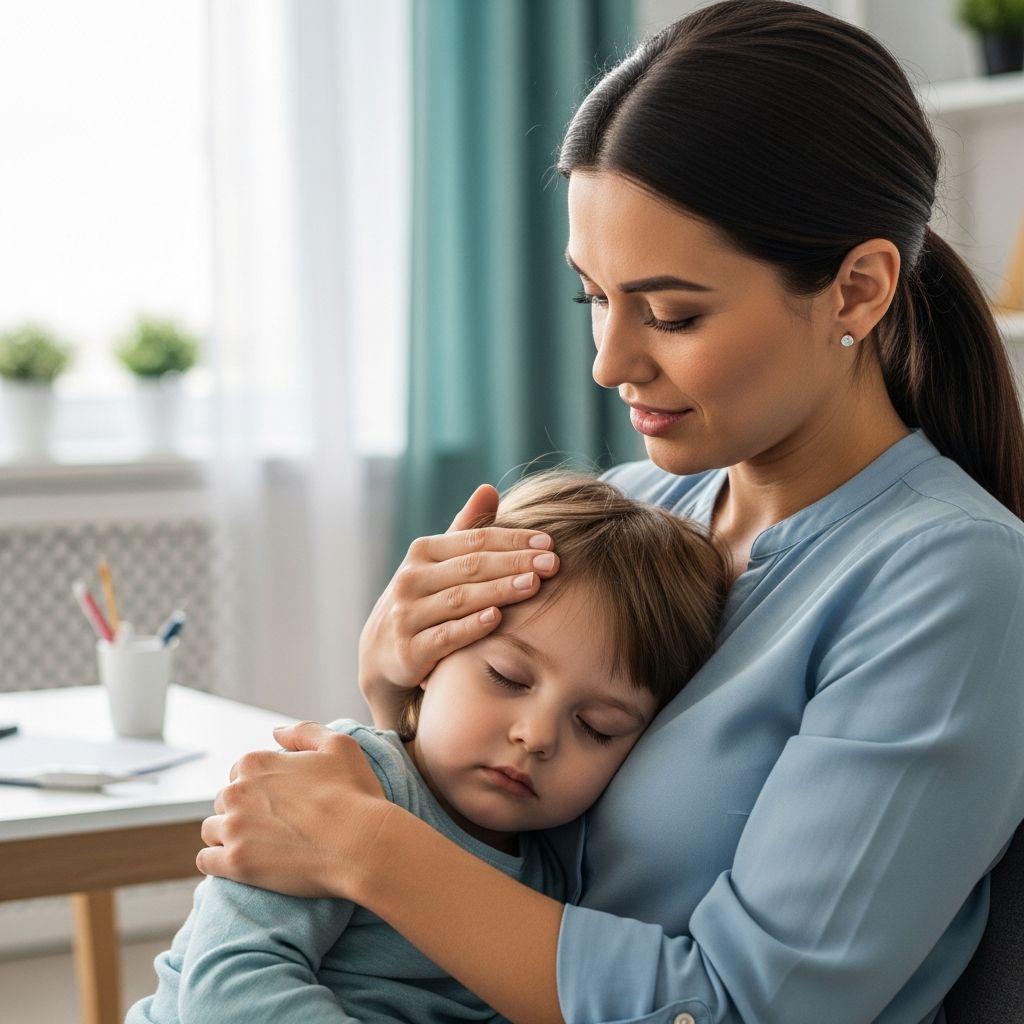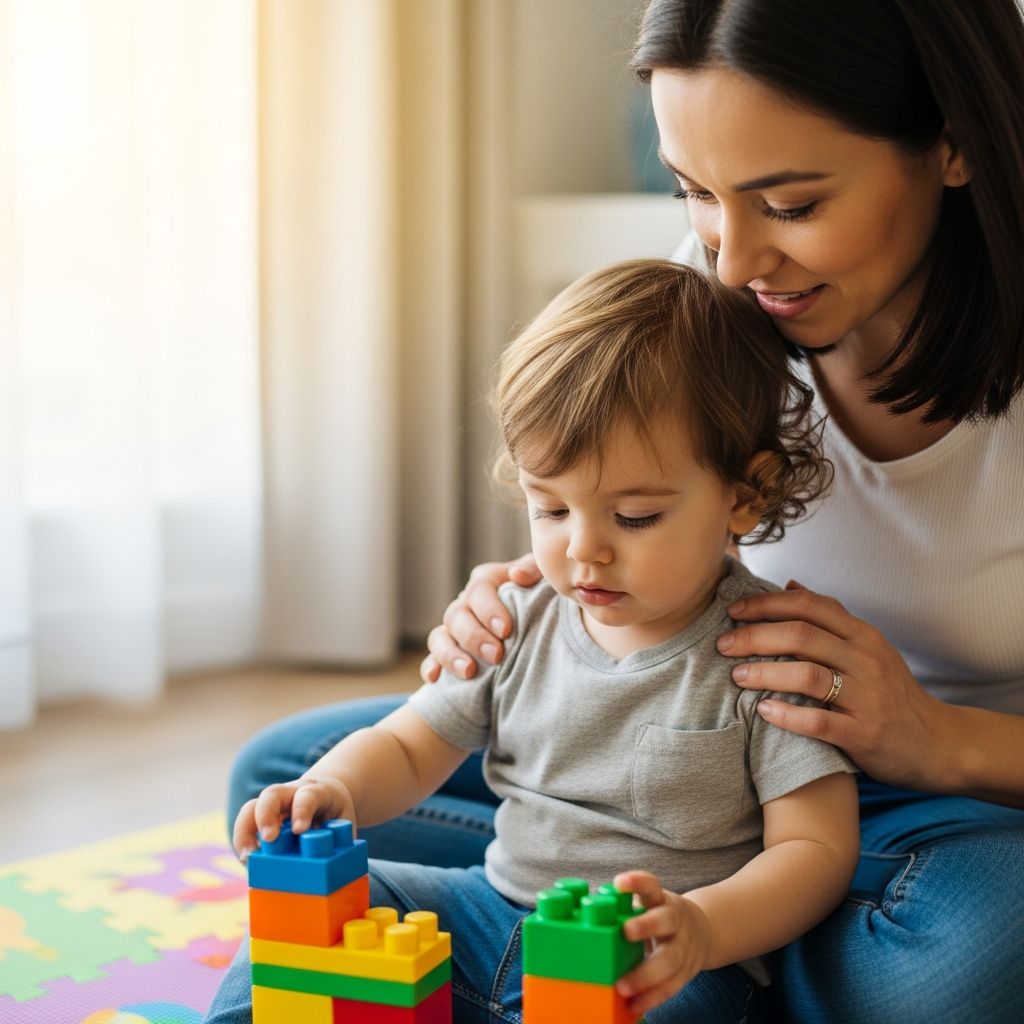
Many caregivers find themselves saying things like, “Mommy will help,” or “Daddy is cooking dinner,” instead of using the word “I.” This habit, known as illeism (referring to oneself in the third person), often appears naturally when adults talk to babies and toddlers, and it turns out there are good developmental and psychological reasons for it.
What Is Parental Illeism?
Illeism is the habit of referring to yourself by name or title instead of with first-person pronouns like “I” or “me.” In parenting, this shows up as phrases such as “Mommy loves you,” “Daddy is right here,” or “Grandma will read the book.” Rather than being a strange quirk, it is a communication style that often fits where a child is developmentally.
For very young children, caregivers’ names and roles are clear, stable labels, while pronouns change depending on who is speaking. Referring to yourself as “Mommy” or “Daddy” helps children link your role, your face, and your actions into one easy-to-understand package.
Why Parents Slip into Third-Person Talk
Most parents do not sit down and consciously decide, “I will now speak about myself like a character in a story.” Instead, this way of talking emerges from everyday interactions with a young child. Several forces work together to make third-person speech feel natural and even necessary.
- Intuition about what kids understand: Adults sense that “Give the ball to Mommy” is easier for a toddler to grasp than “Give the ball to me,” especially before the child fully understands pronouns.
- Repetition of familiar labels: Saying “Mommy” or “Daddy” again and again reinforces those words as central anchors in the child’s world, similar to how children learn their own names.
- Modeling from other adults: Parents often copy the speech patterns they heard from their own caregivers or see other parents using at the playground, in books, and in media aimed at children.
- Emotion and stress: In intense moments—tantrums, accidents, or separations—third-person speech can sound more soothing or more authoritative, helping parents feel in control of the situation.
Rather than a sign of talking “down” to children, this style can serve as a bridge, connecting adult intentions with a young child’s still-developing understanding of language and relationships.
How Children Learn Pronouns and Names
To understand why “Mommy” talk is so common, it helps to look at how children build language. Early words tend to be concrete and stable: names, objects, and routines. A child quickly learns who “Mama” is, who “Dada” is, and what “ball” or “milk” means because those labels point to the same person or thing every time.
Pronouns behave very differently. The word “I” refers to whoever is speaking at the moment, and “you” changes depending on who is being addressed. For a young brain trying to make sense of language, this shifting reference can be confusing. Using names instead of pronouns gives children a reliable shortcut: the same sounds always refer to the same person.
Language Development Benefits of Third-Person Talk
Third-person speech aligns surprisingly well with what is known about early language development. When used thoughtfully, it can support clearer communication and give children a strong foundation for learning pronouns later.
Clear Reference Points
When a parent says, “Mommy is putting on your shoes,” the child can easily attach that sentence to one specific person and one specific action. This clarity reduces the mental work the child must do to decode who is doing what.
- Names and titles act like consistent labels, reinforcing memory of key people in the child’s environment.
- Children hear the same words (Mommy, Daddy, Nana) paired with predictable actions, which strengthens understanding over time.
Support for Vocabulary Growth
Hearing “Mommy,” “Daddy,” or other caregiver names woven into daily routines turns those labels into some of the most frequently practiced words in a child’s vocabulary. This repetition helps them become part of the child’s earliest expressive language.
- Many toddlers will say “Mama do it” or “Daddy come” before they reliably use “I” and “you.”
- Third-person statements give a natural rhythm and structure to short sentences that are easier to imitate.
Gentler Introduction to Pronouns
As children grow, caregivers often start mixing pronouns and names in the same phrases: “Mommy is cooking, and I am stirring the soup.” This gradual blend helps children map the word “I” onto the person they already know as “Mommy.”
Over time, the child’s brain learns that “I” and the caregiver’s name can refer to the same person depending on who is talking, which is a sophisticated step in language mastery.
Emotional and Psychological Reasons Parents Use Illeism
Third-person speech is not only about language; it also touches on identity, stress, and emotional regulation. For many parents, referring to themselves as “Mommy” or “Daddy” feels different than using their first name or “I,” especially in charged moments.
Creating a Calming, Caretaking Identity
Using a caregiving title can remind both parent and child of the nurturing role the adult plays. Saying, “Mommy is here,” signals safety and consistency, especially during separation, bedtime, or when a child is upset.
- Third-person phrases can sound like comforting narrations, similar to a gentle voiceover in a story.
- This style can help parents access a calmer, more patient version of themselves in stressful situations.
Emotional Distance in Stressful Moments
Some psychological research shows that referring to oneself by name during internal self-talk can create a slight sense of distance from strong emotions. When parents say, “Mommy needs a minute,” it might subtly help them step back from frustration and respond more calmly.
This emotional space can be especially useful during tantrums or conflicts, allowing parents to set limits without feeling as triggered or defensive.
Reinforcing Healthy Boundaries
Framing limits in the third person—“Daddy doesn’t let kids hit,” or “Grandma says no jumping on the table”—can make rules feel consistent and less personal. The focus shifts from “I am mad at you” to “This is a boundary that exists.”
Over time, children learn that these boundaries are part of how the family works, not just a reflection of a parent’s mood in the moment.
Everyday Situations Where Third-Person Talk Shows Up
Parents often notice third-person speech appearing in predictable parts of the day. While every family is different, some patterns are common across households and cultures.
| Situation | Why Third Person Feels Natural |
|---|---|
| Soothing a crying baby | Caregiver names become signals of comfort and safety, repeated calmly while rocking or holding the child. |
| Setting limits with toddlers | Using titles like Mommy or Daddy makes rules sound steady and predictable rather than personal and reactive. |
| Explaining routines | “Mommy is getting your snack” or “Daddy is putting on your coat” matches simple, concrete actions with clear labels. |
| Public or social settings | Caregivers might use their title more when other adults and children are around, reinforcing their role. |
| Playful, imaginative play | Third-person phrases can sound like part of a story, which fits pretend games and character-based play. |
When Third-Person Talk Is Helpful
Used in moderation and adapted over time, third-person speech can be a useful tool in your parenting toolkit. It is especially supportive in the early years, when children are still learning who everyone is and how language works.
- Infancy and toddlerhood: Third-person talk fits naturally with babies’ and toddlers’ need for repetition, clear labels, and predictable patterns in speech.
- Transitions and separations: Phrases like “Grandma will pick you up today” or “Mommy comes back after nap” can help children anticipate what will happen.
- Emotional coaching: “Daddy sees you’re sad” or “Mommy understands you’re mad” pairs emotional vocabulary with a safe, trusted figure.
- Modeling empathy and perspective: Talking about what Mommy or Daddy feels and does provides gentle examples of recognizing emotions in others.
The key is flexibility. As children’s understanding grows, adults can gradually fold in more first-person speech so kids hear both “Mommy” and “I” describing the same person.
Potential Downsides and Misunderstandings
While third-person talk is usually harmless and often helpful, it can raise questions when it continues unchanged into later childhood or when it replaces more direct and respectful communication styles.
Overuse as Children Grow
If older children only hear caregivers speak about themselves as “Mommy” or “Daddy,” they may miss out on learning how adults use pronouns in everyday conversation. This can slow their ability to generalize from family talk to broader social situations.
Past a certain age, constant third-person speech can also feel odd or babyish to children, especially if they are already fluent speakers and aware of how other adults talk.
Confusing Boundaries of Identity
When parents never use their own names or “I” statements, children might have a harder time recognizing that their caregiver is a full person outside the parenting role, with a life, preferences, and needs of their own.
Hearing statements like “I need some quiet time” alongside “Mommy loves playing with you” helps children understand that caregivers are both parents and individuals, which models healthy boundaries.
Risk of Talking Down
For school-aged children and teenagers, third-person talk can sometimes feel patronizing if it is used in the same tone and style as when they were toddlers. What once supported understanding can begin to sound dismissive of their maturity.
Adapting your language to your child’s age and abilities shows respect and encourages open conversation, which matters more and more as children become capable of complex dialogue.
How to Use Third-Person Speech in a Healthy Way
Parents do not need to eliminate third-person speech altogether, but they can use it more intentionally as children grow. A few simple guidelines help keep it supportive rather than limiting.
- Match your language to your child’s stage: Use more third-person talk for babies and toddlers, then gradually blend in more “I” and “you” statements as they develop.
- Mix names with pronouns: Phrases like “Mommy is here, and I will hold you” help children connect the two ways of referring to the same person.
- Shift tone with age: For older children, reserve third-person speech for light, playful moments rather than serious conversations or discipline.
- Use first person for your needs and feelings: Saying “I feel tired” or “I need help” models healthy self-awareness and self-expression.
- Check in with your child: If your child rolls their eyes or pulls away when you say “Mommy” in the third person, take that as a cue to adjust how you speak.
Third-Person Talk Beyond Parenting
Interestingly, illeism appears in other parts of life as well. Athletes, public figures, and even everyday adults sometimes refer to themselves by name when they are trying to manage emotions, think through decisions, or speak to an audience.
Researchers who study self-talk have found that using one’s own name can create a small emotional buffer during stressful tasks, making it easier to stay calm and focused. Parenting can be one of the most intense roles a person plays, so it is not surprising that a similar pattern appears in how caregivers talk to their children.
Frequently Asked Questions
Is it okay that I always say “Mommy” instead of “I” to my toddler?
For babies and toddlers, this is usually completely fine and often helpful. Your child benefits from hearing clear, consistent labels for important people, and third-person speech naturally provides that. Over time, you can gradually introduce more first-person statements as your child begins to use pronouns.
At what age should I start using “I” more often?
There is no single strict age, but many children begin to understand and use pronouns somewhere in the preschool years. As you hear your child saying “I,” “me,” and “you” more accurately, it is a good time to increase your own use of first-person language while still occasionally using “Mommy” or “Daddy” for clarity.
Could third-person talk confuse my child about pronouns?
On its own, third-person talk is unlikely to cause confusion. Problems are more likely if children rarely hear adults use pronouns in natural conversation. The solution is not to avoid third-person talk entirely but to balance it with everyday speech that includes “I,” “you,” and “we,” especially as your child’s language skills grow.
Is speaking in the third person a sign of immaturity or a problem?
In the context of parenting young children, third-person speech is generally considered normal. Concerns arise only if it persists rigidly in all situations, interferes with age-appropriate conversation, or reflects deeper difficulties with identity or communication. In those cases, a conversation with a pediatrician or mental health professional can provide guidance.
How can I transition away from third-person talk with an older child?
Start by pairing old patterns with new ones. For example, shift from “Mommy says no phones at dinner” to “I don’t allow phones at dinner; it’s our family rule.” Over time, rely more on direct explanations, collaborative problem-solving, and mutual respect in your conversations, reserving third-person talk for occasional playful moments if it still feels natural.
Key Takeaways for Busy Parents
- Referring to yourself as “Mommy,” “Daddy,” or another caregiver title in the third person is a common and usually healthy part of early parent–child communication.
- This habit supports language development by giving children stable labels, clear references, and simple sentence patterns to imitate.
- Third-person talk can also help parents manage stress, reinforce their caregiving role, and set consistent boundaries in an emotionally steady way.
- As children grow, it is important to blend in more pronoun-based speech so they learn how adults talk in the broader world and see caregivers as full people with their own needs.
- Flexibility is more important than perfection; adjusting your language as your child’s skills and personality emerge is what truly matters.