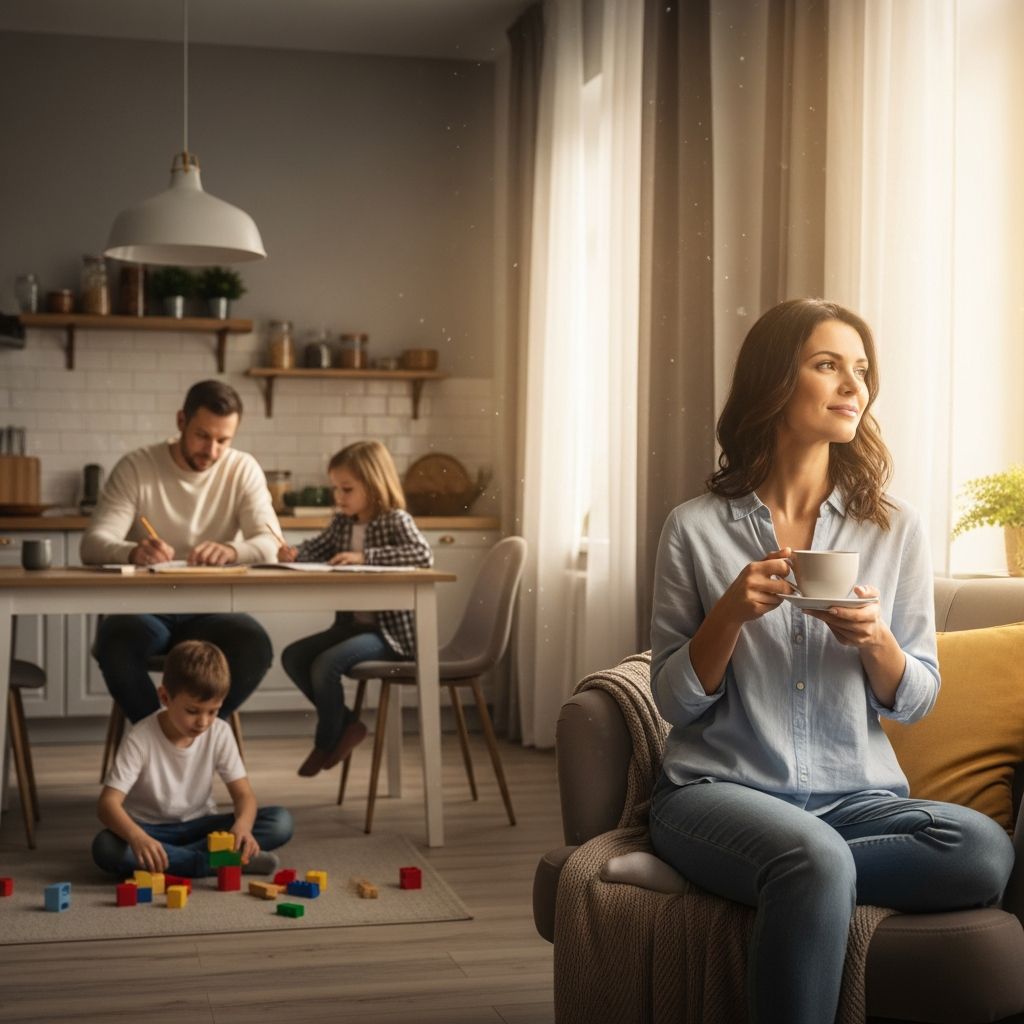
In the whirlwind of parenting, it’s easy to lose sight of your own importance. Parents often pour everything into their children, sidelining personal needs, relationships, and growth. Yet, recognizing that **you are just as important as your children** forms the foundation of a healthy family dynamic. This mindset shift not only prevents burnout but also teaches kids essential life lessons about balance and self-respect.
Understanding the Family Hierarchy
Family life thrives when roles are clear and balanced. Contrary to popular belief, children are not the center of the family universe. Parents—and particularly the marital bond—serve as the core structure. Research from family psychologists emphasizes that a stable parental relationship provides the security children need to flourish.
When parents elevate their partnership, children witness healthy conflict resolution and emotional support. Dr. John Gottman, a leading relationship expert, notes that kids observing respectful parental interactions develop superior problem-solving skills in their own relationships. This modeling extends beyond marriage: it includes self-prioritization, showing children that adults value their own well-being.
Consider the long-term impact. Families where parents neglect personal needs often face higher stress levels. A study in Family Relations reveals that couples who nurture their bond report lower burnout and greater parenting satisfaction. By placing yourself on equal footing, you create a resilient family unit.
The Risks of Self-Neglect in Parenthood
Constant self-sacrifice leads to exhaustion, resentment, and diminished family joy. Parental burnout manifests as irritability, withdrawal, and strained interactions with children. Without personal replenishment, the well runs dry, affecting everyone.
Statistics underscore this: parents prioritizing only kids experience higher rates of depression and anxiety. Prioritizing self-care buffers these risks, enhancing emotional availability for children. John Rosemond, a family psychologist, argues that treating children as the family’s pinnacle fosters entitlement rather than responsibility. Instead, focus on building a stable home where parents lead by example.
- Emotional Drain: Endless child-focused routines erode personal identity.
- Relationship Strain: Neglected partnerships breed isolation.
- Modeling Issues: Kids learn poor self-care habits from overextended parents.
Reclaiming Your Identity Beyond Motherhood
Parenthood reshapes life, but it shouldn’t erase your core self. Maintain hobbies, friendships, and ambitions to stay vibrant. This preservation models to children that growth continues post-kids.
Practical steps include scheduling ‘me time’—a weekly walk, reading session, or creative pursuit. These aren’t luxuries; they’re necessities for mental health. Therapists at SImi Psychological Group highlight that connected parents, who prioritize self and partnership, parent with more peace and energy.
| Activity | Benefits for Parent | Benefits for Family |
|---|---|---|
| Daily Exercise | Boosts mood via endorphins | Increases patience with kids |
| Hobby Time | Restores sense of purpose | Models lifelong learning |
| Date Nights | Strengthens marital bond | Provides secure home base |
| Social Outings | Reduces isolation | Expands family network |
Building a Supportive Partnership
Your relationship with your spouse is the family’s bedrock. Investing here yields dividends for all. When partners unite, parenting becomes teamwork, not solo drudgery. Experts agree: a solid marriage equips parents to handle challenges collaboratively.
Children benefit immensely. They learn love requires effort, observing parents who communicate openly and show affection. This counters the myth that kids must come first exclusively. As one perspective notes, loving your spouse deeply enhances love for children, creating a home filled with genuine connection.
Implement shared rituals: weekly check-ins, undivided attention evenings, or joint decision-making. These sustain the ‘us’ amid ‘them’ demands, ensuring partnership endures beyond child-rearing years.
Practical Strategies for Daily Balance
Integration starts small. Delegate tasks to build efficiency, freeing time for self. Use boundaries: set device-free family hours and personal recharge slots.
- Assess Priorities: List top needs weekly, including yours.
- Communicate Openly: Discuss feelings with partner regularly.
- Seek Support: Enlist family, friends, or professionals.
- Practice Gratitude: Affirm your role’s value daily.
- Monitor Progress: Adjust habits monthly for sustainability.
These habits foster equilibrium, proving self-prioritization enhances, not detracts from, parenting.
Long-Term Family Benefits
A parent who values self raises independent children. They learn boundaries, resilience, and self-advocacy. Family psychologist John Rosemond stresses preparing kids for citizenship over accolades, achieved via strong parental leadership.
Post-child years loom large. Couples who maintained their bond enjoy fulfilling later life together. This foresight motivates present actions, securing family legacy.
Frequently Asked Questions (FAQs)
Does prioritizing myself mean ignoring my kids?
No. Self-care equips you to be more present and effective as a parent, creating win-win outcomes.
How do I convince my partner to join in?
Share evidence of mutual benefits, like reduced stress and better co-parenting, starting with one shared activity weekly.
What if I’m a single parent?
Build a support network of friends and community; self-prioritization remains crucial for sustained energy.
Will kids resent my ‘me time’?
Typically not—they emulate healthy habits, gaining security from your well-being.
How soon can I see changes?
Consistent small steps yield noticeable improvements in weeks, with deeper shifts in months.
Overcoming Common Obstacles
Guilt often blocks progress. Reframe it: neglecting self harms family. Societal pressures glorify sacrifice, but evidence favors balance. Track wins to build momentum.
For deeper issues, professional counseling restores equilibrium. Therapists help unpack patterns, strengthening self-view.
Empowering Future Generations
By valuing yourself, you gift children a blueprint for balanced lives. They grow into adults who prioritize health, relationships, and purpose—perpetuating positive cycles.
This philosophy transforms families. Parents emerge renewed, partnerships fortified, children inspired. Embrace your equal importance; watch your family thrive.
References
- Make Your Husband More Important Than Your Children — John Rosemond, The Transformed Wife. 2017-01-01. https://thetransformedwife.com/make-your-husband-more-important-than-your-children/
- Why Your Marriage Should Be a Priority Over Your Children — Sekybh. 2024-10-01. https://sekybh.com/2024/10/why-your-marriage-should-be-a-priority-over-your-children/
- Your Spouse Versus Your Kids: Who Should Be Your Number One Priority — The Odyssey Online. N/A. https://www.theodysseyonline.com/your-spouse-versus-your-kids-who-should-be-your-number-one-priority
- 3 Reasons Why Your Marriage Should Be Prioritized Over Your Kids — Simi Psychological Group. N/A. https://simipsychologicalgroup.com/3-reasons-why-your-marriage-should-be-prioritized-over-your-kids/
- Who do you put first? Your Spouse or your Kids? — Jeff Hay. N/A. https://www.jeffhay.com/who-do-you-put-first-spouse-or-kids/