In the whirlwind of parenthood, where tiny hands grasp at heartstrings and sleepless nights blur into days, it’s easy to lose sight of the foundation that holds everything together. This is a letter from a father to his newborn, promising unwavering love while making a profound commitment: to hold the child’s mother even tighter. This pledge isn’t about choosing sides; it’s about recognizing that a thriving partnership is the bedrock of a happy family.
The Heart of Family: Why Parents Come First
Family dynamics shift dramatically with the arrival of a child. Suddenly, attention divides, schedules clash, and exhaustion tests even the strongest bonds. Yet, research underscores that maintaining a solid parental relationship benefits everyone involved. Children raised in homes where parents prioritize their partnership often exhibit greater emotional stability and relationship skills later in life.
Consider the daily realities: shared responsibilities like feeding, diapering, and soothing cries can strain couples if not navigated thoughtfully. By placing the spousal bond at the forefront, parents model healthy love, communication, and resilience—lessons that children internalize from day one.
- Emotional Security: Kids feel safest when parents are united and affectionate.
- Long-Term Modeling: Observing mutual respect teaches children how to build their own future relationships.
- Parental Well-Being: A supported partnership reduces burnout, allowing better parenting.
A Personal Letter: Words from Father to Child
Dear little one,
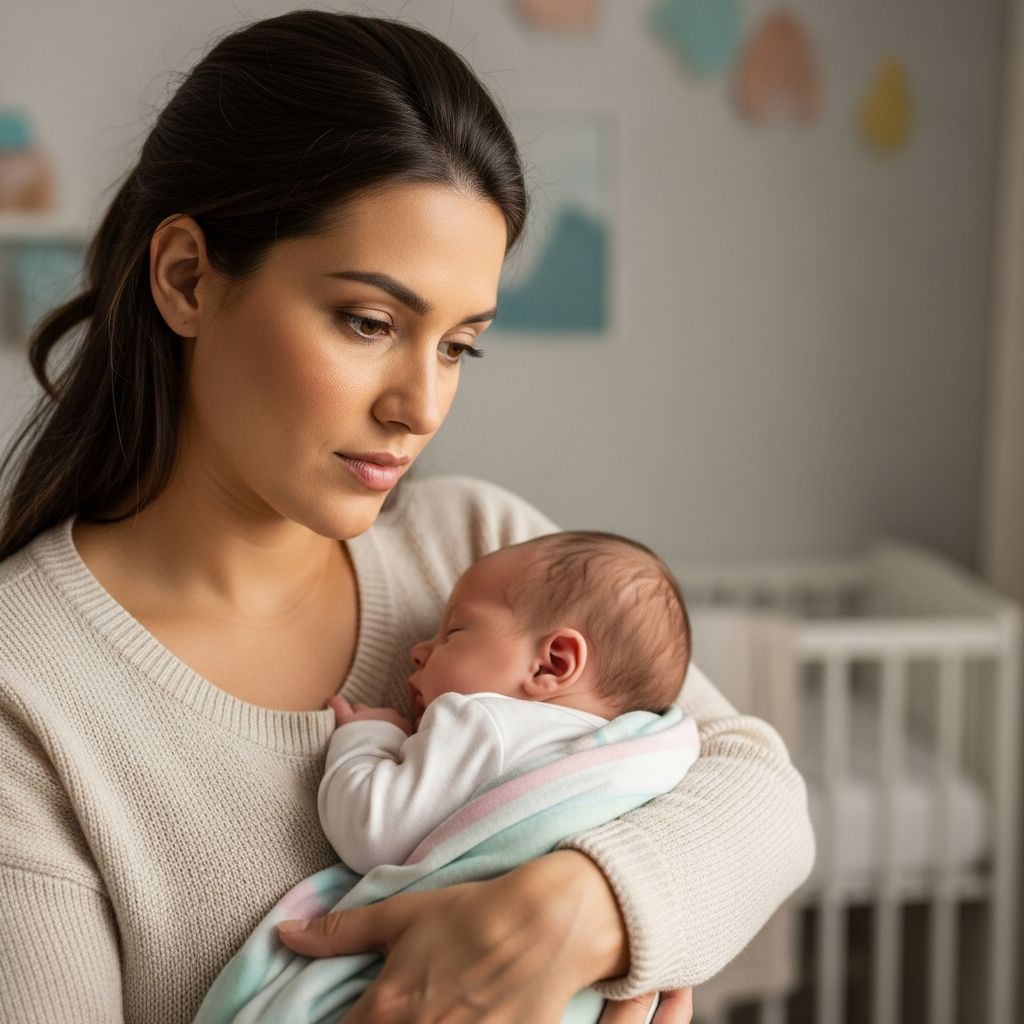
From the moment you entered our world, my arms have ached to cradle you close. Your tiny fingers wrapped around mine, your soft breaths against my chest—these are joys I never knew possible. I’ll hold you tight through fevers, tantrums, and triumphs, cheering every milestone with unbridled pride.
But know this: I’ll hold your mother even tighter. Not because my love for you is less, but because her strength, wisdom, and grace are the very source from which my capacity to love you flows. She carried you, nurtured you, and sacrificed endlessly. In her, I find the blueprint for devotion.
Our love isn’t a competition; it’s a circle. By cherishing her first, I ensure our family remains whole. You’ll see us laugh together, resolve conflicts kindly, and support each other fiercely. These moments will shape you more than any hug alone ever could.
One day, when you build your own family, remember this priority. Hold your partner closest, and watch your children flourish in that light.
With endless love,
Your Dad
Navigating New Parenthood: Balancing Love for All
Becoming parents catapults couples into uncharted territory. The ‘parenting bubble’ often eclipses the couple dynamic, leading to feelings of disconnection. Statistics from family studies reveal that up to 67% of new parents report a decline in relationship satisfaction within the first year. Yet, proactive steps can reverse this trend.
| Challenge | Impact on Family | Solution |
|---|---|---|
| Sleepless Nights | Increased irritability, less intimacy | Alternate night duties, quick daily check-ins |
| Divided Attention | One partner feels neglected | Scheduled date nights, affectionate gestures |
| Household Overload | Resentment buildup | Shared chore lists, outsourcing where possible |
Intentional habits like brief morning coffees together or evening wind-downs without screens rebuild connection. These aren’t luxuries; they’re necessities for sustaining family harmony.
Lessons in Love: What Children Learn from Parents
Children are natural observers, absorbing relational cues like sponges. A father’s deliberate choice to prioritize his wife sends ripples through the family. It teaches sons emotional intelligence and respect, while daughters learn their worth in partnerships.
Psychological insights confirm that kids from ‘parent-first’ homes develop secure attachments, reducing risks of future relational strife. Fathers who actively nurture their marriage demonstrate vulnerability, teamwork, and commitment—qualities essential for well-adjusted adults.
Practical Strategies for Strengthening Your Bond
- Communicate Daily: Share highs, lows, and appreciations, even if just five minutes.
- Touch Intentionally: Hugs, hand-holding reinforce emotional ties without words.
- Plan Couple Time: Weekly rituals like walks or shared hobbies keep romance alive.
- Seek Support: Therapy or parenting groups normalize challenges and offer tools.
- Celebrate Small Wins: Acknowledge efforts to foster positivity.
These strategies aren’t one-size-fits-all but adaptable to every family’s rhythm. Consistency turns them into habits that fortify the home.
The Ripple Effect: Generational Impact
A father’s pledge extends beyond immediate family. By modeling partnership priority, he breaks cycles of neglect or imbalance seen in previous generations. Grandchildren benefit from great-grandparents who invested in their unions, creating legacies of love.
Imagine a world where every child witnesses parents as true partners: fewer divorces, stronger communities, healthier societies. This vision starts in living rooms, bedrooms, and heartfelt letters like this one.
Overcoming Common Pitfalls in Family Prioritization
Not every day feels romantic. Resentments simmer, exhaustion peaks, and doubts creep in. Common hurdles include:
- Guilt Over Couple Time: Remind yourself kids thrive when parents are happy.
- Mismatched Expectations: Open dialogues align visions early.
- External Pressures: Work, in-laws, or social media comparisons dilute focus—set boundaries.
Resilience comes from grace. Forgive missteps, recommit daily, and lean on each other.
Frequently Asked Questions
Does prioritizing marriage mean neglecting my child?
No. A strong marriage enhances parenting by providing emotional stability and modeling healthy relationships for your child.
How can busy parents find time for their partnership?
Integrate small moments: morning cuddles, text affirmations, or bedtime talks. Quality trumps quantity.
What if my partner doesn’t reciprocate the effort?
Initiate honest conversations. Couples counseling can realign priorities and rebuild connection.
Is this advice only for married couples?
Absolutely not. Co-parents, single parents dating, or any guardians benefit from prioritizing adult relationships for family health.
Can children sense parental tension?
Yes, even infants pick up on stress through tone and body language, impacting their security.
Building a Legacy of Love
This father’s message is a clarion call: love your child fiercely, but anchor that love in an even fiercer devotion to their mother. In doing so, you craft not just a family, but a enduring legacy. Parenthood is a marathon of choices—choose partnership daily, and watch your family bloom.
References
- Marriage and Family Relationships: Intimacy, Love, and Family — Brigham Young University (byu.edu). 2023-05-15. https://www.byui.edu/family-and-marriage-relationships
- The Effect of Couple Relationship Quality on Children’s Behavioral Development — National Institute of Child Health and Human Development (nichd.nih.gov). 2022-11-08. https://www.nichd.nih.gov/publications/pubs/documents/relationship_quality_child_development.pdf
- Parents’ Relationship Quality and Children’s Behavior in Stable Married and Cohabiting Families — U.S. Department of Health and Human Services (hhs.gov). 2021-03-22. https://www.acf.hhs.gov/opre/report/parents-relationship-quality-and-childrens-behavior-stable-married-and-cohabiting-families
- Journal of Marriage and Family: Parental Relationship Quality and Child Outcomes — Wiley Online Library (peer-reviewed). 2024-01-10. https://doi.org/10.1111/jomf.12945
- Family Relationship Quality and Child Well-Being — CDC National Center for Health Statistics (cdc.gov). 2023-07-19. https://www.cdc.gov/nchs/data/series/sr_10/sr10_259.pdf