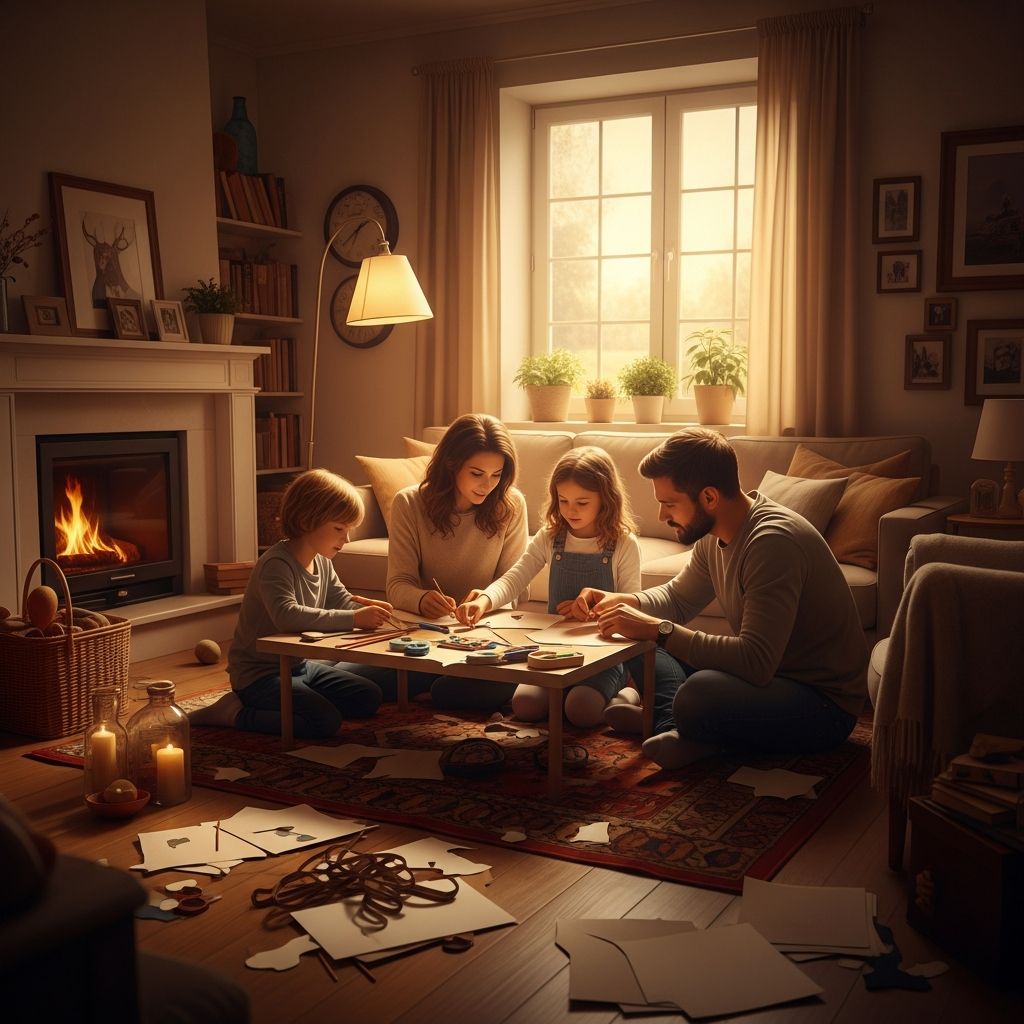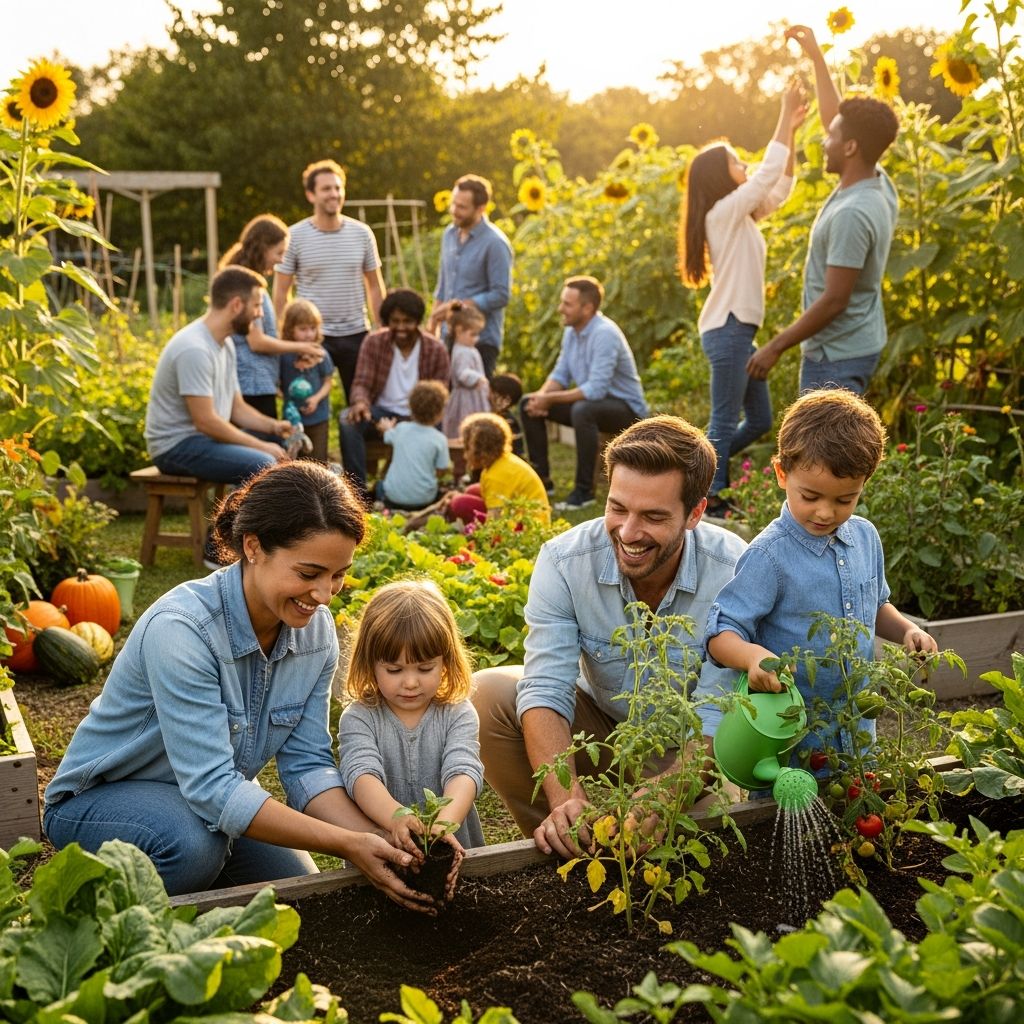
Parenting today often feels isolating, but evidence shows that surrounding families with a network of support leads to healthier children and more resilient parents. This collective model, often called ‘it takes a village,’ leverages relationships to meet diverse needs from emotional care to social development.
Why Solo Parenting Falls Short
Modern life scatters families geographically, leaving parents to handle everything alone. Research highlights that children thrive when multiple adults—family, educators, neighbors—contribute to their growth. Relationships with diverse caregivers shape emotional regulation, social skills, and resilience, outcomes harder to achieve in isolation.
Parents benefit too: community ties reduce stress and burnout. Studies from child development experts emphasize that shared responsibilities allow caregivers to focus on strengths, creating balanced support for kids’ physical, cognitive, and emotional needs.
Building Your Parenting Village
Creating a support network starts small. Begin by identifying trusted individuals: relatives, friends, or local groups. Regular interactions build reliability, turning acquaintances into allies.
- Connect locally: Join parent groups, school events, or faith communities for organic bonds.
- Leverage professionals: Teachers, coaches, and pediatricians offer insights beyond home life.
- Embrace reciprocity: Offer help to receive it, fostering mutual trust.
Programs like family support groups demonstrate long-term gains, improving school connections and neighborly ties.
Community’s Impact on Child Growth
Exposure to varied adults accelerates development. Kids learn empathy, cooperation, and independence through community roles.
| Development Area | Community Benefit | Evidence Source |
|---|---|---|
| Social Skills | Interacting with peers and mentors builds teamwork | |
| Emotional Health | Multiple role models teach resilience | |
| Cognitive Growth | Group activities stimulate problem-solving | |
| Responsibility |
American Academy of Pediatrics research links household responsibilities to accomplishment and cooperation, amplified in community settings.
Practical Ways to Involve Kids in Community
Instill helpfulness early by modeling participation. Parents who volunteer with children normalize service, enhancing social-emotional growth.
- Model involvement: Attend clean-ups or events together; kids mimic observed behaviors.
- Build empathy: Discuss others’ needs during family talks to cultivate care.
- Volunteer age-appropriately: Food banks for teens, park clean-ups for young ones.
- Assign home roles: Chores prepare for broader contributions.
- Encourage teams: Sports or projects teach collaboration.
- Align with passions: Art lovers can lead murals; tech fans aid seniors.
- Celebrate efforts: Praise reinforces value.
- Foster leadership: Let kids guide small initiatives.
These steps, drawn from community-focused strategies, create lifelong givers.
Overcoming Barriers to Community Building
Barriers like busy schedules or mistrust hinder villages. Start slow: one coffee meetup or shared playdate builds momentum. Online groups bridge gaps but prioritize in-person for depth.
Initiatives like Triple P Parenting promote gradual connections, yielding calmer parents and confident kids. Stanford experts advocate systems approaches, integrating programs into neighborhoods for holistic aid.
Real-World Examples of Village Success
Communities pooling resources, like Raising Highly Capable Kids networks, empower parents, teachers, and leaders. Results include flourishing youth ready for society.
Postpartum support circles combat loneliness, vital as isolation affects mental health. Preschool systems stress multi-form support—hands-on aid to advice—for family stability.
Frequently Asked Questions
What if I lack nearby family?
Build chosen family through local groups, apps, or school ties. Consistency turns strangers into supports.
How does community help my stress levels?
Shared loads mean less overwhelm; studies show connected parents feel calmer and more capable.
At what age should kids join community activities?
Start young with playgroups; scale to volunteering by school age for optimal development.
Can online communities replace in-person ones?
They supplement but don’t fully replicate tactile bonds essential for kids’ social growth.
What benefits children most from village involvement?
Broad relationships boost belonging, skills, and well-being per child experts.
Long-Term Advantages for Families
Villages yield enduring gains: stronger kids, sustained parental health. Research from PMC tracks family groups boosting development and ties over years.
In Onondaga County, community systems support early childhood, proving contextual aid trumps family-only focus.
By nurturing networks, parents equip children for independence while enjoying collaborative joy.
References
- Raising Highly Capable Kids: How Communities Play a Role — ForOpportunity.org. 2024. https://foropportunity.org/community-role-in-raising-capable-kids/
- Raising Children To Be Helpers In Their Community — Children’s Lighthouse. 2024. https://childrenslighthouse.com/growing-together/raising-children-to-be-helpers-in-their-community
- How Children Can Become Caring Community Members — Greater Good Science Center, UC Berkeley. 2023. https://greatergood.berkeley.edu/article/item/how_children_can_become_caring_community_members
- In This Together: The Benefits of Community for Parents and Children — Triple P Parenting. 2024. https://www.triplep-parenting.com/us/articles-and-news/post/in-this-together-benefits-of-community-for-parents-and-children/
- The Power of Building a Supportive Community in Parenthood — Postpartum Support International. 2024. https://postpartum.net/the-power-of-building-a-supportive-community-in-parenthood/
- From Program to Place: A Community Systems Approach — Stanford Center on Early Childhood. 2024. https://earlychildhood.stanford.edu/news/program-place-community-systems-approach-supporting-young-children-and-families
- Family Support and Connection Groups: Long Term Benefits — PMC/NCBI (Peer-reviewed). 2020. https://pmc.ncbi.nlm.nih.gov/articles/PMC6960336/