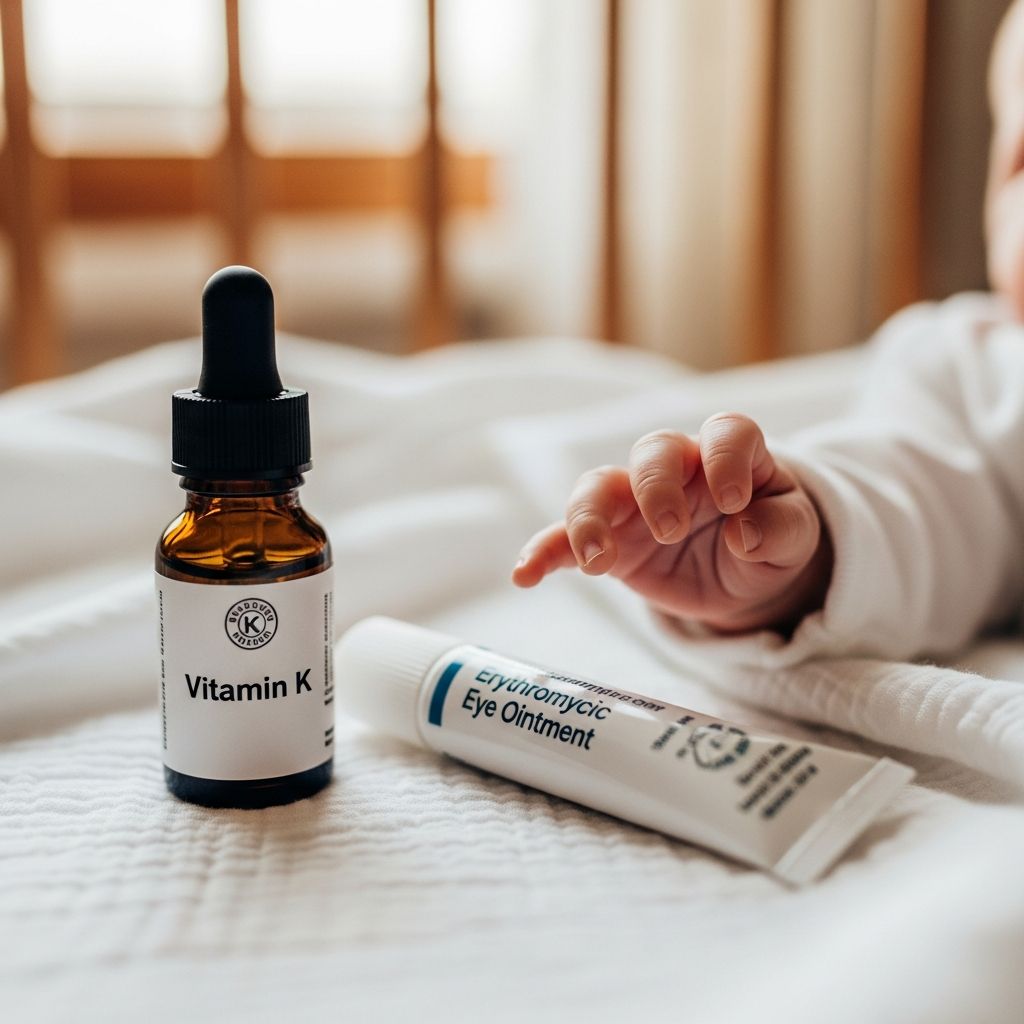
Welcoming a newborn brings immense joy, but it also involves crucial health decisions right after birth. Two standard procedures—the vitamin K injection and erythromycin eye ointment—play vital roles in safeguarding infants from serious complications. These interventions address natural vulnerabilities in newborns, such as low vitamin K levels and exposure to maternal infections, ensuring a safer start to life.
Understanding Vitamin K Deficiency in Infants
Newborns enter the world with naturally low stores of vitamin K, a nutrient essential for blood clotting. Unlike adults, babies do not receive adequate amounts through the placenta, and breast milk contains only trace levels. This deficiency heightens the risk of vitamin K deficiency bleeding (VKDB), a condition that can lead to uncontrolled internal or external bleeding.
VKDB manifests in three forms: early (within 24 hours of birth), classic (days 2-7), and late (2 weeks to 6 months). Late VKDB is particularly alarming, with potential brain hemorrhages causing long-term neurological damage or death in about 20% of cases. Preterm infants face even greater risks due to immature livers and feeding challenges.
Why the Vitamin K Injection is Recommended
The intramuscular vitamin K shot, administered in the thigh shortly after birth, delivers a single 1 mg dose of vitamin K1. This method provides immediate protection and sustained release over months, bridging the gap until the baby produces its own vitamin K via gut bacteria and solid foods.
- Highly effective: Reduces late VKDB incidence to near zero in treated populations.
- Protects all forms: Covers early, classic, and late VKDB, unlike partial oral regimens.
- Suitable for high-risk groups: Essential for exclusively breastfed or preterm babies.
Formula-fed infants are naturally protected due to fortified formulas, but human milk-fed babies rely on supplementation.
Addressing Common Myths and Parental Concerns
Many parents hesitate due to misinformation. Let’s debunk key myths with evidence.
| Myth | Fact | Evidence |
|---|---|---|
| Vitamin K shot causes cancer | No link found; 1990s study debunked by multiple follow-ups | Extensive studies confirm safety |
| Injection leads to jaundice | Only at 30-60x higher doses in high-risk preemies | Standard dose safe |
| Contains harmful preservatives | Modern formulations safe; benefits outweigh rare risks | AAP guidelines |
| Overwhelms immune system | Not a vaccine; no immune impact | Proven safe for 60+ years |
Refusal rates have risen, often due to perceived risks over benefits, but education reduces hesitancy. The American Academy of Pediatrics (AAP) prioritizes informing parents about IM vitamin K’s public health importance.
Alternatives: Oral Vitamin K Regimens
Oral drops are available in some regions but require strict adherence: multiple doses (e.g., 3x 2 mg at birth, week 1, week 4), given with food for absorption, and no spitting up. Single or short regimens are less effective against late VKDB compared to the shot.
- Pros: Non-invasive, no pain.
- Cons: Lower efficacy (especially if doses missed), not ideal for preterms or liver issues.
Experts worldwide favor the injection as the gold standard.
Managing the Shot Experience
The primary drawback is brief pain, plus rare site irritation. Minimize discomfort by:
- Practicing skin-to-skin contact.
- Breastfeeding during administration.
- Observing the procedure to confirm delivery.
Serious reactions like anaphylaxis are exceedingly rare—one reported case in millions. Rare administration errors underscore watching the shot.
Eye Ointment: Guarding Against Infections
Beyond vitamin K, erythromycin eye ointment prevents ophthalmia neonatorum, a potentially blinding infection from maternal gonorrhea or chlamydia passed during delivery. Even without symptoms, bacteria can colonize the birth canal.
Applied as a thin ribbon in each eye sac within one hour of birth, it targets these pathogens effectively. States mandate it, but informed refusal is possible. Risks without it include corneal scarring or vision loss.
- Benefits: Broad-spectrum antibiotic; minimal side effects like temporary blurred vision.
- Concerns: Rare chemical conjunctivitis; can be skipped if C-section or documented maternal negative tests (though not foolproof).
Talk to providers about options; silver nitrate (older method) causes more irritation.
Risks of Skipping These Interventions
Foregoing vitamin K leaves 1 in 60-250 breastfed babies at classic VKDB risk, and 1 in 10,000-25,000 for late form without prophylaxis. Eye infections, though rarer today, persist in untreated cases.
UC Davis treated VKDB emergencies preventable by shots, highlighting real-world stakes.
Expert Guidelines and Global Consensus
AAP, CDC, WHO, and Mayo Clinic unanimously recommend vitamin K shots. For eyes, CDC endorses erythromycin. These align with decades of data showing benefits far exceed minimal risks.
Frequently Asked Questions
What are signs of VKDB?
Symptoms include bruising, bloody stools, nosebleeds, pale skin, vomiting blood, lethargy, or bulging fontanelle. Seek immediate care.
Is the vitamin K shot a vaccine?
No, it’s a vitamin supplement, mercury-free, with no immunological effects.
Can I opt for oral vitamin K?
Possible but less reliable; requires perfect compliance. Discuss with your pediatrician.
Does breastfeeding provide enough vitamin K?
No, levels are too low; supplements are essential.
Are there long-term effects from the eye ointment?
Minimal; temporary blur at most. Prevents permanent damage.
How painful is the vitamin K shot for my baby?
Brief discomfort; soothe with nursing or skin-to-skin.
Empowering Parents: Making Informed Choices
Discuss concerns openly with your care team. Request evidence-based info, observe procedures, and weigh rare risks against proven protections. These steps foster confidence in routine newborn care.
(Word count: 1678)
References
- Evidence on: The Vitamin K Shot in Newborns — Evidence Based Birth. 2023. https://evidencebasedbirth.com/evidence-for-the-vitamin-k-shot-in-newborns/
- Facts and myths parents should know about vitamin K shots for newborns — UC Davis Health. 2025-08. https://health.ucdavis.edu/blog/cultivating-health/facts-and-myths-parents-should-know-about-vitamin-k-shots-for-newborns/2025/08
- Refusal of Intramuscular Vitamin K by Parents of Newborns: A Review — PMC (NCBI). 2020-02-20. https://pmc.ncbi.nlm.nih.gov/articles/PMC7041551/
- Dispelling myths: Vitamin K injections for newborns — Texas Children’s Hospital. 2023. https://www.texaschildrens.org/content/wellness/dispelling-myths-vitamin-k-injections-for-newborns
- Why Your Newborn Needs a Vitamin K Shot — American Academy of Pediatrics (HealthyChildren.org). 2023. https://www.healthychildren.org/English/ages-stages/prenatal/delivery-beyond/Pages/Where-We-Stand-Administration-of-Vitamin-K.aspx
- Common questions about vitamin K — Mayo Clinic Health System. 2024. https://www.mayoclinichealthsystem.org/hometown-health/speaking-of-health/common-questions-about-vitamin-k