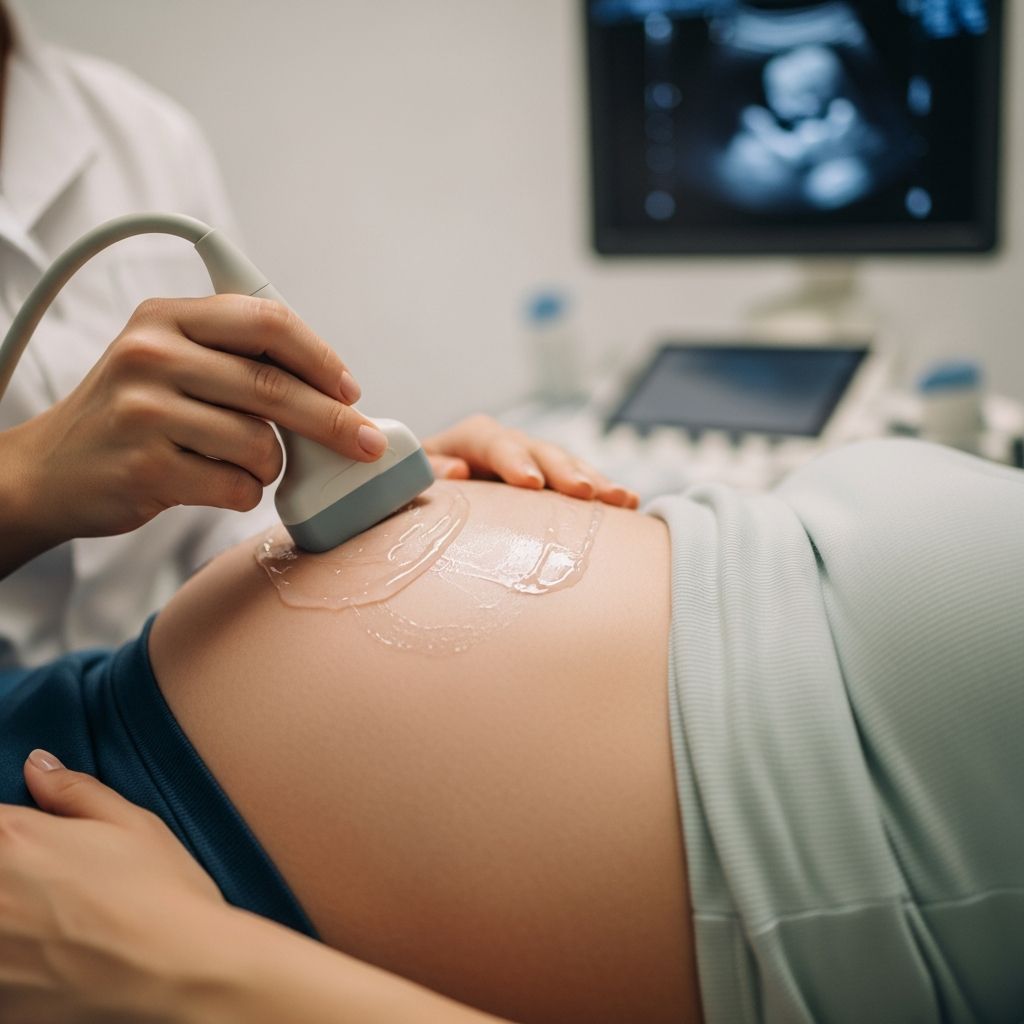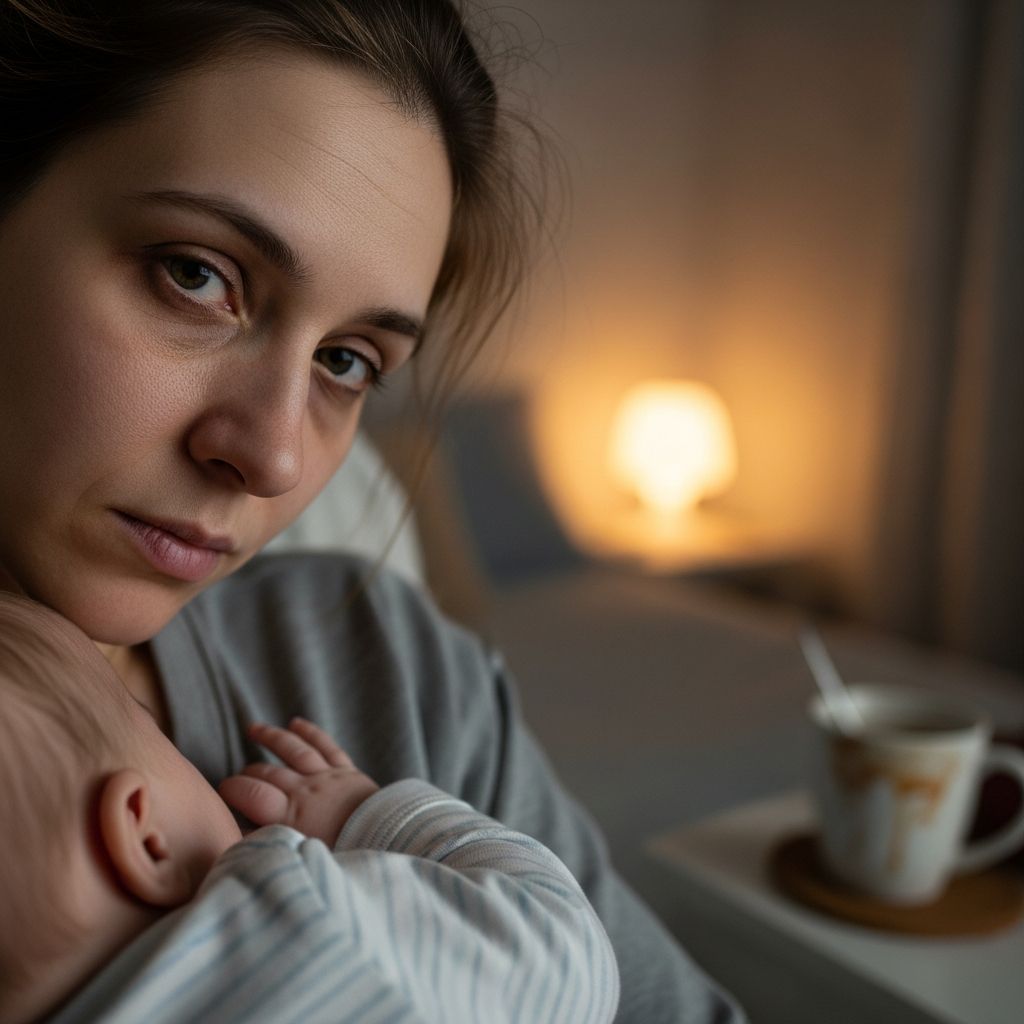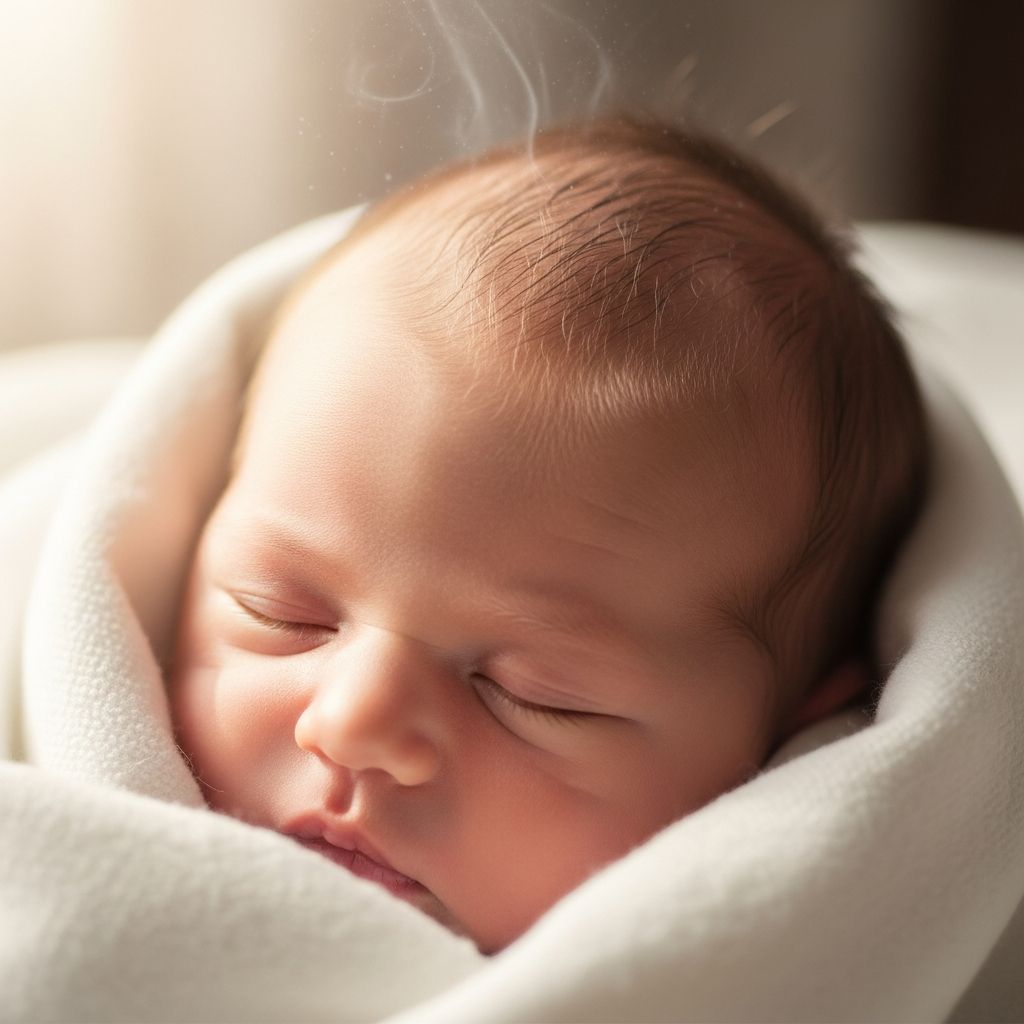
The distinctive aroma emanating from a newborn baby captivates parents worldwide, evoking an instant surge of affection and protectiveness. This scent, often described as sweet and earthy, is not merely pleasant but serves a profound evolutionary purpose in forging the parent-infant bond essential for survival.
Chemical Origins of the Irresistible Aroma
Newborn scent arises from a unique blend of natural substances present at birth. Primarily, it stems from vernix caseosa, the creamy white coating on a baby’s skin that shields it in the womb, alongside traces of amniotic fluid and secretions from immature sweat glands.
- Vernix caseosa: This protective layer contains lipids, proteins, and antimicrobial agents, contributing a mild, waxy note to the scent while safeguarding delicate skin.
- Amniotic fluid residues: Lingering compounds from the prenatal environment add subtle, fluid-like elements, with research indicating partial overlap in chemical profiles between fluid and newborn head scent.
- Sweat gland output: Active apocrine glands on the scalp and skin release fatty acids and proteins, forming the core ‘baby-like’ fragrance that fades as the baby ages.
A 2019 analysis revealed that newborn odors feature a more complex chemical array than amniotic fluid alone, rendering each baby’s scent individually distinctive. This fleeting aroma typically persists for weeks until baths and maturation dilute it.
Evolutionary Role in Survival and Attachment
Evolution has fine-tuned newborn scent as a survival mechanism, compelling caregivers to nurture helpless infants. By activating reward centers in the brain, it ensures proximity and care during the vulnerable early phase.
Studies demonstrate that infants’ odors elicit stronger responses in parents’ brains compared to older children’s, diminishing as dependency wanes—a design promoting intensive early caretaking. Mothers can often identify their baby by scent alone shortly after birth, mirroring babies’ innate preference for maternal odors.
| Component | Contribution to Scent | Evolutionary Benefit |
|---|---|---|
| Vernix & Amniotic Fluid | Waxy, earthy base | Protects skin; signals freshness |
| Sweat Glands | Sweet, fatty notes | Triggers bonding hormones |
| Unique Chemical Mix | Personalized aroma | Aids kin recognition |
Neural and Hormonal Responses in Parents
Exposure to newborn scent profoundly impacts the brain. Functional MRI studies show activation in reward pathways, including the dopaminergic system, upon sniffing infant odors—more intensely in mothers than non-parents.
A peer-reviewed investigation with 78 participants found infant body odors heightened activity in pleasure networks versus adult scents, with stronger effects for a mother’s own baby. This aligns with perceptual ratings of scents as more pleasant and rewarding.
- Dopamine surge: Sparks joy and motivation to care, akin to other rewarding stimuli.
- Oxytocin release: The ‘bonding hormone’ fosters trust and attachment, amplified by scent cues.
- Reduced stress: Lowers cortisol in both parent and child, promoting calm.
Notably, a compound like hexadecanal (HEX), emitted more by babies, may modulate aggression and docility in adults, potentially aiding caregiving dynamics.
Maternal vs. Paternal Reactions: Gender Differences
Research uncovers nuanced differences in how newborn scent affects men and women. Women exhibit robust reward center activation, supporting maternal bonding, while emerging data suggests HEX influences men toward greater patience.
In one study, non-mothers showed baseline responses, but childbirth or scent exposure amplified them, hinting at hormonal shifts during labor. Both parents, however, report heightened pleasure, underscoring the scent’s universal appeal.
Infant Preferences and Reciprocal Bonding
Bonding is bidirectional: newborns preferentially turn toward their mother’s scent within hours of birth, preferring her worn clothing for comfort. This olfactory recognition calms preterm infants, acting as a ‘safety signal’ for secure attachment.
Early exposure links to breastfeeding success, as babies associate maternal breast scent with milk, easing latching. Long-term, it correlates with emotional resilience and lower stress hormones.
Why the Scent Fades and Cultural Perceptions
The magical aroma dissipates post-bath and with microbiome development, as bacterial shifts and gland maturation alter chemistry. Teens’ odors differ molecularly, less appealing to promote independence.
Culturally, ‘new baby smell’ is romanticized, with attempts to bottle it failing due to its 250+ chemical complexity. Yet, its biological potency transcends nostalgia.
Practical Ways to Harness Newborn Scent
- Skin-to-skin contact: Maximizes scent exchange for oxytocin boosts.
- Delay first bath: Preserves vernix and aroma for initial bonding.
- Scented fabrics: Use mother’s worn shirts to soothe baby.
- Mindful sniffing: Parents consciously inhale to deepen attachment.
Frequently Asked Questions
Why do some babies smell stronger than others?
Variations stem from genetics, birth coatings, and feeding; each scent is unique like fingerprints.
Does newborn scent affect fathers too?
Yes, it activates similar reward paths, potentially enhanced by compounds like HEX for docility.
How long does the scent last?
Typically 1-4 weeks, fading with baths and skin changes.
Can you recreate baby smell artificially?
Not precisely, due to complex, transient compounds including amniotic traces.
Is the scent linked to health?
Vernix offers antimicrobial protection; bonding reduces stress for better development.
References
- The Science Behind Newborn Smell and Its Role in Mother-Infant Bonding — Mamazing. 2023. https://www.mamazing.com/blogs/parenting-tips/the-science-behind-newborn-smell-and-its-role-in-mother-infant-bonding
- New Baby Smell: Why Do They Smell So Good (or So Bad)? — Healthline. 2023-10-15. https://www.healthline.com/health/baby/baby-smell
- Why Do Babies Smell Good? — The Bump. 2023. https://www.thebump.com/a/why-do-babies-smell-good
- What Causes New Baby Smell? — HowStuffWorks. 2023. https://lifestyle.howstuffworks.com/family/parenting/parenting-tips/recreate-new-baby-scent.htm
- The scent of cuteness—neural signatures of infant body odors — PMC (Peer-reviewed). 2024-05-20. https://pmc.ncbi.nlm.nih.gov/articles/PMC11192622/
- Doctor Explains Newborn Baby Smell — YouTube (Science Channel). 2023. https://www.youtube.com/shorts/2wmEYlafjOQ
- Chemical emitted by babies could make men more docile, women more aggressive — Science.org. 2021-02-25. https://www.science.org/content/article/chemical-emitted-babies-could-make-men-more-docile-women-more-aggressive