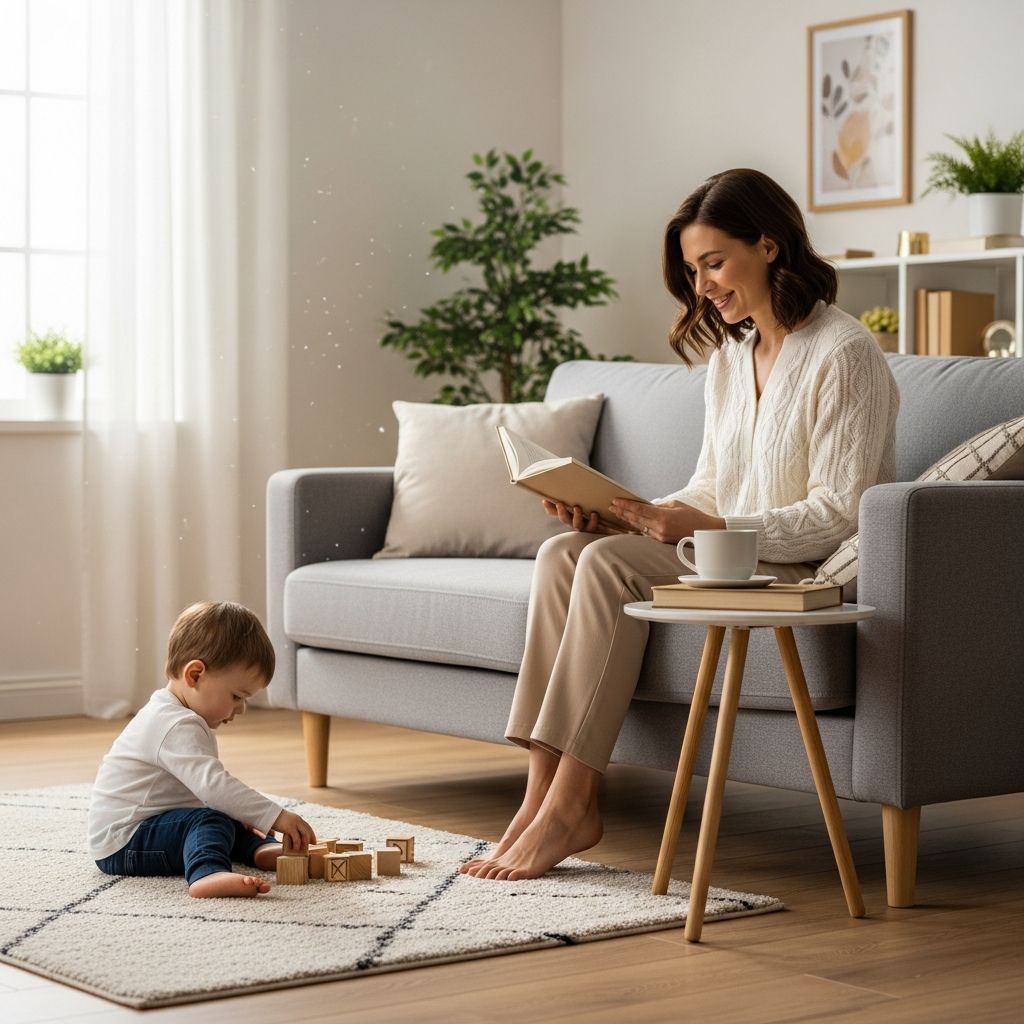
Mothers often hear praise like “You’re a superhero!” but this well-intentioned compliment can mask deeper issues of exhaustion and unmet needs. Instead of flattery, parents crave tangible assistance to navigate the demands of family life.
The Weight of Unrealistic Expectations
In modern society, motherhood is frequently romanticized through social media and cultural narratives, portraying parents as invincible figures who juggle careers, households, and child-rearing without faltering. This image sets an impossible standard, leading many women to feel inadequate when they struggle with ordinary challenges like sleep deprivation or meal planning.
Psychological research highlights how such glorification contributes to maternal burnout, a state of chronic stress where caregivers experience emotional exhaustion, depersonalization, and reduced personal accomplishment. A study published by the American Psychological Association notes that idealized portrayals exacerbate feelings of failure among parents who cannot meet these superhuman benchmarks.
Consider the daily reality: a mother managing remote work while supervising virtual school, preparing nutritious meals, and soothing a fussy toddler. When praised as ‘amazing,’ she might smile outwardly but inwardly question why no one offers to fold the laundry or watch the kids for an hour.
From Praise to Practical Help: What Mothers Really Need
Empty accolades do little to alleviate the mental load—the invisible labor of anticipating family needs, scheduling appointments, and maintaining household harmony. True support involves sharing these burdens, allowing mothers time for rest, hobbies, or even a quiet coffee.
- Household Contributions: Partners taking initiative on chores without being asked reduces resentment and fosters teamwork.
- Emotional Check-Ins: Asking ‘How can I help today?’ opens doors to honest dialogue rather than assuming all is well.
- Community Networks: Building playdate groups or meal-sharing circles distributes responsibilities across families.
Statistics from the Pew Research Center reveal that mothers in dual-income households spend significantly more time on childcare and housework than fathers, even when both work full-time. This imbalance underscores the need for equitable division of labor.
Historical Context: How Motherhood Myths Evolved
The ‘super mom’ archetype didn’t emerge overnight. Post-World War II, as women entered the workforce en masse, media promoted the idea of women seamlessly balancing professional and domestic roles. By the 1980s, figures like Martha Stewart embodied this perfection, influencing generations.
Today, Instagram influencers amplify this with curated feeds of spotless homes and smiling children, rarely showing the outtakes. This curation creates a comparison trap, where mothers measure themselves against highlights reels, not real life.
| Era | Dominant Narrative | Impact on Mothers |
|---|---|---|
| 1950s | Perfect Homemaker | Pressure to maintain idyllic suburbs |
| 1980s | Superwoman | Work-family balance myth |
| 2020s | Social Media Perfection | Constant comparison and FOMO |
Such evolution shows how cultural shifts perpetuate pressure without addressing systemic support gaps, like affordable childcare or paid parental leave.
The Mental Health Toll of Superhero Worship
Labeling mothers as superheroes dismisses legitimate struggles with postpartum depression, anxiety, or identity loss. The World Health Organization reports that 10-15% of mothers worldwide experience postpartum depression, yet stigma prevents many from seeking help.
When society expects superhuman resilience, mothers internalize shame for needing breaks. This can lead to isolation, as admitting vulnerability feels like failure. Personal stories abound: one mother shared how ‘You’re doing great!’ responses to her exhaustion made her feel more alone, wishing for ‘Let me take the baby so you can nap.’
Building resilience requires destigmatizing these needs. Therapy, support groups, and self-care aren’t luxuries but essentials for sustainable parenting.
Building Supportive Family Dynamics
Partners play a pivotal role in dismantling superhero expectations. Research from the Gottman Institute emphasizes ‘bids for connection’—small acts like noticing fatigue and offering help without prompting.
Children, too, benefit from seeing parents as humans. Teaching kids to pitch in with age-appropriate tasks cultivates empathy and responsibility, lightening the load while modeling healthy boundaries.
- Preschoolers: Sorting laundry or setting the table.
- School-age: Homework independence and pet care.
- Teens: Meal prep and sibling support.
Families that share visibly report higher satisfaction and stronger bonds, per longitudinal studies from Harvard’s Grant Study on adult development.
Societal Shifts for Collective Care
Individual efforts matter, but broader changes are crucial. Policies like expanded family leave, subsidized daycare, and flexible work hours—common in countries like Sweden—demonstrate better outcomes for maternal well-being.
In the U.S., the Family and Medical Leave Act provides unpaid leave, but only 23% of workers qualify, leaving many without options. Advocacy for universal childcare could transform lives, allowing mothers to thrive without superhuman feats.
Reframing Motherhood: Humanity Over Heroism
Shift the narrative from ‘superhero’ to ‘supported human.’ Celebrate mothers for seeking help, setting boundaries, and prioritizing self-care. Phrases like ‘You’ve got a village—lean on it’ empower rather than isolate.
Mothers aren’t infallible; they’re navigating an intense, rewarding journey. Acknowledging this fosters compassion, reducing burnout and enhancing joy.
Frequently Asked Questions
What if my partner doesn’t help enough?
Communicate specific needs clearly, like ‘Can you handle dinner tonight?’ Couples counseling can address deeper patterns.
Is it wrong to accept compliments?
Not at all—graciously thank while redirecting to needs: ‘Thanks, I could use a hand with bedtime.’
How do I build a support network?
Join local parenting groups, apps like Peanut, or community events. Start small with one coffee meetup.
Does this apply to all parents?
Primarily discussed for mothers due to societal norms, but fathers and non-binary parents face similar pressures and deserve support.
Can social media be positive?
Yes, follow authentic accounts showing real struggles and solutions, curating feeds for inspiration over comparison.
Empowering Tomorrow’s Parents
By replacing superhero myths with mutual aid, we create resilient families. Mothers flourish when supported, proving humanity trumps heroism every time. Share your story—how has real help changed your parenting?
References
- Maternal Burnout: An Exploratory Study — American Psychological Association. 2019-04-15. https://www.apa.org/pubs/journals/releases/fam-fam0000538.pdf
- Parenting in America Today — Pew Research Center. 2023-01-24. https://www.pewresearch.org/social-trends/2023/01/24/parenting-in-america-today/
- Maternal Mental Health — World Health Organization. 2022-06-10. https://www.who.int/teams/mental-health-and-substance-use/promotion-prevention/maternal-mental-health
- The Gottman Method — Gottman Institute. 2024-02-14. https://www.gottman.com/about/research/
- Family Policies in OECD Countries — OECD. 2025-03-01. https://www.oecd.org/els/family/database.htm