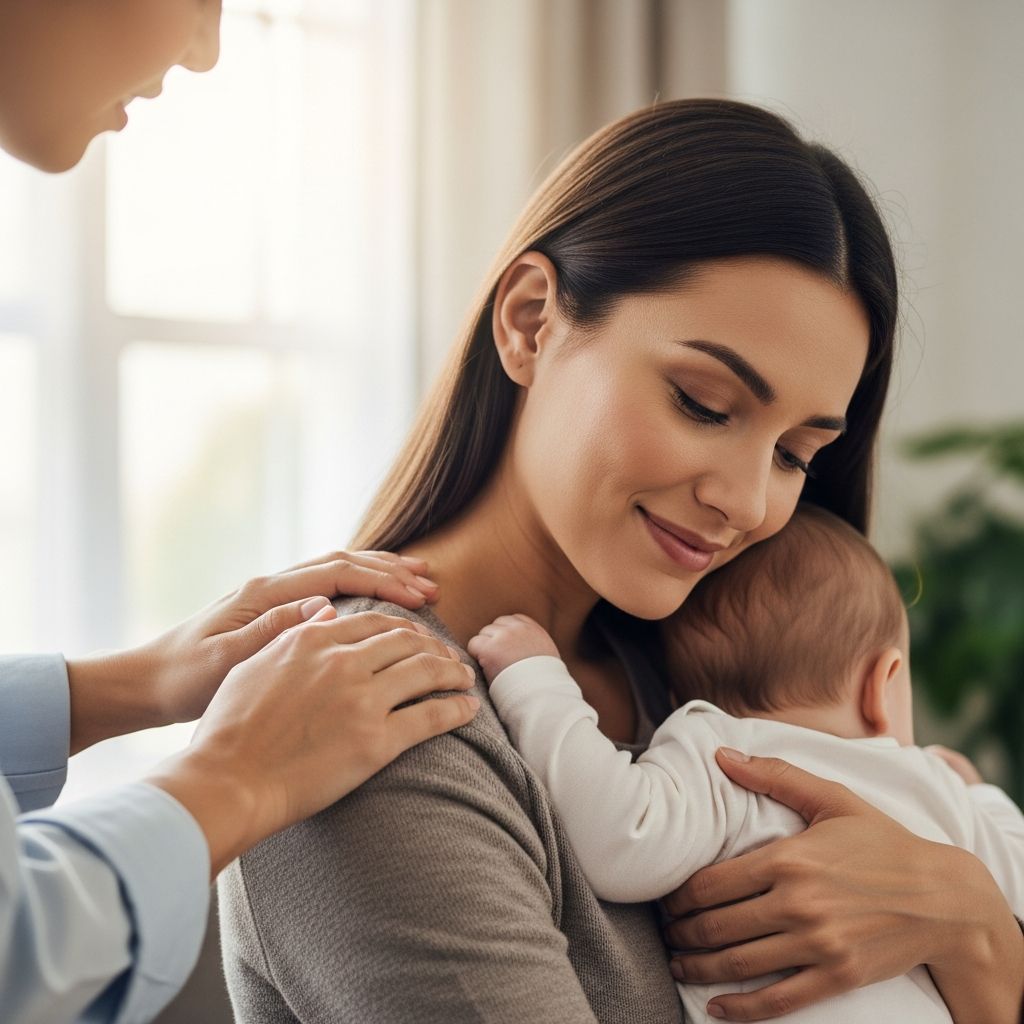
Parenting demands immense energy, and modern mothers often juggle careers, households, and emotional labor alone. Yet, admitting limits and seeking assistance is not weakness—it’s a vital step toward sustainability. This guide explores why help is essential, how to overcome barriers, and real strategies for integration.
The Hidden Toll of Solo Parenting
Daily demands like endless chores, work deadlines, and child-rearing can erode even the strongest resolve. Exhaustion builds quietly, leading to burnout if unaddressed. Studies show maternal stress contributes to higher anxiety rates, affecting 1 in 5 mothers postpartum. Ignoring this signals a need for change, not failure.
- Physical fatigue: Sleepless nights and constant motion deplete energy reserves.
- Emotional drain: Suppressing overwhelm fosters resentment over time.
- Family ripple effects: Stressed parents model unsustainable behaviors for children.
Recognizing these signs early prevents deeper crises, paving the way for proactive support-seeking.
Debunking Myths That Fuel Maternal Shame
Society perpetuates ideas like “real mothers handle everything solo,” rooted in outdated gender roles. This myth ignores human interdependence—humans thrive in communities, not isolation. Data from the CDC indicates unsupported caregivers face 40% higher depression risks.
| Myth | Reality | Impact of Embracing Truth |
|---|---|---|
| Seeking help means failure | It’s strategic self-preservation | Boosts long-term productivity |
| Independent women don’t need aid | True strength leverages networks | Enhances resilience |
| Others will judge you | Most empathize from experience | Builds deeper connections |
Challenging these narratives liberates mothers to prioritize well-being without apology.
Recognizing When to Extend Your Hand for Support
Listen to internal cues: persistent irritability, neglected self-care, or dreading routines. External signs include snapping at loved ones or incomplete tasks piling up. Journaling daily feelings clarifies patterns, while apps track mood shifts for objectivity.
- Assess weekly: Rate energy on a 1-10 scale.
- Monitor sleep and meals: Deficits signal overload.
- Check relationships: Strain indicates imbalance.
These tools empower timely action, transforming vague unease into concrete steps.
Building Your Personal Support Ecosystem
Start close: spouses, family, friends form the core. Clear communication outlines specifics—like “Can you handle bedtime twice weekly?”—avoids assumptions. Expand to professionals: babysitters, cleaners, or therapists provide reliability.
- Family involvement: Delegate age-appropriate child tasks to build bonds.
- Partner partnership: Schedule shared responsibilities via shared calendars.
- Hired help: Weekly sessions yield focused work or rest time.
This ecosystem distributes loads, creating space for joy and presence.
Mastering the Art of Requesting Assistance
Craft direct, specific asks: “I’d appreciate 2 hours free Saturday for errands—can you watch the kids?” Practice vulnerability-sharing first with trusted circles to build confidence. Frame positively: “Your help lets me recharge for better family time.” Rejection fears fade with repeated successes.
Overcome hesitations:
- Fear of burdening: Helpers often gain purpose.
- Control loss: Set boundaries during trials.
- Cost concerns: Weigh against health expenses.
Self-Care: The Foundation of Effective Motherhood
Prioritize like flight safety: secure your mask first. Short rituals—20-minute walks, reading escapes—replenish reserves. WHO guidelines recommend 150 minutes weekly moderate activity for mental health. Neglect here undermines all efforts.
Pro Tip: Batch self-care: Morning meditation plus evening baths compound benefits.
Practical Tools and Routines for Lasting Balance
Integrate help seamlessly with systems:
| Tool | Purpose | Example Routine |
|---|---|---|
| Shared app (e.g., Cozi) | Task visibility | Weekly sync meetings |
| Meal prep service | Nutrition ease | Bi-weekly deliveries |
| Virtual therapy | Mental check-ins | Monthly sessions |
These reduce decision fatigue, freeing mental space for creativity and connection.
Long-Term Wins: Thriving Families from Shared Loads
Supported mothers model healthy boundaries for children, teaching resilience. Partners grow through contribution, strengthening bonds. Longitudinal studies link paternal involvement to better child outcomes. Collective relief fosters harmony, turning homes into havens.
Frequently Asked Questions
What if family can’t help regularly?
Explore community groups, parent co-ops, or affordable services like local daycare shares. Start small to test fits.
Is hiring help a luxury I can’t afford?
View as investment: Reduced stress prevents costlier issues. Trade-offs like fewer outings balance budgets.
How do I handle guilt after accepting aid?
Reframe: Gratitude notes reinforce positives. Track freed-up joyful moments to shift mindset.
Does asking weaken my independence?
No—smart delegation amplifies it, allowing focus on high-value roles like nurturing.
When is professional counseling needed?
If overwhelm persists despite support, or symptoms like insomnia last weeks, consult experts promptly.
Embracing help redefines motherhood as collaborative triumph. Mothers, your plea for support echoes strength—answer it boldly for a fuller life.
References
- Perinatal Mental Health Statistics — Centers for Disease Control and Prevention (CDC). 2023-05-15. https://www.cdc.gov/reproductivehealth/maternalinfanthealth/PMH-data.htm
- Maternal Caregiver Stress Report — CDC National Center for Health Statistics. 2024-02-10. https://www.cdc.gov/nchs/products/databriefs/db451.htm
- Physical Activity Guidelines — World Health Organization (WHO). 2024-06-20. https://www.who.int/news-room/fact-sheets/detail/physical-activity
- Father Involvement and Child Development — American Psychological Association (APA). 2023-11-08. https://www.apa.org/topics/parenting/fathers
- Mental Health Screening for Mothers — National Institute of Mental Health (NIMH). 2025-01-12. https://www.nimh.nih.gov/health/topics/perinatal-depression