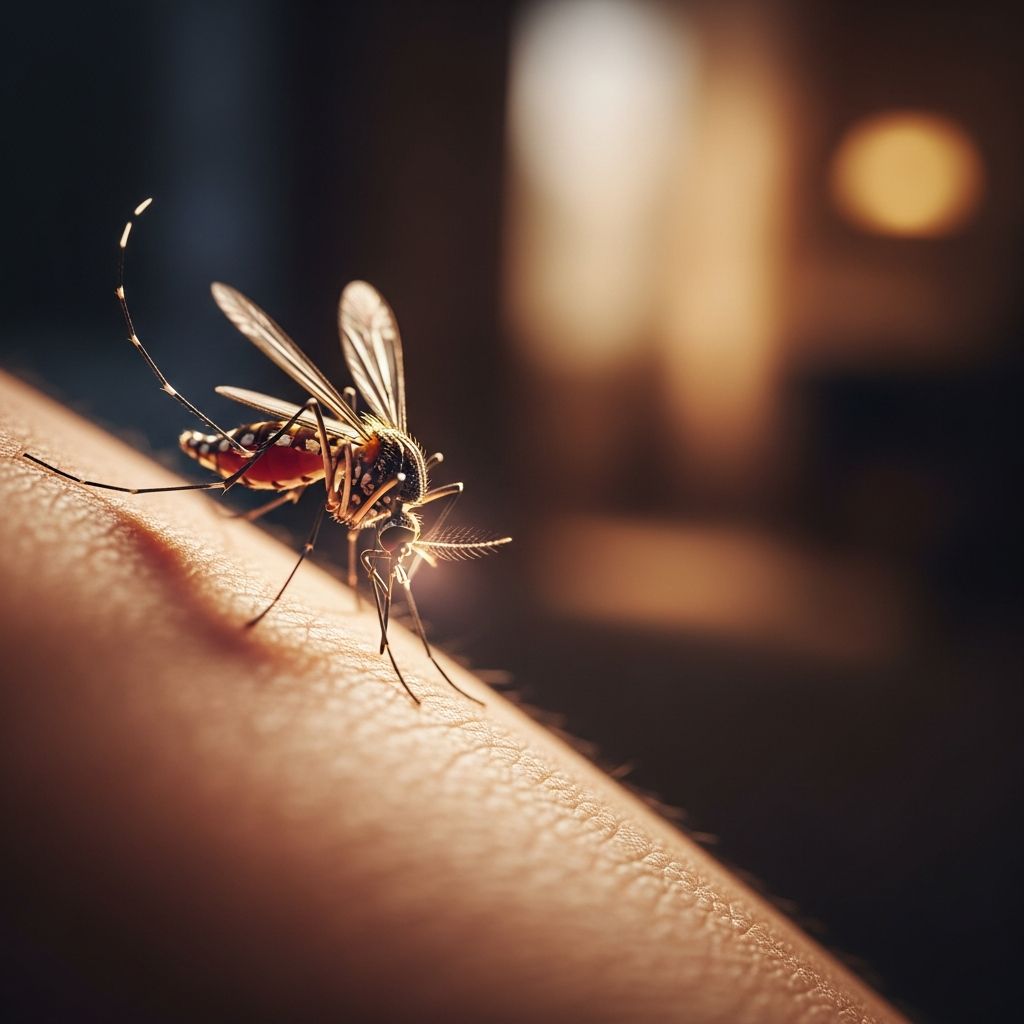
Mosquitoes pose a unique challenge during pregnancy, as expectant mothers often experience significantly more bites than others. Scientific studies reveal that physiological changes make pregnant women roughly twice as appealing to certain mosquito species, increasing exposure to potential diseases like malaria or dengue. This attraction stems from amplified sensory cues that mosquitoes rely on to locate hosts.
Biological Signals That Draw Mosquitoes
Mosquitoes use a sophisticated detection system involving vision, heat, and chemical sensors to zero in on humans. Only female mosquitoes bite, seeking blood proteins for egg development. Key attractants include carbon dioxide (CO2), body heat, odors from skin bacteria, and lactic acid. During pregnancy, these signals intensify, turning expectant women into prime targets.
Carbon Dioxide Exhalation Surge
Every breath releases CO2, which mosquitoes detect from up to 100 feet away via maxillary palps. Pregnant women exhale about 21% more CO2 due to heightened metabolism, signaling a larger, nutrient-rich host. This plume draws mosquitoes from farther distances, explaining clustered bites.
Elevated Body Temperature and Humidity
Expectant mothers run warmer, with belly areas approximately 1.26°F hotter than non-pregnant peers. Mosquitoes sense infrared heat and water vapor from skin, gravitating toward these thermal hotspots. Increased perspiration adds moisture cues, further amplifying appeal.
Role of Skin Chemistry in Attraction
Beyond gases and heat, skin emissions play a pivotal role. Carboxylic acids and volatile compounds from sweat and bacteria vary individually, influencing mosquito preferences. Pregnant women emit higher levels of these attractants, possibly linked to hormonal shifts and expanded skin surface area.
- Skin Bacteria Diversity: Fewer bacterial species with higher concentrations make skin more enticing; diverse microbiomes deter bites.
- Lactic Acid Levels: Pregnancy boosts sweat production, elevating lactic acid, a known mosquito magnet.
- Volatile Organics: Hormonal changes heighten release of skin volatiles detectable by mosquito antennae.
Genetic Underpinnings of Mosquito Magnetism
Attraction isn’t solely environmental; genetics contribute substantially. Twin studies using Y-tube olfactometers—devices where mosquitoes choose odors—showed strong heritability. Monozygotic twins exhibited 0.62 narrow-sense heritability for relative attraction and 0.67 for flight activity, far exceeding dizygotic pairs. This indicates mosquitoes detect genetically influenced odors through olfaction.
Understanding this genetic basis could inform personalized repellents. For pregnant women, whose profiles already favor attraction, inherited traits compound the risk.
Health Implications for Pregnant Women
Increased bites elevate transmission risks for mosquito-borne illnesses. In malaria-endemic areas, Anopheles species prefer pregnant hosts, heightening maternal and fetal dangers like anemia, low birth weight, and miscarriage. Urban Aedes aegypti, dengue vectors, also show human preferences amplified by pregnancy cues.
| Risk Factor | Impact on Pregnancy | Prevalent Regions |
|---|---|---|
| Malaria (Anopheles) | Anemia, preterm birth | Africa, Asia |
| Dengue (Aedes) | Severe fever, hemorrhage | Tropics worldwide |
| Zika | Birth defects | Americas, Pacific |
Effective Protection Strategies
While unavoidable changes heighten risk, targeted defenses minimize bites. Prioritize EPA-registered repellents safe for pregnancy, like those with 20-30% DEET, picaridin, or oil of lemon eucalyptus.
- Clothing Choices: Wear long sleeves, pants, and socks in light colors; mosquitoes favor dark shades.
- Timing Awareness: Avoid dawn and dusk peaks; stay indoors with screens.
- Environmental Controls: Eliminate standing water to disrupt breeding.
- Topical Barriers: Apply repellent to exposed skin, reapplying as directed.
Repellent Safety Comparison
| Repellent Type | Pregnancy Safety | Duration (Hours) | Effectiveness |
|---|---|---|---|
| DEET (20-30%) | Category B: Safe | 4-8 | High |
| Picaridin | Safe | 8-14 | High |
| Oil of Lemon Eucalyptus | Safe (over 3 yrs) | 6 | Moderate-High |
| Permethrin (clothing) | Safe on fabrics | Wash-resistant | High |
Debunking Common Myths
Myths persist about deterrents. Beer consumption slightly increases attraction via ethanol emissions, not deterrence. Sweet scents or vitamins don’t repel; focus on evidence-based methods. Genetic ‘magnets’ exist, but lifestyle tweaks help everyone.
Frequently Asked Questions
Do pregnant women really get bitten twice as much?
Yes, studies confirm pregnant women attract about twice the bites from malaria vectors due to extra CO2 and heat.
Are DEET repellents safe in pregnancy?
Yes, 20-30% DEET is CDC-recommended as Category B, with no proven risks in recommended use.
Can genetics make someone a mosquito magnet?
Absolutely; twin research shows 62% heritability for attraction via odor profiles.
How does body heat factor in?
Mosquitoes sense infrared; pregnancy raises core temperature, drawing them closer.
What about natural repellents?
Lemon eucalyptus works well and is pregnancy-safe; citronella offers shorter protection.
Future Research Directions
Ongoing studies explore microbiome manipulation and genetic markers for custom repellents. Climate change expands mosquito ranges, underscoring pregnancy protections. Expectant mothers should consult providers for region-specific advice.
By grasping these dynamics, pregnant individuals can enjoy safer outdoor activities. Combining behavioral shifts with proven tools slashes bite risks dramatically.
References
- Are you a mosquito magnet? Here’s why and what you can do about it — Pursuit by University of Melbourne. 2023-approx. https://pursuit.unimelb.edu.au/articles/are-you-a-mosquito-magnet-here-s-why-and-what-you-can-do-about-it
- Why Do Mosquitos Bite Some People More Than Others? — Smithsonian Magazine. 2015-08-06. https://www.smithsonianmag.com/science-nature/why-do-mosquitoes-bite-some-people-more-than-others-your-blood-type-sweat-contents-even-alcohol-consumption-may-make-you-more-attractive-pesky-insects-10255934/
- Heritability of Attractiveness to Mosquitoes — PLOS One. 2015-04-01. https://journals.plos.org/plosone/article?id=10.1371/journal.pone.0122716
- Why Mosquitos Bite Some People More Than Others — Healthline. 2023-approx. https://www.healthline.com/health/why-do-mosquitoes-bite-some-people-more