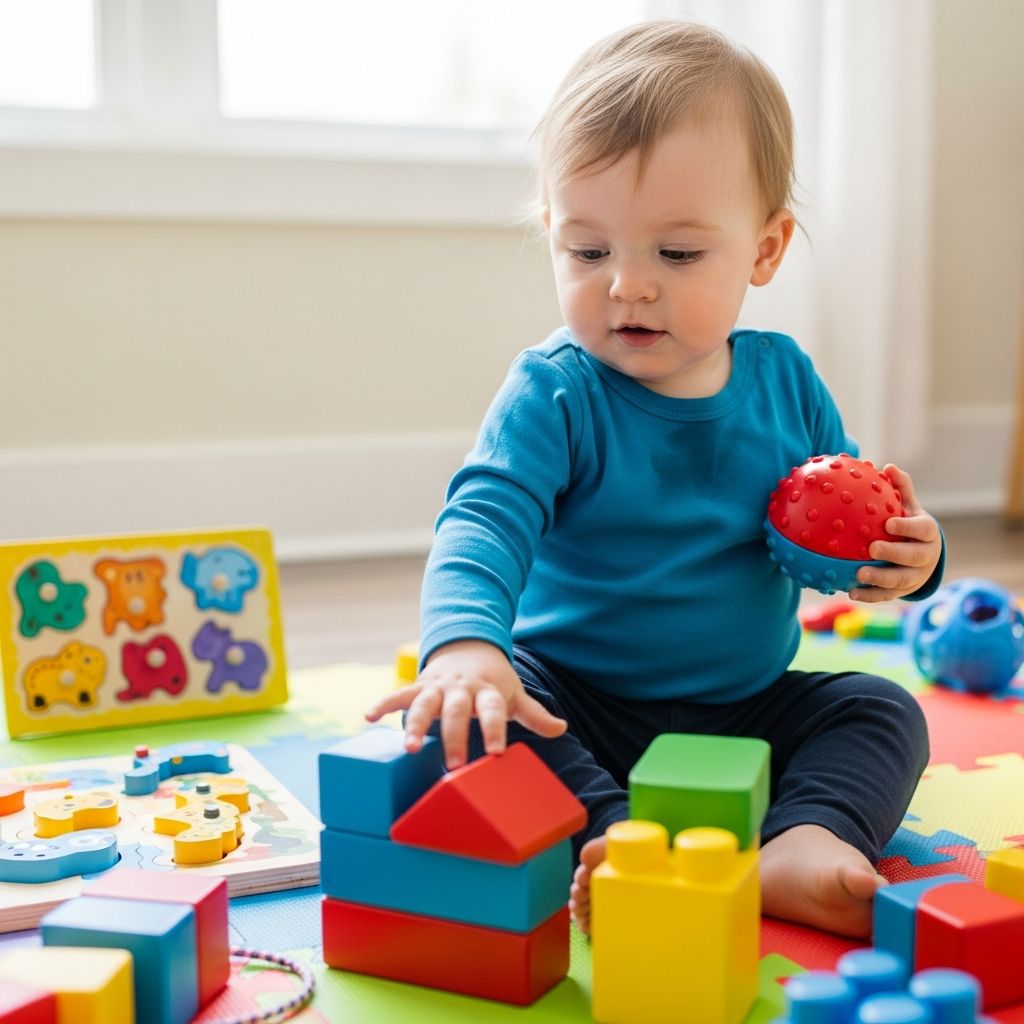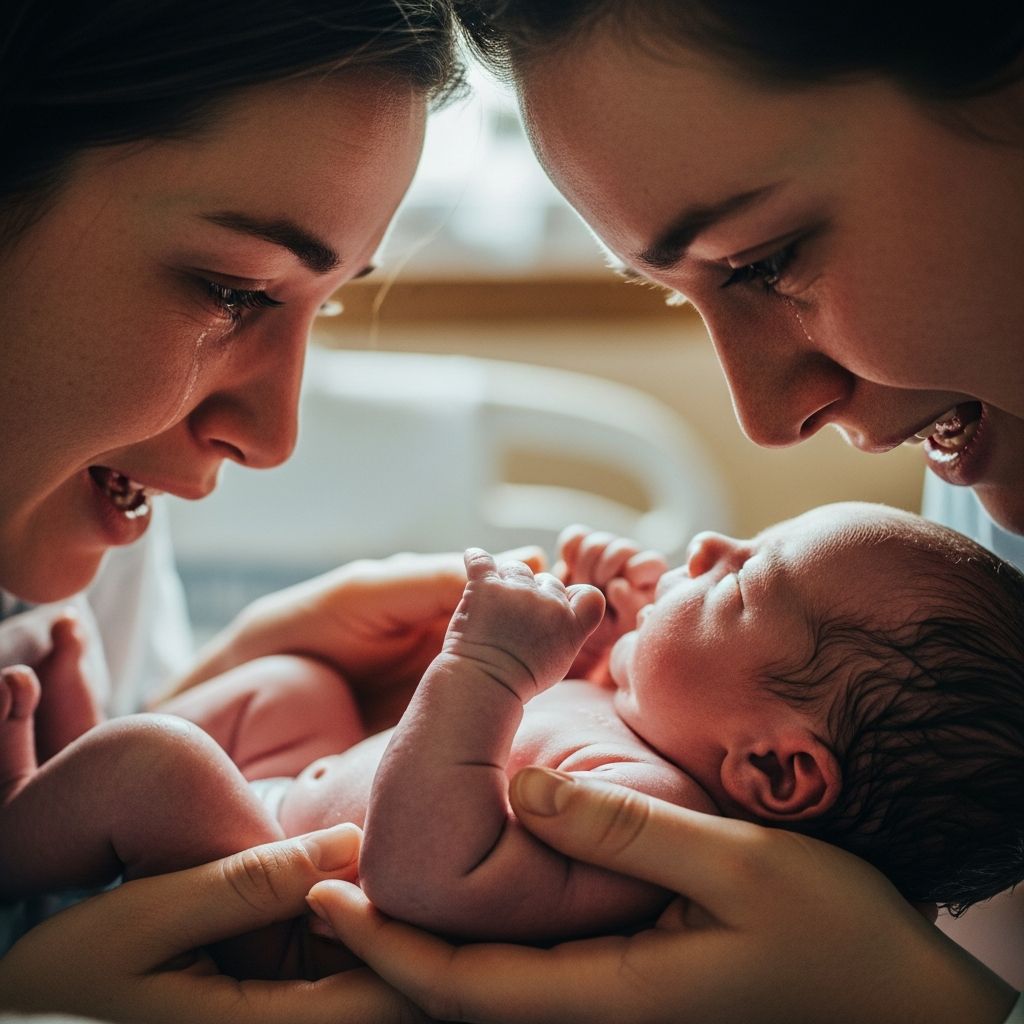
In an era dominated by ultrasounds, blood tests, and elaborate gender reveal parties, a quiet revolution is underway among expectant parents. More families are choosing to forgo early knowledge of their baby’s sex, opting instead for the raw thrill of discovery at birth. This approach harkens back to generations past when such information remained a mystery until labor’s end, fostering anticipation that culminates in an unforgettable moment.
The Allure of the Unknown in Modern Pregnancy
Today’s technology allows determination of fetal sex as early as five weeks through non-invasive prenatal testing (NIPT) or cell-free DNA analysis. Despite this convenience, surveys indicate a significant portion of parents still prefer the surprise. A study from the early 2000s found that while 58% of expectant parents planned to learn the sex beforehand, the remaining 42% embraced the wait, valuing the emotional peak at delivery.
This choice challenges the instant-gratification culture, offering a counterbalance to pre-planned celebrations. Parents report heightened bonding during pregnancy, as the baby remains an enigma, encouraging imagination unbound by stereotypes. Without knowing if it’s a boy or girl, nursery preparations lean toward neutral palettes—soft grays, greens, and yellows—promoting flexibility and inclusivity from the start.
Real-Life Tales of Delivery Room Revelations
Personal accounts illuminate the profound impact of birth surprises. Consider Amber Gilbert’s induction story: after rapid labor, she reached down during pushing, lifted her newborn, and exclaimed, ‘It’s a girl!’ The shock led to a double-check amid laughter, birthing Emery Lynn at 3:33 pm. Amber cherished this organic announcement, calling it the most beautiful experience despite initial induction fears.
Another narrative from North Texas families showcases creativity without pre-birth knowledge. One couple used professional photos shared on social media post-delivery for their reveal, while others incorporated hobbies like scuba diving into subtle hints revealed only after birth. These stories underscore how waiting amplifies communal joy, turning the delivery room into the true party epicenter.
Advantages of Keeping It a Secret Until Birth
- Intensified Emotional High: The moment of revelation becomes the pregnancy’s climax, often described as euphoric. Parents note tears of joy and deeper partner connection as they share the discovery simultaneously.
- Avoidance of Disappointment: Early knowledge can lead to gender disappointment, where preferences for one sex over another cause emotional turmoil. Waiting eliminates this risk, ensuring pure delight regardless.
- Promotion of Gender Neutrality: Without preconceptions, parents avoid pigeonholing their child into pink or blue worlds, allowing personality to guide future choices.
- Simplified Planning: Neutral gear purchases save money and reduce waste, as items work for any child.
- Family and Friend Excitement: Loved ones share the suspense, making birth announcements explosive with surprise.
Potential Drawbacks and How to Navigate Them
No decision is without challenges. Curious family members may pressure for details, and shopping requires discipline to stay neutral. Medical scenarios, like necessary C-sections, might inadvertently reveal the sex via ultrasound proximity. To counter this:
- Communicate boundaries clearly with doctors and ultrasound technicians, requesting sealed envelopes or averted screens.
- Prepare a neutral registry with versatile items: white onesies, wooden toys, and adaptable furniture.
- Host a ‘welcome baby’ shower focused on essentials, not colors.
Critics argue early knowledge aids preparation, but data shows most needs are unisex. A Harvard-affiliated study highlights how pre-knowledge influences toy choices, potentially limiting play diversity. Waiting fosters broader exploration.
Practical Steps for a Successful Birth Surprise
Planning ensures the surprise succeeds. Start by discussing with your healthcare provider early. Request ‘Team Green’ status on records, where staff avoids disclosing sex. During anatomy scans around 20 weeks, cover eyes or exit the room if needed.
| Stage of Pregnancy | Action Items |
|---|---|
| Early (Weeks 1-12) | Opt out of NIPT gender reporting; inform OB-GYN of preference. |
| Mid (Weeks 13-28) | Blind anatomy scan; prepare neutral nursery. |
| Late (Weeks 29-Delivery) | Pack neutral hospital bag; brief labor team on protocol. |
| Birth | Designate announcer (often the delivering parent for intimacy). |
For hospital births, add a note to your chart. Home births offer more control, with midwives honoring requests seamlessly. Post-birth, capture reactions with a photographer for lasting memories.
Comparing Pre-Birth Reveals vs. Birth Surprises
| Aspect | Pre-Birth Reveal | Birth Surprise |
|---|---|---|
| Anticipation Build | Short-term (party day) | 9 months of suspense |
| Cost | High (events, props) | Low (neutral buys) |
| Emotional Peak | Party moment | Delivery revelation |
| Risk of Disappointment | Higher | None |
| Inclusivity | Color-coded | Neutral from start |
This comparison reveals birth surprises excel in emotional depth and practicality, though pre-reveals suit party-loving extroverts.
Addressing Societal and Ethical Dimensions
Beyond personal choice, broader implications exist. In regions like India and China, prenatal sex disclosure is regulated to curb imbalances favoring boys. Even in the West, reveals spark debate: are they ‘sex’ or ‘gender’ parties? Experts clarify ultrasounds detect biological sex (chromosomes/genitals), while gender is a social construct evolving lifelong. Intersex conditions (1 in 2,000 births) remind us biology isn’t binary, making rigid reveals potentially reductive.
Choosing birth surprise sidesteps these issues, celebrating the baby holistically upon arrival.
Frequently Asked Questions
Can I really keep the sex secret during medical tests?
Yes, most providers accommodate by not verbalizing or showing. Confirm in writing early.
What if it’s a C-section?
Request the baby be shown briefly without full exposure, or have staff wrap and hand over for self-discovery.
How do I handle pushy relatives?
Share your ‘why’ enthusiastically: it’s for everyone’s bigger joy at birth. Offer updates on other milestones.
Is it harder to bond without knowing?
Opposite: mystery deepens attachment, as parents connect to the whole baby, not assumptions.
Neutral nursery ideas?
Earth tones, animals, stars—timeless themes that adapt beautifully.
Embracing the Future of Authentic Birth Moments
As gender reveal excesses—like drone shows or pyrotechnics gone wrong—grab headlines, birth surprises gain traction for their purity. They reclaim birth’s sanctity, focusing on health and connection over spectacle. Whether induced like Amber’s swift delivery or planned unmedicated, the reveal remains life’s greatest gift: unscripted wonder.
This trend empowers parents, challenging norms while honoring tradition. In a world of oversharing, the private joy of lifting your baby and declaring ‘boy!’ or ‘girl!’ echoes eternally.
References
- A Positive Birth Story with an Induction & Surprise Gender Reveal — Motherhood for Me / Amber Gilbert. 2023. https://motherhoodforme.com/positive-birth-story-induction-gender-reveal/
- Pros and Cons of Finding Out Baby’s Gender — Posh Peanut. 2024. https://poshpeanut.com/blogs/news/pros-and-cons-of-finding-out-baby-gender
- The baby gender-reveal party trend is out of control — Today’s Parent. 2023. https://www.todaysparent.com/baby/baby-development/the-baby-gender-reveal-party-trend-is-out-of-control/
- Creative ways North Texans have revealed their babies’ genders — UT Southwestern Medical Center. 2022-10-20. https://utswmed.org/medblog/gender-reveal-stories/