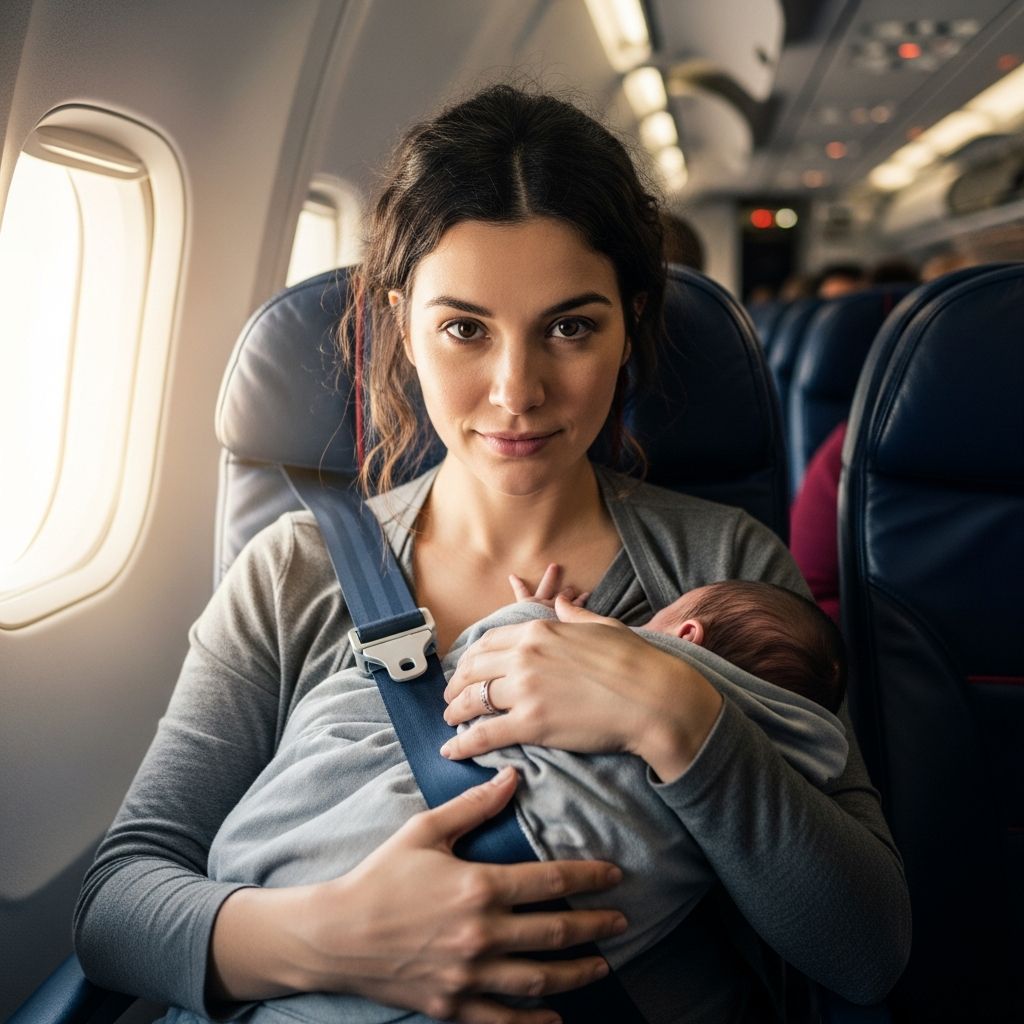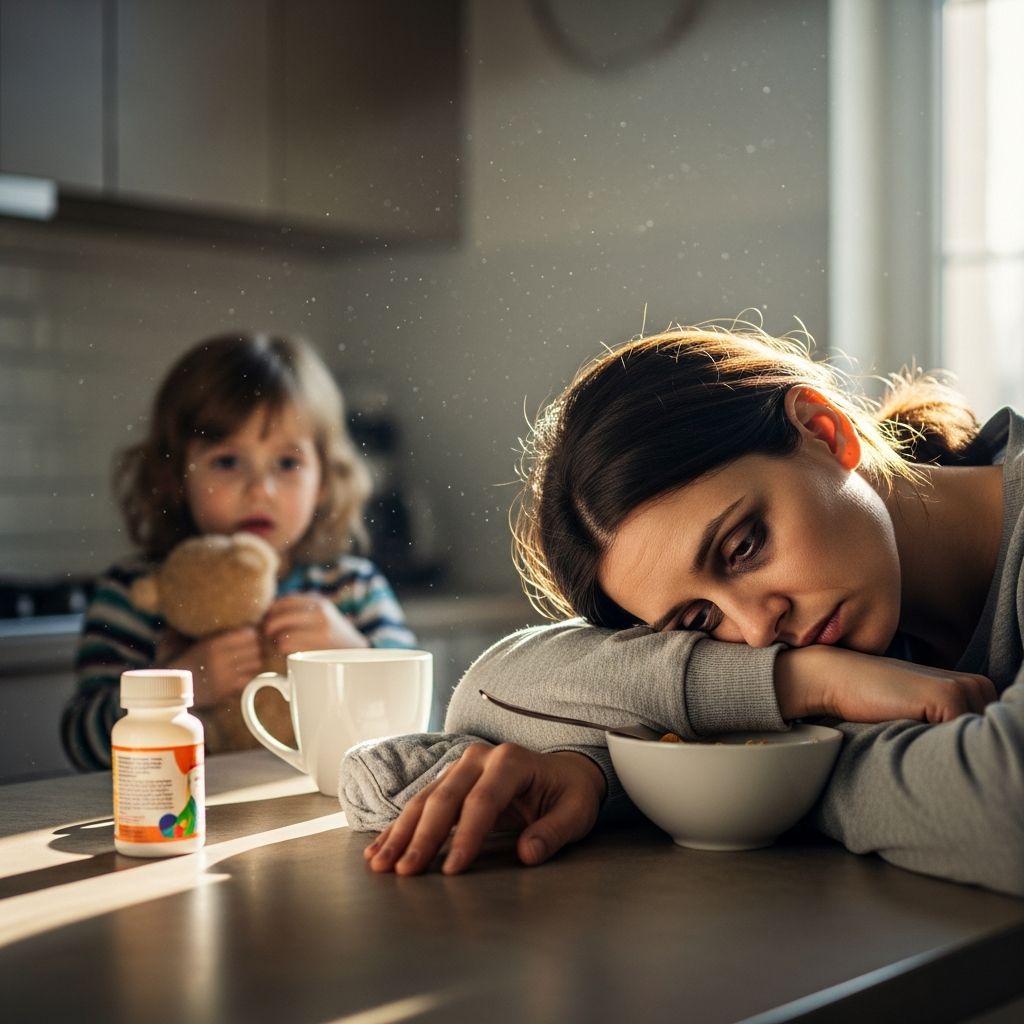
Mothers frequently confront a harsh reality: illness strikes, but rest remains elusive. Unlike traditional jobs with designated sick leave, parenting offers no such luxury, forcing many to power through fevers, fatigue, and flu-like symptoms while tending to children’s needs. This relentless cycle not only prolongs recovery but also heightens risks to overall well-being and family dynamics.
The Relentless Demands of Motherhood During Illness
When a mother falls ill, the household rarely pauses. Responsibilities like meal preparation, childcare, laundry, and emotional support persist unabated. Stay-at-home moms might manage infants and toddlers solo, while working mothers juggle remote calls or commutes despite debilitating symptoms. This ‘no sick day’ culture stems from deep-seated expectations that moms are indispensable pillars, a notion echoed across personal stories and expert insights.
Consider the typical scenario: a virus sweeps through the family, sidelining children and partners sequentially. By the time it reaches mom, exhaustion compounds the physical toll. Yet, she soldiers on, fearing disruption to school routines, work schedules, or spousal obligations. Data from family health discussions reveals this pattern is universal, with moms prioritizing others’ recovery over their own.
Health Consequences of Skipping Rest
Foregoing rest weakens the immune system, extending illness duration and inviting secondary infections. Chronic sleep deprivation from nighttime caregiving exacerbates this, leading to burnout or long-term conditions like hypertension. Pediatric guidelines stress parental recovery for effective child care, yet moms often ignore personal symptoms until collapse looms.
Psychological strain mounts too. Guilt over ‘failing’ family duties breeds anxiety, while isolation from lack of support deepens emotional fatigue. Studies on caregiver health underscore that unaddressed maternal illness correlates with poorer family outcomes, including child behavioral issues.
Workplace Barriers for Employed Moms
Professional mothers face dual pressures. Many lack paid sick leave, especially in non-salaried roles, or reserve days for child emergencies. Calling out risks career repercussions in competitive environments. Federal policies offer some relief: U.S. employees can access up to 12 weeks (480 hours) of sick leave annually for family care, but not explicitly for personal illness in all cases. Agencies may advance up to 240 hours for exigencies, requiring medical certification within 15-30 days.
| Leave Type | Entitlement | Conditions |
|---|---|---|
| Family Serious Health | 12 weeks/480 hours per year | Medical certification; subtracts general care days |
| Advanced Sick Leave | Up to 240 hours | Agency discretion; exigency required |
| General Family Care | Up to 13 days/104 hours | Within annual total; prior use deducted |
This framework aids family support but falls short for moms needing personal recovery time, prompting calls for expanded policies.
Practical Survival Strategies for Sick Moms
Survival demands adaptation. Real moms share proven tactics:
- Streamline Nutrition: Opt for takeout, freezer staples, or simple fare like cereal. One parent recounts husbands ordering pizza from work to bypass cooking entirely.
- Embrace Screen Time: Temporarily lift restrictions; TV or games buy precious rest hours without harm for a day or two.
- Delegate Chores: Enlist partners, older kids, or neighbors for basics like cleaning or pickups.
- Prioritize Sleep: Nap when children do; set up safe play zones nearby.
- Hydrate and Medicate: Stock remedies in advance for quick symptom relief.
These adjustments prevent total breakdown, allowing incremental recovery. Focusing on essentials—hydration, feeding, safety—frees energy for healing.
Building a Support Network Before Crisis Hits
Proactive planning transforms sick days. Establish a ‘mom care squad’ including partners, relatives, friends, or local parent groups for meal trains or childcare swaps. Apps for task-sharing or community forums connect isolated families. Normalize vulnerability by discussing needs openly; partners conserving PTO for mutual support fosters equity.
Long-term, advocate for policy changes. Workplace flexibility like remote sick days or expanded leave benefits working moms. Community initiatives, such as mom’s co-ops, distribute loads during illnesses.
Mental Health: Beyond Physical Recovery
Illness unmasks emotional undercurrents. Moms grapple with identity tied to productivity, fearing rest equates weakness. Mindfulness practices, short meditations, or journaling during downtime rebuild resilience. Professional counseling via telehealth ensures sustained mental wellness amid parenting demands.
Reframing ‘sick days’ as investments in family health shifts perspectives. A rested mom models self-care, teaching children boundaries and empathy.
Partner Roles in Maternal Recovery
Dads and co-parents must step up decisively. Beyond one-off help, they handle full routines—school runs, meals, bedtime—granting moms uninterrupted rest. Communication is key: pre-illness signals trigger action plans. Equity in household labor prevents gendered burnout.
Preventive Measures to Minimize Sick Days
Proactivity reduces frequency. Bolster immunity with balanced diets, exercise, and sleep hygiene. Family flu shots, handwashing drills, and germ zones curb spread. Stockpiling non-perishables and easy kits prepares for outbreaks.
Frequently Asked Questions
What if I have no partner or family nearby?
Leverage community resources like parent groups, daycare backups, or services like meal delivery. Apps connect you with vetted sitters for short-term aid.
Is extra screen time really okay for one day?
Yes, briefly; pediatric experts agree occasional exceptions during parental illness prioritize safety and rest without long-term detriment.
How do I request advanced sick leave at work?
Submit per agency policy with medical evidence; approval hinges on demonstrated need within 15-30 days.
Can I use sick leave for prenatal care?
Yes, for incapacitation or appointments related to pregnancy or post-birth recovery.
What about mental health days?
While not federally mandated, many employers offer personal days; frame as wellness to access flexibility.
Empowering moms to claim sick days reshapes family health norms. By integrating strategies, support, and advocacy, motherhood becomes sustainable, honoring the caregiver’s humanity.
References
- Why There Are No Sick Days When You’re A Mom — Scary Mommy. 2023. https://www.scarymommy.com/no-sick-days-youre-mom
- 5 Ways to Survive a Mom Sick Day — ParentMap. 2023. https://www.parentmap.com/article/stay-at-home-mom-sick-day
- Sick Leave to Care for a Family Member with a Serious Health Condition — U.S. Office of Personnel Management (OPM.gov). 2024-04-02. https://opm.gov/policy-data-oversight/pay-leave/leave-administration/fact-sheets/sick-leave-to-care-for-a-family-member-with-a-serious-health-condition/
- Why Can’t Moms Take Sick Days? — Southern Marin Moms. 2021-09-09. https://www.southernmarinmoms.com/content.aspx?page_id=5&club_id=554906&item_id=68379&action=view&al=y&actr=3
- Can Mama get a sick day? — Mother.ly. 2023. https://www.mother.ly/life/can-mama-get-a-sick-day/
- Parents, Take Your Sick Days — Harvard Business Review. 2021-04-01. https://hbr.org/2021/04/parents-take-your-sick-days