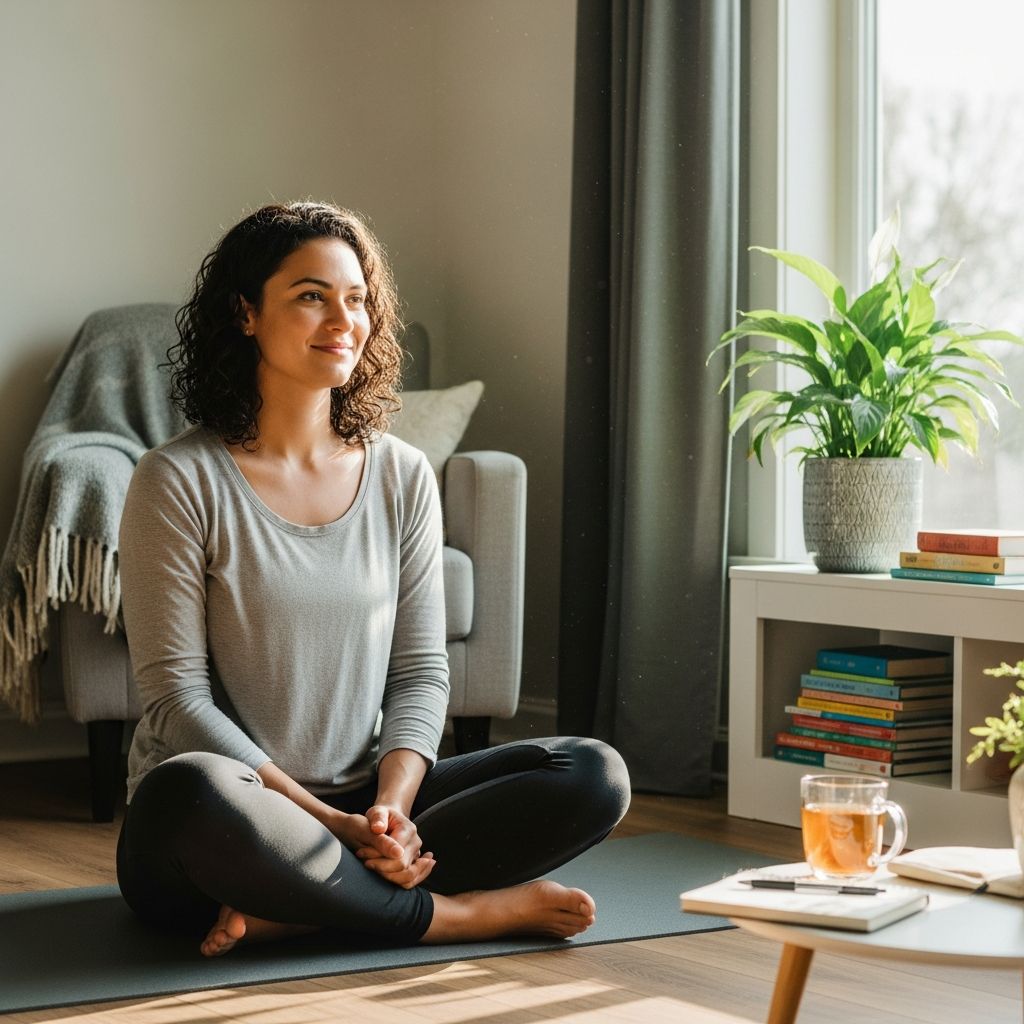
Motherhood demands constant energy, yet the popular mantra of self-care often feels like an incomplete solution. While taking time for yourself matters, true wellness emerges when moms balance personal renewal with community connections and acts of service. This perspective, echoed in viral social media posts from real mothers, challenges the ‘me-first’ culture and offers a more sustainable path forward.
Why Self-Care Alone Isn’t Cutting It
In today’s fast-paced world, self-care is marketed as the ultimate fix for exhaustion—spa days, bubble baths, or solo coffee runs. But for many moms, these moments provide temporary relief without addressing deeper issues like isolation or overwhelming responsibilities. A Texas mother of three captured this frustration in a widely shared post, arguing that self-focused routines should lead to outward generosity, not self-absorption.
Research from the American Psychological Association highlights how chronic stress in parenting correlates with higher burnout rates among women, particularly mothers juggling multiple roles. Solo self-care might recharge batteries briefly, but without integration into daily life, it risks becoming another item on the endless to-do list.
- Short-term boost: A quick workout or meditation session eases immediate tension.
- Missing link: It overlooks relational needs, like sharing burdens with other parents.
- Long-term risk: Overemphasis on ‘you time’ can foster guilt when family duties resume.
The Power of Community in Maternal Wellness
Human connection is a cornerstone of emotional health, especially for mothers. Studies from the World Health Organization emphasize social support networks as vital buffers against postpartum depression and anxiety, reducing symptoms by up to 50% in supported groups[10]. Viral posts remind us that motherhood thrives in community, not isolation.
Imagine swapping ‘self-care Sundays’ for neighborhood mom meetups. These gatherings allow venting, advice-sharing, and mutual childcare—practical ways to recharge collectively. One mother’s online rant about societal pressures resonated because it voiced a shared truth: moms need each other to navigate the chaos.
| Solo Self-Care | Community Wellness |
|---|---|
| Private yoga class (1 hour relief) | Weekly playgroup (ongoing support) |
| Expensive facial ($100+) | Potluck dinners (free, nourishing bonds) |
| Temporary escape | Sustainable encouragement |
Ditching the Perfectionism Trap
Social media amplifies unrealistic standards—pristine homes, gym-ready bodies, and Pinterest-perfect kids’ events. This comparison culture fuels inadequacy, as noted in maternal health reports from the CDC, where 1 in 5 new moms experience mental health struggles linked to perceived failures[11].
Viral confessions from moms reveal the hustle behind those highlight reels: late-night cleaning sessions or forced workouts after sleepless nights. The antidote? Embrace imperfection. Your home doesn’t need to sparkle; it needs to shelter your family. Your body, marked by pregnancy, is a testament to life created—not a flaw.
- Acknowledge the illusion: Curated posts hide the mess.
- Reframe success: A fed family trumps a spotless kitchen.
- Limit exposure: Curate feeds with real-talk accounts.
Practical Strategies for Everyday Balance
Building wellness doesn’t require grand overhauls. Start small with integrated habits that honor both self and others.
Morning Rituals Reimagined: Instead of scrolling alone, invite a friend for a 20-minute walk while kids play nearby. This dual-purpose routine boosts endorphins and strengthens ties.
Household Hacks: Delegate age-appropriate chores to children, turning ‘mom does everything’ into family teamwork. Data from child development experts at Harvard shows this fosters responsibility while lightening parental loads[12].
Evening Wind-Downs: Read aloud as a group rather than retreating solo. It nurtures bonds and provides your quiet reflection time afterward.
Navigating Societal Expectations on New Moms
New motherhood collides with demands like returning to work mere weeks postpartum, pumping discreetly at desks, and maintaining holiday magic amid healing. A viral post listed these absurdities, striking a chord with thousands. The U.S. Surgeon General’s 2023 advisory on maternal mental health warns that such pressures contribute to a ‘maternal mortality crisis,’ urging policy changes like extended leave[13].
Moms, you’re not failing—you’re defying a system not built for human needs. Prioritize healing: short naps over Santa prep, formula if breastfeeding drains you, and ‘no’ to non-essentials.
The Giving-Back Cycle: From Receiver to Giver
Once somewhat replenished, extend that energy outward. The original viral post urged: refill your cup, then pour into others. Psychological studies on altruism, including those from the Greater Good Science Center at UC Berkeley, show giving enhances happiness more than receiving, creating a virtuous cycle[14].
- Text encouragement to a struggling friend.
- Share meals with a neighbor in newborn haze.
- Mentor a first-time mom online.
This outward focus combats selfishness pitfalls, fostering purpose amid diapers and tantrums.
Mental Health Realities and When to Seek Help
Not every day shines. Persistent overwhelm signals deeper issues. The National Institute of Mental Health reports postpartum mood disorders affect 10-15% of moms, treatable with therapy or medication[15]. Viral stories normalize this: photos of bathroom baby-holding sessions capture raw reality.
Signs to watch:
- Irritability lasting weeks.
- Loss of joy in child interactions.
- Sleep issues unrelated to baby.
Reach out—hotlines, groups, professionals. You’re worthy of support.
Frequently Asked Questions (FAQs)
What if I can’t find mom friends for community support?
Start online: Join local Facebook groups or apps like Peanut. Attend library story times. Consistency builds connections.
How do I practice self-care without guilt?
Frame it as modeling health for kids. Short, intentional acts—like a 10-minute breathing break—recharge without neglecting duties.
Is social media detox necessary?
Not fully, but curate ruthlessly. Follow authentic voices; mute perfectionists. Studies link reduced scrolling to lower anxiety[11].
Can dads contribute to this balance?
Absolutely. Viral dad posts advocate practical help: dishes, bedtime routines, emotional check-ins. Clear communication is key.
How soon after birth should I resume self-care?
Gently, as healing allows. Prioritize rest first; consult your doctor on timelines.
Sustaining Long-Term Joy in Motherhood
True wellness weaves self-nurturing with generosity and realism. Ditch solo indulgences for shared rhythms; trade perfection for presence. As echoed in those resonant posts, motherhood’s beauty lies in messy, communal grace.
You’re not just surviving—you’re shaping legacies. Celebrate small wins, lean on your village, and watch fulfillment grow.
References
- Woman’s Facebook post about self-care goes viral — ABC News. 2019-10-15. https://abcnews.go.com/GMA/Family/womans-facebook-post-care-viral/story?id=63253402
- This post on self-care has gone viral on Facebook — Mother.ly. 2023-08-01. https://www.mother.ly/life/this-post-on-self-care-has-going-viral-on-facebook/
- Maternal Mental Health Stress in America — American Psychological Association. 2023-10-25. https://www.apa.org/news/press/releases/stress/2023/maternal-mental-health
- Social support for maternal mental health — World Health Organization. 2022-05-12. https://www.who.int/publications/i/item/9789240050249
- Maternal Mental Health Data — Centers for Disease Control and Prevention. 2024-02-14. https://www.cdc.gov/women/maternal-mental-health/index.html
- Making Caring Common: Family Responsibilities — Harvard Graduate School of Education. 2023-11-08. https://mcc.gse.harvard.edu/reports/the-care-report