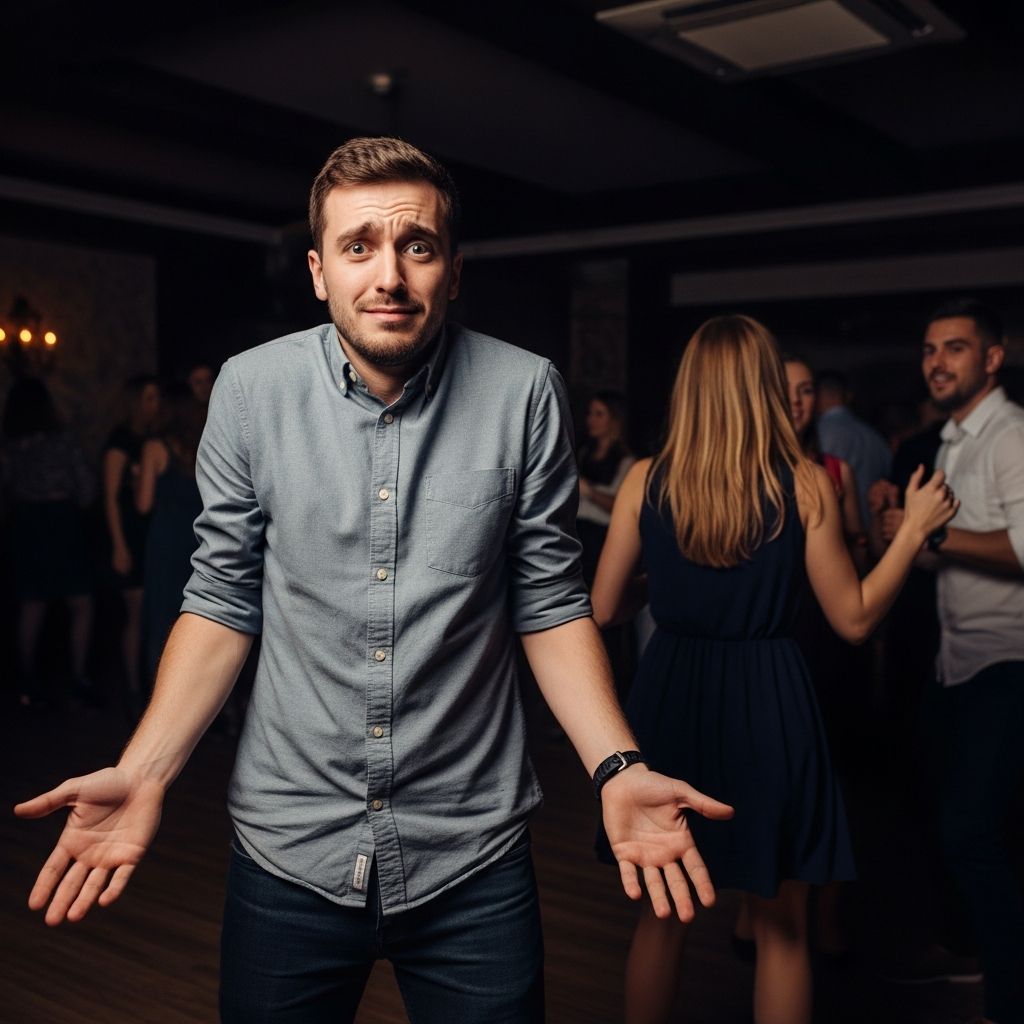
Men’s dance performances frequently receive lower ratings in social settings, a phenomenon rooted in evolutionary biology, biomechanics, and neural processing. Advanced studies employing 3D motion-capture technology demonstrate that while male movements can convey physical prowess, they often lack the fluidity and variability prized in dance quality assessments.
Evolutionary Roots of Dance as a Fitness Display
Dance in humans echoes courtship rituals observed across animal species, where vigorous motions signal genetic fitness, health, and vigor to potential mates. For males, these displays historically advertised upper-body strength and overall athletic capability, traits linked to survival and reproduction. Researchers using biomechanical analyses found that observers, both male and female, associate robust arm and torso swings with grip strength—a proxy for fighting ability and formidability.
In one investigation, 30 men aged 19-37 danced to a drumbeat while undergoing strength tests. Their motions, digitized into avatars, revealed that larger upper-body excursions correlated strongly with perceived dance appeal, particularly among male raters attuned to rival threats. This intrasexual competition suggests men subconsciously decode peers’ dances to gauge physical threats, prioritizing raw power over aesthetic finesse.
Biomechanical Breakdown of Effective Dance Moves
Precision motion-capture systems like Vicon dissect dance into quantifiable parameters: amplitude (size of motion), speed, variability (irregularity), and duration across body segments. A study of 19 males dancing to a standardized rhythm identified three predictors of high ratings from 39 female judges: pronounced variability and amplitude in neck/trunk bending and twisting, plus rapid right-knee flexion.
“Good” dancers exhibited dynamic torso undulations and quick leg responses, mimicking vigorous motor performances favored in mate selection. Conversely, stiff or repetitive motions signaled poorer health or coordination, reducing attractiveness. Right-knee dominance aligns with population right-footedness (80%), implying natural asymmetries influence rhythm adherence.
| Movement Parameter | Key Body Area | Impact on Dance Quality Rating |
|---|---|---|
| Variability & Amplitude | Neck & Trunk | High positive correlation; signals vigor |
| Speed | Right Knee | Fastest predictor of appeal |
| Upper Body Size | Arms & Shoulders | Conveys strength to rivals |
This table summarizes core findings, highlighting how targeted motions elevate perceptions beyond mere enthusiasm.
Neural Mechanisms Coordinating Rhythm and Motion
Dance demands synchronized brain activity across motor cortex (planning voluntary actions), somatosensory cortex (sensory feedback and coordination), basal ganglia (rhythm timing), and cerebellum (balance and precision). PET imaging confirms these regions activate during learning and execution, with motor cortex directing limb control and cerebellum refining timing errors.
Men may underperform due to sex differences in neural lateralization or androgen influences on motor patterns. Prenatal testosterone exposure correlates with dance quality, suggesting early hormonal imprints shape movement symmetry and vigor. Less variable central-body motions in lower-rated males could stem from subdued cerebellar feedback loops, limiting expressive twists.
Sex Differences in Movement Perception and Production
While women often rate male dances harshly, men excel at spotting strength cues, reflecting rivalry dynamics. Heterosexual males’ sensitivity to upper-body vigor underscores evolutionary pressures for threat assessment, where dance previews combat prowess.
- Male Observers: Prioritize grip-strength indicators via arm vigor for rivalry.
- Female Observers: Favor variable trunk/neck and knee speed for mate quality.
- Production Gap: Men produce stronger but less nuanced moves, averaging lower overall quality scores.
Such disparities arise from divergent selection: males signal dominance, females seek coordination proxies for genetic health.
Perception Biases: Cultural and Psychological Layers
Beyond biology, stereotypes amplify the gap. Describing men as “dancers” boosts mate-value ratings across traits like warmth and femininity, yet paradoxically lowers masculinity perceptions. In experiments, “dancer” labels elevated appeal (M=5.88 vs. 3.64) but softened dominance impressions.
This duality—dance enhances allure while challenging macho ideals—may deter male practice, perpetuating skill deficits. Black and White raters showed consistent patterns, indicating cross-cultural robustness. Evolutionary holdovers clash with modern contexts, where fluid moves signal confidence sans brute force.
Improving Dance Prowess: Evidence-Based Strategies
Targeted training can bridge gaps. Focus on:
- Trunk Mobility Drills: Enhance variability through yoga-inspired twists, boosting amplitude.
- Rhythm Knee Work: Practice fast alternations to drums, leveraging right-leg bias.
- Strength Integration: Build grip via weights, translating to visible vigor.
- Neural Priming: Dance classes activate basal ganglia for timing mastery.
Consistent practice rewires motor pathways, with studies showing rapid gains in amateurs via feedback loops. Men adopting variable, speedy motions rival natural talents in ratings.
Frequently Asked Questions (FAQs)
What specific moves make a man’s dance more attractive?
Studies pinpoint large, variable neck/trunk twists and fast right-knee bends as top attractors for female raters.
Do men and women judge dances differently?
Yes; men focus on upper-body strength for rivalry, women on central-body variability for fitness cues.
Can anyone improve their dancing through science-backed methods?
Absolutely—targeted drills on amplitude, speed, and rhythm engage key brain areas like the cerebellum.
Is poor dancing genetic or learned?
Partly prenatal (androgens) and biomechanical, but trainable via motion practice.
Why do male dances signal strength to other men?
Evolutionary rivalry: vigorous arms indicate fighting formidability.
Broader Implications for Health and Social Dynamics
Dance research illuminates human signaling beyond nightlife. Motion quality proxies health markers, aiding clinical assessments of neurological function. Socially, mastering these cues enhances mating success and group status. As tech evolves, avatar training could democratize skills, challenging the “men can’t dance” trope.
Integrating strength displays with nuanced variability unlocks universal appeal. Future studies may quantify cultural variances, refining global models.
References
- Male dancers signal their strength to men and women — Northumbria University Newsroom. 2019-10-09. https://newsroom.northumbria.ac.uk/pressreleases/male-dancers-signal-their-strength-to-men-and-women-1195733
- Male dance moves that catch a woman’s eye — PMC (Biology Letters). 2011-02-23. https://pmc.ncbi.nlm.nih.gov/articles/PMC3061152/
- I CAN DANCE: FURTHER INVESTIGATIONS OF THE EFFECT OF… — Human Ethology Bulletin. 2015-06-01. https://human-ethology.org/article/89789.pdf
- Dancing and the Brain — Harvard Medical School. 2023-01-01. https://hms.harvard.edu/news-events/publications-archive/brain/dancing-brain
- Male body movements as possible cues to physical strength: a biomechanical analysis — American Journal of Human Biology (via Northumbria). 2019-10-01. https://newsroom.northumbria.ac.uk/pressreleases/male-dancers-signal-their-strength-to-men-and-women-1195733