The Foundation of Marital Understanding
Every enduring relationship rests upon a foundation of mutual comprehension that extends far beyond the words couples exchange in everyday conversation. The most resilient marriages develop their own unique linguistic ecosystem—a collection of phrases, references, and understood meanings that belong exclusively to that partnership. These personalized communication systems represent far more than playful banter; they embody the essence of emotional intimacy and demonstrate a profound level of synchronization between partners.
When two people commit to spending their lives together, they gradually construct a shared reality complete with its own vocabulary. This language emerges organically from experiences, inside jokes, random occurrences, and moments that hold special significance for the couple. Over time, these words and phrases become shorthand for complex emotions, requests, and understandings that would otherwise require lengthy explanations. The evolution of such language within a marriage reflects the couple’s journey together and serves as a testament to their deepening connection.
Origins of Personal Relationship Phrases
The most meaningful phrases within a marriage typically arise unexpectedly from seemingly trivial circumstances. A random Wi-Fi password, an overheard conversation, a funny mishap, or an inside reference can transform into something far more significant through repetition and shared meaning-making. What begins as a lighthearted joke between two people gradually transcends its original context and becomes woven into the fabric of their daily interactions.
These phrases gain power precisely because they emerge naturally rather than being deliberately constructed. When a couple encounters something genuinely amusing or strange, their mutual laughter creates a bond. As they continue referencing that moment in various contexts, the phrase becomes increasingly laden with meaning. It transforms from describing a specific incident into representing the entire experience of falling in love and building a life together. This evolutionary process cannot be forced; it must develop authentically through genuine shared experiences and mutual appreciation for humor and absurdity.
Beyond Entertainment: Practical Applications in Daily Life
While inside jokes certainly add levity to a relationship, the most valuable personal phrases serve practical functions that strengthen the marital partnership. These linguistic shortcuts become tools for managing life’s challenges and navigating situations that would otherwise create friction or misunderstanding.
Silent Communication in Social Settings
Couples frequently find themselves in uncomfortable social situations—awkward conversations at professional events, interactions with difficult personalities, or simply being trapped in tedious gatherings where neither partner feels engaged. Rather than enduring these moments in isolation or attempting to communicate through obvious gestures, couples can deploy their personal code words. A single phrase, delivered through eye contact or mouthed silently, instantly conveys: “I need your help,” “Can we leave,” or “I’m struggling here.” This non-verbal communication allows one partner to signal distress without broadcasting the problem to everyone around them, preserving dignity while ensuring the other partner recognizes the plea for assistance.
Managing Conflict and Difficult Moments
During heated disagreements or high-stress situations, couples often struggle to maintain perspective and communicate effectively. A well-established code phrase can serve as a reset button, temporarily halting contentious exchanges to allow both partners to recalibrate. The phrase essentially means: “I recognize that you’re important to me, our relationship matters more than this argument, and I need you to trust me right now.” Rather than continuing to argue over specific points, the code word acknowledges the underlying commitment that supersedes the current disagreement.
Signals for Emotional Support
Mental health challenges, anxiety episodes, and overwhelming stress can strike at unexpected moments. When someone experiences a surge of panic or emotional distress in a public setting, they might feel unable to articulate what they need. A simple phrase known to both partners can communicate: “I’m struggling, please help me through this.” It gives the affected partner permission to step away, seek quiet, or simply receive reassurance without having to explain their internal experience to observers. The supporting partner immediately understands the request and can respond with appropriate assistance—whether that means finding a quieter location, providing grounding techniques, or simply offering presence and validation.
Creating Lighthearted Connection Through Wordplay
The entertainment value of marital code words should not be underestimated as a component of relationship health. Shared humor, particularly humor that belongs exclusively to a couple, creates a sense of membership in an exclusive club. When partners can spontaneously inject their special phrase into mundane conversations or use it creatively to describe unrelated situations, they’re reinforcing their bond and reminding themselves that their relationship contains elements of fun and playfulness.
These moments of levity occur throughout daily life. A couple might work their phrase into casual observations at dinner, transform it into a fake business idea, reference it while discussing unrelated topics, or use it to create absurd scenarios only they would understand. Each instance of using the phrase for amusement reinforces the couple’s shared perspective and reminds them both that they’re united in appreciating the same brand of humor. In marriages where stress, responsibility, and seriousness can accumulate, these pockets of shared silliness become essential nutrients for the relationship.
The Evolution of Meaning Over Time
What makes personal couple phrases particularly powerful is their capacity to evolve and acquire additional layers of meaning. A phrase might originate as a reference to a funny coincidence, but over years of marriage, it accumulates new applications and deeper significance. The phrase begins to represent not just the original moment that inspired it, but the entire relationship and the couple’s journey together.
This evolution reflects how couples grow together. As they navigate different life stages, face challenges, celebrate victories, and build shared history, their language naturally expands to encompass these experiences. The same phrase might serve different purposes depending on context—sometimes it’s purely entertaining, sometimes it’s a genuine cry for help, and sometimes it represents the profound understanding that exists between two people who have committed their lives to each other.
Intentional Development Versus Organic Growth
While the most cherished relationship phrases typically develop naturally, some couples might consider whether deliberately establishing code words could enhance their communication. However, the most effective phrases resist conscious creation. Phrases that couples deliberately designate “our code word for when you want help” often lack the authentic resonance of phrases that emerged unexpectedly and gathered meaning through genuine experience.
That said, couples who recognize the value of such communication might remain more alert to moments when a phrase could naturally evolve into something more. They might be more intentional about remembering inside jokes, regularly referencing shared memories, and actively building their unique linguistic landscape. Rather than forcing code words, they’re creating conditions where such phrases are more likely to emerge and flourish.
The Deeper Significance of Shared Language
Ultimately, the power of personal couple phrases extends far beyond their practical applications or entertainment value. These phrases represent something fundamental about intimate human connection: the ability to create meaning together and establish an understanding that transcends conventional communication. When two people develop their own language, they’re affirming that their relationship exists in its own distinct universe, separate from the rest of the world.
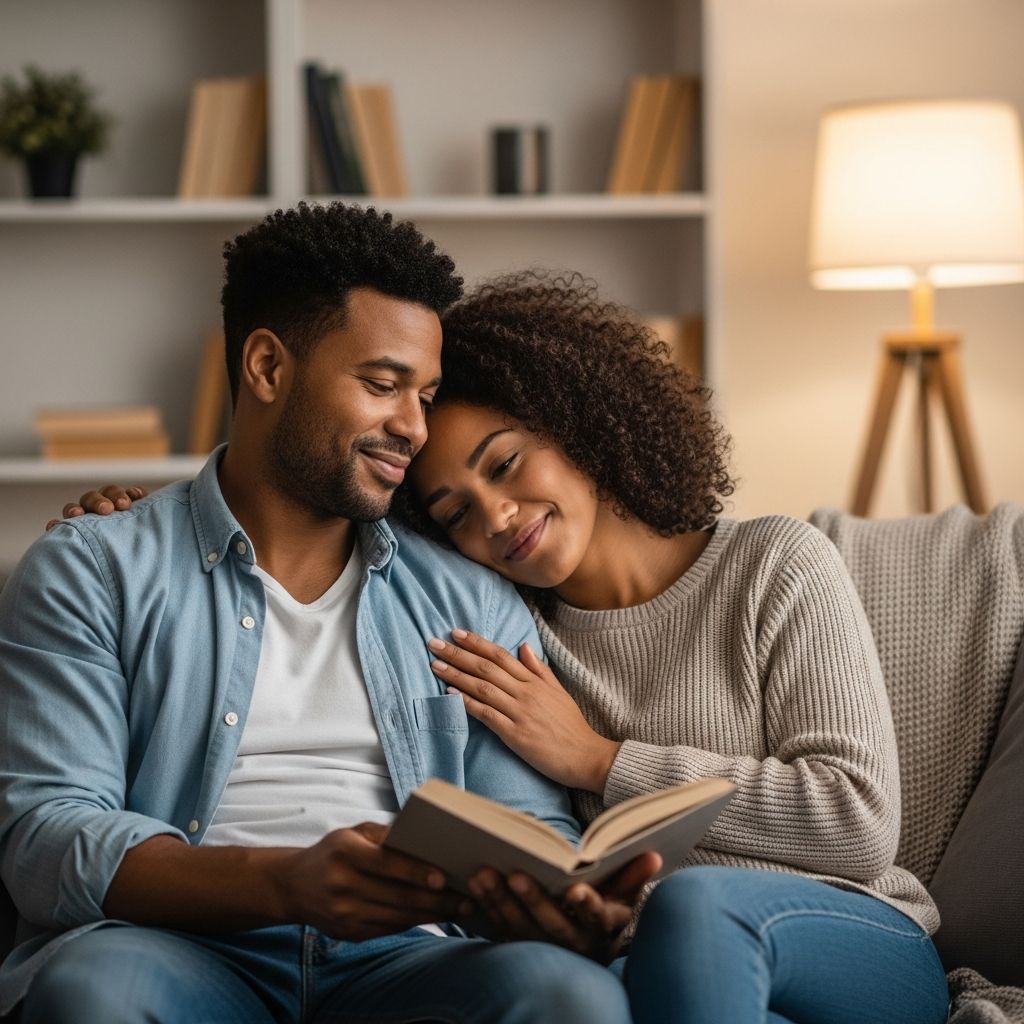
This private language becomes a visible manifestation of emotional intimacy. It demonstrates that the couple has spent enough time together, paid sufficient attention to each other’s perspectives, and developed a shared sense of humor and values. It proves that they’ve moved beyond surface-level interaction into genuine partnership. The existence of these phrases—and the ease with which partners deploy them—indicates a relationship characterized by safety, understanding, and authentic connection.
Moreover, the inside jokes and personal phrases of a marriage serve as anchors to shared history. They remind couples of where they’ve been together, what they’ve survived, and how much they’ve grown in each other’s presence. In moments when relationships feel strained or routine, these linguistic touchstones can reconnect partners to the genuine intimacy that brought them together.
Frequently Asked Questions
Q: How do couples develop these special phrases if they don’t occur naturally?
A: While the most powerful phrases typically emerge organically, couples can nurture conditions for their development by remaining attentive to funny moments, shared references, and mutual discoveries. Spending quality time together, appreciating each other’s humor, and deliberately remembering inside jokes all increase the likelihood that meaningful phrases will emerge and evolve.
Q: What if one partner isn’t naturally inclined toward inside jokes and wordplay?
A: Couples have different communication styles and humor preferences, and that’s perfectly acceptable. Some partnerships might develop very subtle code words or phrases, while others might rely on different mechanisms for building intimacy. The underlying principle—creating shared understanding and private communication—can be expressed in many different ways depending on each couple’s personality and preferences.
Q: Can couples establish new code words after many years of marriage?
A: Absolutely. While some of the most cherished phrases develop early in relationships, couples at any stage can establish new meaningful language. A memorable experience, a shared challenge, or even a deliberate conversation about wanting to strengthen communication can spark the emergence of new phrases. Long-term marriages can continue generating new layers of shared meaning and inside references.
Q: Are secret code words between couples concerning to outsiders?
A: Not at all. The private language of committed couples is a healthy expression of intimacy and shared identity. Friends and family who observe a couple using inside jokes and references typically recognize these as positive signs of connection rather than concerning behavior. These phrases strengthen the couple’s bond without negatively impacting their relationships with others.
Q: How does shared language contribute to relationship longevity?
A: Personal phrases and inside jokes contribute to relationship longevity by creating consistent reminders of the couple’s unique connection, providing tools for navigating difficult situations, and maintaining elements of fun and playfulness throughout the marriage. These elements help couples feel understood, supported, and genuinely bonded to their partners.
References
- Have A Secret Code Word With Your Wife — Fatherly. Accessed 2026-02-09. https://www.fatherly.com/life/secret-code-word-wife
- The Gottman Institute: What Makes Relationships Work — The Gottman Institute. https://www.gottman.com
- American Psychological Association: Healthy Relationships — American Psychological Association. https://www.apa.org/science/about/psa/relationships