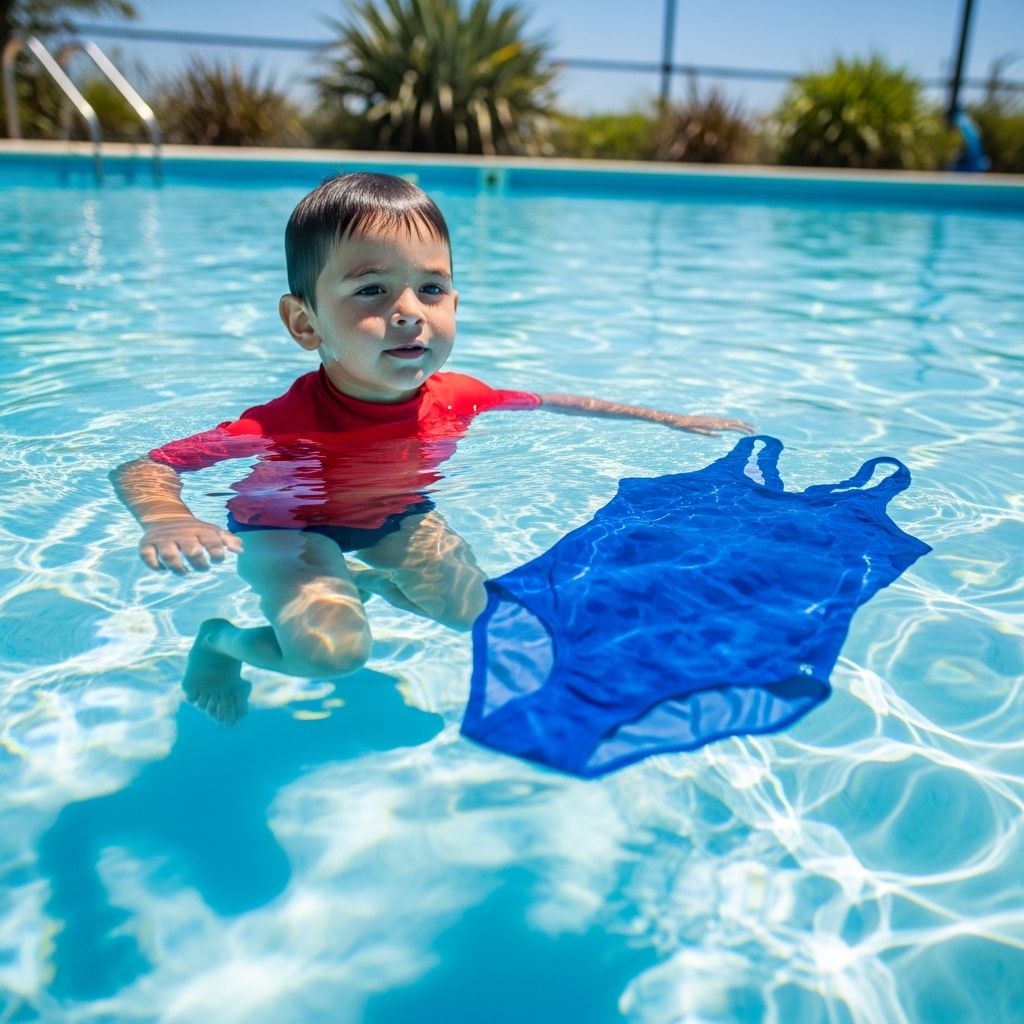
Selecting the right swimwear for children goes beyond style and comfort—it’s a critical factor in preventing accidents during water activities. Dark or blue-toned swimsuits can camouflage children against typical pool environments, making it harder for guardians and rescuers to spot them in time. This guide explores the science behind visibility in water, recommended alternatives, and comprehensive strategies to ensure safe swimming experiences for kids.
The Hidden Dangers of Camouflage in Aquatic Environments
Pool linings and natural water bodies often feature blue hues to evoke a serene ocean-like feel while optimizing light reflection. However, this design choice creates a hazardous matching effect when children wear similarly colored attire. In clear pool water, a child in a blue swimsuit can become nearly invisible from above, especially as depth increases or when light conditions shift.
Visibility challenges intensify in real-world scenarios. Splashing from play, waves in open water, or cloudy weather diminish contrast, turning a routine swim into a potential crisis. Drowning incidents frequently occur silently and swiftly, often within arm’s reach of an adult, underscoring how even brief visibility lapses can have tragic outcomes.
Scientific Principles Governing Underwater Visibility
Light behaves differently underwater, influencing how colors appear to the human eye and surveillance tech. Bright shades like neon yellow, orange, and pink reflect more light waves, remaining discernible at greater depths and distances. In contrast, blue and dark tones absorb light, fading quickly below the surface.
| Color Type | Light Reflection | Underwater Visibility (Clear Pool) | Lifeguard Detection Speed |
|---|---|---|---|
| Bright (Neon Yellow/Orange) | High | Excellent, even at 6+ feet | Immediate from distance |
| Light Blue | Moderate | Fair to poor beyond 3 feet | Delayed, requires closer view |
| Dark Blue/Navy | Low | Poor to invisible | Slow, often missed |
This table illustrates key differences based on optical properties. Factors like water depth, sunlight angle, and turbulence further degrade blue visibility, as deeper water darkens to match these shades.
Real-World Evidence from Experts and Incidents
Swim instructors and safety organizations consistently highlight this issue. For instance, professionals note that blue swimsuits are ubiquitous in stores yet problematic in practice, blending seamlessly in both calm and chaotic pool settings. Executive directors from drowning prevention groups emphasize bright colors as a simple yet effective enhancement to supervision protocols.
Parental demonstrations, such as those using young children in controlled tests, reveal how light blue attire hampers spotting even in ideal conditions like sunny, still water. These observations align with broader statistics: drowning ranks as the top cause of accidental death for ages 1-4, predominantly in residential pools where visibility is paramount.
Optimal Swimwear Choices for Maximum Visibility
- Neon and Fluorescent Hues: Yellow, orange, pink, and green pop against blue backgrounds, aiding quick location by parents, lifeguards, and cameras.
- Patterned Designs: Combine bright bases with contrasting prints for added standout effect without sacrificing fun aesthetics.
- Light Pastels with Accents: If blue is preferred stylistically, select very light versions paired with vivid trims to mitigate risks.
- UV-Protective Options: Prioritize rash guards or suits offering UPF 50+ in safe colors for dual sun and visibility benefits.
Avoid all-blue ensembles, especially solids. Test visibility by viewing your child from various angles and depths before full commitment to water play.
Layered Protection: Beyond Just Swimwear Color
While color choice is vital, it complements a multi-faceted safety approach endorsed by leading organizations. The National Drowning Prevention Alliance outlines five core layers:
- Physical Barriers: Install four-sided fencing at least 4 feet high, with self-closing gates, plus door/window alarms leading to pools.
- Vigilant Supervision: Assign a dedicated ‘water watcher’ for constant, hands-on monitoring—never multi-task.
- Swim Proficiency: Enroll kids in age-appropriate lessons; consult pediatricians on starting timelines to build water confidence.
- Personal Flotation: Use approved life jackets for boating or open water; reserve inflatables for calm, shallow supervised areas.
- Response Readiness: Keep phones accessible, master CPR, and know 911 protocols for rapid intervention.
Integrating bright swimwear amplifies supervision effectiveness across these layers.
Environmental Factors Impacting Swimsuit Performance
No color guarantees perfect visibility universally. Consider:
- Lighting Variations: Overhead sun enhances contrast; overcast skies or golden hour dims it significantly.
- Water Type: Chlorinated pools offer better clarity than murky lakes or oceans, where all dark colors falter.
- Crowd Dynamics: Busy sessions with splashing obscure views, making high-contrast gear indispensable.
- Tech Reliance: Underwater cameras struggle with matching tones, delaying alerts in equipped facilities.
Adapt choices per venue: neon for pools, life jackets plus bright suits for natural waters.
Age-Specific Considerations and Supervision Needs
Younger children, particularly under 5, demand touch supervision irrespective of attire due to rapid, quiet submersion risks. Those with disabilities or delays require even closer watch. Older kids benefit from visibility aids during group swims or competitions.
Instill rules like asking permission before entering water and signaling distress clearly. Combine with lessons fostering self-rescue skills.
Frequently Asked Questions About Swim Safety
Why is blue the worst color for kids’ swimsuits?
Blue mimics pool linings and water tones, causing camouflage that hinders spotting submerged children, especially in depths over 3 feet or turbulent conditions.
What are the safest swimsuit colors for pools?
Neon yellow, orange, hot pink, and lime green provide superior contrast and light reflection for optimal visibility.
Can light blue swimsuits be safe?
Light blue fares better than dark but still blends in sunlight or depth; pair with bright accents and avoid reliance solely on it.
At what age should swim lessons begin?
Discuss with pediatricians; many recommend starting parent-child classes around 6 months to build early comfort and skills.
Are swimming aids enough without supervision?
No—floaties aren’t life-saving devices. Always supervise closely; use Coast Guard-approved jackets for higher-risk scenarios.
Empowering Parents for Confident Water Adventures
Armed with visibility knowledge and layered strategies, families can embrace swimming’s joys safely. Prioritize bright, contrasting swimwear as a foundational step, reinforced by barriers, training, and unwavering attention. Small choices like ditching blue for neon can profoundly safeguard little ones, turning pools into playgrounds rather than perils.
References
- Why a Child Should Not Wear Blue Swimsuits in a Pool for Safety — KatchaKid. 2023. https://katchakid.com/blue-swimsuit/
- Are Blue Swimsuits Safe? — SwimZip. 2024. https://swimzip.com/blogs/beach-life/are-blue-swimsuits-safe
- Swim Instructor Warns Parents Against Blue Bathing Suits for Kids — ABC7. 2023-05-15. https://abc7.com/post/blue-bathing-suit-warning-why-not-buy-suits-toddler-pool-safety/13159882/