Many parents notice their children slipping into baby talk even after they should have outgrown it. This regression, often characterized by simplified words, high-pitched tones, or immature phrasing, can signal various developmental or emotional cues. Understanding the root causes allows caregivers to respond thoughtfully, nurturing age-appropriate communication without stifling emotional expression.
Understanding the Phenomenon of Persistent Baby Talk
Baby talk, also known as infant-directed speech when used by adults, plays a crucial role in early language acquisition. Research shows toddlers’ brain responses to this expressive speech correlate with their social, cognitive, and linguistic abilities. Children who show strong neural activation to highly positive infant-directed speech tend to exhibit higher developmental scores across multiple domains.
However, when older children—typically preschoolers or beyond—revert to this style, it differs from natural infant babbling. It may stem from a desire for comfort, mimicking younger siblings, or testing parental reactions. Unlike beneficial parentese, which uses elevated pitch to captivate infants and build vocabulary, persistent baby talk in bigger kids can hinder clear communication if not addressed.
Common Triggers Behind Regression to Infant-Like Speech
Several factors prompt children to adopt babyish language patterns. Recognizing these helps parents tailor their approach.
- Emotional Comfort Seeking: Children often regress during stress, fatigue, or transitions like starting school. Baby talk evokes memories of undivided parental attention and security from infancy.
- Attention Dynamics: If mature speech doesn’t yield desired responses, kids may experiment with baby talk, especially if it garners more interaction, perhaps observed in younger siblings.
- Developmental Milestones: Language bursts or social challenges can temporarily revert speech as children process new skills.
- Modeling Influences: Exposure to baby talk from caregivers or media might reinforce the habit unintentionally.
Studies confirm babies universally prefer melodic, high-pitched speech matching their native language patterns, suggesting an innate draw that older children might exploit for connection.
Developmental Science: Why Baby Talk Persists
Infant-directed speech (IDS), with its exaggerated intonation, aids early learning by highlighting speech sounds and fostering bonding. Experiments reveal infants favor IDS clips, linking it to larger vocabularies later. For older children, however, prolonged use may indicate disrupted caregiver-child loops, particularly in cases tied to social differences like those in autism spectrum disorder (ASD).
Brain imaging during sleep showed four toddler response groups to IDS: high responders with strong social/language skills versus low responders with developmental lags. This variability underscores that while IDS primes early interaction, older regressions require intervention to realign communication.
| Response Group | Brain Activity to IDS | Developmental Outcomes |
|---|---|---|
| Group 1 (Mostly non-ASD) | High across levels | Highest social/language/cognitive scores |
| Group 4 (Mostly ASD) | Low to highly positive IDS | Lower social/language/cognitive scores |
| Groups 2-3 | Moderate | Intermediate abilities |
This table summarizes fMRI findings, illustrating how speech response predicts broader development.
Positive Parental Responses to Encourage Growth
Rather than ignoring or scolding, parents can guide children toward mature speech constructively. Key strategies include:
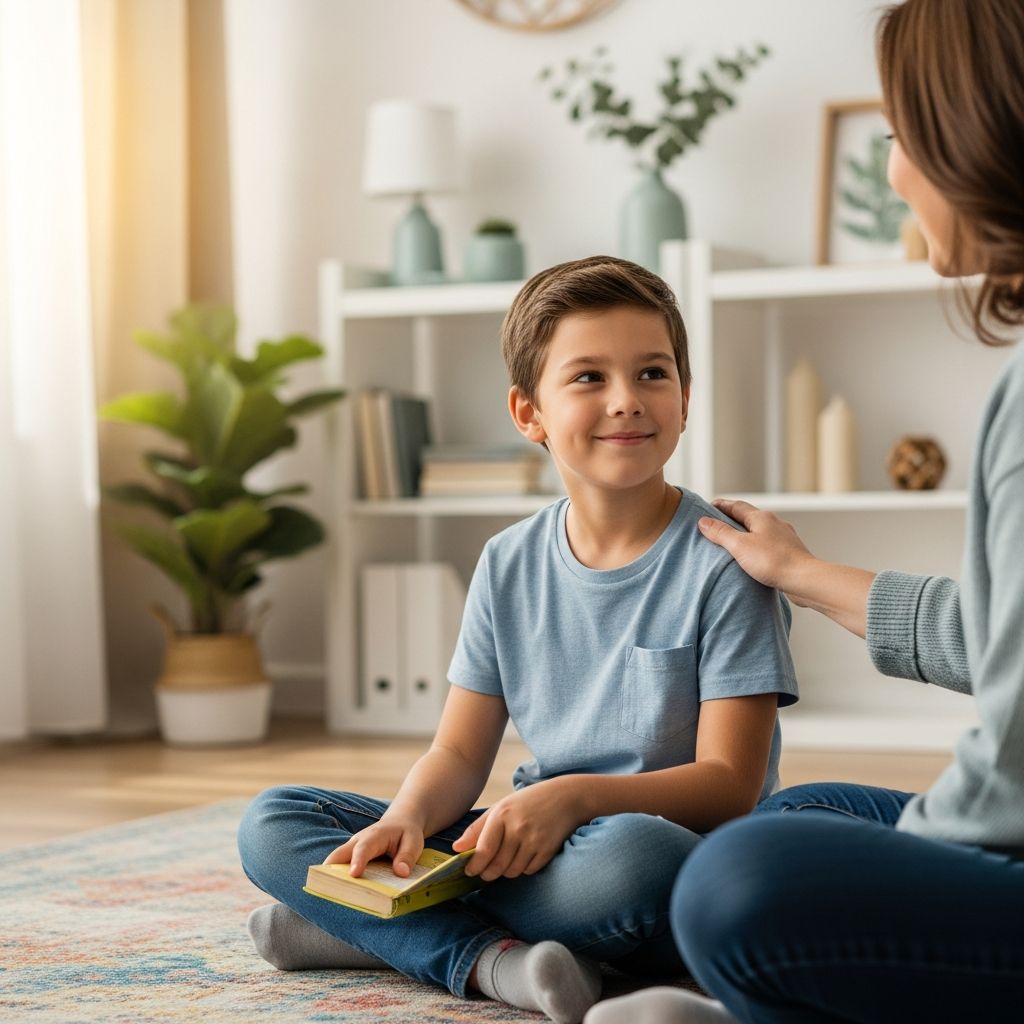
- Acknowledge Feelings First: Validate emotions with phrases like, “You sound upset—want a hug?” This meets the comfort need, reducing reliance on baby talk.
- Model Correct Speech: Gently repeat their message in a normal voice: If they say “Me want milky,” respond, “I hear you want milk. Here it is.”
- Reinforce Big-Kid Talk: Praise clear speech lavishly: “I love how you told me that so clearly!”
- Provide Extra Connection: Offer undivided attention during calm moments to fill attention gaps proactively.
These methods align with speech therapy principles, emphasizing positive modeling over correction.
Distinguishing Helpful Parentese from Problematic Habits
Not all simplified speech harms development. Parentese—high-pitched, melodic talk with clear enunciation—boosts infant vocabularies and babbling when used in the first year. Oklahoma State Extension recommends daily talking, reading, and singing to harness brain plasticity from birth.
For older kids, shift to standard speech while retaining warmth. Avoid overusing diminutives like “widdle” that model poor grammar. Instead, use engaging tones without altering words to maintain appeal without regression risks.
Long-Term Benefits of Addressing Baby Talk Early
Consistent responses foster confidence in communication, enhancing peer interactions and school readiness. Children learn emotional expression through words, not just tone, building resilience. Research links strong early speech foundations to better cognitive outcomes, as interactive loops with caregivers prime socioemotional growth.
Parents who coach IDS effectively see accelerated language milestones, from more babbling at 6 months to richer vocabularies at 14 months. Extending this awareness to older speech patterns ensures sustained progress.
When to Seek Professional Guidance
Baby talk is usually benign, but consult a pediatrician or speech-language pathologist if:
- It persists beyond age 4-5 without triggers.
- Accompanies social withdrawal or other delays.
- Follows trauma or major changes.
Nationwide Children’s Hospital differentiates baby talk from parentese, advising professional input for stalled progress. Early intervention maximizes outcomes, especially if linked to ASD indicators like reduced IDS response.
Practical Daily Routines to Promote Clear Speech
Integrate language-building habits:
- Daily Read-Alouds: Use expressive voices on picture books to model variety.
- Mealtime Chats: Encourage full sentences about the day.
- Play-Based Practice: Role-play scenarios demanding descriptive talk.
- Tech Aids: Apps with video modeling reinforce correct patterns engagingly.
Consistency yields results, as children’s natural drive toward independence amplifies positive reinforcement.
Frequently Asked Questions
Is baby talk ever harmful to development?
Short-term, no—but prolonged use in older children may delay mature communication if it replaces clear expression. Parentese benefits infants.
How long should I tolerate regression during stress?
Respond empathetically short-term, but gently redirect. It often fades once emotional needs are met.
Does ignoring baby talk make it stop?
Not recommended; ignoring may heighten attention-seeking. Model and praise alternatives instead.
Can siblings influence this habit?
Yes, mimicking younger ones for attention is common. Equalize positive focus across ages.
What’s the difference between baby talk and parentese?
Parentese is melodic with proper words for language growth; baby talk often mangles grammar, less ideal for older kids.
Building a Supportive Language Environment at Home
Create a home rich in conversation: narrate activities, ask open questions, and celebrate efforts. Sing songs with clear lyrics to blend fun with modeling. Track progress in a family journal to motivate, noting clear speech instances. This holistic approach not only curbs baby talk but elevates overall development.
By blending science-backed insights with patient guidance, parents empower children to communicate confidently, bridging the gap from coos to conversations seamlessly.
References
- Toddlers’ Responses to “Baby Talk” Linked to Social, Cognitive, Language Abilities — National Institute of Mental Health (NIMH). 2022-05-10. https://www.nimh.nih.gov/news/science-updates/2022/toddlers-responses-to-baby-talk-linked-to-social-cognitive-language-abilities
- “Baby Talk”: Helpful or Harmful for Language Development? — Hogg Therapy. Accessed 2026. https://www.hoggtherapy.com/baby-talk-helpful-or-harmful-for-language-development
- Why Your Child Still Talks Like a Baby — Speech Blubs. Accessed 2026. https://speechblubs.com/blog/why-your-child-still-talks-like-a-baby/
- Babies love baby talk, all the world over — Stanford Report. 2020-03-12. https://news.stanford.edu/stories/2020/03/babies-love-baby-talk-world
- Babytalk is Real, So Don’t Be Embarrassed: It’s Science! — Gordon College Tartan. 2021. https://tartan.gordon.edu/babytalk-is-real-so-dont-be-embarrassed-its-science/
- Talk, Read and Sing With Your Child Every Day — Oklahoma State University Extension. Accessed 2026. https://extension.okstate.edu/fact-sheets/talk-read-and-sing-with-your-child-every-day.html
- Baby Talk vs Parentese: How to Talk with Your Baby — Nationwide Children’s Hospital. 2025-07. https://www.nationwidechildrens.org/family-resources-education/700childrens/2025/07/baby-talk-vs-parentese