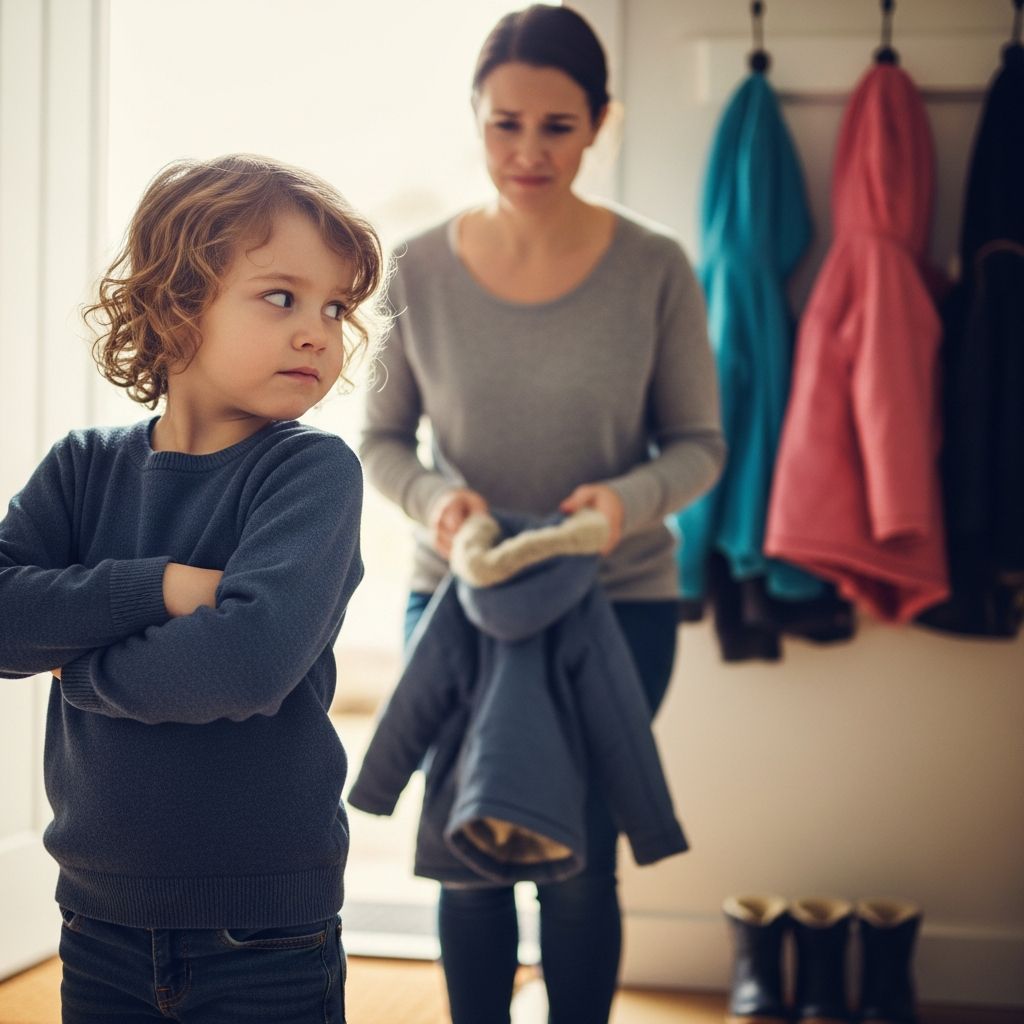
Many parents face the frustrating daily ritual of coaxing children into winter gear when temperatures drop. Children often reject coats, jackets, or even basic layers, leaving caregivers worried about chills, illness, or discomfort. This common struggle stems from a mix of biological differences, sensory experiences, and developmental drives for autonomy. Understanding these factors allows parents to shift from power struggles to collaborative solutions that prioritize both safety and a child’s preferences.
Understanding the Biological Differences in How Kids Experience Cold
Children’s bodies process cold differently than adults’. Younger kids, especially those under age 5, have higher surface-area-to-volume ratios, meaning they lose heat faster, yet their active lifestyles generate substantial internal warmth. Active play—running, jumping, or climbing—produces body heat that can make heavy outerwear feel unnecessary or overheated.
Metabolic rates in children and teens surpass those of adults, fueling higher heat production during movement. A child sprinting across a playground might not register the chill until they pause. This mismatch explains why a parent shivering in 40°F weather sees their bundled-up child sweat profusely.
For infants and toddlers, however, caution is essential. The American Academy of Pediatrics notes that babies under 12 months should be dressed in one more layer than adults in cold conditions to prevent hypothermia, as their thermoregulation systems are immature.
Sensory Sensitivities: When Fabrics and Fit Feel Wrong
Sensory processing plays a major role in coat resistance. Many children, particularly those with sensory processing disorder or typical sensitivities, find certain textures intolerable—scratchy wool, stiff collars, or Velcro that snags hair. Tight cuffs or loose, flapping layers can irritate, turning dressing into a battleground.
Preschoolers might balk at heavy jackets that restrict movement, preferring lightweight alternatives. Solutions include experimenting with soft, seamless fabrics like fleece or bamboo blends. Layering thin, breathable items allows kids to add or remove pieces independently, accommodating fluctuating activity levels.
- Opt for tagless, seamless clothing to minimize irritation.
- Choose hoodless designs if necklines bother them.
- Test fitted vs. oversized styles to match their comfort zone.
The Push for Independence: Toddlers to Teens Seeking Control
From age 2 onward, children crave autonomy. Refusing a coat becomes a declaration of selfhood, especially for toddlers testing boundaries and teens influenced by peers. Fashion trends amplify this; a teen might prioritize hoodies over puffy parkas to fit in.
Rather than mandates, offer controlled choices: “Do you want the blue fleece or the gray vest?” This empowers without compromising safety. For routine changes, provide advance warnings: “In five minutes, we’ll layer up for outside.”
Age-Specific Strategies for Winter Dressing Success
Different ages demand tailored tactics. Here’s a breakdown:
| Age Group | Common Challenges | Recommended Approaches |
|---|---|---|
| 0-2 Years | Immature temperature regulation; rapid heat loss | One extra layer than adult; hats/gloves essential; monitor for fussiness or cool skin |
| 3-5 Years | Sensory issues; emerging independence | Layering options; sensory-friendly fabrics; pack extras in bag |
| 6-12 Years | Peer pressure; high activity | Choices within limits; explain heat loss science simply |
| Teens | Fashion over function; metabolic heat | Encourage hats/gloves; model behavior; discuss frostbite risks |
For all ages, packing spares resolves insistence on lighter clothing. Place pants, jackets, or mittens in a backpack—they’re available if chills hit later, avoiding coercion.
Health Risks and When to Insist on Layers
While autonomy matters, safety trumps preferences in extreme cold. Frostbite risks rise below 20°F, especially with wind chill, affecting exposed skin in minutes. Hypothermia signs—shivering, lethargy, pale skin—demand immediate warming.
The CDC advises hats, scarves, and mittens for kids, as 40% of body heat escapes via the head and neck. Below 40°F, limit bare skin exposure during prolonged outdoor time. Exceptions apply to active play; monitor and intervene if distress appears.
Creative Alternatives to Traditional Coats
Not every child needs a full jacket. Innovate with:
- Hand and foot warmers: Disposable packets slip into gloves or boots for targeted heat.
- Vests or hoodies: Less restrictive, easier to layer under.
- Windproof shells: Lightweight over base layers for breezy days.
- Merino wool base layers: Naturally warming, moisture-wicking, non-itchy.
Lead by example: Dress warmly yourself and narrate, “This sweater keeps my arms cozy while I move.” Kids mimic observed behaviors more than heard lectures.
Building Long-Term Habits Without Force
Forcing coats erodes trust, potentially leading to riskier defiance later. Instead, foster decision-making: Discuss weather forecasts together, letting them choose gear. Over time, they internalize cues like shivering or numb fingers.
Track patterns—what works on windy vs. sunny days? Adjust wardrobes seasonally. Praise choices: “Great job picking that vest; you stayed comfy!” Positive reinforcement builds confidence.
Frequently Asked Questions
Why does my active child never feel cold?
Children generate more body heat through play and have higher metabolisms, delaying cold perception until they rest.
Is it safe to let them go out coatless if they’re not shivering?
For short, active outings above 40°F, yes—but pack layers and watch for signs. Younger kids need more protection.
What if sensory issues persist?
Consult occupational therapists for strategies; try weighted vests or compression layers for calming input.
How do I handle school dress codes?
Pack compliant items in bags; collaborate with teachers on indoor options during recess.
Can refusing coats lead to illness?
Cold exposure doesn’t cause colds (viruses do), but prevents frostbite and discomfort.
Navigating coat refusals builds resilience in parent-child dynamics. By addressing root causes with empathy and ingenuity, families enjoy winter outings free from friction.
References
- “My child refuses to wear a coat in the cold! Help!” — Taking Children Seriously. Accessed 2026. https://takingchildrenseriously.com/my-child-refuses-to-wear-a-coat-in-the-cold-help/
- What To Do When Your Child Refuses To Bundle Up for Cold Weather — St. Louis Children’s Hospital. Accessed 2026. https://www.stlouischildrens.org/health-resources/pulse/bundling-kids-up-in-cold-weather
- Has Putting on a Jacket Become Difficult? — Jin-A Child Care Center. 2025-09-12. http://www.jinaschool.com/new-blog/2025/9/12/has-putting-on-a-jacket-become-difficult
- Aren’t They Freezing? The REAL Reason Teenagers Won’t Wear Coats — Raising Teens Today. Accessed 2026. https://raisingteenstoday.com/the-real-reason-teenagers-wont-wear-coats/
- Put Your Coat On! — Harvard Graduate School of Education. 2017-12. https://www.gse.harvard.edu/ideas/usable-knowledge/17/12/put-your-coat